Something Fresh in the State of Denmark
October 06, 2026



















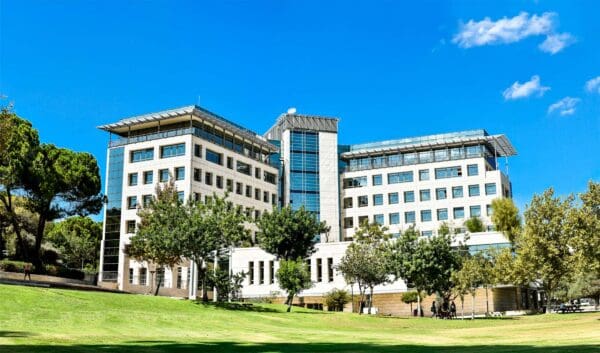









The Technion’s story has been intertwined with Israel’s for more than a century, from laying the foundations for a new nation to shaping its future.

Step inside Israeli innovation at the David and Janet Polak Visitors Center. Experience our 360° immersive movie and tech exhibition. Open to individuals and groups.
Learn More
What the Next 100 Years Will Look Like Almost 100 years ago, 17 students began studying at the Technikum, a new university on the slopes of Mount Carmel. The first courses at what we now know as the Technion marked a defining moment for the Jewish settlement in Palestine — The Technikum was Palestine’s first academic institution and the Middle East’s first technological-scientific university. Back then, the Technion offered just two tracks of study: civil engineering and architecture. Today, about 14,000 students can choose from more than 50 undergraduate and 83 graduate programs clustered into 18 academic faculties. The Technion…
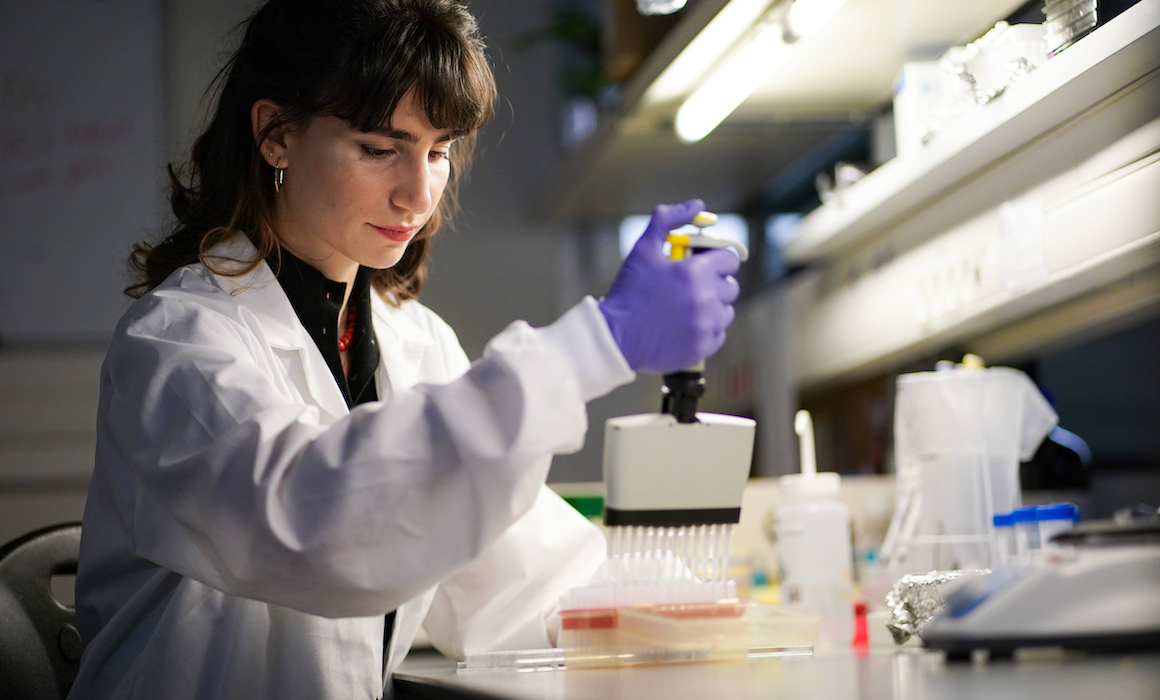
Tamar Koren, an MD/PhD candidate at the Asya Rolls Lab within the Technion’s Rappaport Faculty of Medicine, researches the extent to which a patient’s psychological or mental state may cause or exacerbate an actual disease. Koren’s work forms part of the Technion Human Health Initiative. (Photo by Nitzan Zohar/Technion) If thinking you’re sick can make you feel sick, is there a way to train your brain — and your body — to reverse that process and restore you to health? That’s the central question that Tamar Koren, an MD-PhD candidate at the Technion – Israel Institute of Technology in Haifa…

Mankind has long yearned to turn back the hands of time. Now after 20 years of research, scientists at the Technion and Haifa’s Rambam Health Care Campus, along with colleagues in England and Germany, have found a way to make aged human skin young again. In a study where elderly human skin was grafted onto young mice, the scientists proved that the aging process could be reversed in the skin and other organs by inducing a change in the molecular structure. If aging is “ultimately a fatal disease whose progress can be slowed and reversed,” wrote the authors in Science…

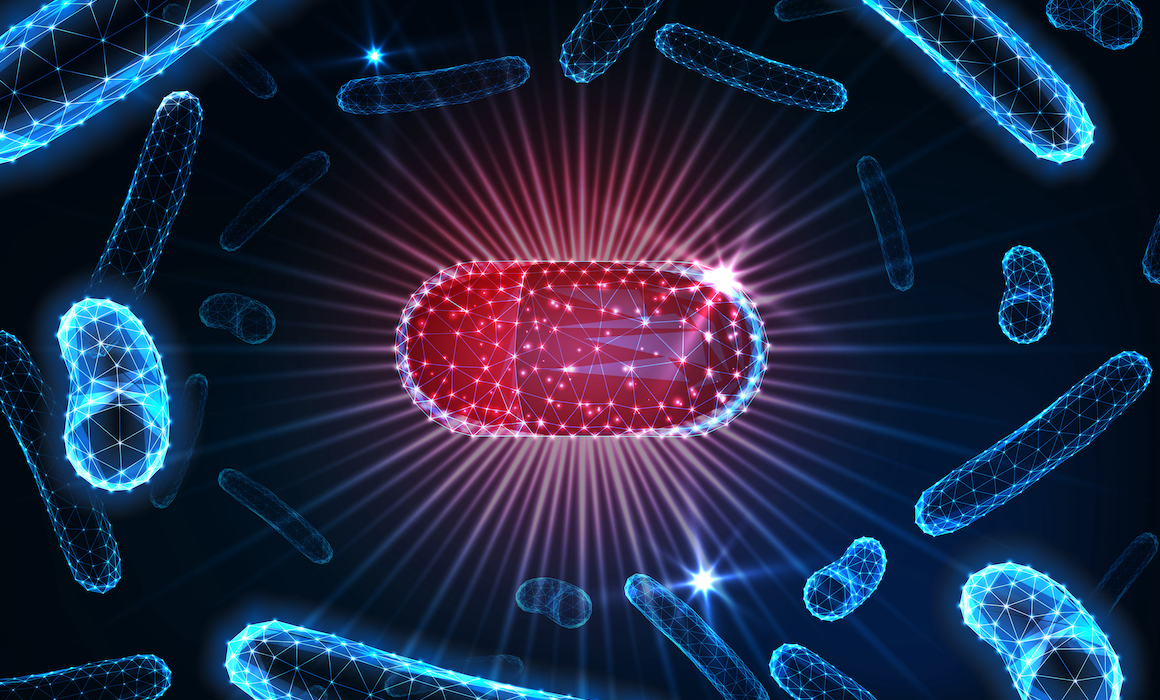
Antibiotics are a double-edged sword: on the one hand, antibiotics are essential to curing bacterial infections. On the other hand, their use promotes proliferation of antibiotic-resistant bacteria. Using genomic sequencing techniques and machine learning analysis of patient records, researchers from the Technion – Israel institute of Technology and Maccabi KSM Research and Innovation Center have developed an antibiotic-prescribing algorithm that cuts the risk of emergence of antibiotic resistance by half. The paper, published in Science, is a collaboration between the research group of Professor Roy Kishony from the Technion Faculty of Biology and the Henry and Marilyn Taub Faculty of…
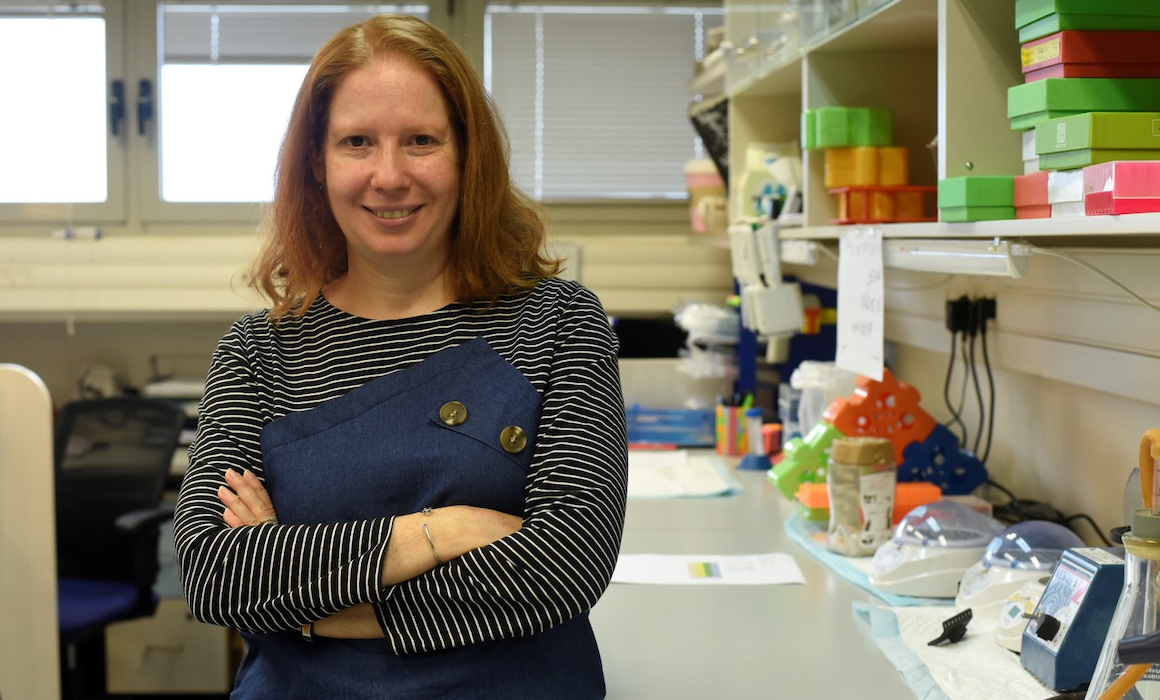
Pictured Above / Professor Reut Shalgi Researchers at the Technion’s Rappaport Faculty of Medicine have discovered that the body has the capability of curing various neurodegenerative diseases, including Huntington’s, Alzheimer’s, and ALS. Unfortunately, however, the body often fails to detect the problem and activate the solution. Professor Reut Shalgi likened the situation to computer troubleshooting. Often you don’t recognize at first that something is wrong with your computer. And when you do, finding the solution is hit or miss. “It is the same with our cells,” she said. “They do not always realize there is a problem, or know how…

Photo credit: Advance Materials Magazine Patients suffering from sodium-related diseases and other conditions currently must visit a clinic or hospital for blood tests that can be painful and do not provide online or immediate results. Now, Technion researchers have developed a smart, wearable “band-aid” fitted with microneedles that continuously monitor a person’s medical condition and send the data to the patient or doctor. The research, recently featured on the cover of Advanced Materials, was led by Professor Hossam Haick, postdoctoral fellow Dr. Youbin Zheng, and Ph.D. student Rawan Omar of the Wolfson Faculty of Chemical Engineering and the Russell Berrie…

Technion’s Ingenious Approach to Sustainable Food Tech Featuring Professors Marcelle Machluf, Ester Segal,and Uri Lesmes The world’s food system is reaching a crisis point: waste, overfishing, deforestation, greenhouse gas emissions from farming, and more are destroying the planet. As the global population keeps growing, food security is fast becoming one of the major challenges facing […]
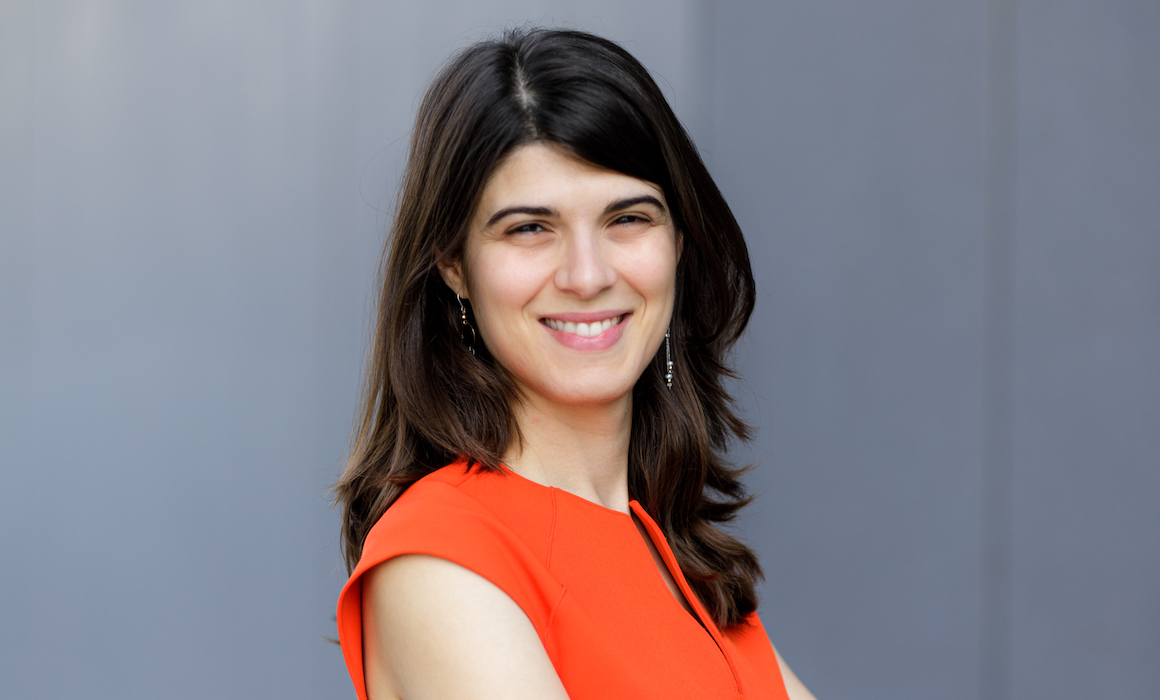
Pictured Above / Dr. Kira Radinksy / Photo credit: Omer Hacohen The last step in developing a drug or medical treatment is the clinical trial, which confirms the treatment’s efficacy in humans and its safety. While a long and expensive process, a successful clinical trial is essential to receiving approval from the FDA or other regulating authorities. Yet clinical trials have long underrepresented women, leading to misdiagnosed diseases and adverse drug reactions. A new article in the Journal of the American Medical Informatics Association (JAMIA) by researchers at the Henry and Marilyn Taub Faculty of Computer Science at the Technion…
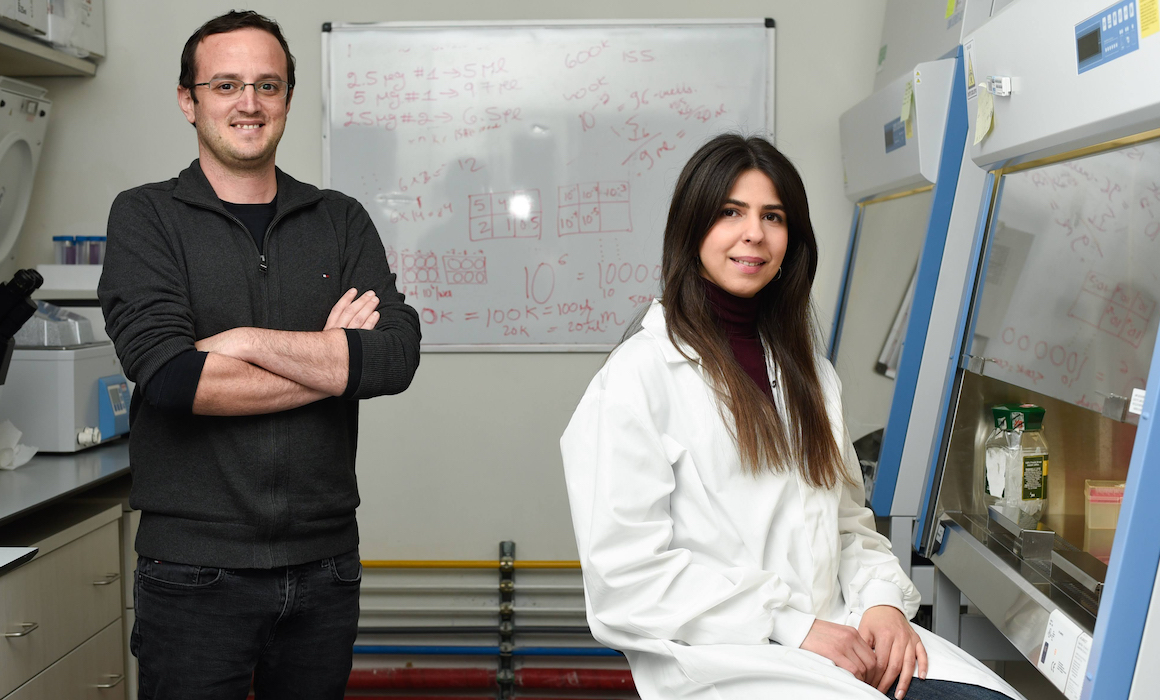
Pictured Above / Prof. Yotam Bar-On (left) and Dina Khateeb / Photo credit: Rami Shelush, Technion Spokesperson’s Office. Although the original form of the novel coronavirus — SARS-CoV-2 — was armed with an effective system against mutations, it was not immune to them. Indeed, the virus has since “split” into variants according to differing evolutionary variables in different populations. These mutations occur in the spike protein of the virus, which allows it to penetrate the cells in our body. The development of new variants is the result of random mutations and natural selection. Most mutations do not significantly alter the…
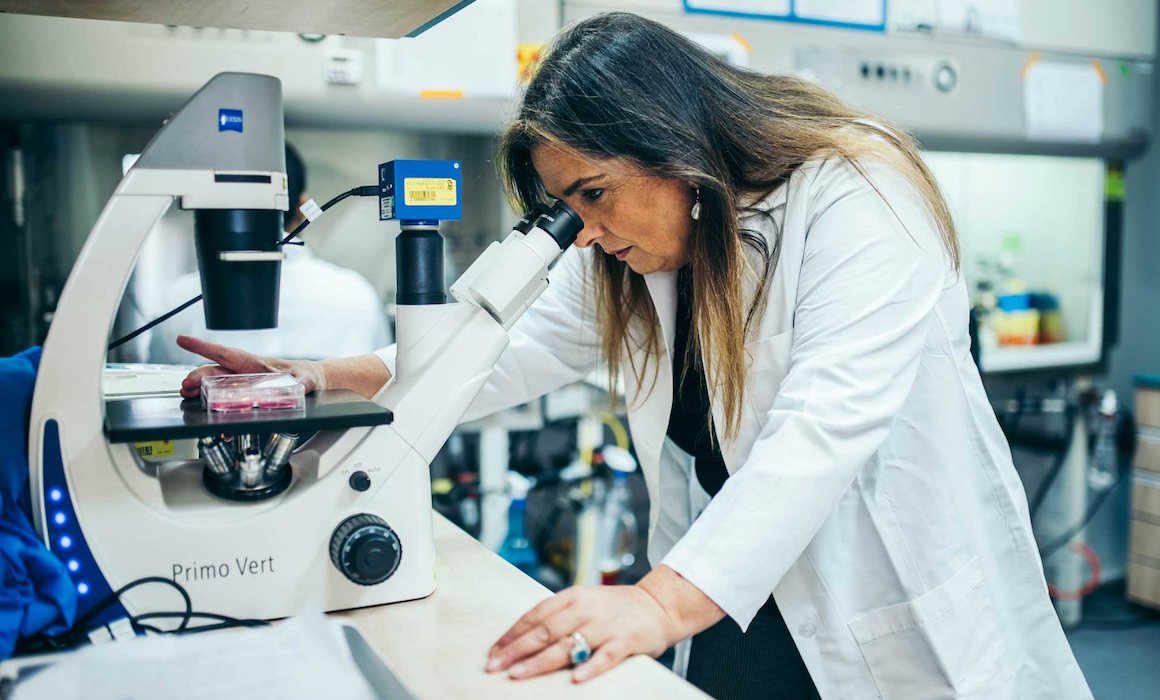
Pictured Above / Professor Marcelle Machluf, dean of the Technion Faculty of Biotechnology and Food Engineering. Israel’s food sector is a $20 billion business, representing 5% of the country’s GDP. Yet lack of capital, stagnating innovation, and rapidly changing consumer demands threaten to erode this success. The new Carasso FoodTech Innovation Center, part of the Faculty of Biotechnology and Food Engineering’s Bio-Health Technology Innovation Initiative, aims to tackle these unanswered challenges. The Center will develop sustainable ways to supply a healthy, tasty, and nutritious diet to a growing world population, while growing Israel’s food sector. “We overfish, overgrow, and overuse…

Climate change and rising concerns about the sustainability and healthfulness of our food supply have prompted researchers to rethink how we produce our food — including some of our favorite meals, like hamburgers. Dr. Dafna Pascoviche of the Faculty of Biotechnology and Food Engineering explains recent food systems research being conducted at the Technion, and […]