Something Fresh in the State of Denmark
October 06, 2026






















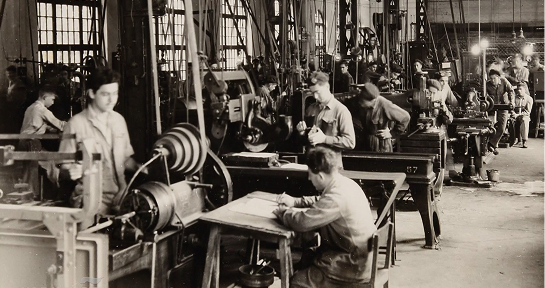
The Technion’s story has been intertwined with Israel’s for more than a century, from laying the foundations for a new nation to shaping its future.

Step inside Israeli innovation at the David and Janet Polak Visitors Center. Experience our 360° immersive movie and tech exhibition. Open to individuals and groups.
Learn More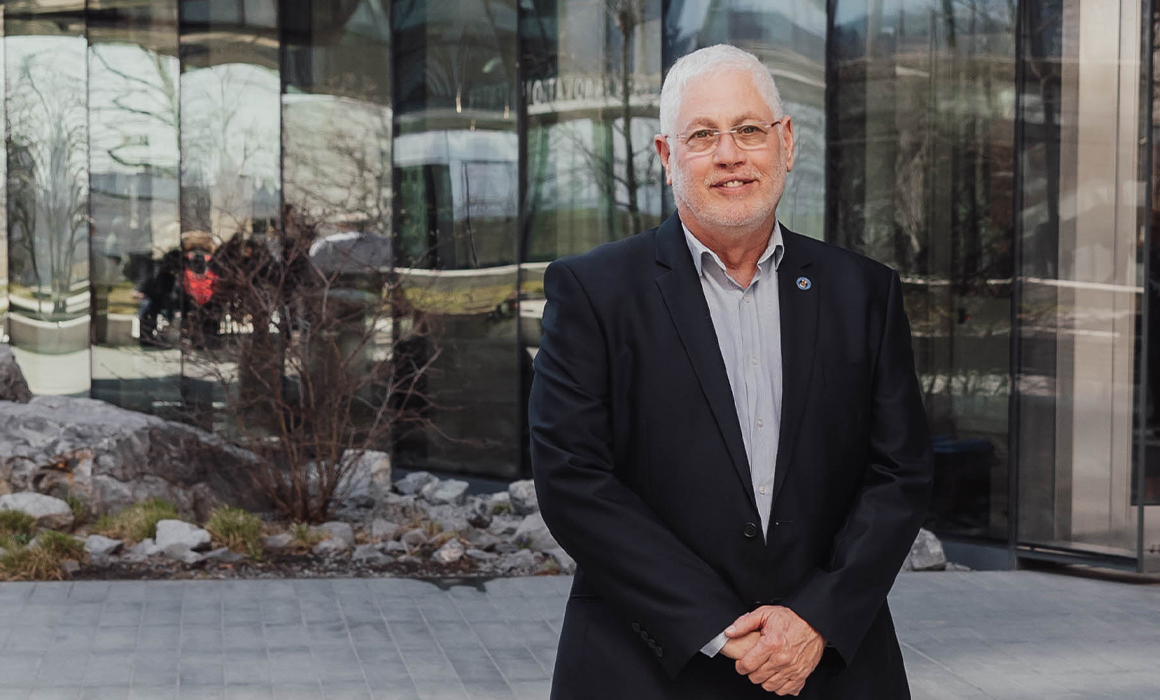
Almost 100 years ago, 17 students began studying at the Technikum, a new university on the slopes of Mount Carmel. The first courses at what we now know as the Technion marked a defining moment for the Jewish settlement in Palestine — The Technikum was Palestine’s first academic institution and the Middle East’s first technological-scientific university.
Back then, the Technion offered just two tracks of study: civil engineering and architecture. Today, about 14,000 students can choose from more than 50 undergraduate and 83 graduate programs clustered into 18 academic faculties. The Technion now has 60 research centers in a sprawling campus in Haifa, in addition to a presence on campuses in the United States and China, making it a truly global institution.
Albert Einstein sagely noted that “future Israel can win the battle for survival only by developing expert knowledge in technology.” One hundred years after that observation, it is safe to say Israel is winning that battle thanks to the unparalleled expertise provided by the Technion.
From the very moment the Technion opened its doors, the institution, its faculty, and its students made immeasurable contributions to the state of Israel’s infrastructure, defense, and economics. Technion alumni developed much of the industrial groundwork the young country depended on in its early days, and the university and its graduates continue to create innovations in a variety of fields.
Technion ingenuity has launched satellites into space, invented the USB flash drive, built “exoskeletons” that allow paralyzed people to walk again, developed defense technology to keep Israel safe, and devised numerous advances in medicine and alternative energy sources. Israeli companies comprise one of the highest concentrations of high-tech startups outside Silicon Valley. The Technion’s more than 123,000 graduates account for at least 70% of Israel’s high-tech workforce.
Throughout history, the Jewish people have adapted and evolved in the face of a changing world. The same can be said of the Technion. Students in Israel and worldwide no longer need to rely on their professors and textbooks for knowledge. They have the internet. Academia was also once the sole source of research that was then applied by industries to create new products and technologies. That, too, has eroded as companies are developing their own well-funded research operations.
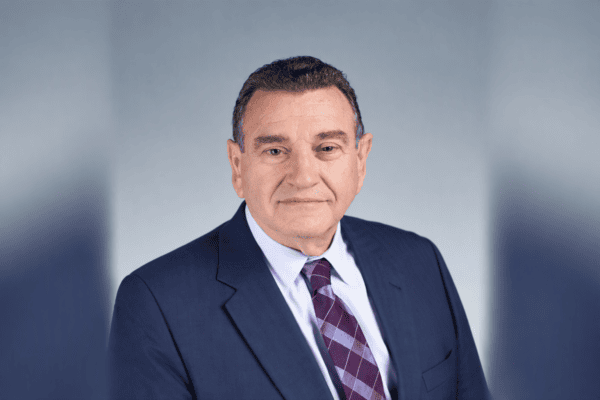
“In the past, the professor was the single source of information, perhaps together with a textbook,” said Technion President Uri Sivan. “Today, information is available everywhere. There are online courses where one can listen to teachers from the best universities in the world.”
This could be an existential crisis for the Technion and the State of Israel. After all, the Technion is unique among its academic peers in that Israel’s economy and security are intertwined in the Technion’s mission.
Instead, President Sivan saw this dramatic shift in the education ecosystem as an opportunity for the Technion to remake the very definition of what a university could be. In the process, he has helped to transform the Technion’s relationship with private sector institutions, add new coursework, and tear down institutional silos in the name of a bolder, stronger, and more competitive Technion.
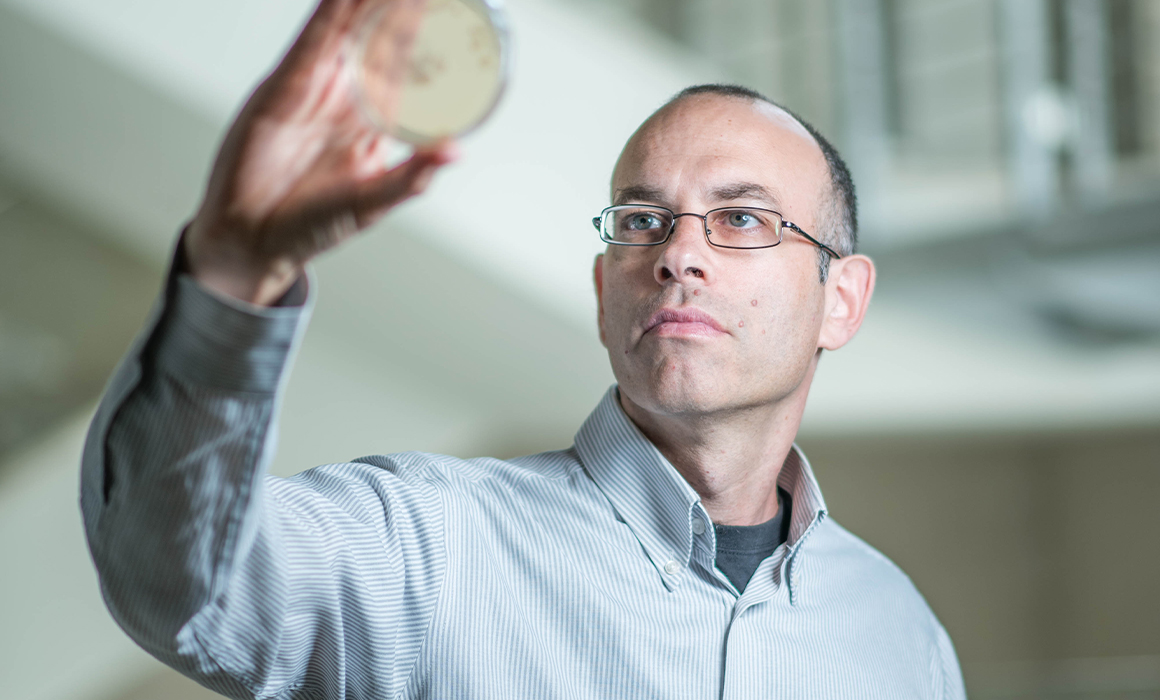
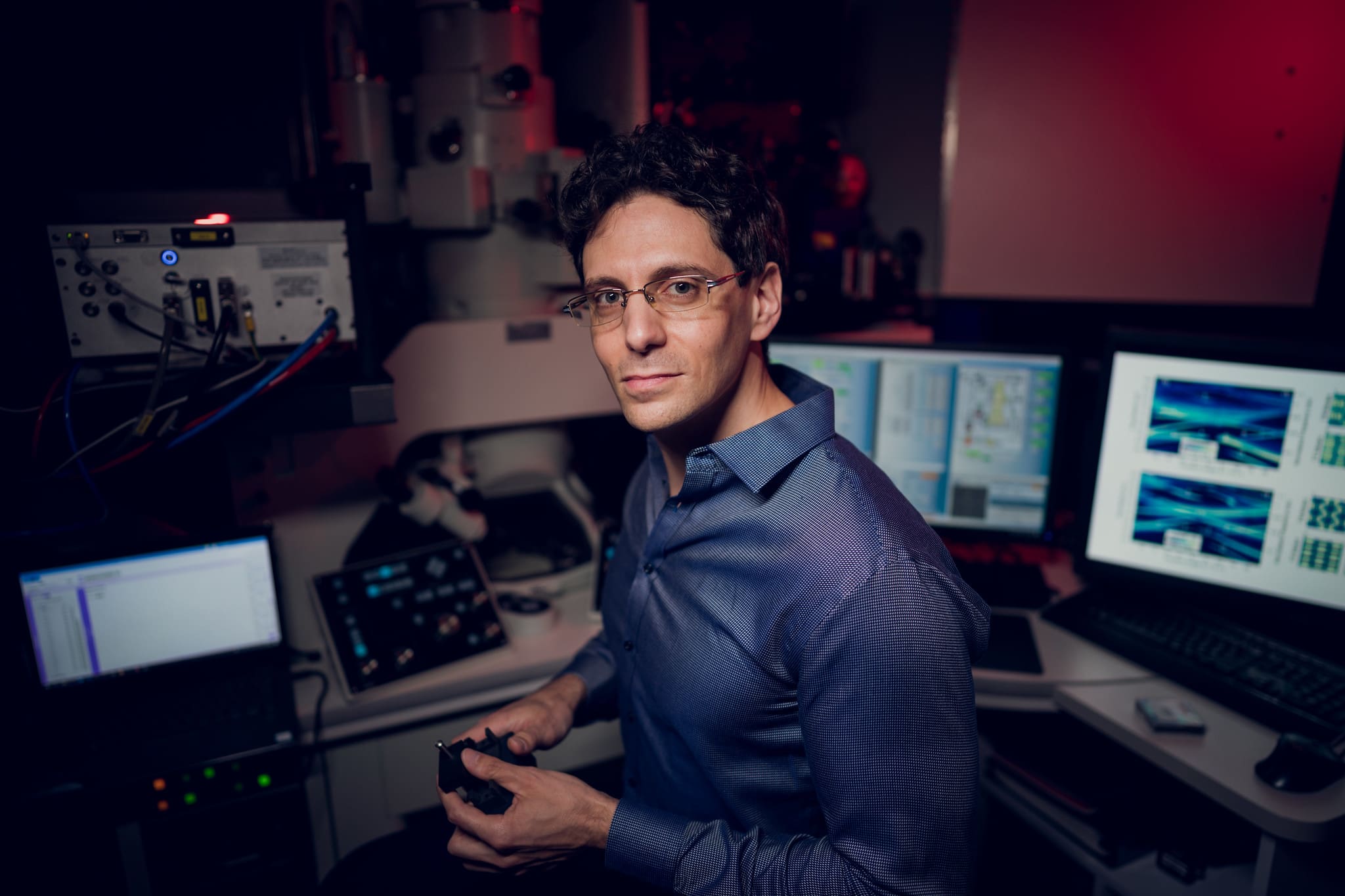
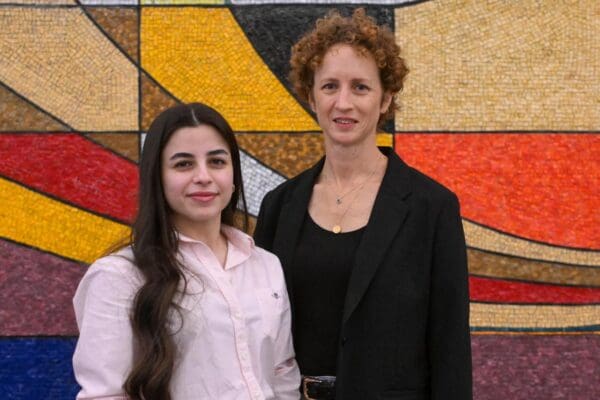
Prof. Roy Kishony is a member of both the Faculty of Biology and the Rappaport Faculty of Medicine, making him a part of an elite group of experts whose interdisciplinary knowledge and abilities are advancing science and changing the world
Where some universities saw the rise of industry-funded research facilities as competition, President Sivan saw collaboration. “We need to reach a new understanding with those companies,” he stated. “Industry and academia are no longer completely separate entities. We are intertwined.”
In President Sivan’s mind, the question was not how can the Technion compete against these giants? But rather, how can we remind industry of the value of academia? Instead of going head-to-head against well-funded companies like IBM and Apple, the Technion brought them even closer to the Technion — in President Sivan’s words, “hugging” industry. He invited company executives and scientists into the classroom as teachers and mentors, while sending Technion students and researchers into industry labs.
Bringing industry deeper into campus is a win-win for both the university and industry. The Technion gets firsthand access to technology and information from some of the world’s most cutting-edge companies. Students benefit immensely by learning from these experts. And companies can build a pipeline of enormously talented young creative minds while having their “finger on the pulse” of the latest research coming out of the Technion.
Already, major corporations are flocking to avail themselves of Technion expertise. A prime example of this collaboration is the partnership between the Technion and American software giant PTC. The company will invest several million dollars to create a joint research and development center on campus. In addition, the Technion is in the process of signing strategic partnership deals with major brands including Doral, Intel, Tzemach Food, Rafael Defense, and Israel Aerospace Industries. Brand-name alliances also become a recruitment tool for attracting talented students and faculty to campus.
The Technion has also worked to alleviate obstacles in commercializing products, making it easier for faculty members to take their ideas to market. The results have been dramatic. Before removing those bottlenecks, just four or five technologies were commercialized each year.
“We are setting up approximately 15 companies a year. In the past two years, we have established 28 companies, and this space is growing fast. I wouldn’t be surprised if the Technion became the largest holding company in Israel.”
Prof. Uri Sivan, Technion President
In a world where higher education is changing so rapidly, President Sivan has developed a 10-year strategic plan to keep pace with the new demands of society. “Technion 2031” addresses a wide range of issues covering everything from diversity on campus to classroom curriculum.
First and foremost, Technion 2031 is reimagining something as basic as the Technion’s educational approach. Moving past the long-established, siloed method in which students study a single academic discipline such as physics or chemistry, the Technion plans to organize research and learning around today’s most pressing challenges: Human Health, Energy, and Digital Industry. President Sivan is already in the process of creating multidisciplinary research centers with shared infrastructure to tackle these core societal concerns. “The grand challenges of the 21st century are all multidisciplinary,” he said. “If you take, for example, human health, it’s not just medicine. There’s a lot of engineering going on, data science going on, physics, and so forth.”
By bringing together researchers from different disciplines to collaborate and build on each other’s research, the Technion expects to be able to address common challenges more rapidly and more effectively than ever before.
The strategic plan would also broaden the Technion’s curriculum to offer students more than a scientific education. In the words of President Sivan, “Scientists, architects, medical doctors will at some point in their professional life have to make some major decisions that have consequences on society, ethics, and the environment. We find it essential to give our students some background so they can create for themselves a wider perspective of life.”
To do that, the Technion is establishing a small humanities department for the first time in the institution’s history. The program, which is dubbed “The Well-Rounded Engineer” and is becoming mandatory for all undergraduates, provides students with a societal perspective, an environmental awareness, and a familiarity with issues of diversity and ethics. Graduate students will be asked to incorporate chapters on the societal or ethical implications of their work into their theses.
Embracing challenges and turning them into advantages has been the story of the Technion since it first opened its doors. And the Technion isn’t slowing down now. In addition to the aspects discussed above, Technion 2031 aims to expand the university’s cutting-edge research capacity and recruit talented faculty who would rise into leadership positions, while solidifying strategic partnerships with corporations, the public sector, and other universities. It’s the kind of continuous innovation that has helped the Technion — and the State of Israel — remain an ascendant force for over 100 years.