Something Fresh in the State of Denmark
October 06, 2026




















The Technion’s story has been intertwined with Israel’s for more than a century, from laying the foundations for a new nation to shaping its future.

Step inside Israeli innovation at the David and Janet Polak Visitors Center. Experience our 360° immersive movie and tech exhibition. Open to individuals and groups.
Learn More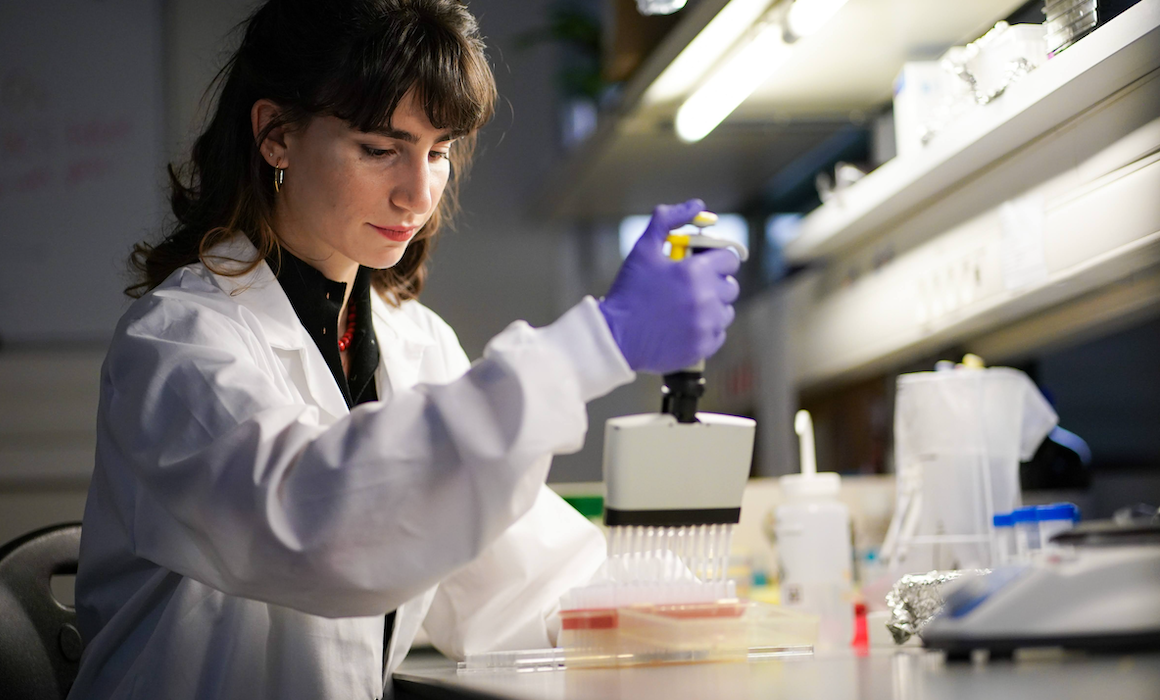
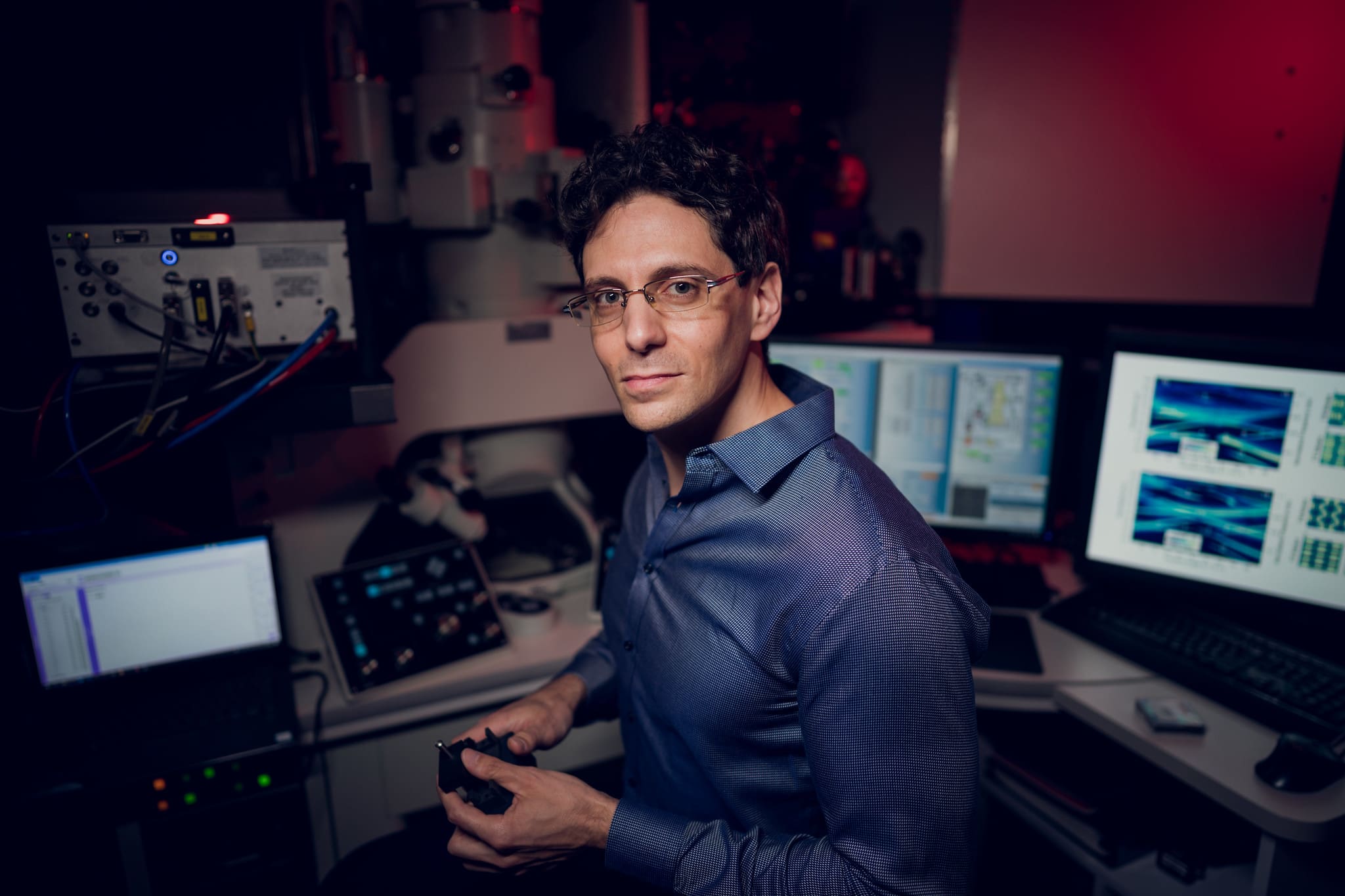
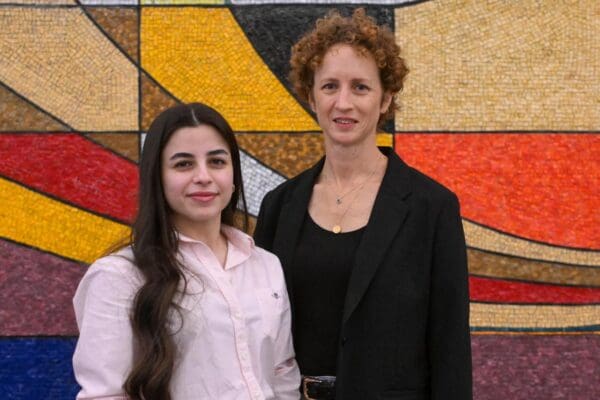
Tamar Koren, an MD/PhD candidate at the Asya Rolls Lab within the Technion’s Rappaport Faculty of Medicine, researches the extent to which a patient’s psychological or mental state may cause or exacerbate an actual disease. Koren’s work forms part of the Technion Human Health Initiative. (Photo by Nitzan Zohar/Technion)
If thinking you’re sick can make you feel sick, is there a way to train your brain — and your body — to reverse that process and restore you to health?
That’s the central question that Tamar Koren, an MD-PhD candidate at the Technion – Israel Institute of Technology in Haifa focused on psychosomatic illness, is researching.
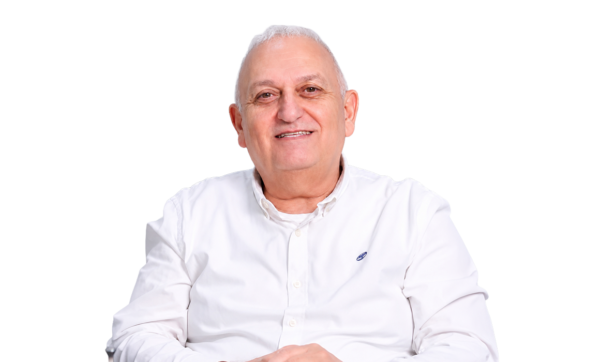
Professor Shai Shen-Orr, head of the school’s Systems Immunology & Precision Medicine Laboratory, is mapping how the immune system ages as people age — to the point of being able to calculate the age of someone’s immune system based on cellular data.
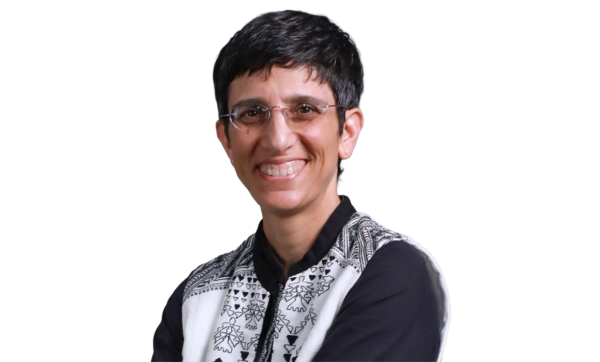
Professor Ron Kimmel, founder of the Geometric Image Processing Lab in the Technion’s Henry and Marilyn Taub Faculty of Computer Science, is using artificial intelligence and machine learning to train computers to analyze biopsy images of human tissue in order to determine not only whether a tissue is cancerous, but also what type of mutation it is and how much it has metastasized.
All three projects are examples of the kind of research being cultivated under the Technion’s new Human Health Initiative (THHI) — a recently announced effort to bring together teaching hospitals, different Technion departments and commercial companies to focus on solving specific health-related challenges.
“This initiative addresses world challenges that require multidisciplinary solutions,” said Shen-Orr, who is also the cofounder of CytoReason, a Pharma AI company. “We’re moving from research based on departments and faculties to being goal-oriented. In addressing problems of human health, it doesn’t matter where people sit. They need to work together.”
The THHI is focused on six areas: staff and student engagement, new undergraduate and graduate educational programs, recruitment of top-notch researchers, funding, shared office and lab space for “essential meeting of minds,” and acquisition of cutting-edge lab equipment and other research infrastructure.
The new initiative dovetails with other Technion projects with outside partners, such as the university’s Bridge to Next-Generation Medicine (opens in a new tab) program with Cincinnati Children’s Medical Center. That project aims to revolutionize pediatric medicine by combining the Technion’s technological prowess, including world-renowned expertise in computational science and artificial intelligence, with doctors and scientists focused on understanding and treating childhood diseases.
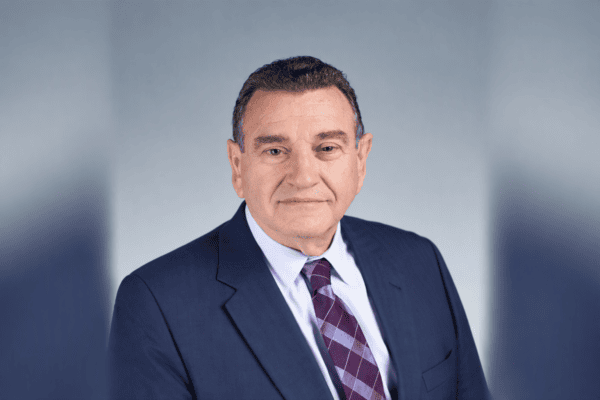
“The Technion believes that the time is ripe for taking the next quantum leap: addressing human health in a comprehensive, institute-wide manner,” Technion President Uri Sivan said. “The THHI represents a major intellectual and cultural undertaking in this direction. No other university in the country, and only a handful around the world, are positioned so well to take this leap.”