Why the Perfect Pitch is Your Biggest Mistake
September 23, 2026






















The Technion’s story has been intertwined with Israel’s for more than a century, from laying the foundations for a new nation to shaping its future.

Step inside Israeli innovation at the David and Janet Polak Visitors Center. Experience our 360° immersive movie and tech exhibition. Open to individuals and groups.
Learn More
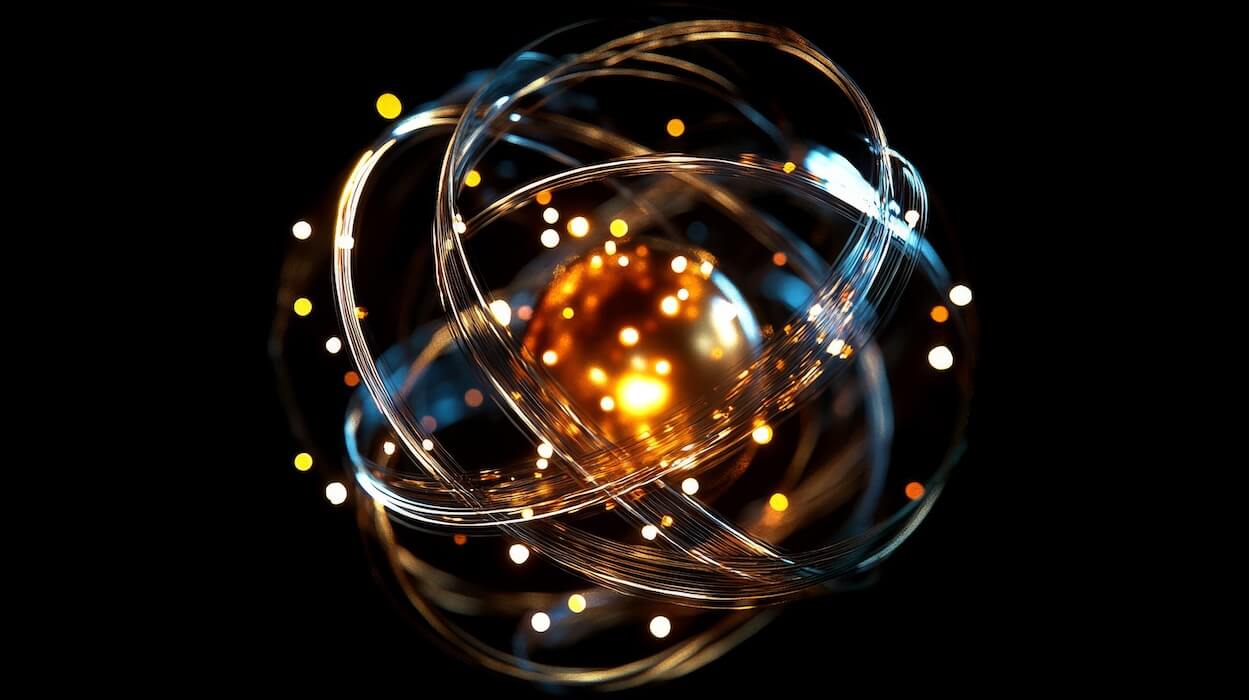
A groundbreaking study from the Technion – Israel Institute of Technology unveils a newly discovered form of quantum entanglement in the total angular momentum of photons confined in nanoscale structures – just a thousandth the width of a human hair. This discovery could play a key role in the future miniaturization of quantum communication and computing components. The study, published in Nature, was led by Ph.D. student Amit Kam and Dr. Shai Tsesses (now a postdoctoral researcher at MIT) from Prof. Guy Bartal’s research group, in collaboration with the groups of Distinguished Prof. Moti Segev and Prof. Meir Orenstein. Additional…

“Fat is flavor” is a well-known culinary principle. But nutritional research suggests consuming too much animal fat may be a factor in the development of many health conditions from dementia to male infertility to Crohn’s disease. A cutting-edge plant protein-based fat solution, Fatrix, will soon go into commercial production to help food manufacturers reduce total fat and especially saturated fat content. The product’s developer, Israeli food-tech startup Gavan Technologies, has raised $8 million in a Series A round led by MoreVC of Israel with participation from Lever VC; EIT Food, a European Union-supported platform for sustainable food innovations; and DarkBoot…
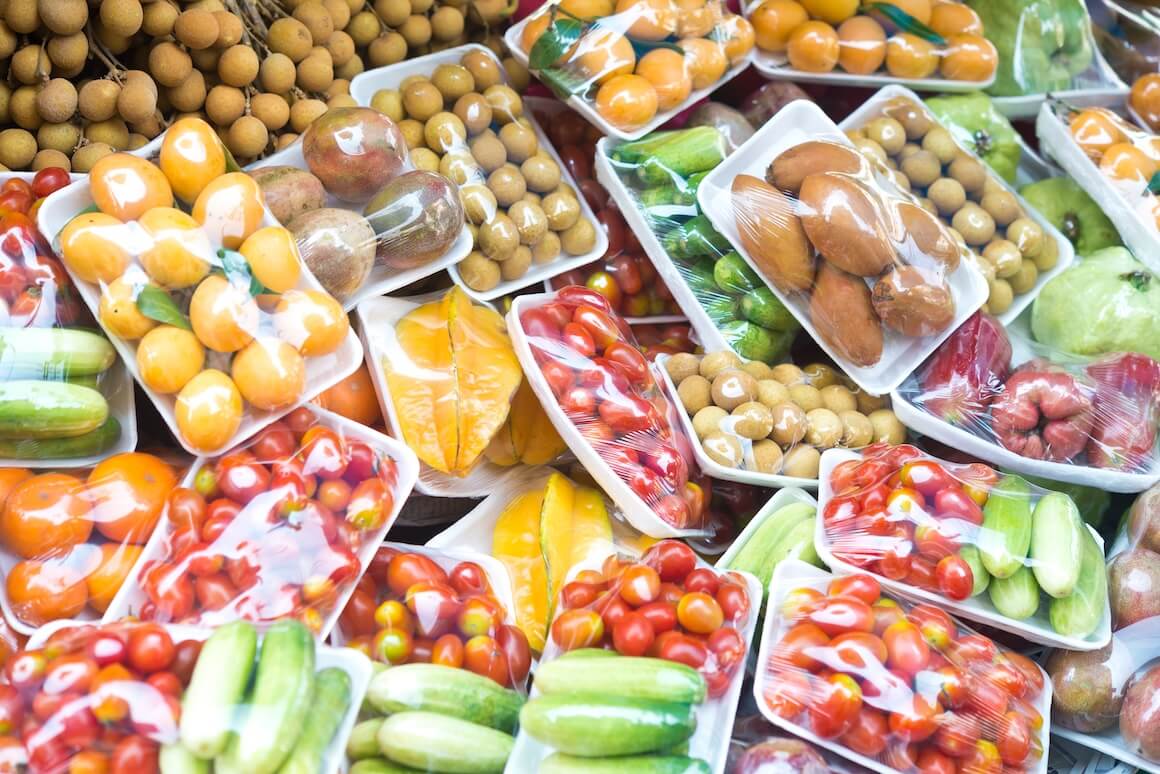
Israeli clean-tech startup W-Cycle has partnered with Brazilian company Melhoramentos to develop a new compostable food packaging material that fully decomposes within 100 days. The strategic partnership aims to create an ecofriendly alternative to single-use plastics that can withstand extreme temperatures and provide robust food containment. W-Cycle’s proprietary material, SupraPulp, is made from agricultural waste products like sugarcane bagasse, eucalyptus wood fibers and banana leaves. The packaging is oil- and water-resistant and can endure temperatures ranging from minus -40°C to 220°C, making it suitable for freezer-to-oven use without requiring plastic lamination.

As a charred Los Angeles resurfaces from the infernal flames that engulfed the region last month, questions loom as to how residents will rebuild — and whether they should remake their neighborhoods as they were, or take the chance to make the city less vulnerable to the fires of the future. With an estimated 17,000 structures burned in Eaton and Palisades fires — and ensuing economic losses estimated at more than $250 billion — reconstruction efforts will face monumental challenges from every angle: planning, permitting, supply chains, workforce and insurance. State and local officials have been trying to unload some…

Researchers have come up with another way to mix biology and construction, and it’s changing how we design and build sustainable structures. Scientists at Technion – Israel Institute of Technology developed a material made from sand and bacteria that can repair small cracks on its own, extend the lifespan of buildings, and reduce maintenance needs. This process also cuts waste and lowers the environmental impact of construction. According to SciTechDaily, the key is cyanobacteria, or blue-green algae, which use photosynthesis to produce the common mineral calcium carbonate. When added to sand-based mixtures, they create a curable material that strengthens itself…
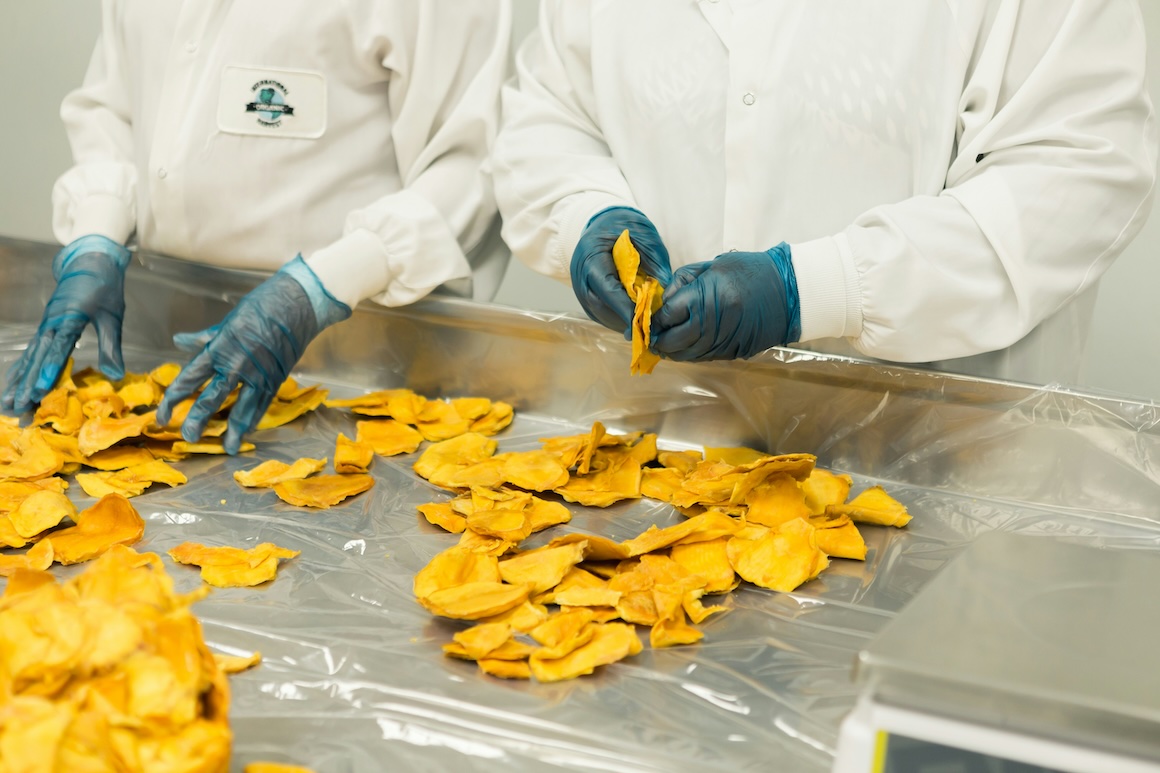
Food recalls take place when regulatory bodies and/or food manufacturers deem food unsafe to eat due to contamination or mislabeling of ingredients. Over the past few years, more recall notices have popped up in the news. This is more than the American public has seen before, and they have caused much alarm. Some of the most recent ones involve cheese potentially contaminated with listeria, heat-damaged milk that may spoil early and pet food potentially contaminated with Salmonella. While it might be concerning that there are more recalls announced now, the more you know about them can help you stay prepared…

Radio frequency (RF) signals are a cornerstone of modern technology, enabling wireless communication, data transfer and sensing applications across a wide range of fields and tasks. A Cornell Tech-led research group is in the early stages of developing a portable, inexpensive device that uses radio frequency signals and machine learning for another important job: measuring lead contamination levels in soil. The lab of Rajalakshmi Nandakumar, assistant professor at the Jacobs Technion-Cornell Institute at Cornell Tech, has developed SoilScanner, which sends radio waves of different frequencies from an RF transmitter, through a soil sample to an RF receiver, which reveals the…
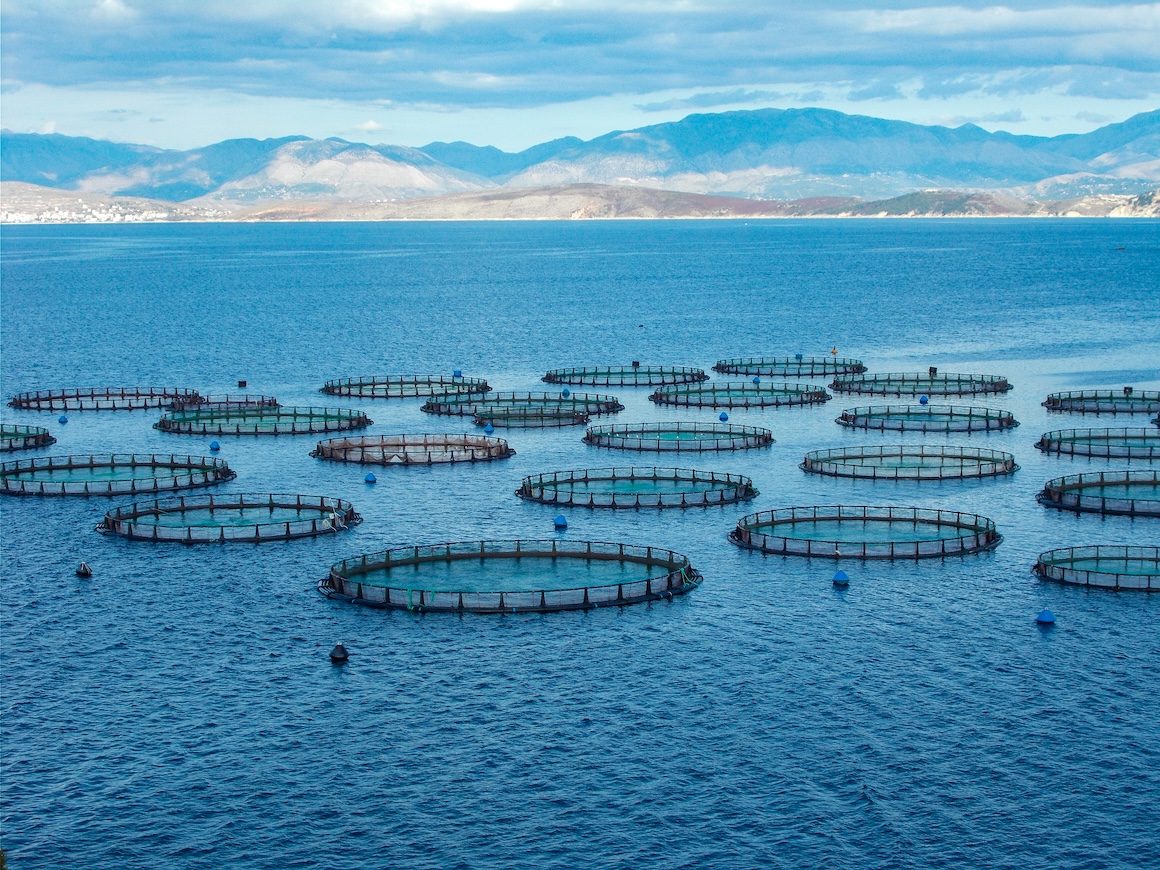
Let’s all agree on something: birds are great, but not when they’re pooping on our stuff. Obviously, this is true when it comes to windowsills, windshields and birthday parties at the park. But there are two places where our feathered friends are especially unwelcome: the burgeoning industry of water-based floating solar panel sites, and the many pools that make up the fish-farming industry. Here, birds can cause all kinds of trouble, by decreasing solar panel efficiency due to a hearty layer of poop, and by eating fish farmers’ livestock — which is problematic for both the farmers and the livestock…
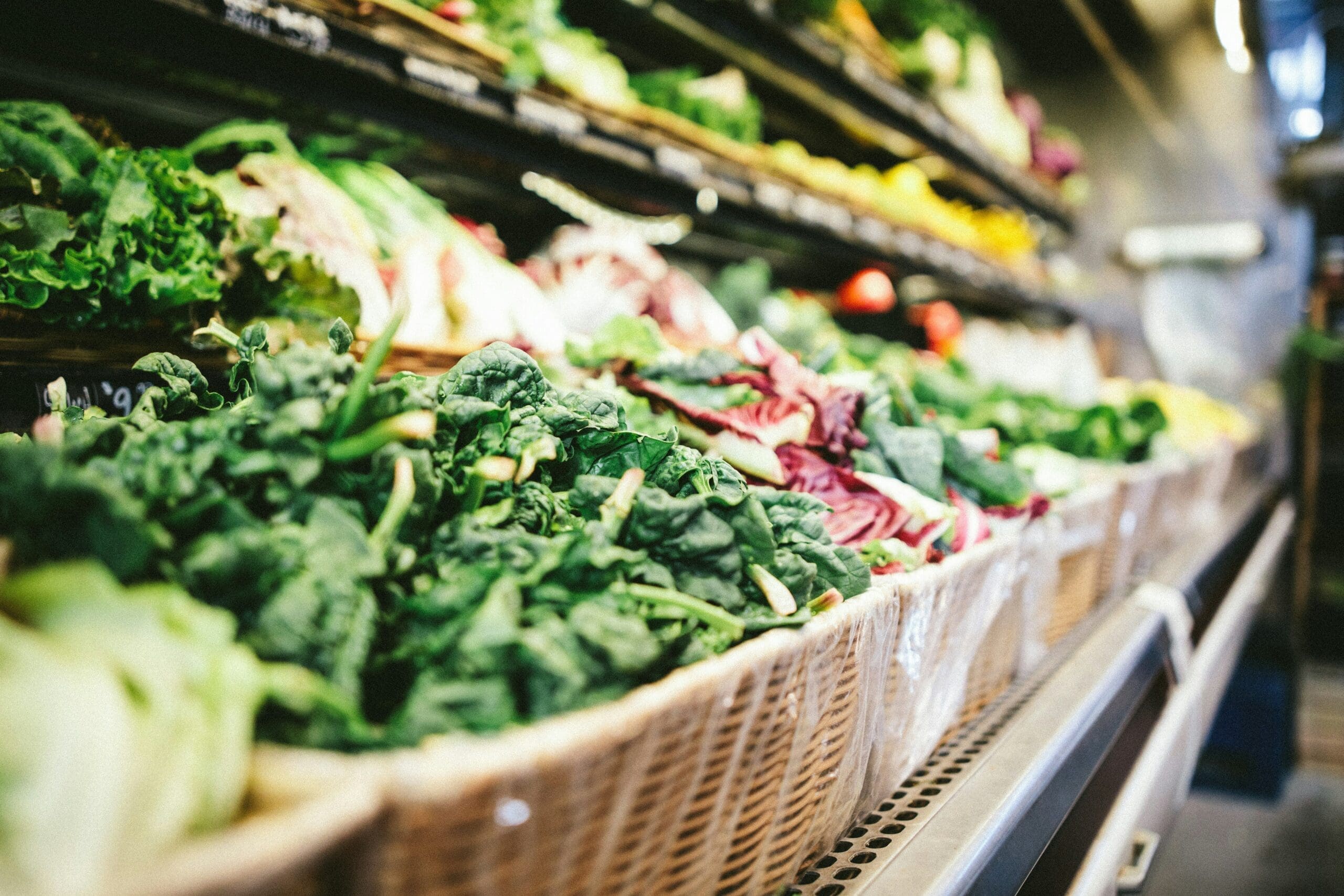
Food recalls due to bacteria contamination reached their highest levels within five years in 2024, driven by a surge of recalls from the germs Listeria monocytogenes and Salmonella. There have been 154 recalls filed with federal food regulators due to contamination from the “big three” pathogens—E. coli, Listeria and Salmonella—as of Dec. 30, up from 87 recalls in 2023 and the highest number since 165 recalls in 2019, according to data provided to ConsumerAffairs by law firm Food Industry Counsel. Listeria and Salmonella recalls hit their highest levels since 2019 and 2018, reaching 80 and 61 recalls, respectively. A combination…

Even matter ejected by black holes can run into objects in the dark. Using NASA’s Chandra X-ray Observatory, astronomers have found an unusual mark from a giant black hole’s powerful jet striking an unidentified object in its path. The discovery was made in a galaxy called Centaurus A (Cen A), located about 12 million light-years from Earth. Astronomers have long studied Cen A because it has a supermassive black hole in its center sending out spectacular jets that stretch out across the entire galaxy. The black hole launches this jet of high-energy particles not from inside the black hole, but…

An experimental setup built at the Technion Faculty of Physics demonstrates the transfer of atoms from one place to another through quantum tunneling between optical tweezers. Led by Prof. Yoav Sagi and doctoral student Yanay Florshaim from the Solid State Institute, the research was published in Science Advances. The experiment is based on optical tweezers—an experimental tool for capturing atoms, molecules, and even living cells using an optical potential created by laser beams focused on a micron-sized spot. How is this possible? The interaction of light with matter generates a force proportional to the intensity of the light. This force…

Two AI-based startups in Israel are joining forces to combat the pests and diseases that destroy up to 40 percent of all food grown globally. Fermata uses cameras and artificial intelligence to monitor crops as they grow and automatically detect problems. yieldsApp translates that data into tailored recommendations, crop by crop, field by field, to maximize yields for the grower. The two companies have now announced a partnership that will merge their technologies and, they say, provide a “comprehensive farm management solution,” detecting problems and providing precise solutions. Farmers will receive “personalized, real-time insights that ensure crops get the right…