Something Fresh in the State of Denmark
October 06, 2026














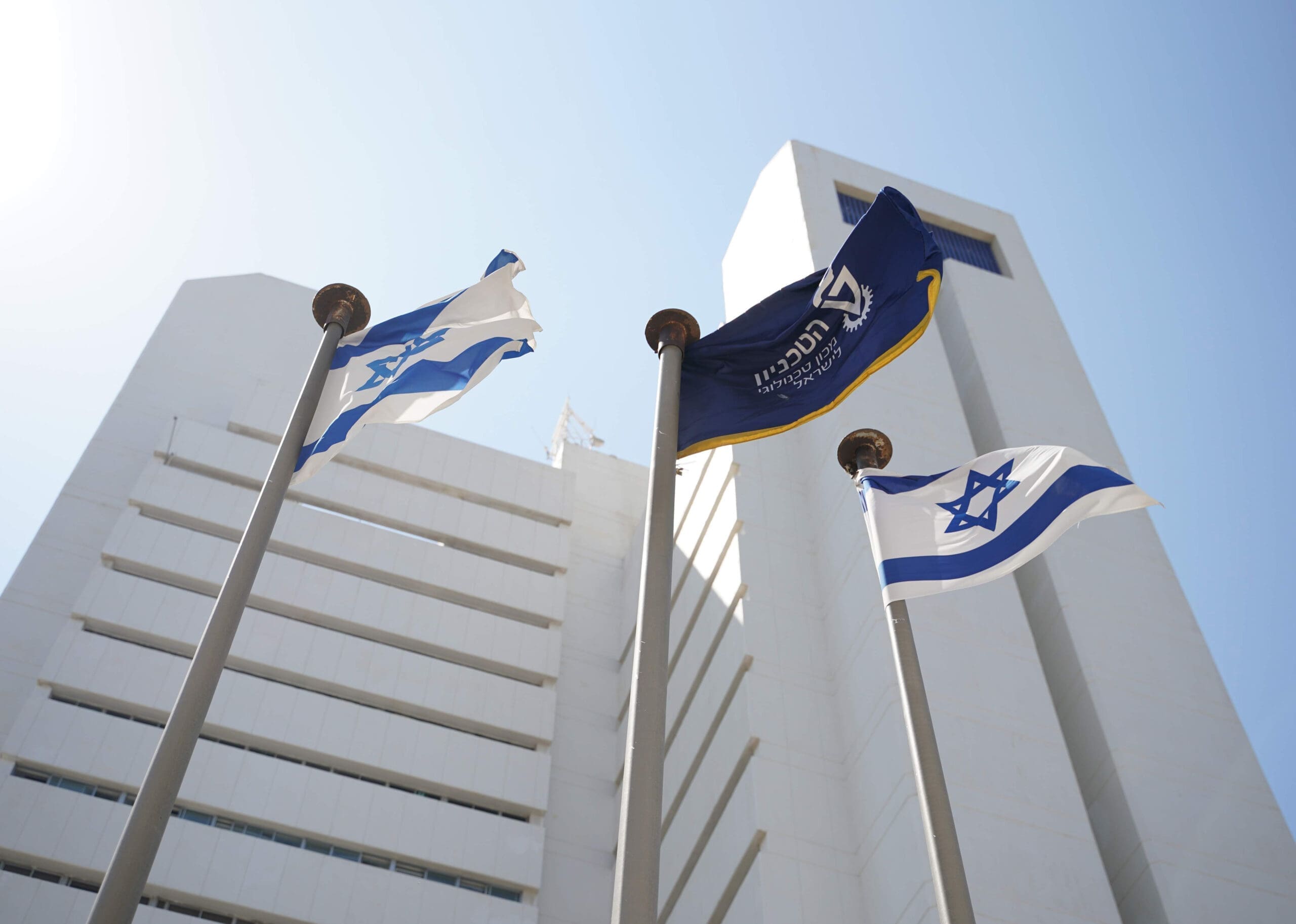


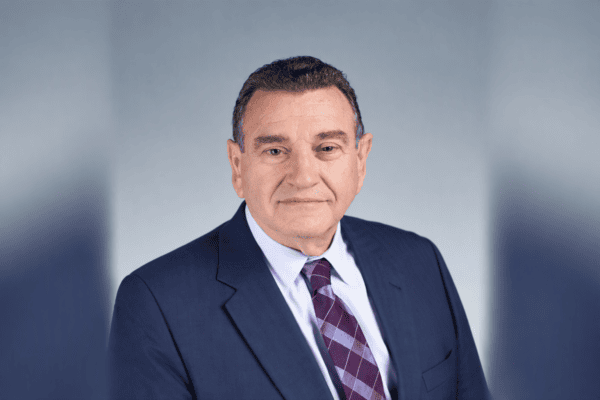




The Technion’s story has been intertwined with Israel’s for more than a century, from laying the foundations for a new nation to shaping its future.
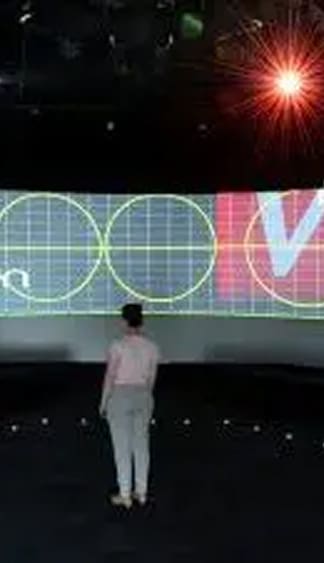
Step inside Israeli innovation at the David and Janet Polak Visitors Center. Experience our 360° immersive movie and tech exhibition. Open to individuals and groups.
Learn More

Researchers from the Technion’s Material Topology Research Lab have unveiled TreeSoil, a 3D-printed earthen structure designed to protect young trees and foster early growth in degraded environments. Fabricated using WASP’s LDM XXL extrusion system mounted on a KUKA KR50 robotic arm, each TreeSoil module is built layer by layer from locally sourced soil, then naturally dried and assembled on-site without adhesives. Drawing inspiration from ancient agricultural methods that shaped soil and stone to shelter crops, TreeSoil applies computational design to reimagine these techniques for modern ecological restoration. The project’s interlocking brick geometry allows for modularity, easy on-site assembly, and strong…
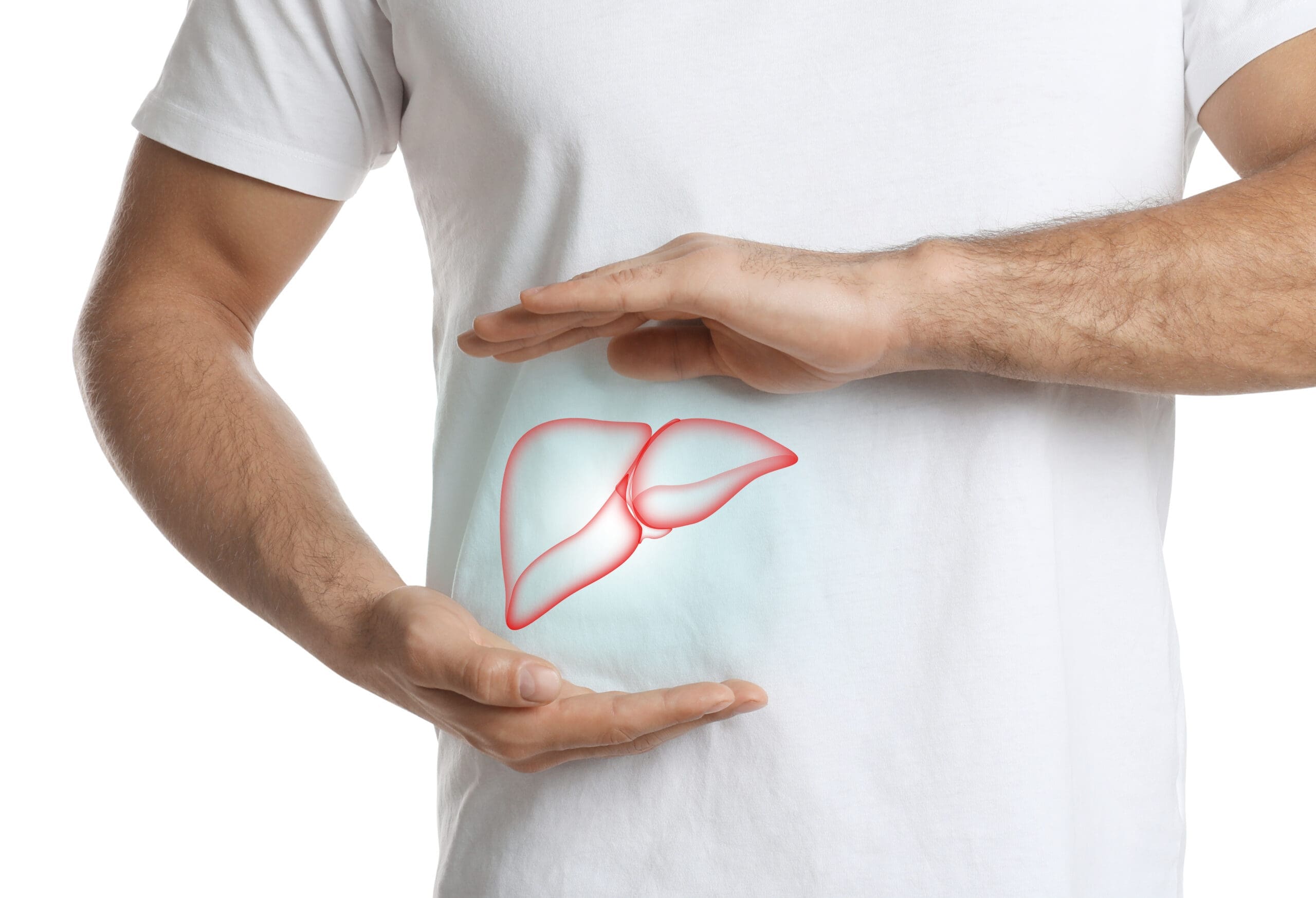
Pigs have long carried a bad reputation. They are often described as dirty, greedy animals that eat everything in sight and spend their days lying around. In reality, none of these stereotypes are true. Pigs are intelligent, have a highly developed sense of smell, and like to stay clean. They often roll in mud, not because of laziness but to cool down and protect themselves from parasites. But there is another, far more important fact about pigs: they are now at the center of a medical revolution that could transform the future of organ transplantation. With demand for donor organs…
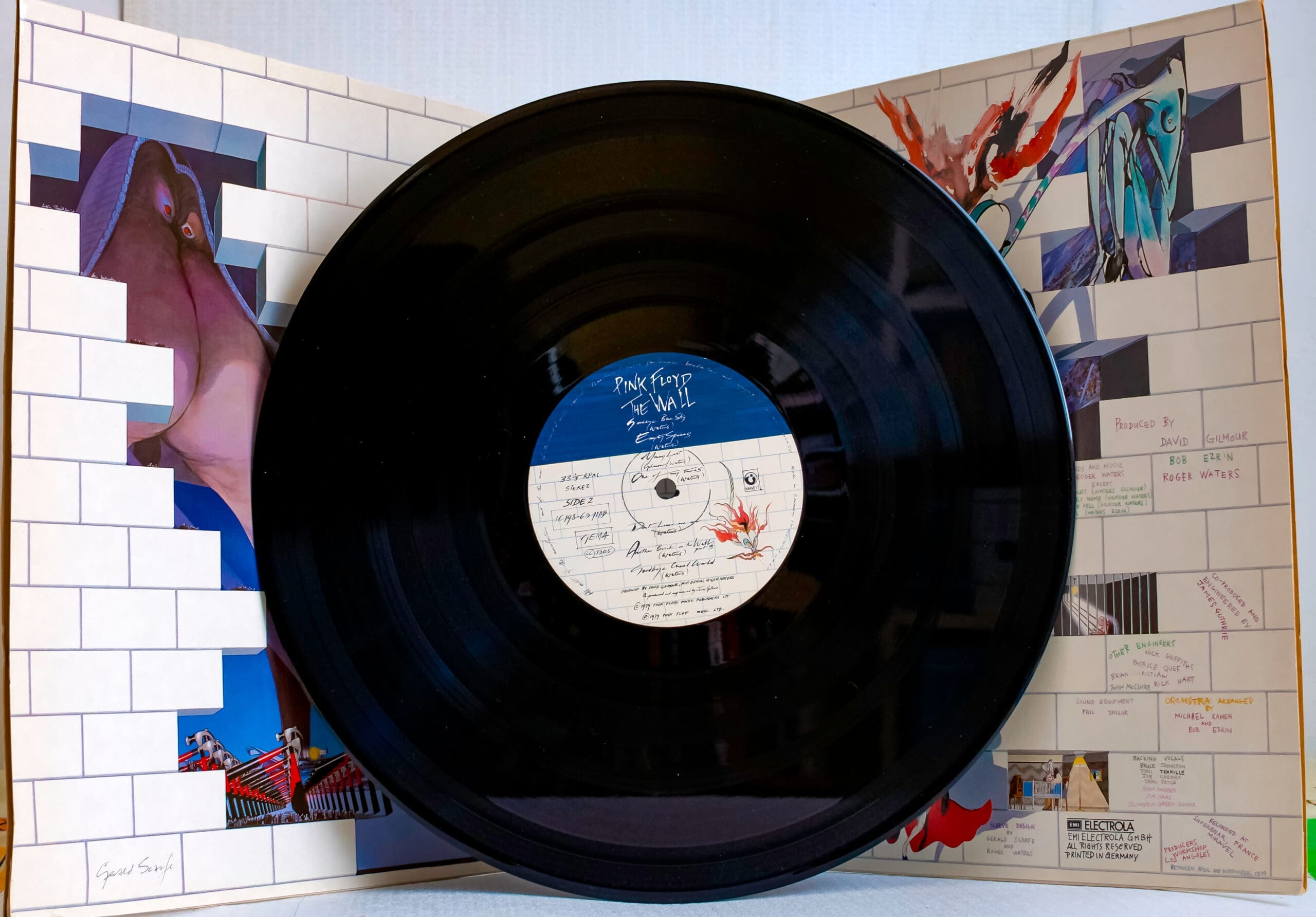
Their music is one of the most influential examples of mind-altering psychedelic rock. But scientists say listening to Pink Floyd really does have an effect on your brain cells – and could make them more susceptible to future treatments for Alzheimer’s and Parkinson’s. The surprising finding comes from a study in which researchers played the band’s 1979 hit, Another Brick In The Wall, and monitored the impact it had on brain cells in humans and mice. They found the low-frequency sounds in the song made cells ‘vibrate’ and caused certain parts of the brain to ‘light up’, indicating greater activity,…

Scientists at the Technion – Israel Institute of Technology have developed a smart biological adhesive that could change the way wounds are treated and surgeries are performed. The new material, which mimics the natural sticking ability of mollusks on wet surfaces, can bond to tissues within seconds and safely biodegrade inside the body. For decades, surgeons have relied on stitches and metal staples to close incisions and stop bleeding. While effective, these methods are invasive, painful and can lead to infections. The Technion’s breakthrough offers a less invasive, more tissue-friendly alternative. The development, patented and recently published in the scientific…

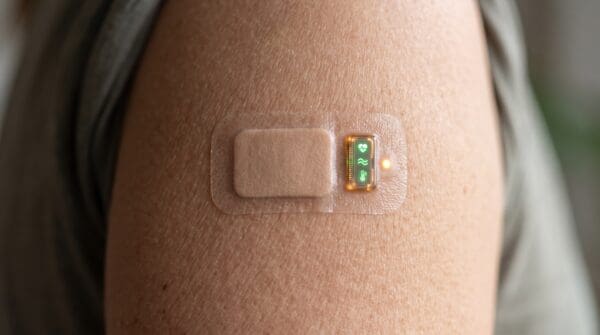
A groundbreaking wearable device is set to change how diabetes is managed through personalized, real-time care. Developed by researchers in Israel and China, the microneedle-based system offers a new level of patient support. It lets doctors and patients track disease markers and medication levels at the same time, without drawing blood. The device works in real time and is painless, providing critical health data through the skin’s interstitial fluid. Professor Hossam Haick of the Technion-Israel Institute of Technology led the research with Sun Yat-sen University colleagues. Their findings were recently published in the scientific journal Nature Communications, highlighting the system’s…

Dr. Eyal Orion did not dream of being an entrepreneur, certainly not a serial entrepreneur. He knew little about economics or entrepreneurship. By the age of 30, he had not yet decided what he truly wanted to do in life. Even while on a seemingly safe path at the Technion’s medical school, doubts about whether medicine was the right choice never gave him any rest. Today, nearly two decades later, he is one of the most prominent figures in Israel’s medical device industry. He spent his childhood in Ramat Efal as one of four siblings. His parents still live in…

Astronomers call a special kind of supernova a “cosmic yardstick” for good reason: The so-called Type Ia supernova gives off a predictable amount of light, making it a handy tool for measuring distances in space. These particular supernovas are useful but still puzzling, with scientists still unsure of what triggers their blasts. NASA estimates they happen only twice per millennium in the Milky Way. A leading idea has been that in an orbiting pair of white dwarfs — the remains of dead sun-size stars — one bursts apart almost immediately, while the other survives, perhaps hurtling away at breakneck speed…

White dwarfs — the superdense, slowly cooling embers left behind when stars like our sun die — are usually quiet cosmic relics. A rare few, however, are anything but. In recent years, astronomers analyzing data from the European Space Agency’s Gaia spacecraft identified a handful of white dwarfs hurtling through the Milky Way at breakneck speeds of up to 1,240 miles per second (2,000 kilometers per second). That’s fast enough to zip from New York to Los Angeles in under two seconds — and to escape the galaxy entirely. These so-called hypervelocity white dwarfs have puzzled astronomers since their discovery…
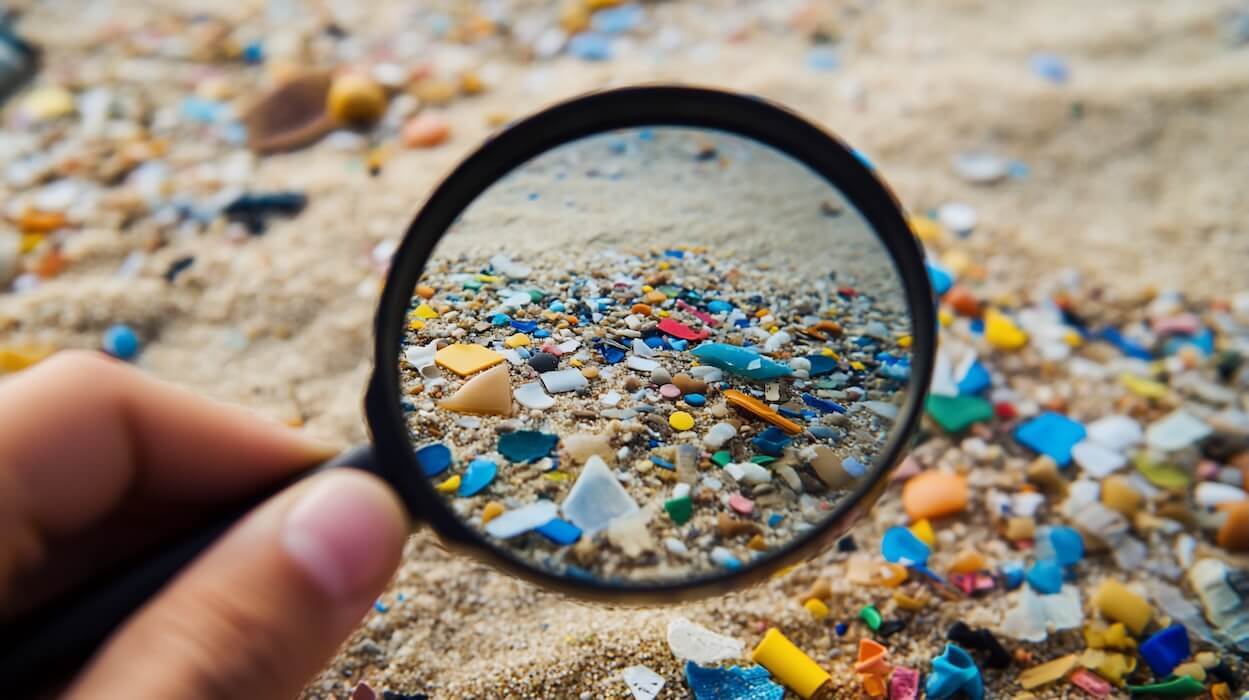
Wash — and learn. “The next time you’re using a tumble dryer, take a look at the lint catcher,” materials scientist Joshua Grolman told The Post. “All of this debris is what we breathe in on a daily basis.” Microplastics are ubiquitous, found in everything from toys and cosmetics to cleaning products and clothing. They’re in the air we breathe, the food we eat and the water we drink and swim in. These particles, which slough off larger plastic, are suspected to harm reproductive, digestive and respiratory health, potentially leading to infertility, colon cancer and lung problems. Joshua Grolman is…

A potentially game-changing construction material under development at the Technion – Israel Institute of Technology utilizes microorganisms, rather than cement, to bind sand particles together, while also absorbing atmospheric carbon dioxide that contributes to global warming. According to the UN Environment Program, the construction industry accounts for a whopping 37 percent of global warming emissions. The Technion’s interdisciplinary project CyanoGems utilizes microorganisms that photosynthesize, meaning they use sunlight to create food from carbon dioxide and water. During photosynthesis, carbon dioxide is removed from the atmosphere and oxygen is emitted.

A breakthrough in clean energy could unlock affordable, industrial-scale green hydrogen. For the first time, scientists have determined how to scale up decoupled water electrolysis, a technique that produces green hydrogen without carbon emissions or expensive hardware. This method could be a game-changer in how hydrogen is made, stored, and used across various energy-intensive industries. Traditional hydrogen production relies on dirty energy, releasing tons of pollution. Green hydrogen, by contrast, is made by splitting water with clean energy like solar or wind, but current technologies struggle to scale due to cost and instability. Conventional electrolysis uses membranes to separate hydrogen…

Lola Ben Alon is Assistant Professor at Columbia University’s Graduate School of Architecture, Planning and Preservation – where she directs both the Natural Materials Lab, and the Building Technology curriculum. Her work has been exhibited in some of the most prestigious museums and events in the field of architecture and design; she curates and serves […]