Why the Perfect Pitch is Your Biggest Mistake
September 23, 2026

















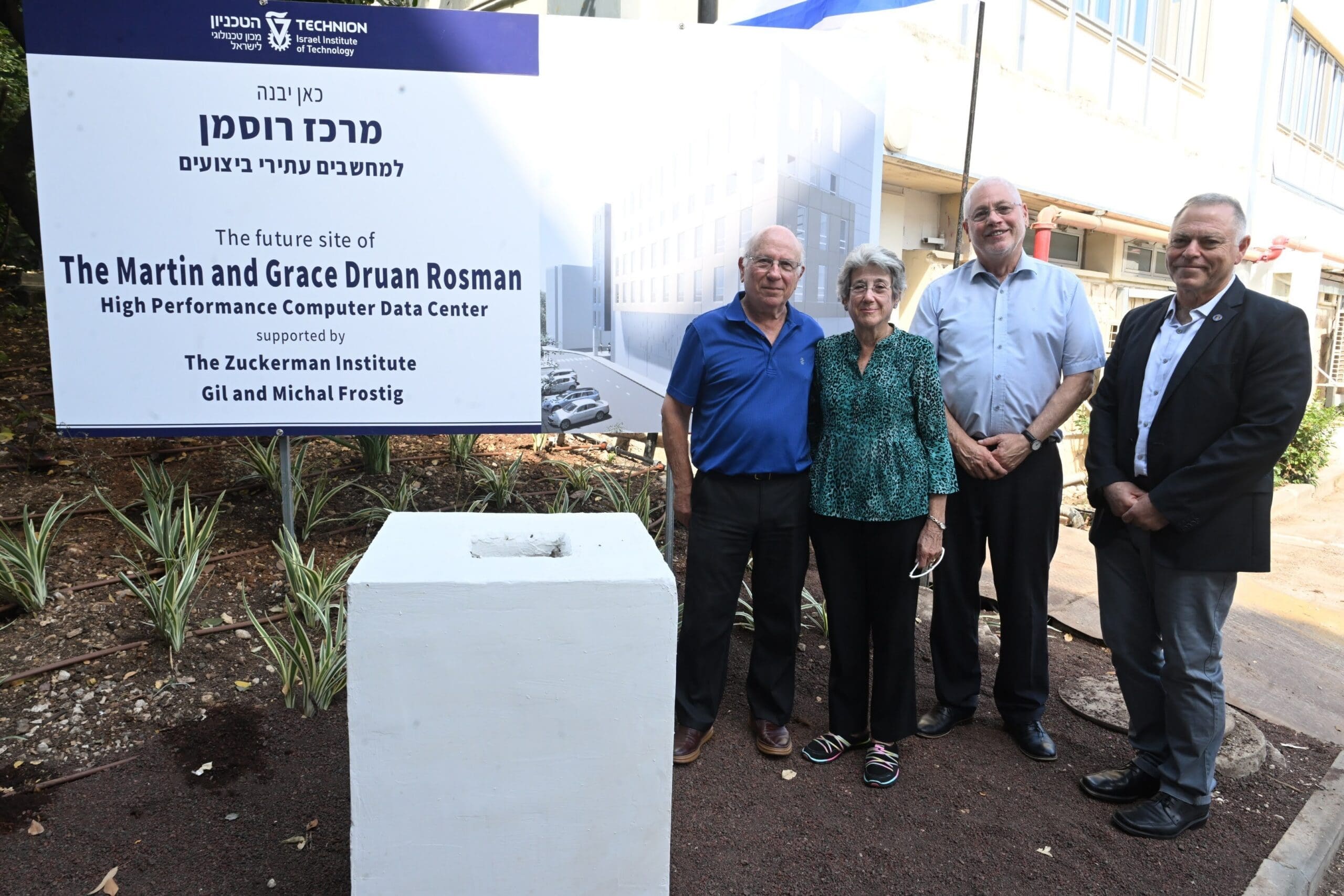





The Technion’s story has been intertwined with Israel’s for more than a century, from laying the foundations for a new nation to shaping its future.
Step inside Israeli innovation at the David and Janet Polak Visitors Center. Experience our 360° immersive movie and tech exhibition. Open to individuals and groups.
Learn More
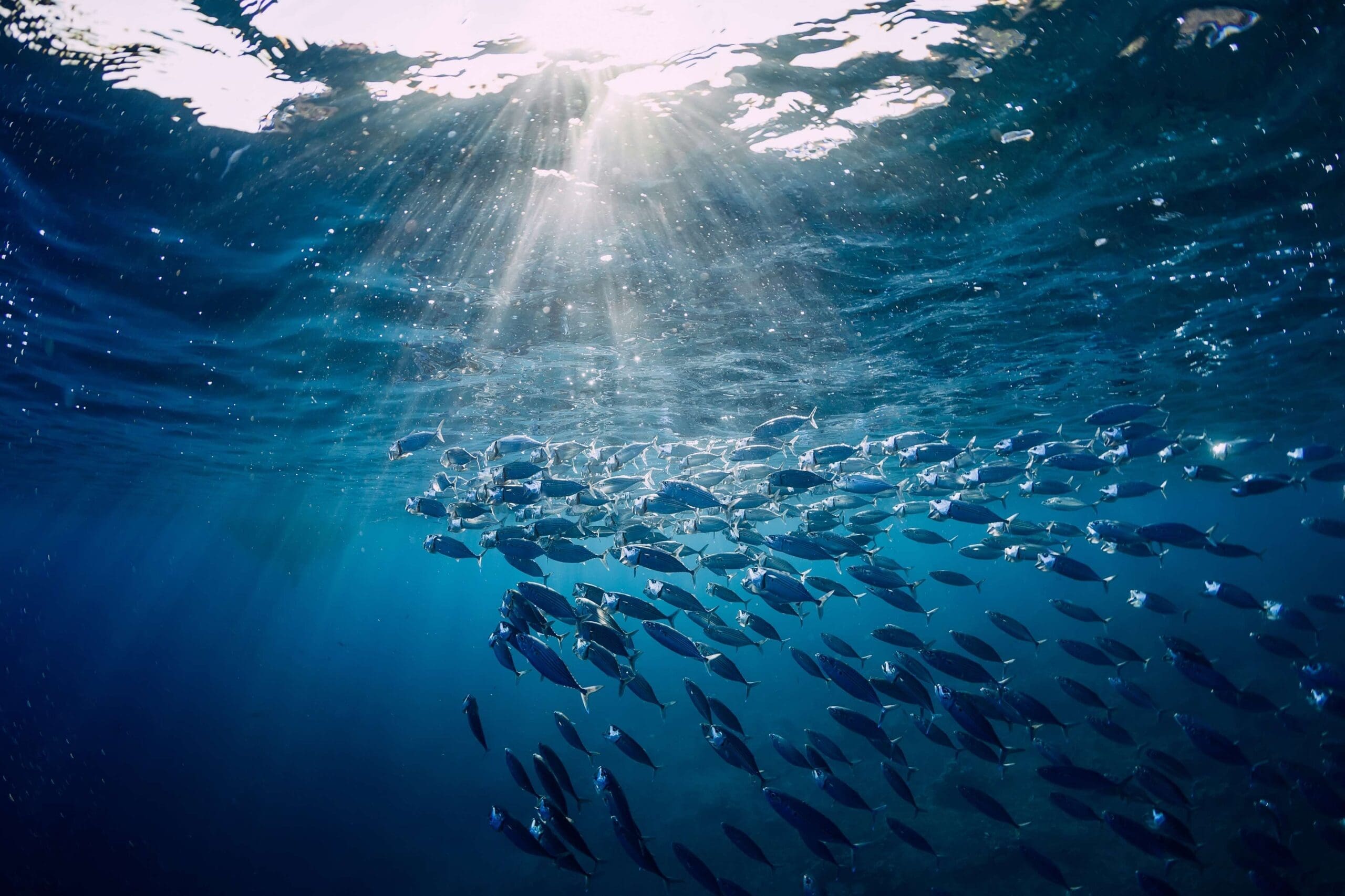
A new Israeli study shows that listening to the sounds fish make while eating can enable real-time monitoring, early detection of disease and more precise feeding in aquaculture ponds. The research will be presented on Tuesday at the International Sea The Future 2026 conference in Eilat, hosted by the Agriculture and Food Security Ministry and the Negev, Galilee and National Resilience Ministry. Contrary to the common perception of the underwater world as silent, it is in fact rich with sound. Marine environments are filled with communication signals between animals, noises created by movement and even sounds accompanying everyday activities such…
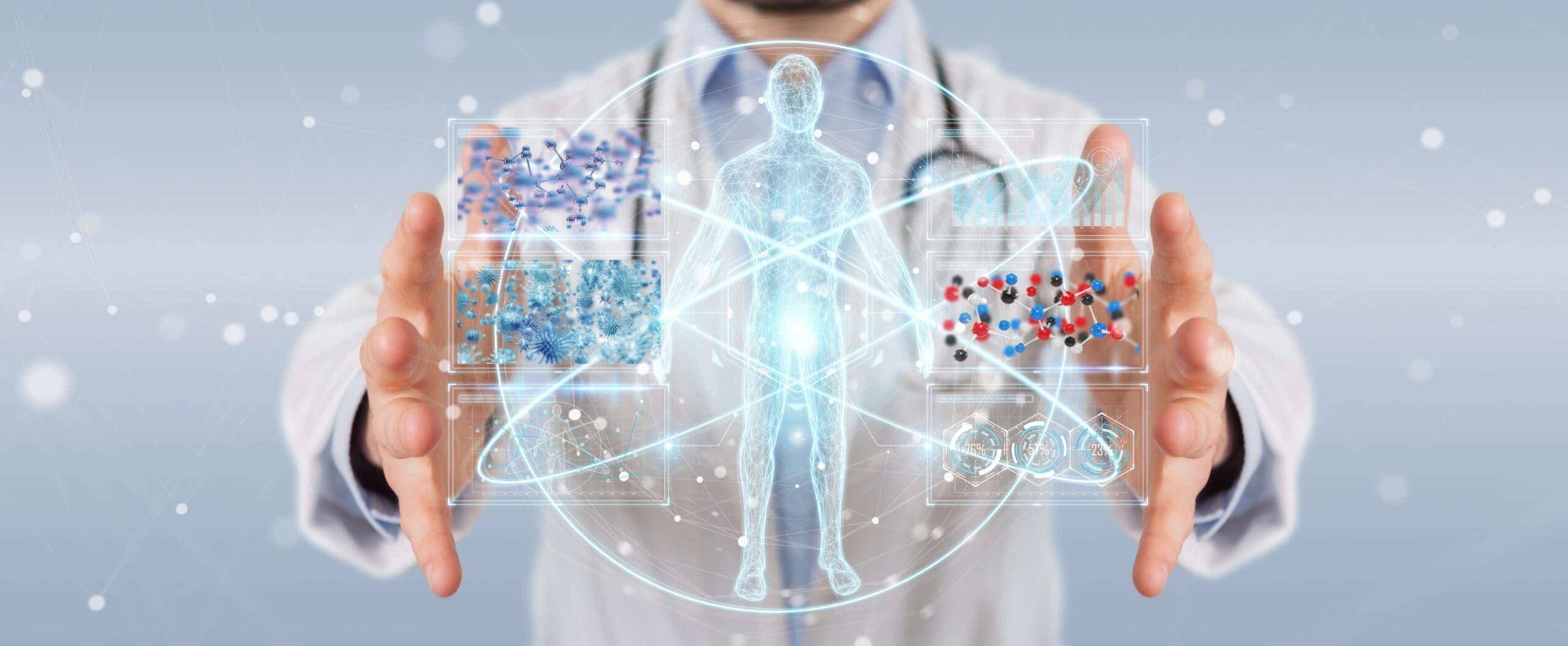
Israeli researchers have developed an innovative method that enables medicine to be manufactured within the body itself. The pioneering approach, not yet tested on humans, uses live, harmless bacteria that act like tiny factories, producing therapeutic proteins inside the body, exactly where they are needed. “We are accustomed to thinking that to introduce a drug into the body, it must be manufactured in a factory and then delivered via a capsule or an injection,” said Prof. Boaz Mizrahi of the Technion – Israel Institute of Technology’s lab for biomaterials in the Faculty of Biotechnology and Food Engineering. “This could be…
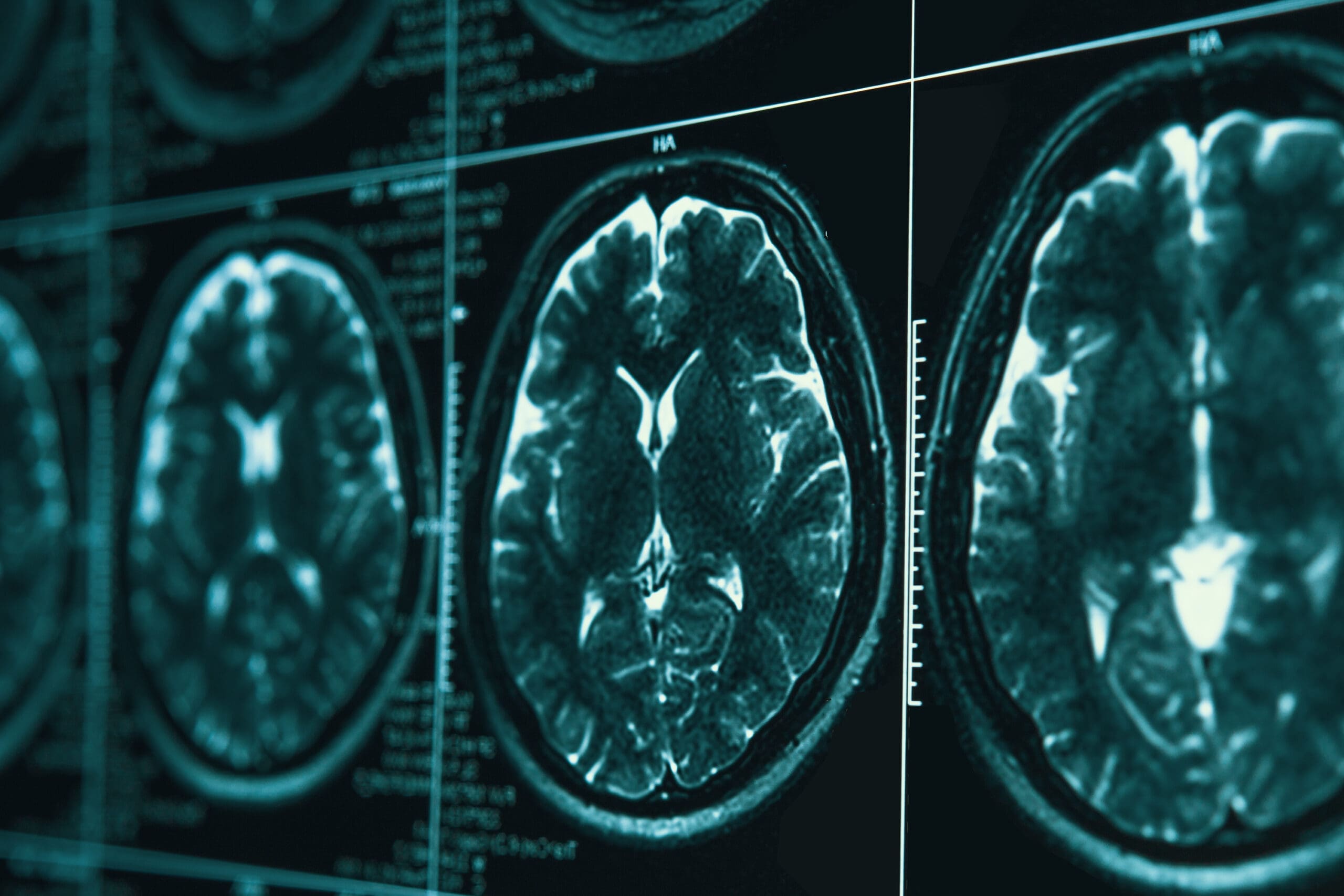
In a surprising discovery, researchers at the Technion – Israel Institute of Technology have found that a cellular system tasked with disposing of toxic proteins—crucial in preventing Alzheimer’s disease—may actually be helping the disease spread across the brain. The study, led by Professor Michael Glickman, dean of the Technion’s Faculty of Biology, and postdoctoral researcher Dr. Ajay Wagh, reveals that, instead of breaking down defective proteins inside the cell, neurons may be pushing this “trash” into surrounding brain tissue. Their findings were published recently in the journal Proceedings of the National Academy of Sciences (PNAS). At the heart of the…

Over the past decade, there has been a growing understanding that we need to rethink not just how we build the structures of the future, but from what materials we build them. The main reason is that the construction industry is one of the world’s leading sources of environmental pollution. Cement production—the most widely used building material—alone accounts for roughly 8% of global carbon emissions. In response, science and technology are advancing to develop alternative, sustainable building materials with lower carbon footprints, often based on recycled resources while preserving strength and quality. As part of a joint initiative by researchers…
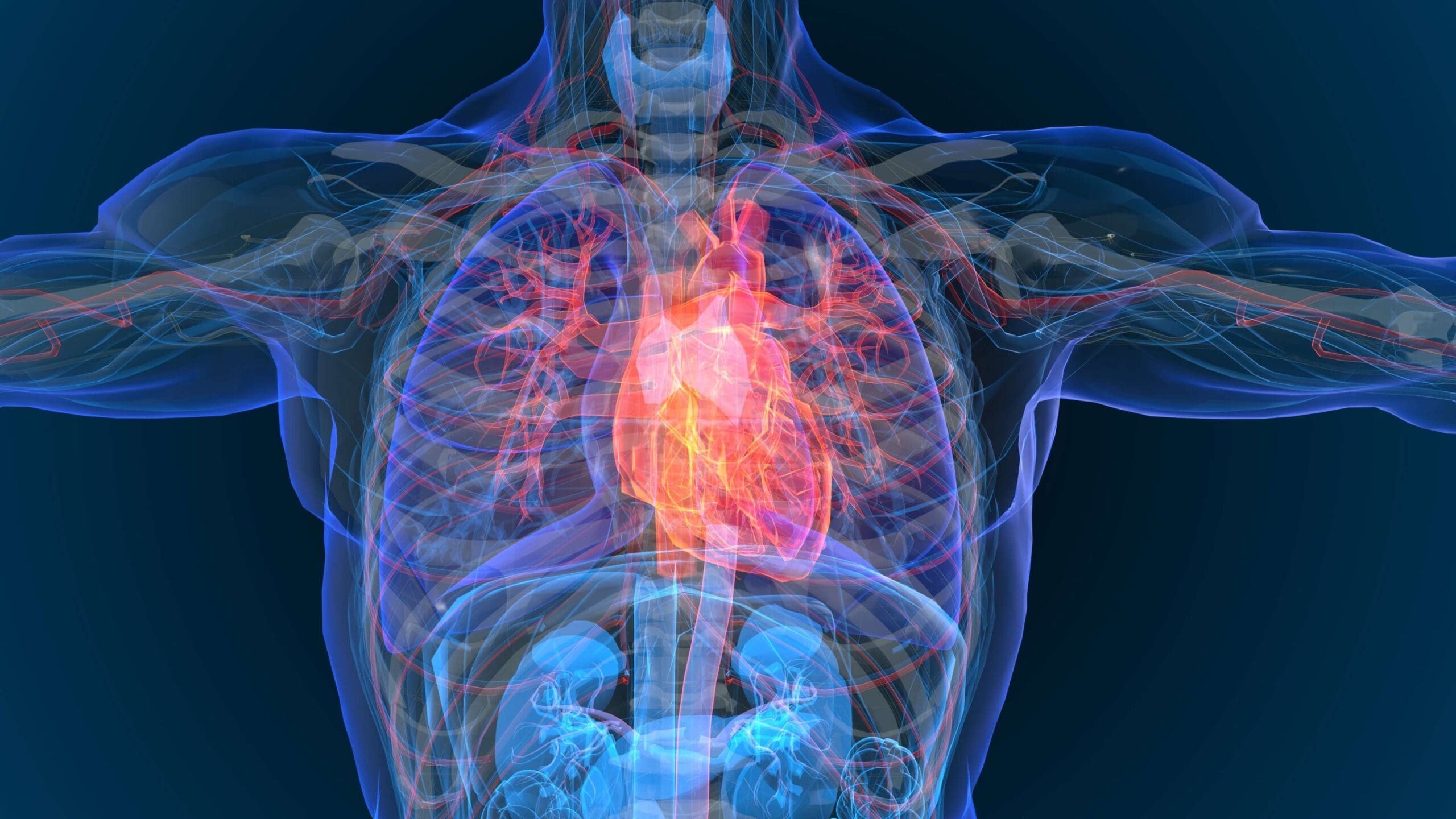
A discovery by Prof. Ami Aronheim and his team at the Technion–Israel Institute of Technology shows that the growth of cancerous tumors may actually combat cardiac dysfunction and reduce fibrosis, the scarring process that stiffens the heart muscle. “The failing heart can beat much better in the presence of cancer cells or a tumor,” said lead investigator Aronheim, dean of the Technion’s Ruth and Bruce Rappaport Faculty of Medicine, speaking to The Times of Israel. “This is very surprising,” Aronheim said. Currently, no drugs exist that can reverse fibrosis or improve the heart muscle once it has been damaged, he…

We’re in the thick of the holiday shopping season, and U.S. residents are expected to shatter the spending record again this year. The National Retail Federation forecasts that 2025 will be the first time we collectively spend more than $1 trillion on year-end gifts. A lot of materials, energy, packaging and gasoline have gone into making and moving those gifts. All of those processes release planet-warming gases into the atmosphere. But a lot of that environmental impact is avoidable. Making, baking, thrifting and avoiding traditional wrapping paper are all more planet-friendly ways to give. We’ve got tips on how to…
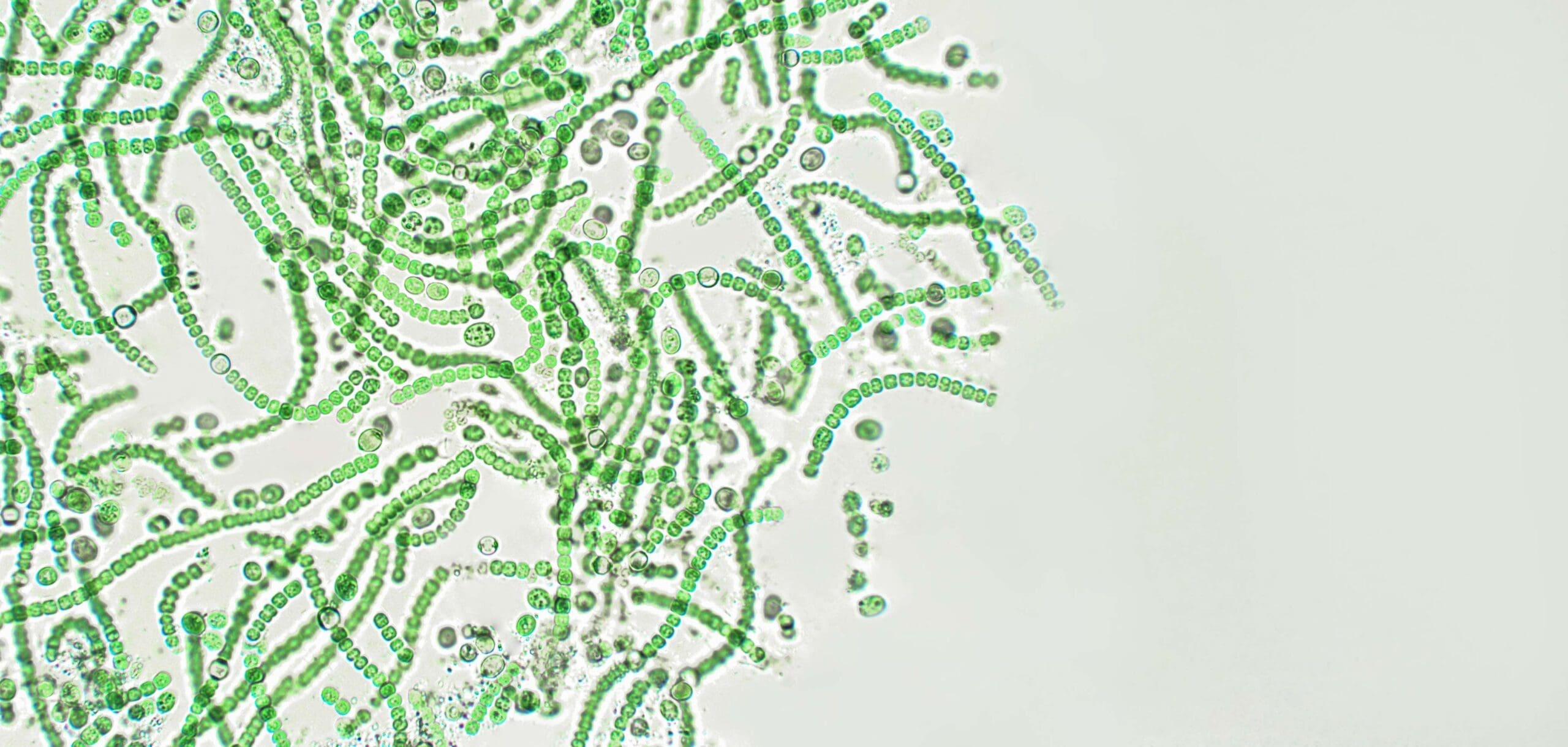
Marine viruses deploy a sophisticated Trojan horse maneuver that enables them to dismantle the energy systems of ocean bacteria and use the breakdown products for self-replication. This finding comes from a study conducted at the Technion Faculty of Biology published in Nature. The article is the result of a unique collaboration among three faculty members, Prof. Debbie Lindell, Prof. Oded Béjà, and Prof. Oded Kleifeld; and three young researchers — Dr. Omer Nadel, Dr. Rawad Hanna, and Dr. Andrey Rozenberg. Tiny cyanobacterial cells that live in the oceans play a crucial role in the global ecosystem, as they carry out photosynthesis to produce…
A technology developed in the laboratory of Prof. Amit Meller from the Technion—Israel Institute of Technology Faculty of Biomedical Engineering marks a significant advancement toward rapid proteome analysis, with far-reaching implications for both fundamental research and disease diagnosis. A 2023 Nature opinion article identified the seven most important emerging technologies to watch—with single-molecule protein sequencing taking the top spot. The article highlighted the pivotal contributions of Prof. Meller’s research group in advancing key technologies toward the commercialization of protein sequencing systems, paving the way for a true revolution in biological and medical research. Since proteins are the body’s fundamental building blocks, their rapid and…

Dr. Yael Pilowsky Bankirer is a psychoanalyst and a poet, based in Cambridge, UK. She is a medical doctor and holds a Ph.D. in gender studies and psychoanalysis. Yael is a member of the Site for Contemporary Psychoanalysis in London, and a co-editor of Sitegeist — a journal of psychoanalysis and philosophy. This new episode […]

Researchers from the Technion’s Material Topology Research Lab have unveiled TreeSoil, a 3D-printed earthen structure designed to protect young trees and foster early growth in degraded environments. Fabricated using WASP’s LDM XXL extrusion system mounted on a KUKA KR50 robotic arm, each TreeSoil module is built layer by layer from locally sourced soil, then naturally dried and assembled on-site without adhesives. Drawing inspiration from ancient agricultural methods that shaped soil and stone to shelter crops, TreeSoil applies computational design to reimagine these techniques for modern ecological restoration. The project’s interlocking brick geometry allows for modularity, easy on-site assembly, and strong…
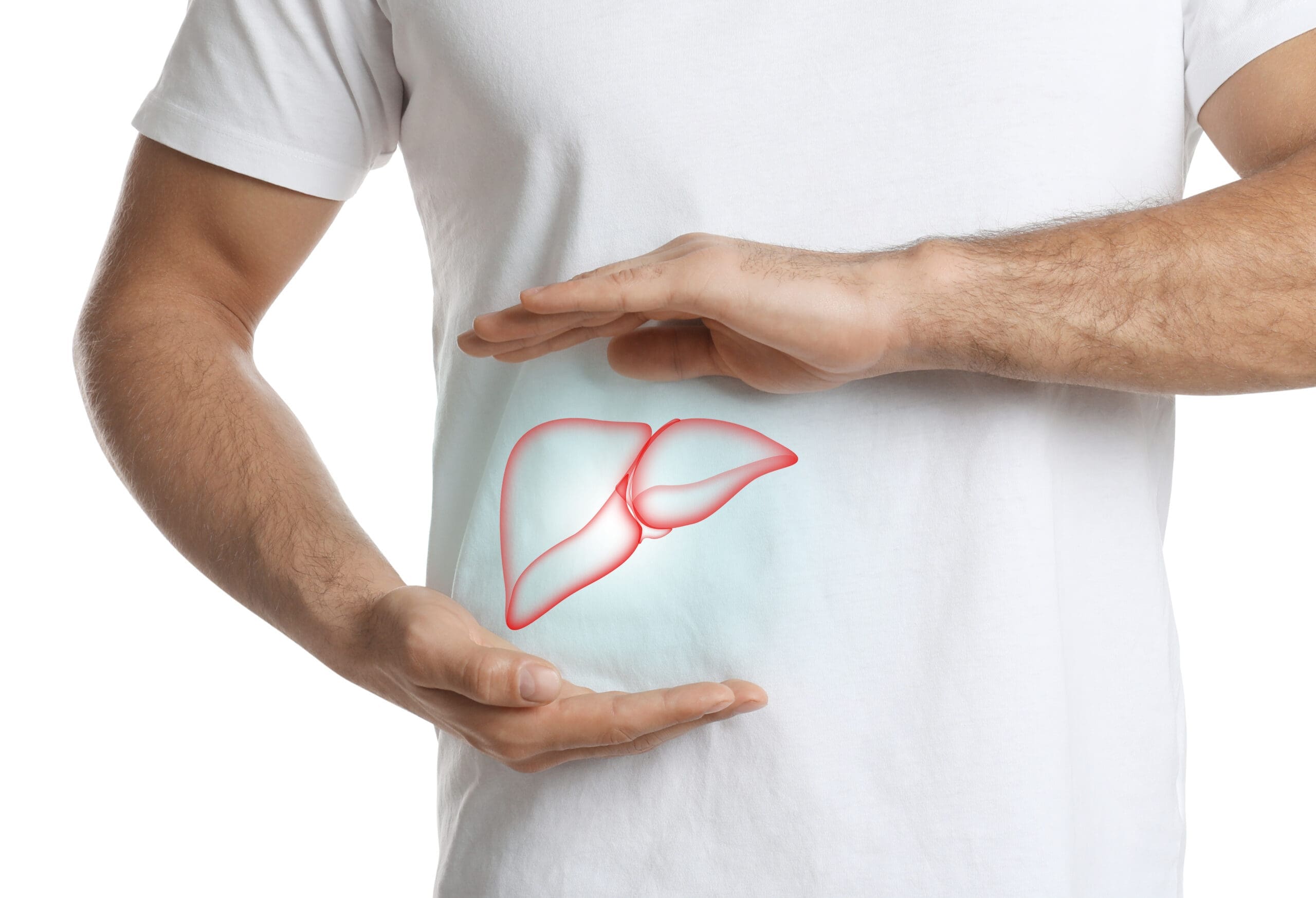
Pigs have long carried a bad reputation. They are often described as dirty, greedy animals that eat everything in sight and spend their days lying around. In reality, none of these stereotypes are true. Pigs are intelligent, have a highly developed sense of smell, and like to stay clean. They often roll in mud, not because of laziness but to cool down and protect themselves from parasites. But there is another, far more important fact about pigs: they are now at the center of a medical revolution that could transform the future of organ transplantation. With demand for donor organs…
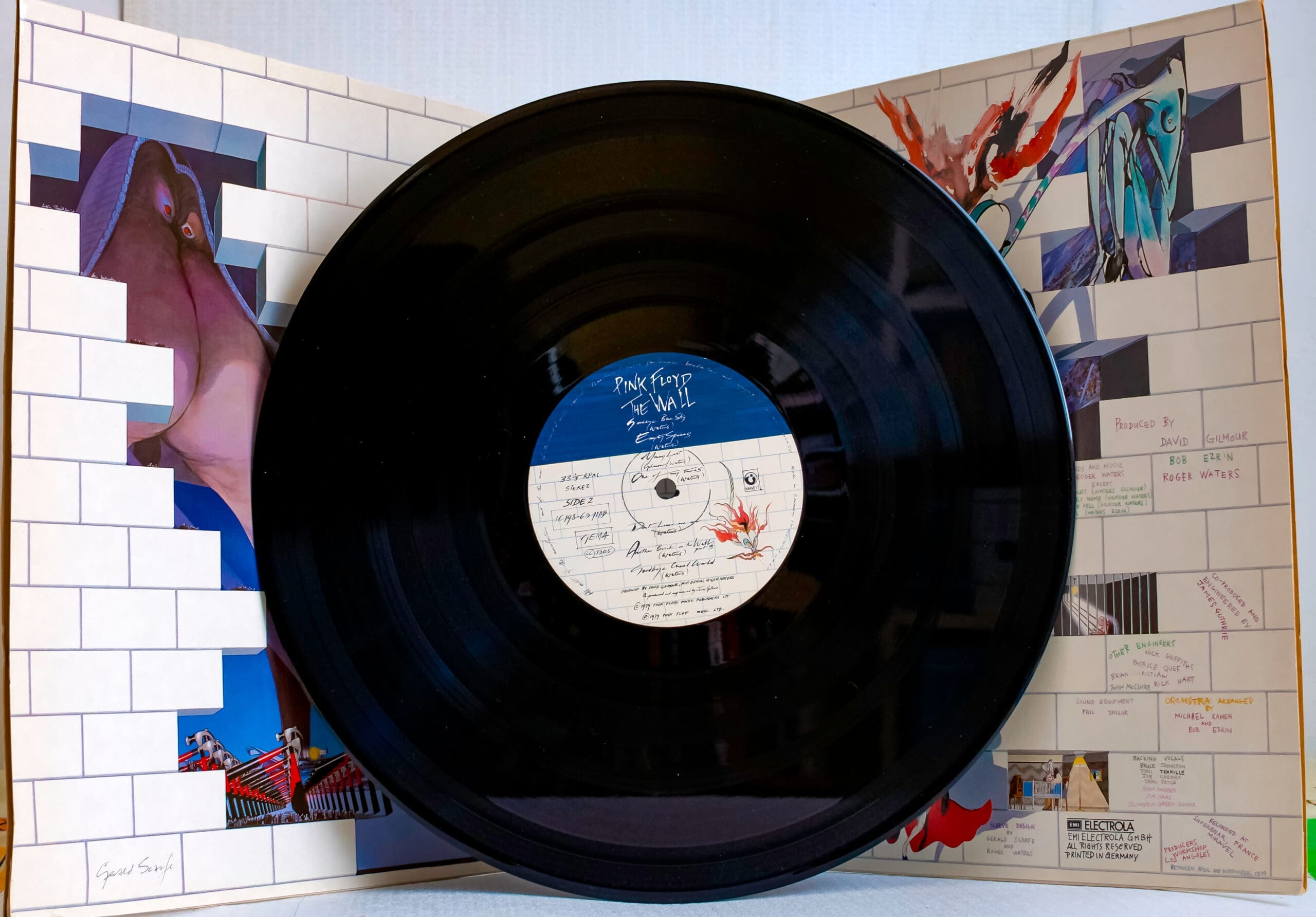
Their music is one of the most influential examples of mind-altering psychedelic rock. But scientists say listening to Pink Floyd really does have an effect on your brain cells – and could make them more susceptible to future treatments for Alzheimer’s and Parkinson’s. The surprising finding comes from a study in which researchers played the band’s 1979 hit, Another Brick In The Wall, and monitored the impact it had on brain cells in humans and mice. They found the low-frequency sounds in the song made cells ‘vibrate’ and caused certain parts of the brain to ‘light up’, indicating greater activity,…