Something Fresh in the State of Denmark
October 06, 2026





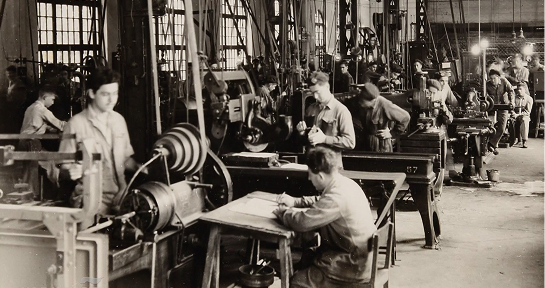
The Technion’s story has been intertwined with Israel’s for more than a century, from laying the foundations for a new nation to shaping its future.
Step inside Israeli innovation at the David and Janet Polak Visitors Center. Experience our 360° immersive movie and tech exhibition. Open to individuals and groups.
Learn MoreStudent Reservist Called Into Combat Twice in One Year
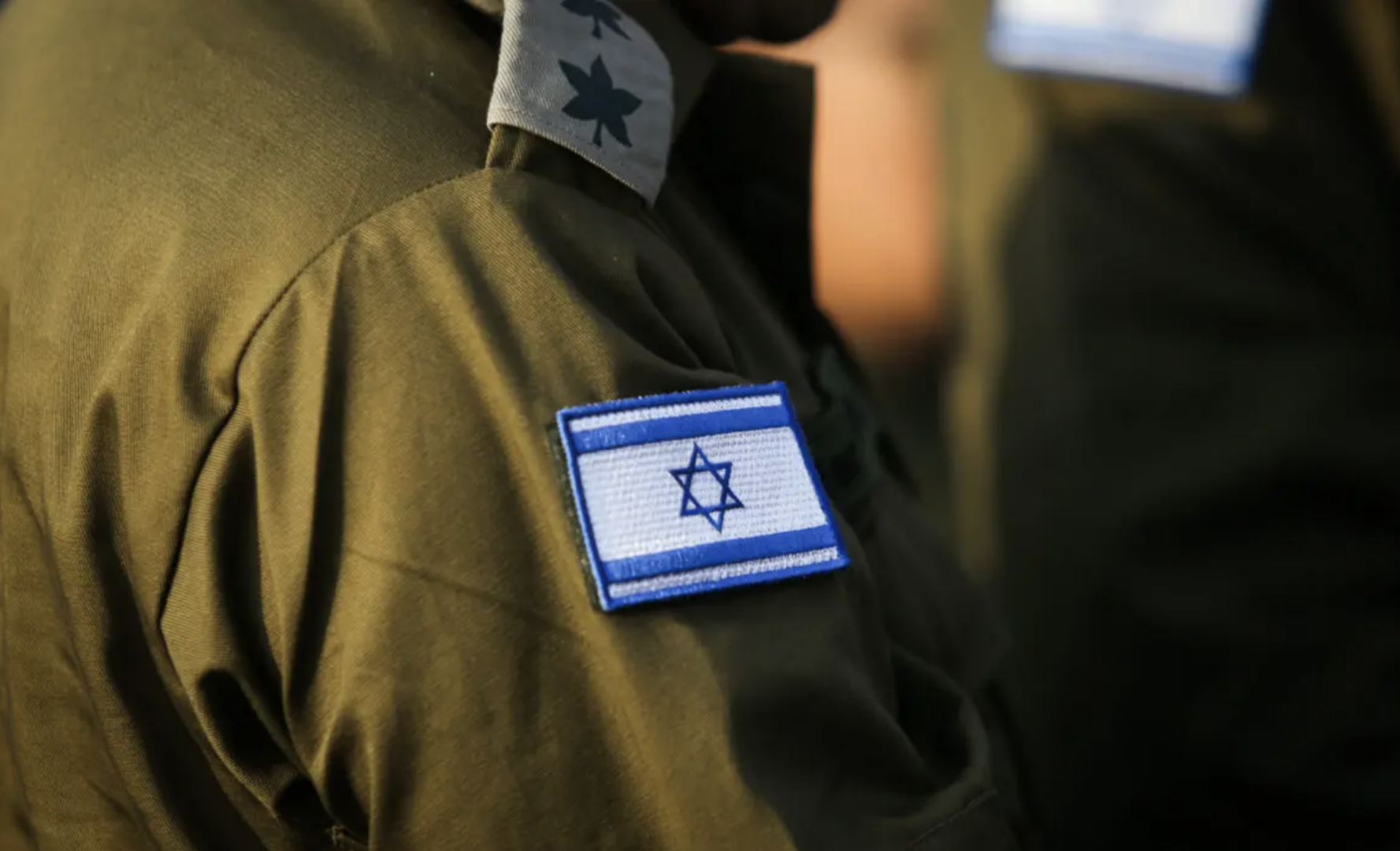
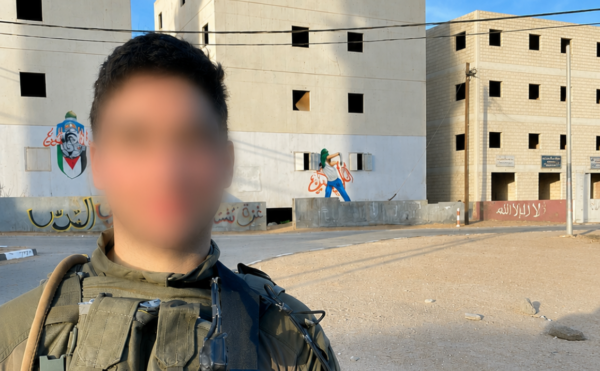
On October 7, 2023, D.S. was in his hometown of Kiryat Gat. “I was woken up by sirens. Living in the south, we’re used to it, but this time they didn’t end in 10 minutes. Sitting in the shelter, many texts on WhatsApp started to come up about terrorists infiltrating the country. I didn’t believe them. I didn’t think it was possible and thought they were just rumors.”
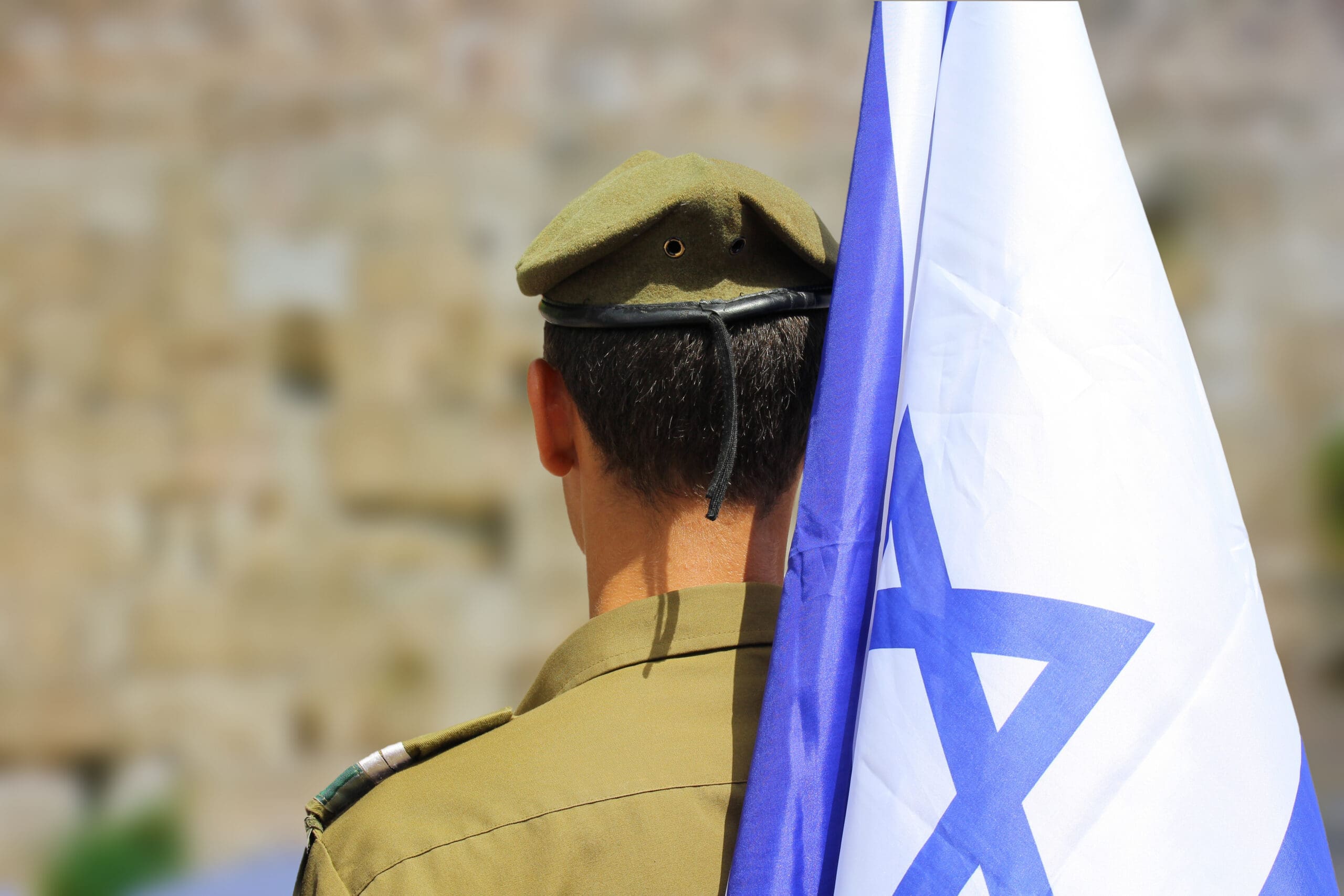
Later that day, D.S., a student studying electrical engineering and physics at the Technion, was ordered to his base and was sent to Samaria, where he served as a soldier during his regular IDF service. Initially he was disappointed, because he wanted to defend the south. But he understood that “each mission is meaningful; it has a purpose to defend citizens and our friends and family.”
After moving around a bit, his unit was stationed in Bat Hefer, a village east of Netanya. “Our mission was to protect the area and perform defensive operations in the refugee camps.” D.S. was a commander of a class of 10 soldiers in his infantry unit. He served for 132 days until the middle of February, but his unit was told they would be called up again.
Prior to the war, D.S. had already postponed his studies a year so he could work two days a week at Tower Semiconductors in the R&D department, designing and testing chips. Having missed about a month of the start of the academic year, he decided to prolong his degree by another semester.
“Professor Ayelet Fishman, the dean of students, helped me a lot during my reserve time. I spoke with her; I knew I couldn’t succeed starting the semester five weeks late. She understood that and made it possible for me to return to my apartment in the dorm, even though I wasn’t enrolled in that semester.”
After four months of living the war, coming back was a bit hard … Life continued without me.”
Student and Reservist D.S.
Like all returning reservists, D.S. received a stipend to cover his rent, made possible by the generous support of American and other donors from around the world. “The financial aid is always great, but the greatest benefit is the peace of mind it gives. It’s a relief from a major burden.”
The transition to becoming a soldier again was almost easier than the transition to returning to the Technion, D.S. explained. “After four months of living the war, coming back was a bit hard. Everyone here is studying, minding their own business, living their lives, like nothing changed here. Life continued without me.”
“I’m proud of myself for taking the decision not to study that semester. It really helped me.” He took some day trips and multiday hikes with friends and spent time with family. “I felt much better after my release from service by taking the time I needed,” he said.
Overcoming challenges is certainly nothing new for D.S. He chose to get a degree in two very demanding subjects. He enjoyed physics in high school, but it left him with many questions he hoped higher education might answer. He chose electrical engineering because he wants to create something that will serve society and make good use of his technical and math capabilities.
“By combining the two fields, I thought my questions might be answered, but instead I only have more questions,” he quipped.
Before starting his job at Tower, D.S. had planned on working full time in engineering after he graduates but is now considering a second degree at the Technion. He has found his work in R&D very satisfying and understands the importance of research in developing new technologies.
D.S. enthusiastically enrolled in the spring semester of 2024, ready for the new challenges that lay ahead. “I feel like I belong here again.”
In September, D.S. was ordered back to his unit in Samaria. He is expected to be released in early November in time to begin the new academic year. “Knowing I have support at the Technion and people I can talk to really eases my mind.”