Something Fresh in the State of Denmark
October 06, 2026


























The Technion’s story has been intertwined with Israel’s for more than a century, from laying the foundations for a new nation to shaping its future.
Step inside Israeli innovation at the David and Janet Polak Visitors Center. Experience our 360° immersive movie and tech exhibition. Open to individuals and groups.
Learn MoreERC Awards Honor Technion Medical Imaging Pioneers
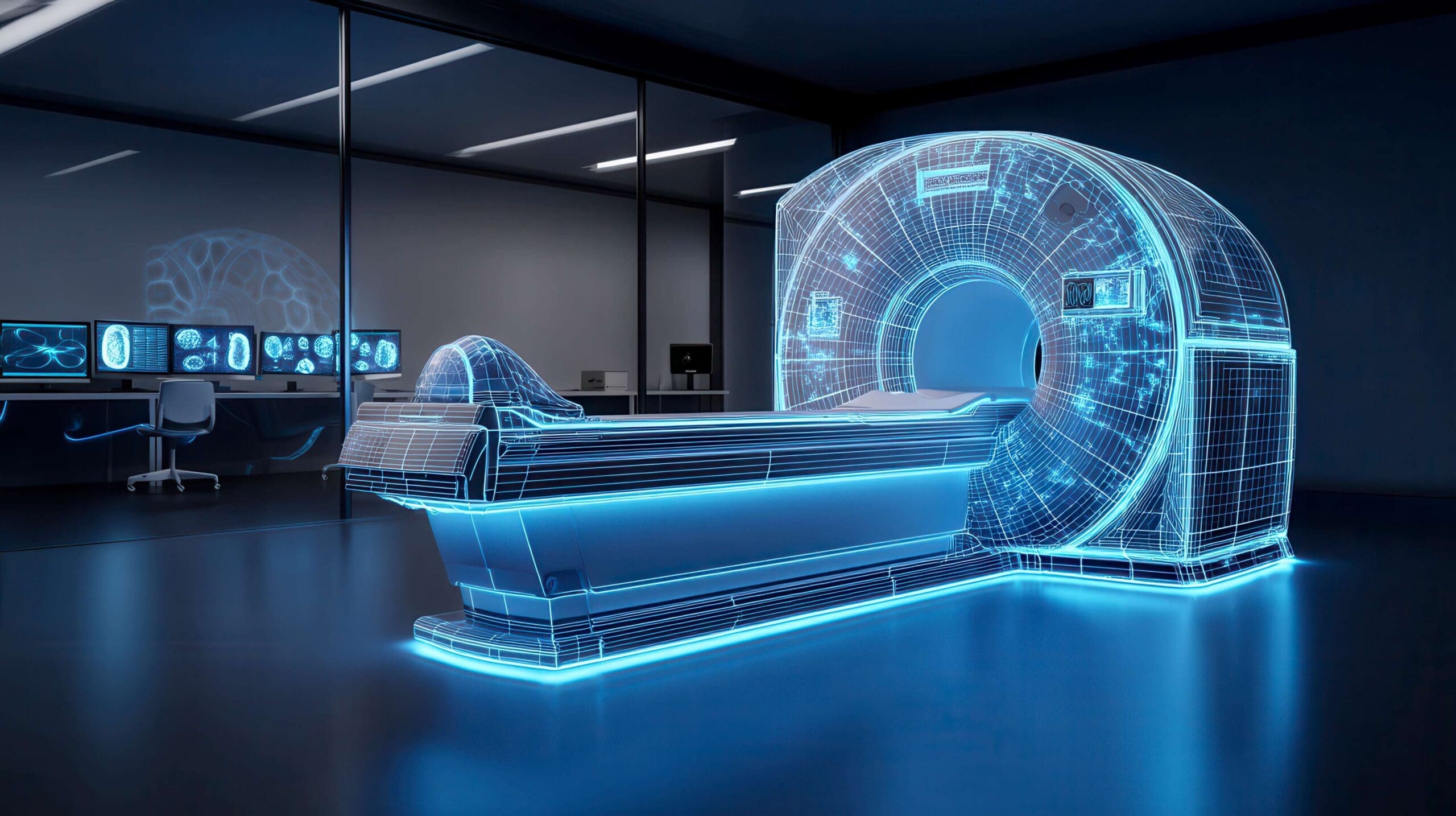
This approach could provide unprecedented information for imaging biological tissues.

When doctors search for disease or scientists study the building blocks of life, they rely on powerful imaging tools to see what the human eye cannot. But today’s technologies come with trade-offs: images can be slow to capture, details can be lost, and patients are often exposed to higher levels of radiation than anyone would like. At the Technion – Israel Institute of Technology, two researchers are working to change that by pushing imaging into an entirely new era — a breakthrough now drawing international recognition.
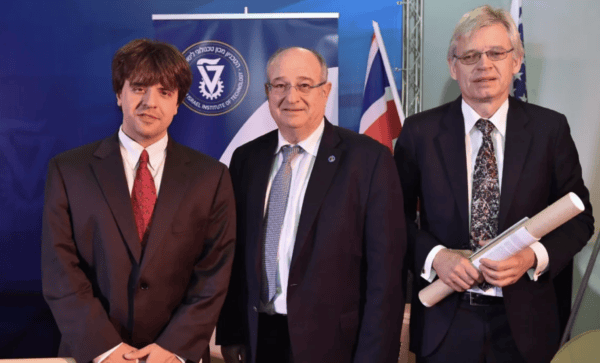
Prof. Ido Kaminer from the Andrew and Erna Viterbi Faculty of Electrical and Computer Engineering and Prof. Yehonadav Bekenstein from the Faculty of Materials Science and Engineering have each been awarded prestigious Proof of Concept (PoC) grants from the European Research Council (ERC). These grants, designed to promote the transition from academic research to application and commercialization, are expected to lead to a major leap forward in low-radiation medical imaging and in the precise mapping of biological tissues. Here is how:
At the heart of Prof. Bekenstein’s work is a deceptively simple question: Why does medical imaging still require so much radiation? One major reason lies in the sensors that detect imaging signals. Because these sensors respond relatively slowly, some information is lost, making higher radiation doses necessary to produce clear, usable images.

Prof. Bekenstein’s solution, called MagicLayer, reimagines how sensors work. Instead of relying on traditional crystals — whose capabilities have reached their physical limits — his technology uses specially designed nanocrystals. These tiny materials emit light extremely quickly and in a coordinated way, allowing images to be captured with far greater precision and speed. The result could be clearer medical images obtained with much lower radiation exposure, an advance with enormous implications for patient safety and diagnostic accuracy. Beyond medicine, the same technology could enhance electron microscopes and help monitor radioactive gases, showing how a single scientific breakthrough can ripple outward into many fields.
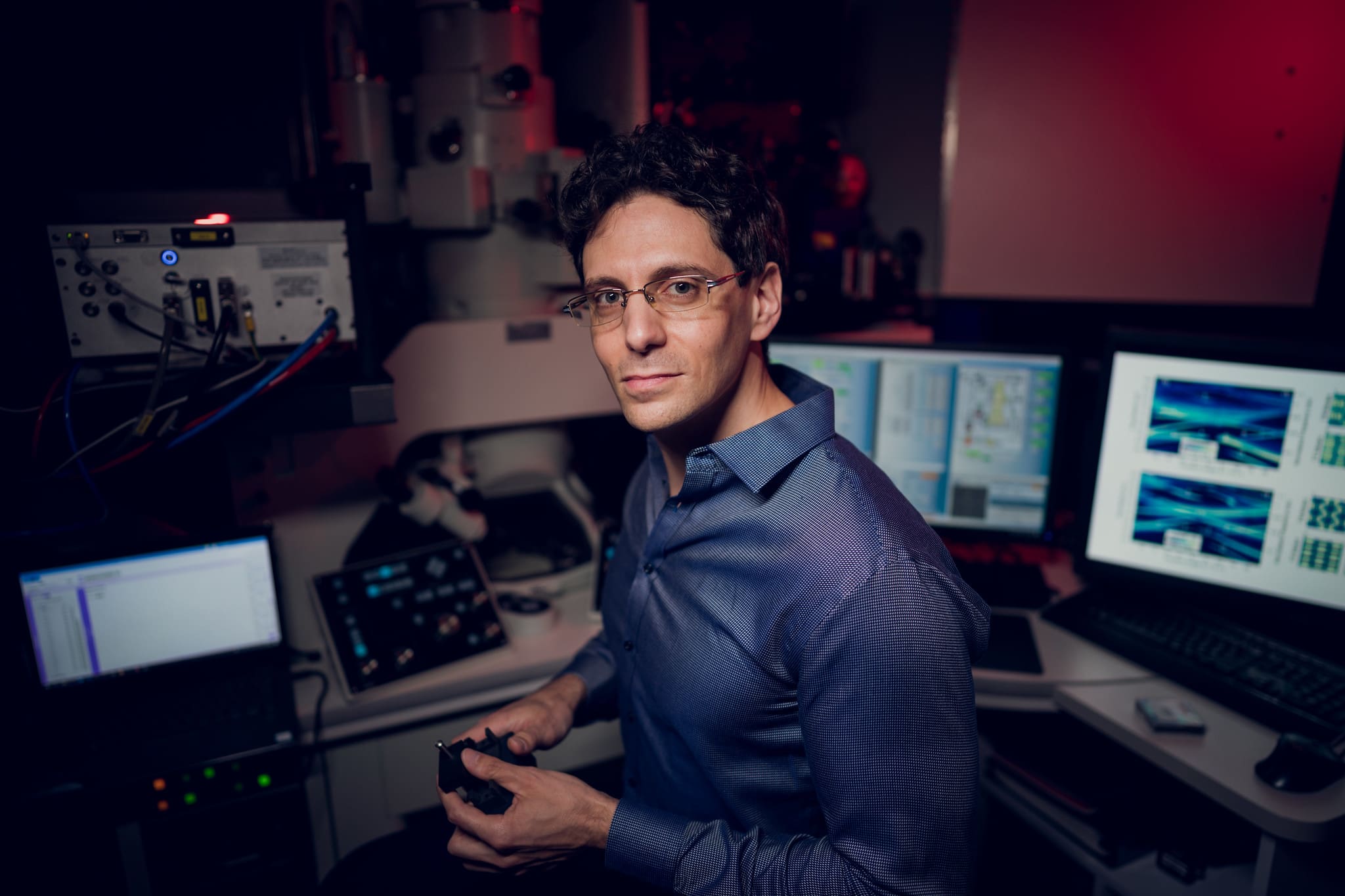
While Prof. Bekenstein is transforming how images are detected, Prof. Kaminer is redefining how they are created. His project, known as Stork, addresses a longstanding limitation of transmission electron microscopes — tools essential for studying biological tissues and advanced materials. These microscopes often struggle with low-contrast images, making it difficult to see fine details clearly or efficiently.
Stork introduced a powerful new idea: combining light and electrons in a coordinated way during imaging. By shining light directly onto a specimen and collecting the light it emits, the microscope gains a dramatically richer picture of what it is observing. This approach could provide unprecedented information for imaging biological tissues and identifying atomic scale defects in electronic devices.
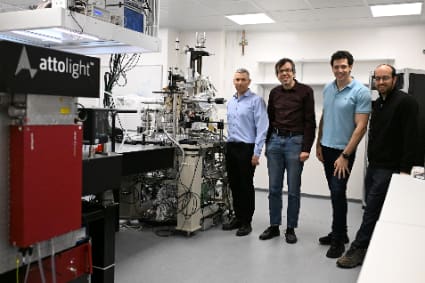
Together, these two projects are rooted in the Technion’s Quantum Microscopy Lab, a joint interfaculty initiative inaugurated by the two professors and equipped with state-of-the-art microscopes capable of detecting quantum phenomena that cannot be studied by other means. Their work highlights the Technion’s strength in advancing fundamental research with real-world applications. It is science that not only expands human knowledge, but brings safer medicine, sharper tools, and new possibilities closer to reality.