Something Fresh in the State of Denmark
October 06, 2026



















The Technion’s story has been intertwined with Israel’s for more than a century, from laying the foundations for a new nation to shaping its future.

Step inside Israeli innovation at the David and Janet Polak Visitors Center. Experience our 360° immersive movie and tech exhibition. Open to individuals and groups.
Learn More

Recently, Google acquired Israeli startup BreezoMeter for an estimated $200-250 million. Cofounded in 2014 by Technion alumni CEO Ran Korber, CMO Ziv Lautman, and CTO Emil Fisher, BreezoMeter aims to monitor air quality and improve individuals’ health through atmospheric data collected by sensing stations and AI trained to detect different pollutants. Google already has activity in environmental technology systems, including Google Earth Engine, Explorer, and the Air View project, so BreezoMeter will be a welcome addition. BreezoMeter’s technology provides users with hyperlocal air quality data through machine learning and advanced algorithms. The information it shares currently includes environmental data and…

Joan and Irwin Jacobs Technion-Cornell Institute Assistant Professors Volodymyr Kuleshov and Emma Pierson were recently awarded National Science Foundation (NSF) Faculty Early Career Development Awards. They will each receive between $400,000 and $600,000 from the NSF program over the next five years to fund their educational research projects. Assistant Prof. Kuleshov’s research will focus on improving genome sequencing through novel techniques using artificial intelligence (AI) and machine learning. Current methods of analyzing genetic data grapple with the magnitude and complexity of the data sets despite the decrease in cost of genome sequencing over the past two decades that enabled the…

For the second year in a row, the Technion is ranked first in Europe in the field of artificial intelligence (AI) according to CSRankings, which are highly regarded for their metrics-based ranking of top computer science institutions. The repeat win further solidifies the Technion’s position as a leading institution in AI. It was also ranked 16th in the world in AI and 10th in the world in the subfield of learning systems. The Technion recruits researchers and students from all Technion units for interdisciplinary AI research by increasing the number of new programs and initiatives in its various fields with…
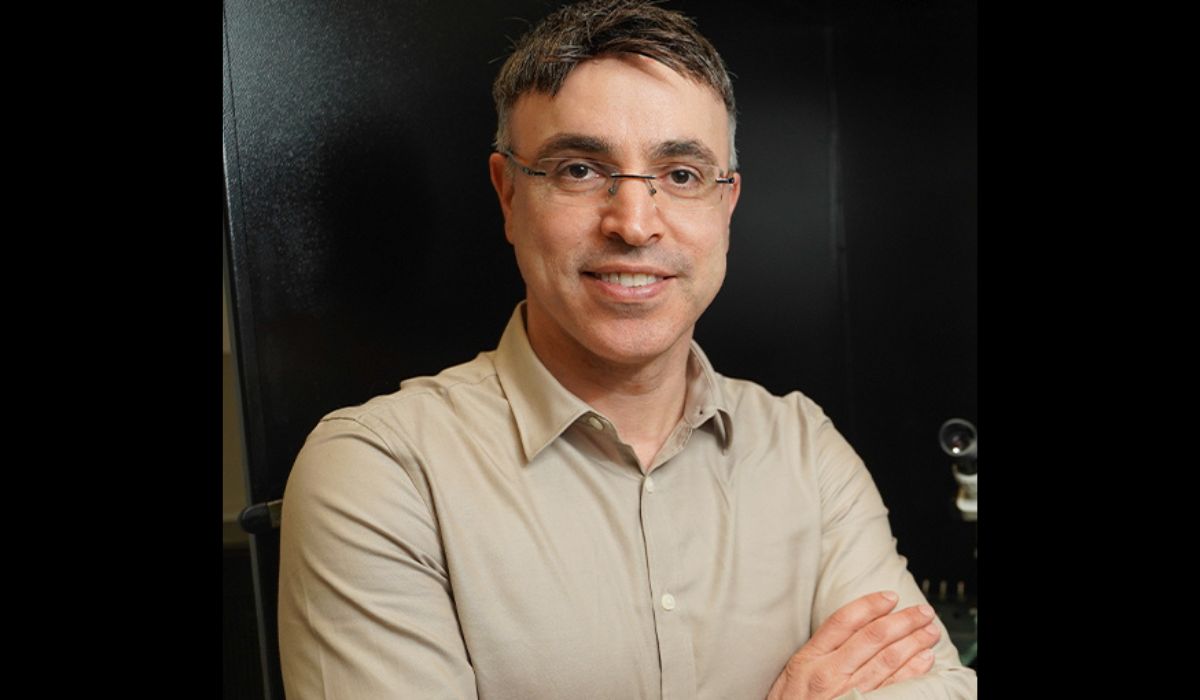
Professor Hossam Haick of the Wolfson Faculty of Chemical Engineering and the Russell Berrie Nanotechnology Institute (RBNI) at the Technion has been awarded three European research grants through the Horizon Europe program, totaling 4.2 million euros. Prof. Haick, the dean of undergraduate studies at the Technion and an expert in nanotechnology and non-invasive disease diagnosis, was awarded the grants for his research in cancer treatments. For the first grant, Prof. Haick will focus on understanding the risk factors surrounding lung cancer more closely, including personal risk factors such as lifestyle and pollutant exposure, external factors such as urban environments, transportation,…

Farmers lose around $30 billion in sales every year due to rotten fruit that never gets harvested. Fruit that gets picked even two weeks late ends up losing 80% of its value. Additionally, due to a shortage of fruit pickers, around 10% of fruits worldwide never get harvested. According to some estimates, if this trend continues there will be five million less workers than necessary by 2050. Farmers are left with the question of how to solve this issue. Tevel Aerobotics Technologies has a solution. The company has developed flying autonomous robots (FARs) that pick ripe fruit off the trees…

Just months after a new cable car started running in Haifa, it brought a very distinguished visitor to the Technion — U.S. Ambassador to Israel Thomas R. Nides. The Ambassador came to campus August 22 as part of a day trip to Haifa, where he visited city landmarks, met Haifa Mayor Einat Kalisch Rotem, and engaged with local leaders in the fields of education and economy. “It’s a big honor to be here,” Ambassador Nides told President Sivan and other senior managing directors of the Technion, adding that the university’s reputation precedes it. “I first heard about the Technion when…

Like pockmarked pumpkins that go unsold on Halloween, a whopping 30 to 50% of all vegetables and fruits are discarded each year solely because they are too unattractive to sell. But not for long. Israeli startup Anina, whose VP of R&D, Mor Wik, is a Technion alumna, is saving unwanted vegetables from the dumpster by turning them into artistic, edible packaging for ready-made meals. Anina cuts the would-be wasted vegetables into thin slices that are dehydrated and pressed into thin paper-like laminates. The laminates are then molded into edible meal-size containers and filled with instant vegan meals, which currently include…

Electric vehicles (EV) are surely a greener mode of transportation than gas-guzzling cars, buses, and trucks. But batteries are expensive, recharging takes longer than filing up at the pump, and charging stations are scarce, which can spark fear of getting stranded. Alumnus-founded Electreon has come up with an ingenious solution. Electrify the roads so our EVs can recharge while we are driving. The company, started in 2013 by Oren Ezer M.S. ’06, has been piloting its smart road technology in Israel and Europe. Now, they are rolling out in Detroit — the heart of the U.S.’s automotive industry. “As transportation…
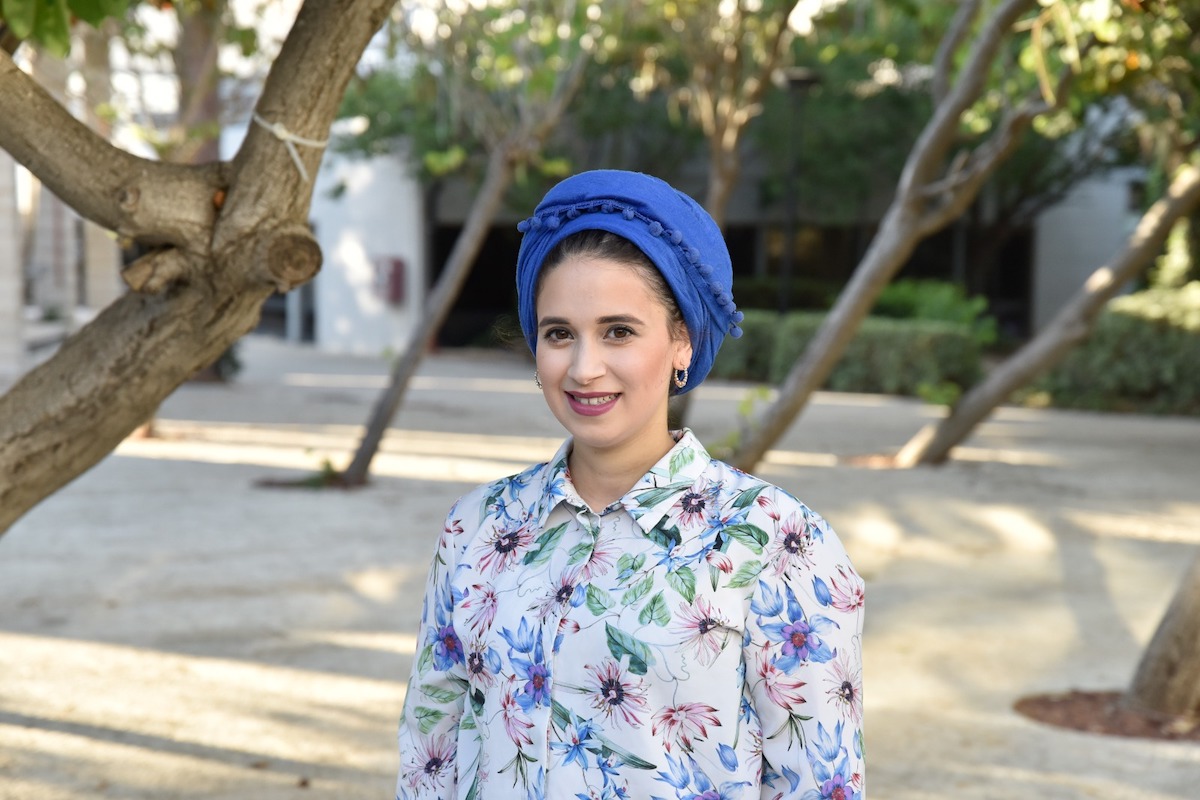
As an ultra-Orthodox young girl, Bareqet Hadad never dreamed of studying at the Technion. But life is full of surprises. In July 2022, the mother of three – who already holds her second job in industry – became a graduate of the Faculty of Industrial Engineering and Management. Hadad married at the age of 18, and after giving birth to her first child, the next step seemed clear: she’d study at a religious college to become an English teacher. She grew up in the ultra-Orthodox community of Elad, graduated high school, and discovered that she was good in English. One…

Used in many aspects of everyday life, programmable logic controllers (PLCs) control systems such as transportation services, factories, power stations, smart buildings, traffic lights, and more. Since such systems control automatic responses to changing environmental stimuli within frequently encountered structures, preventing them from being hacked into by those with nefarious intentions is of the utmost importance. Siemens, a multinational industrial manufacturer, is known across the industry to have the top security measures in place for their controller firmware systems. But a team of researchers from the Technion’s Henry and Marilyn Taub Faculty of Computer Science recently found a way to…
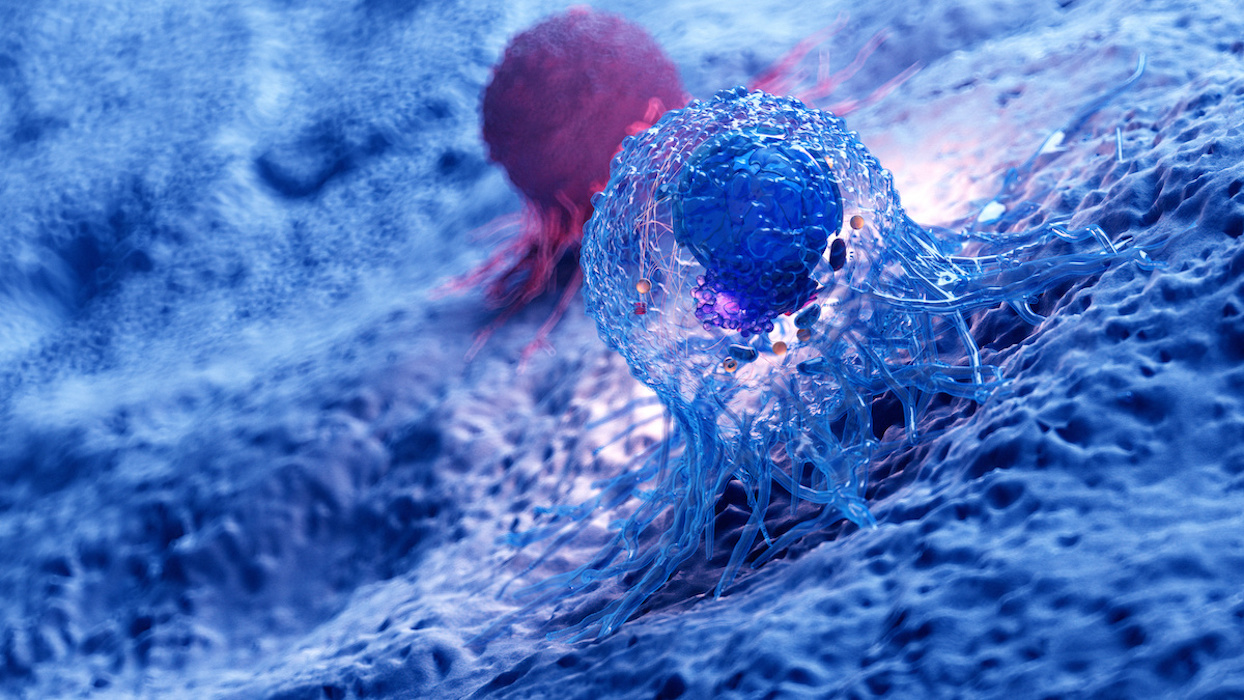
Immunotherapy is an evolving novel treatment that triggers the body’s own immune system to fight cancer cells. But it doesn’t work for everyone or on every type of cancer. And determining whether it will work for a particular patient takes up precious time. But there is hope on the horizon: Technion researchers are using artificial intelligence (AI) to speed up the process of making that determination, saving time in ascertaining the patient’s proper treatment plan. The study was conducted by Professor Keren Yizhak of the Ruth and Bruce Rappaport Faculty of Medicine at the Technion. Immunotherapy helps the immune system…
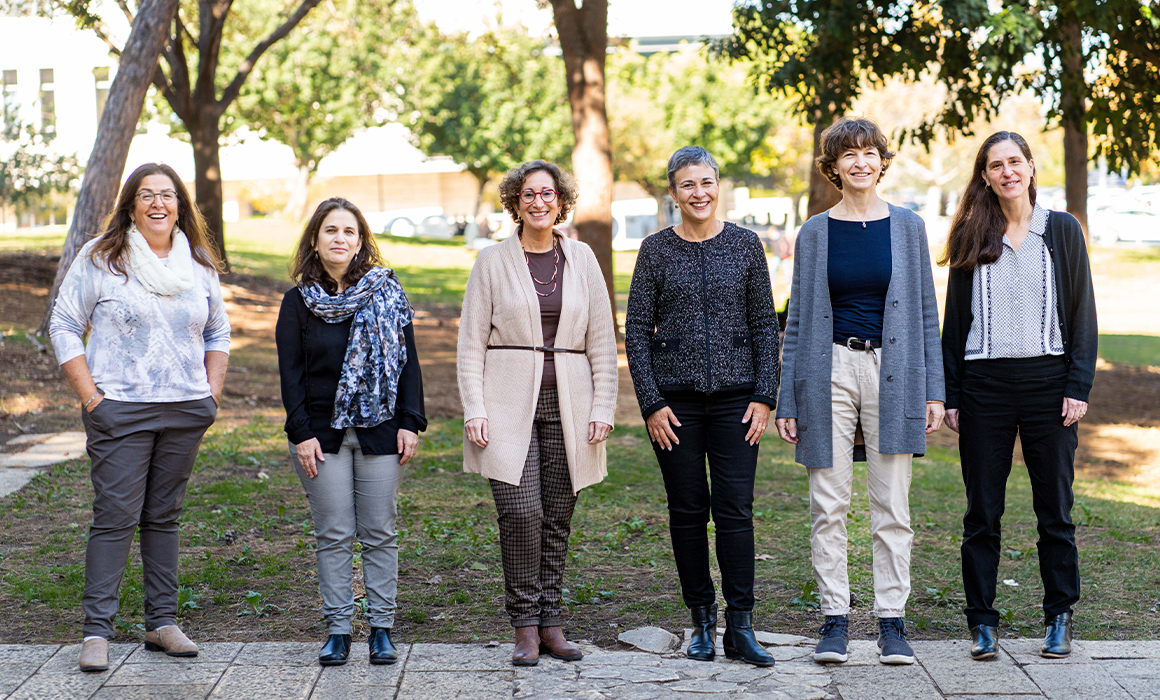
The Technion has been a magnet for trailblazing women in the science, technology, engineering, and mathematics fields since it first opened its doors in 1924. That inaugural class of just 17 students included one woman, who came to the Technion to study architecture and civil engineering at a time when women were discouraged from pursuing higher education. The ranks of Technion women have grown significantly since 1924. Thanks to the concerted efforts of Professor Shimon Marom, executive vice president for academic affairs, about 40% of all appointments relating to promotions and tenure for academic staff are women. The number of…