Something Fresh in the State of Denmark
October 06, 2026























The Technion’s story has been intertwined with Israel’s for more than a century, from laying the foundations for a new nation to shaping its future.

Step inside Israeli innovation at the David and Janet Polak Visitors Center. Experience our 360° immersive movie and tech exhibition. Open to individuals and groups.
Learn More

Israel started to show the world its technological prowess in the 1990s, earned the moniker “Start-Up Nation” in 2009, and its high-tech boom is still going strong. Today, Israel is also emerging as a global food technology leader, second only to the U.S. in raising investments in the field, according to the Good Food Institute’s Israel report. And the Technion is playing a key role in Israel’s pioneering efforts. “Biotech and foodtech are rising and will catch up with high tech,” predicted Professor Marcelle Machluf, immediate past dean of Israel’s only Faculty of Biotechnology and Food Engineering. “People are living…
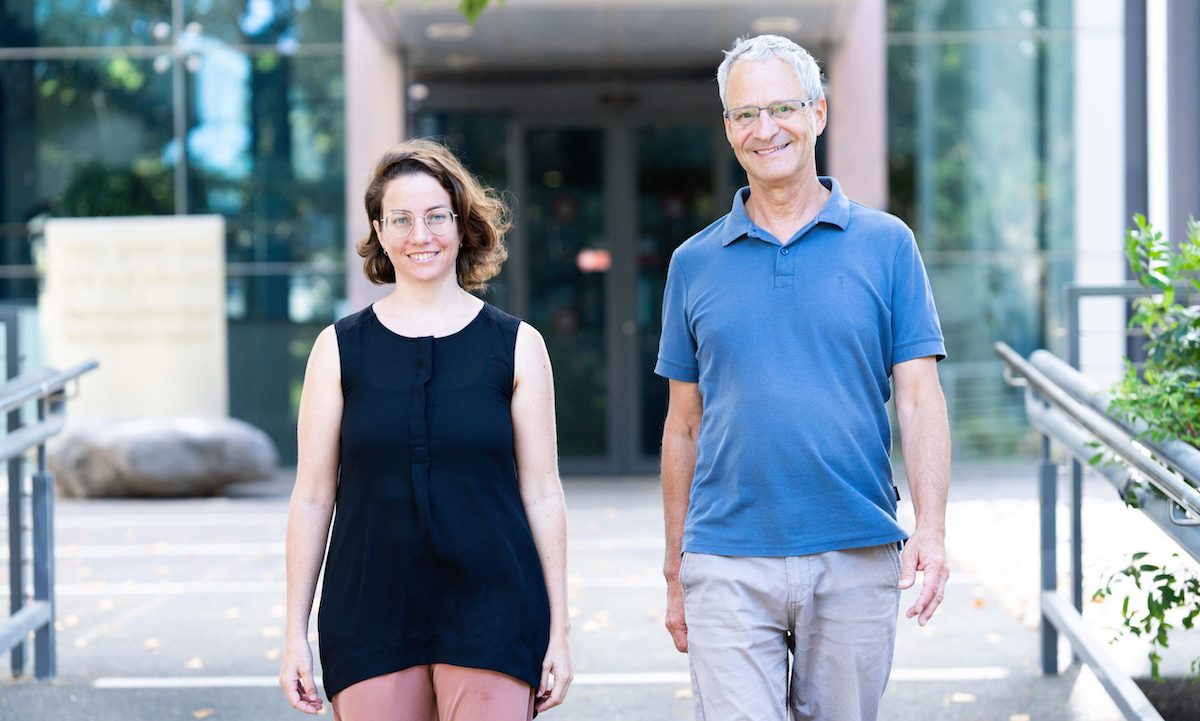
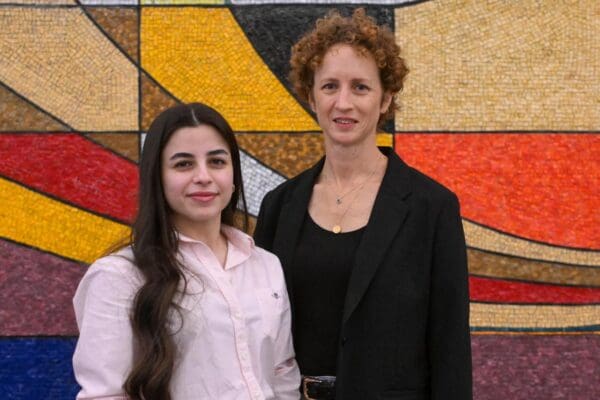
Pictured Above / Dr. Shani Rohatyn and Prof. Yohay Carmel Sounds like an easy fix to climate change: Plant trees in a billion acres of barren land. But that might not be the environmental solution we’re looking for. Studying more than 1.1 billion acres of semi-arid land worldwide, researchers from the Technion and the Weizmann Institute of Science found that contrary to conventional wisdom, turning barren lands into forests won’t cool the planet and could even worsen global warming. Why? Benefits provided by trees can be counteracted by the “albedo effect,” the ability of a surface to reflect light. Dark…
Lung cancer is the most common cause of cancer-related deaths for men and women, taking the lives of more than 1.5 million people around the world each year. A new study by researchers at the Technion and Sheba Medical Center found that lung fluid, collected and analyzed through a simple technique, can be used to more quickly diagnose and better treat lung cancer. Because specific molecules called HLA (human leukocyte antigen) help bind peptides to our cells, the researchers hypothesized and proved that they could be used to match the specific treatment to each individual patient. The peptides were collected…
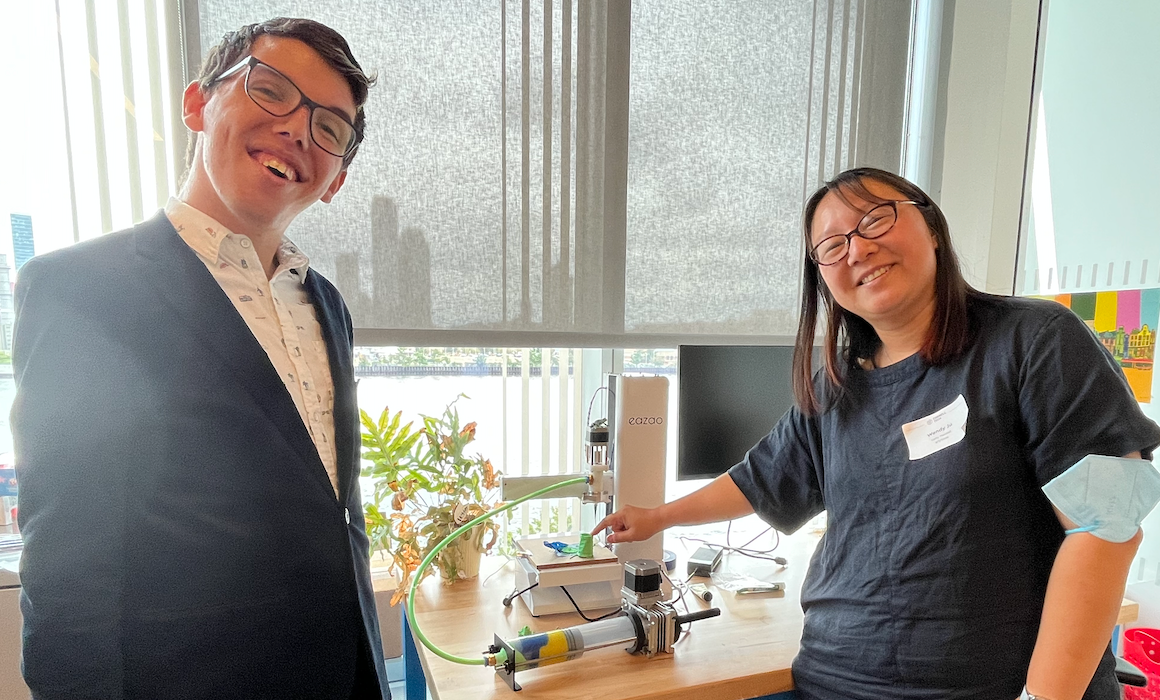
An Extraordinary Technion Student Interns at the Jacobs Institute Tobias (Tobi) Weinberg was among the nine talented young Technion students interning at the Joan & Irwin Jacobs Technion-Cornell Institute at Cornell Tech on Roosevelt Island this past summer. Already a top student at the Technion, where he is entering his senior year, he quickly distinguished himself at the Jacobs Institute, working with Professor Wendy Ju on human-robotic interaction. “Tobi stood out because he whipped through tasks very quickly, and so was able to start grappling with some of the open-ended research problems the Ph.D. researchers were working on,” said Prof….

Some 300 million people suffer from depression worldwide – and the number is only increasing as a result of the isolation during and losses from the COVID-19 pandemic. In cases where medications are determined to be the proper treatment, finding the right antidepressant can require a lengthy process of trial and error. More than 60% of patients try multiple medications before finding the correct treatment, and symptoms can worsen during the time it takes to find the right medication. But new technology from a startup co-founded by Technion alumna and company CSO Daphna Laifenfield could remove the trial-and-error process through…

Smart glasses predicted by tech giants such as Google, Meta, and Apple could supplant smartphones in the next decade. Now, these industry titans have more competition in this up-and-coming market opportunity. New technology developed by startup Eyejets projects the screen directly onto the user’s retina – unlike previous designs, such as the Google Glass, that feature the screen’s image in the corner of the lens. According to Eyejets, the company’s EyeVis is the only product combining a virtual retinal display (VRD) system with novel eye-track technology that ensures the laser image projected is always within the center of the field…
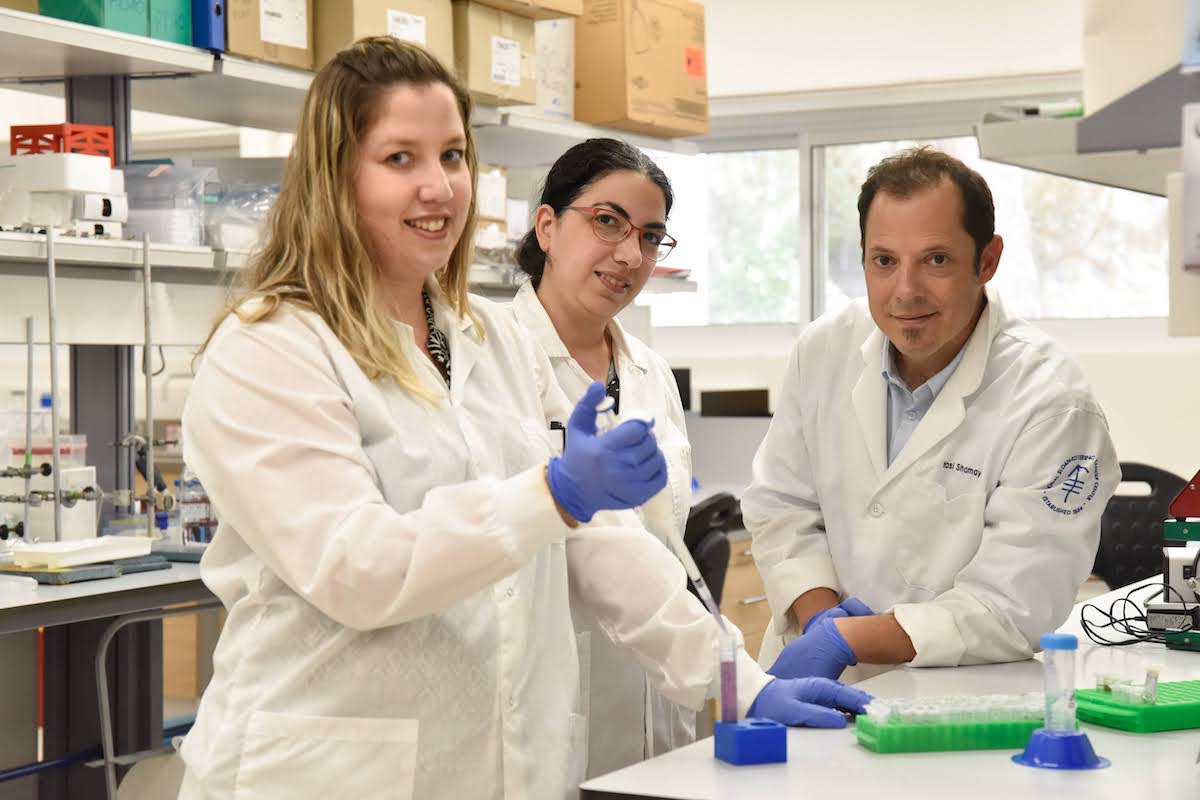
Did you know less than 1% of most chemotherapy administered as oral or injected medicines reaches the tumor, while the remainder ends up circulating through the body? Precision medicine, often delivered by nano-carriers, attempts to get around this problem by targeting the tumor while bypassing healthy tissue, avoiding the collateral damage caused by chemotherapy. Now, Technion researchers have developed an advance in precision drug delivery that is even more effective, while potentially reducing the unwanted side effects of chemotherapy, such as nausea and hair loss. Their new precision dosing technology is akin to an automated robot-chemist/robot-pharmacist system that formulates and…
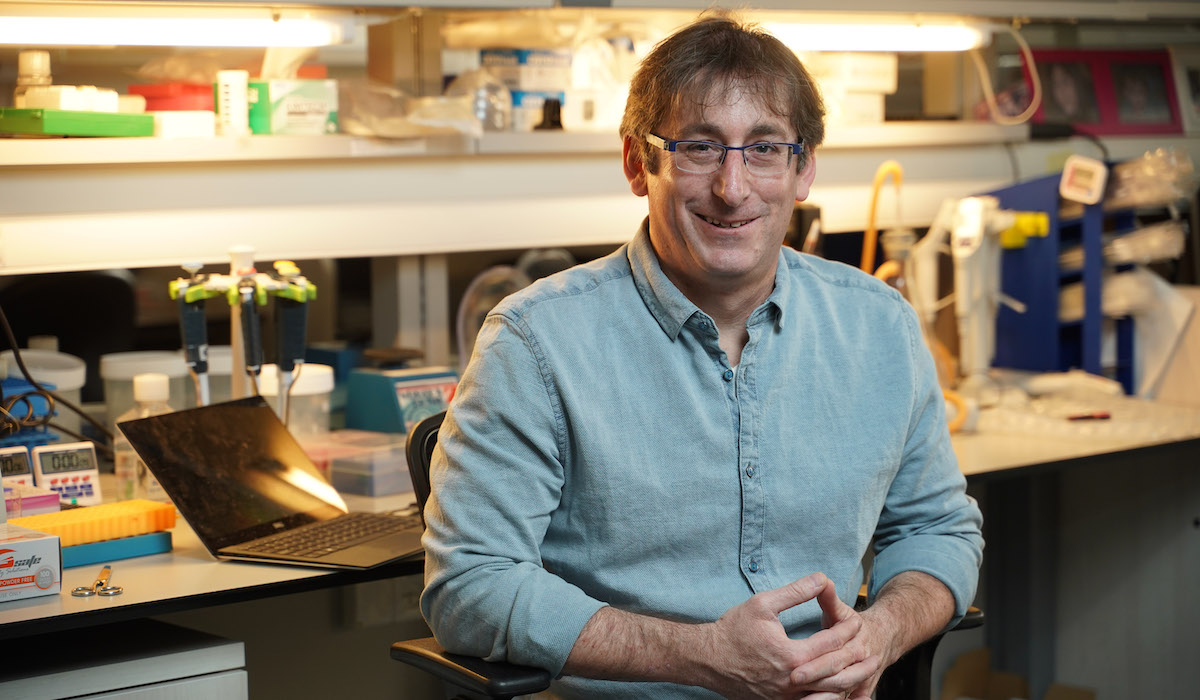
Pictured Above / Professor Shai Shen-Orr Building upon an existing, multi-year cooperation agreement that began in 2019, Pfizer Inc. recently invested $20 million in CytoReason, an Israeli startup co-founded by Technion Professor Shai Shen-Orr. The new agreement gives Pfizer the option to license CytoReason’s artificial intelligence (AI) led platform for drug development as well as fund additional research projects for the company. The partnership’s value is estimated to grow to $110 million by 2027. CytoReason’s technology makes data-driven decisions on drug development quickly and cost effectively by collecting data from pharmaceutical companies to simulate human disease and then uses their…
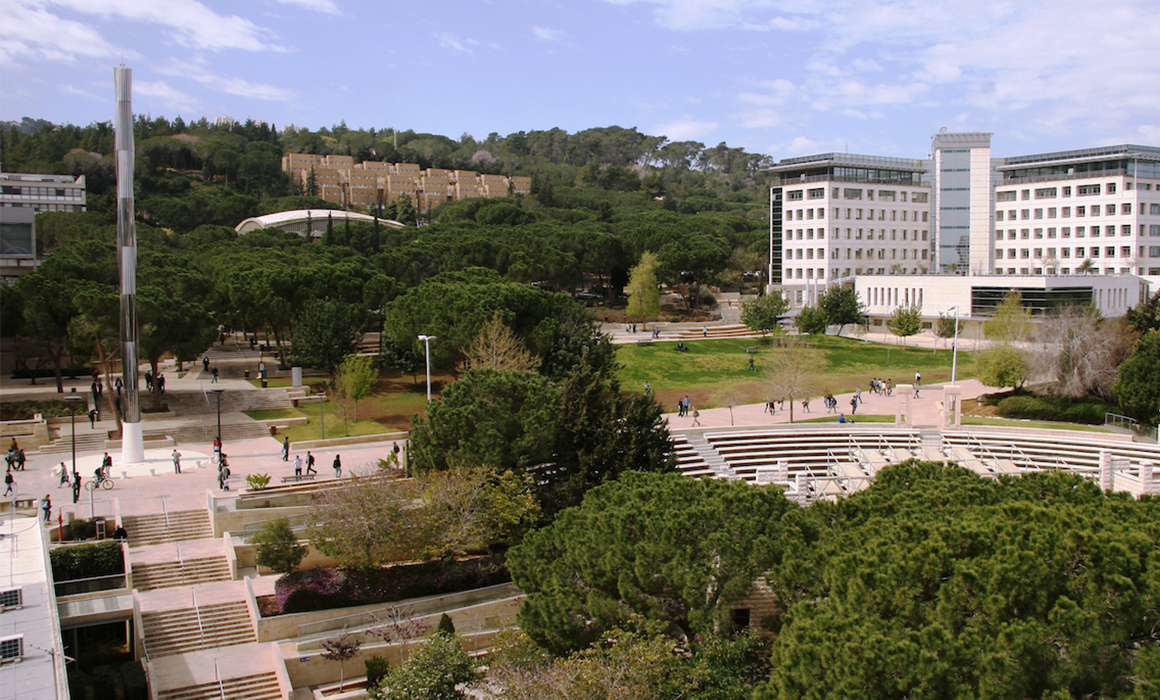
According to United States Patent Office data, the Technion was ranked #1 in both Israel and Europe for the number of U.S. patents granted to universities in 2021. The achievement was announced by the National Academy of Investors (NAI) in the U.S. and the Intellectual Property Owners Organization (IPO). The Technion’s 63 U.S. patents also placed it 40th in the world, ahead of other well-established universities, including the University of Oxford, Princeton University, Georgia Institute of Technology. Among other Israeli universities, Tel Aviv University was number 68 on the list. The University of California system took the top spot. The…

The frequency and duration of droughts has increased by nearly a third since 2000, affecting much of Europe this past summer, including Switzerland. Hundreds of thousands of Floridians were left without clean drinking water when Hurricane Ian hit this fall and the same fate awaited residents of Mississippi just months earlier when severe storms contaminated its wastewater treatment facilities. Access to clean drinking water is becoming increasingly scarce, as more than 2.1 billion people globally lack safe drinking water at home, according to UN reports. That’s why preserving clean water — wherever and however we can — has become a…
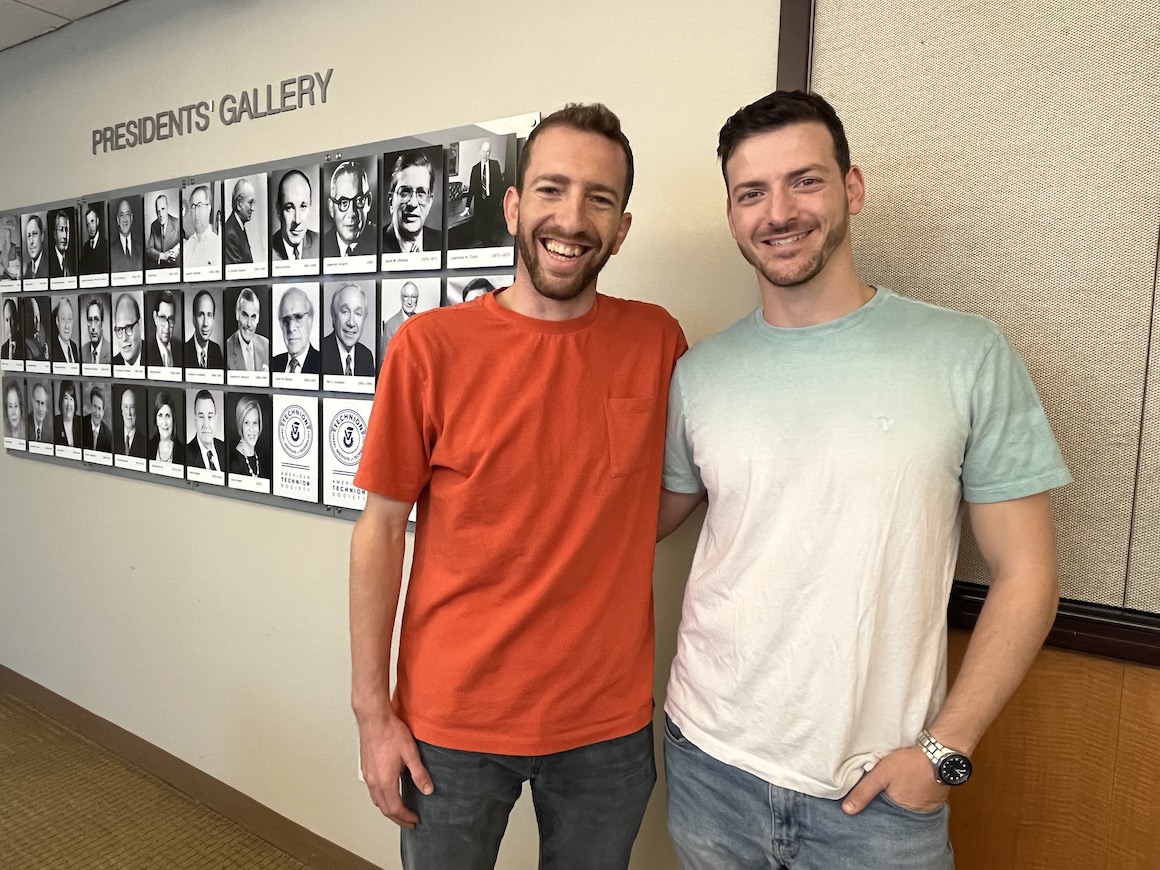
Pictured Above / Guy Bar-Nir (R) and Tom Rahav Every summer, a group of Technion students spends nearly two months interning at the Joan & Irwin Jacobs Technion-Cornell Institute at Cornell Tech. The program advances collaboration between the two campuses, and the Jacobs Institute’s unique focus on industry gives students a taste of entrepreneurial career options. “The summer internship program is one of the most exciting programs we run that deepens the relationship between the Cornell Tech and the Technion,” said Ron Brachman, director of the Jacobs Institute. “It gives the students a taste of cutting-edge graduate-level research, experiencing what it’s…
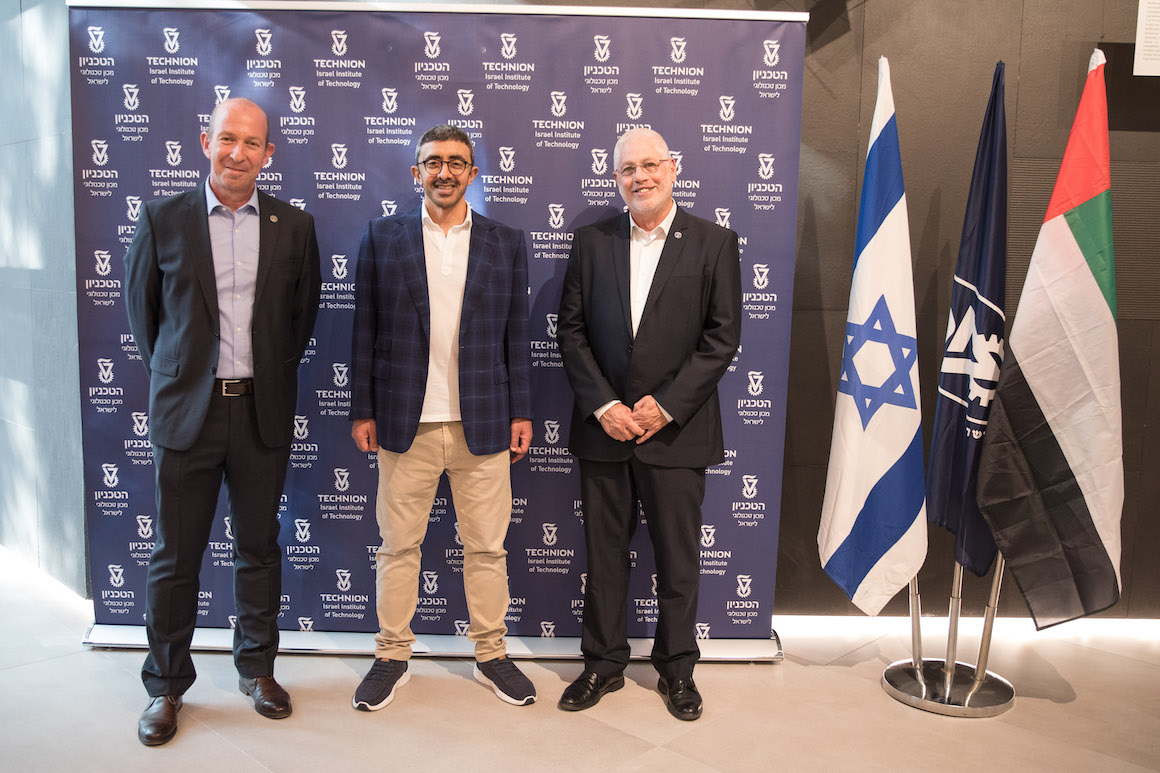
Pictured Above / (L to R) Professor Alon Wolf, The Minister of Foreign Affairs of the United Arab Emirates, Sheikh Abdullah bin Zayed Al Nahyan, and President Uri Sivan H.H. The Minister of Foreign Affairs of the United Arab Emirates, Sheikh Abdullah bin Zayed Al Nahyan, visited the Technion on September 17 — the last stop on his journey in Israel to mark two years since the signing of the Abraham Accords. “The Abraham Accords with the United Arab Emirates are a window of opportunity for scientific and technological cooperation,” Technion President Professor Uri Sivan told Foreign Minister Bin Zayed…