Something Fresh in the State of Denmark
October 06, 2026






















The Technion’s story has been intertwined with Israel’s for more than a century, from laying the foundations for a new nation to shaping its future.

Step inside Israeli innovation at the David and Janet Polak Visitors Center. Experience our 360° immersive movie and tech exhibition. Open to individuals and groups.
Learn More
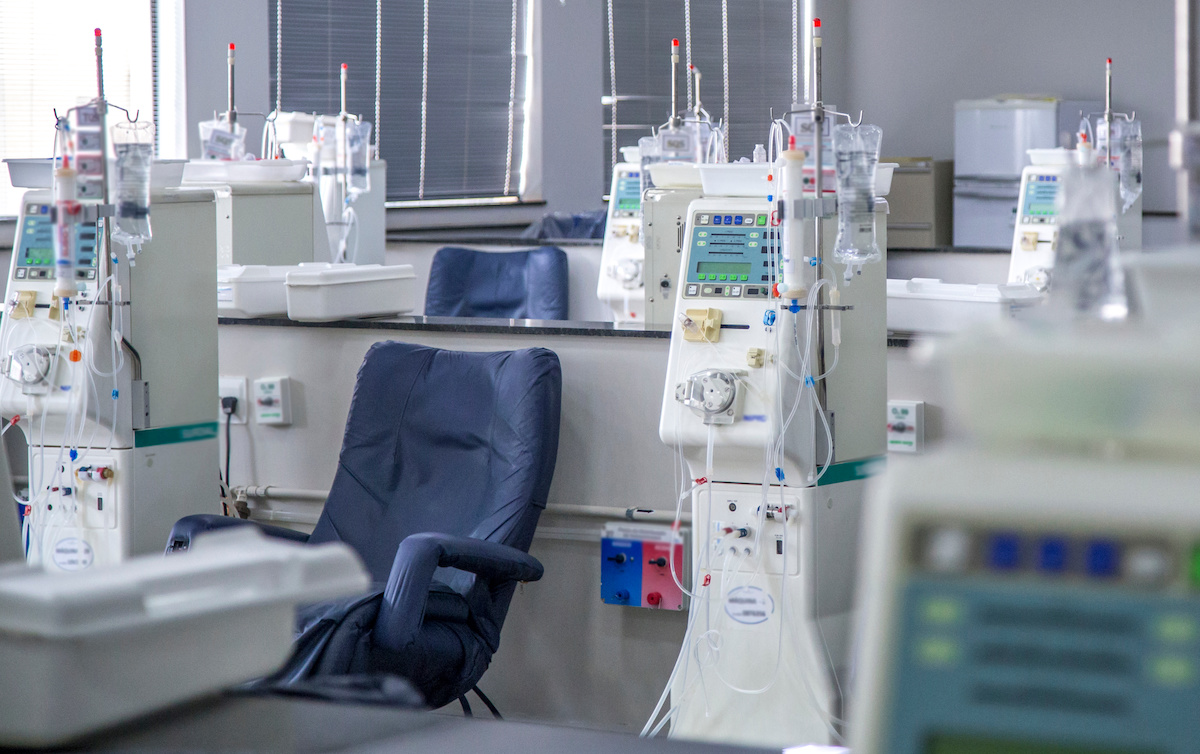
An estimated 37 million people worldwide suffer from chronic kidney disease (CKD), with more than 2 million of them receiving dialysis as treatment. 90% of those on dialysis spend half their remaining lifetime hooked up to the machines and traveling to and from their dialysis clinic. In the interest of improving the quality of life for people with CKD, medical equipment manufacturer LiberDi has created an at-home system that could replace traditional in-clinic dialysis. Led in part by company CEO and Technion alumnus Hezekiah Tsoory, LiberDi’s Digital Dialysis Clinic uses peritoneal dialysis, a cheaper and less invasive method that utilizes…

Clean water is crucial for survival, but it is in short supply, with 771 million people living without access to it. It is also a necessity for places that help society function, including power plants, oil refineries, pharmaceutical companies, dairies, breweries, municipalities, textile factories, fish farms, and more. Israeli company Atlantium Technologies, led in part by CTO and Technion alum Ytzhak Rozenberg, is working to help mitigate this widespread issue, by combining old technology developed by a Nobel Laureate with new findings to create their patented disinfection process. Atlantium has combined ultraviolet radiation, or the process of using sunlight to…

Affective touch, or slow moving and low-force stimulation, has been shown to reduce feelings of stress and anxiety. But most of the time this requires another person to perform the brushing sensation, which makes the stress-reliever difficult to produce if someone is alone, at work, or in a public sphere. A new wearable device developed by researchers at the Joan and Irwin Jacobs Technion-Cornell Institute, led by Professor Tanzeem Choudhury, could provide this relief automatically. The team created a mechanized wearable device that is worn on the top of the forearm and uses springs and an electric actuator to stroke…
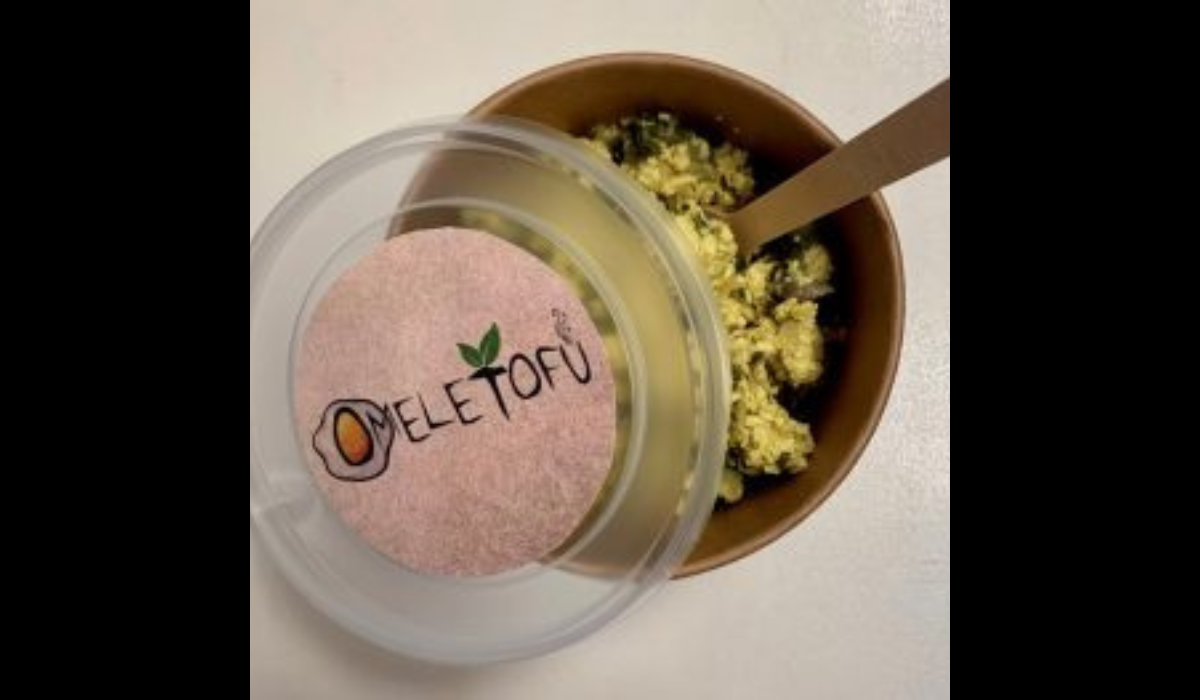
What happens when your vegan boyfriend wants to eat healthy but has little time for food prep? If the girlfriend is a Technion student, she just might come up with a solution. Neta Shimony was among a team of Technion graduate students participating in an international food-tech competition tasked with creating healthy processed food when her boyfriend’s dilemma sparked the idea for a tofu omelet mix. She and her teammates, from both the Faculty of Data & Decision Sciences and the Faculty of Biotechnology and Food Engineering, developed an instant (just add water), freeze-dried, vegan, tofu-based omelet that comes in…

Historical letters were often written in code in order to secretly send messages to people to prevent the information from falling into the wrong hands. Decoding these pieces of history can prove to be difficult, as there are no instructions on how to reveal the message’s true meaning. Recently, Israeli computer scientist and Technion alumnus Dr. George Lasry led a team of international code breakers that successfully deciphered 57 letters written by Mary, Queen of Scots between 1578 and 1584 – the most significant find on the queen in more than 100 years. The letters were written a few years…
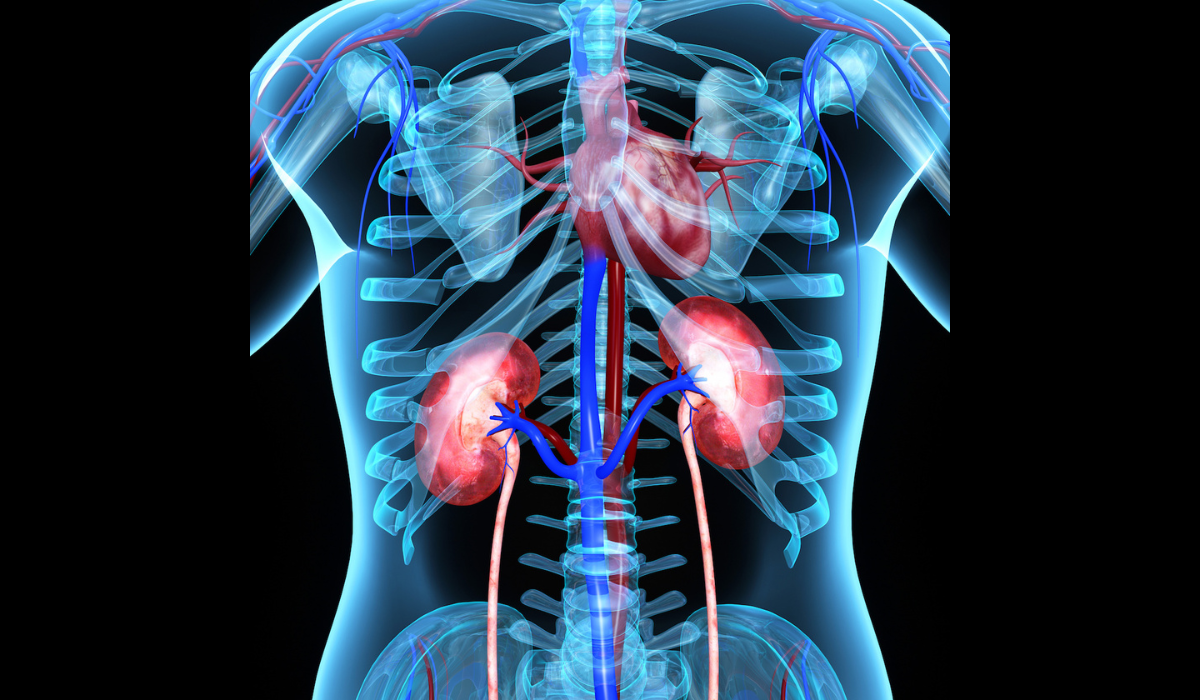
Heart disease is the leading cause of death for both men and women, and one common complication of the condition is a buildup of fluid around the heart. Similarly, renal failure affects 2 million people worldwide, and also causes excess fluid retention in the body. Retaining fluids can cause capillary damage, swelling, breathing difficulties, and mobility problems, and current methods for treating this buildup can have negative side effects. To help solve this pressing issue, AquaPass Medical – founded and led in part by company CTO and Technion alumnus Yaacov Nitzan – has created a suit that comfortably removes fluid…

What if computers could process information like humans do? New research conducted at the Technion shows that such a device could be a part of our not-so-distant future. Led by Professor Shahar Kvatinsky of the Andrew and Erna Viterbi Faculty of Electrical and Computer Engineering, researchers combined a computer’s random-access memory (RAM) and central processing unit (CPU) functions into one chip, which allows the device to operate more like a human brain. It could provide future opportunities for using devices to process information differently. Prof. Kvatinsky and his team tested their chip’s capabilities by showing it different examples of handwriting….
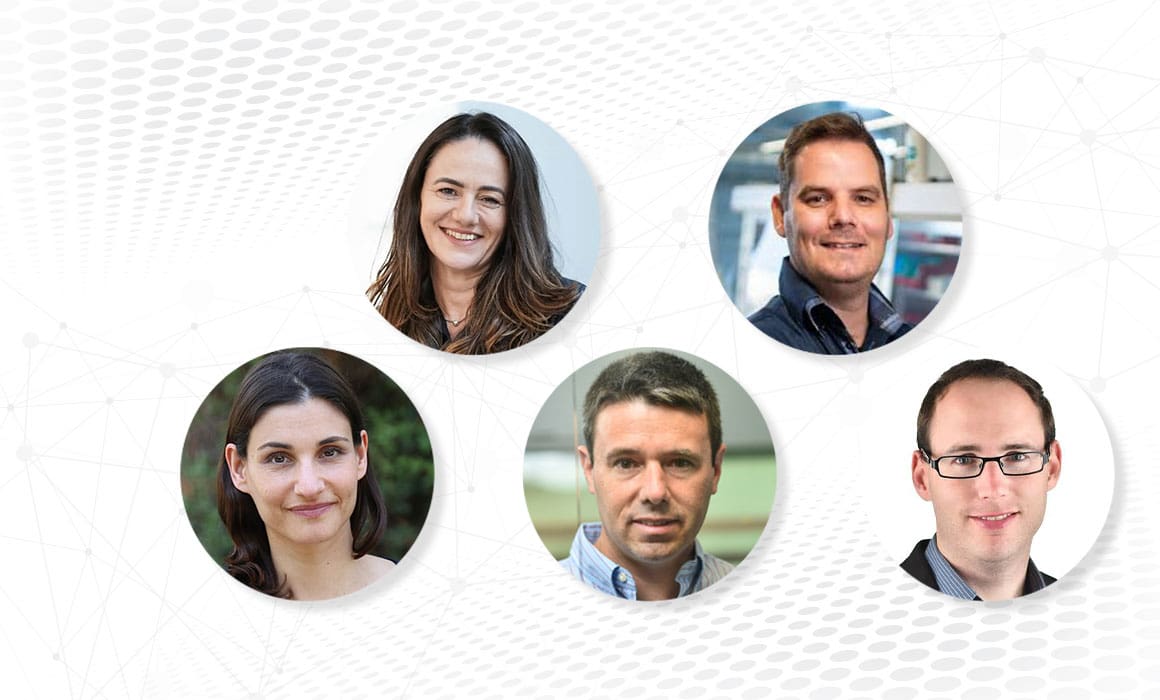
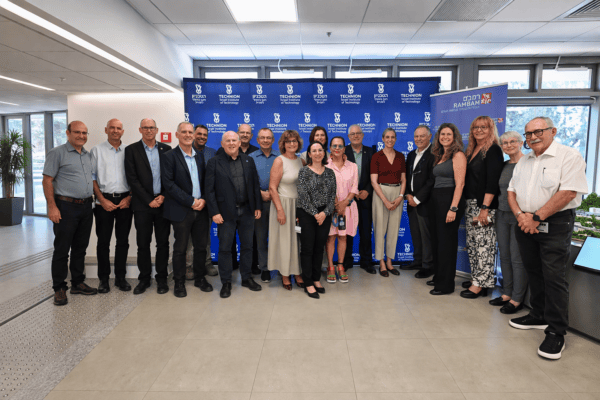
Pictured Above / (L to R) Professor Meytal Landau, Professor Asya Rolls, Professor Avi Schroeder, Assistant Professor Graham de Ruiter, and Professor Nadav Amdursky Recently, five researchers from the Technion were awarded prestigious Consolidator Grants by the European Research Council (ERC) for unique projects in their respective disciplines. The ERC Consolidator Grants provide $2.14 million to each recipient and are awarded to scientists with 7-12 years of postdoctoral research experience to fund their explorations and allow them to pursue their most promising ideas. The five Technion recipients are: Associate Professor Nadav Amdursky, a researcher in the Schulich Faculty of Chemistry…
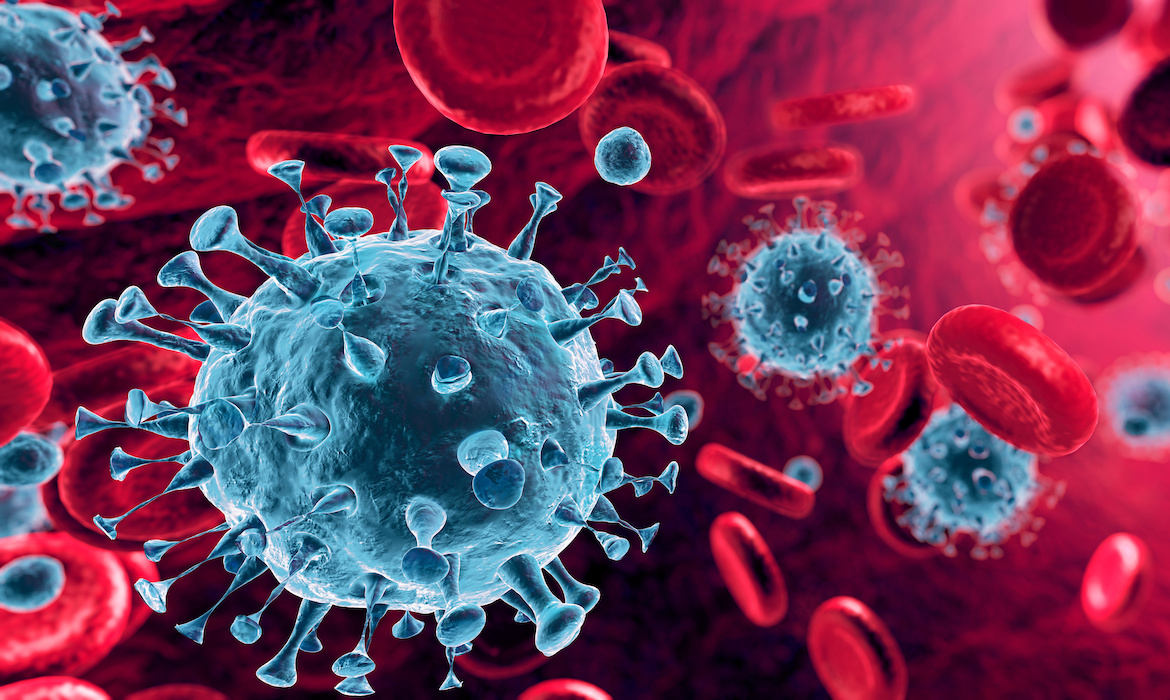
Did you know the average person encounters more than 60,000 germs every day? Different surfaces we touch, including countertops, remote controls, faucets, and phones harbor tons of bacteria we may not be aware of. What if a germ killer could be added to everyday items to help protect you and your health? Israeli startup Nanosono is doing exactly that. Led in part by COO and Technion alumnus Matan Benisty, the company has developed nanoparticles that can be embedded into paint, fabrics, plastics, and other materials to kill 99.999% of bacteria and viruses. Known as Quactiv, the germ killer is a…

In the interest of helping combat pressing global challenges that include climate change, human health, and nutrition, the Technion recently announced the establishment of the Sustainable Protein Research Center (SPRC). It will function as a world-class multidisciplinary center for fundamental and applied research in the fields of alternative proteins, commercialization and entrepreneurship, and support of industry. The SPRC will be the first of its kind in the world. It will connect dozens of researchers from more than 10 different academic departments at the Technion along with other universities and companies to address the challenges of sustainability and human health which…

Every year, more than 300,000 patients are placed on a ventilator because of respiratory distress that causes low blood oxygen levels. This number only grew during the COVID-19 pandemic with anywhere from 5% to 25% of COVID patients receiving ventilation care during their treatment in any given week. However, a new device created by Inspira Technologies – led in part by company CTO and Technion alumna Daniella Yeheskely-Hayon – could be a gamechanger for the treatment of oxygenation related issues. The device can boost a person’s oxygen levels immediately, reducing the need for ventilators and saving the patient from an…

Have you ever wondered what you would have looked like living in Ancient Greece? Or even how you’d change in a high-tech future? Now, thanks to a new artificial intelligence (AI)-powered “time machine” from MyHeritage, you can see yourself throughout the past – and even in the future. Led by Technion alumnus, Founder, and CEO Gilad Japhet, the platform provides AI-generated images depicting you in different eras. Users need only upload about 10 photos of themselves taken from different angles, pay around $12 – $18 depending on the package chosen, and then wait for 90 minutes or less for results….