The Technion’s story has been intertwined with Israel’s for more than a century, from laying the foundations for a new nation to shaping its future.
From medicine to security, explore how the Technion is advancing Israel and improving lives around the world.
View All Impact Areas
Explore stories, news, insights, and data across articles, videos, and podcasts.
view all content types
of the student body are women
students
of all universities in the world*
The Technion’s story has been intertwined with Israel’s for more than a century, from laying the foundations for a new nation to shaping its future.
Explore ATS, the Technion, and the people behind the breakthroughs redefining what's possible for Israel and the world.
Learn More About ATSATS is a community of supporters, innovators, and champions of possibility united by one mission: transforming Israel and the world through science and discovery.
Learn MoreFor more than 100 years, the Technion has been Israel's technological engine and leading driver of innovation, technology, and entrepreneurship, transforming ideas into impact.
Learn More
Step inside Israeli innovation at the David and Janet Polak Visitors Center. Experience our 360° immersive movie and tech exhibition. Open to individuals and groups.
Learn MoreFrom medicine to security, explore how the Technion is advancing Israel and improving lives around the world.
View All Impact AreasExplore stories, news, insights, and data across articles, videos, and podcasts.
view all content typesDiscover ways to support, connect, and help drive innovation.
Get InvolvedExplore ATS, the Technion, and the people behind the breakthroughs redefining what's possible for Israel and the world.
Learn More About ATS
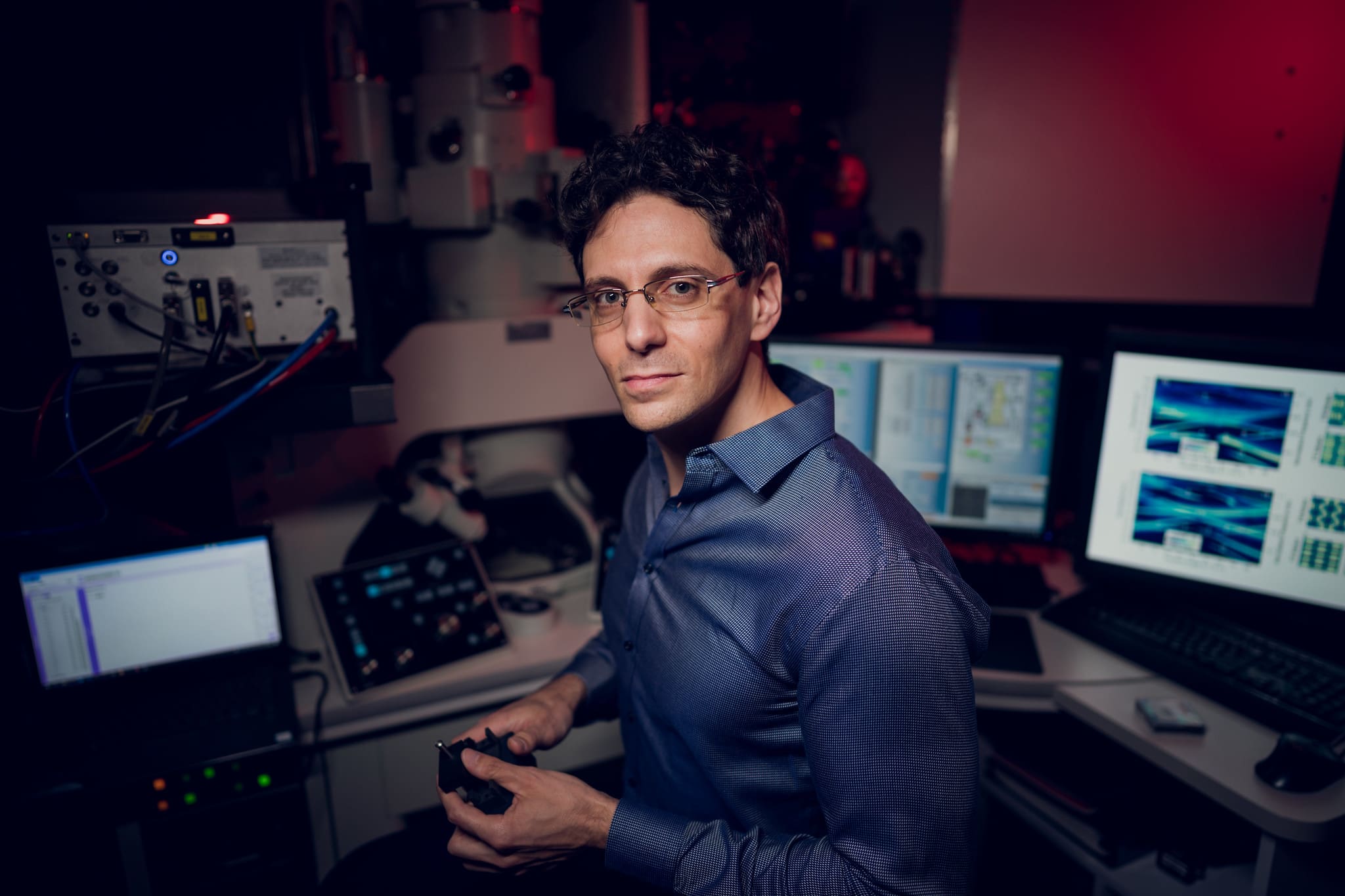
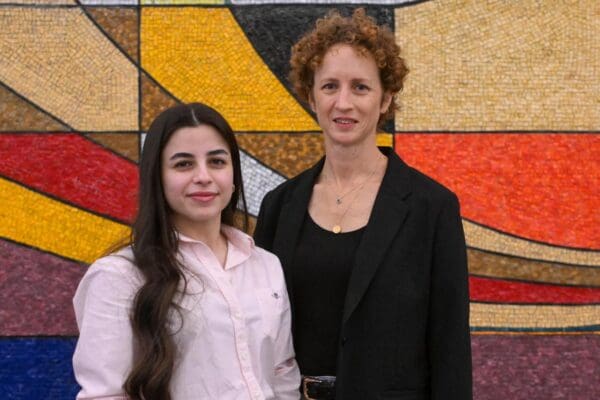
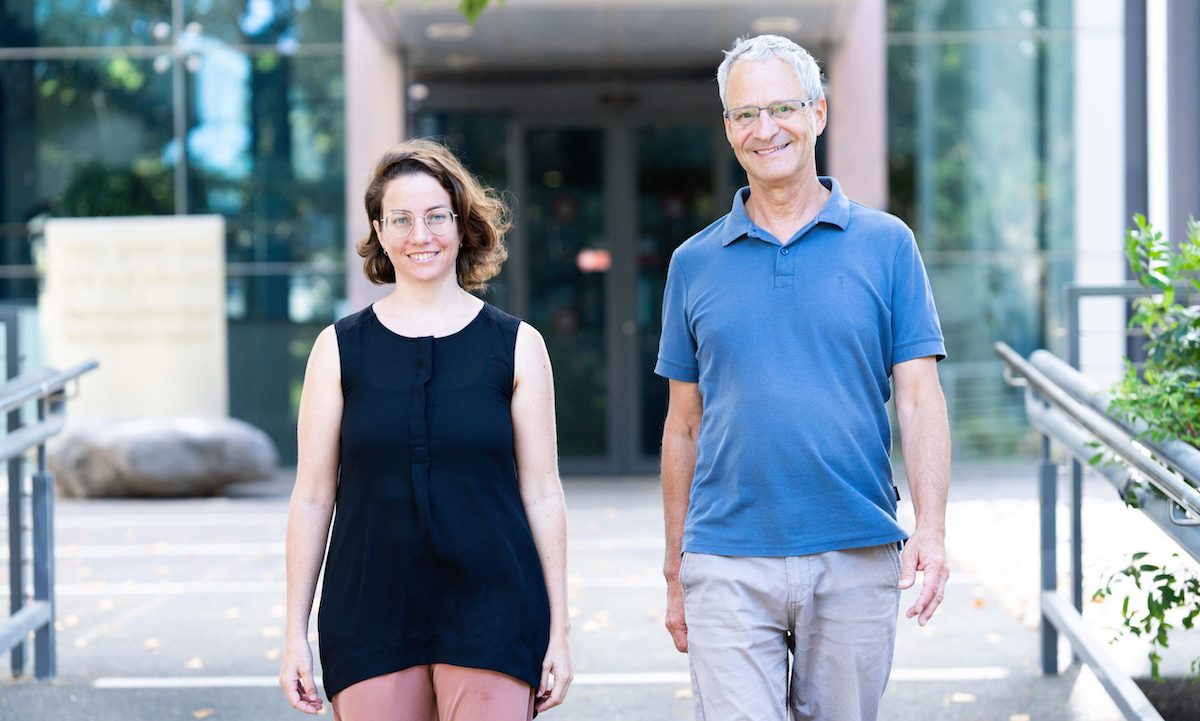
Pictured Above / Dr. Shani Rohatyn and Prof. Yohay Carmel
Sounds like an easy fix to climate change: Plant trees in a billion acres of barren land. But that might not be the environmental solution we’re looking for.
Studying more than 1.1 billion acres of semi-arid land worldwide, researchers from the Technion and the Weizmann Institute of Science found that contrary to conventional wisdom, turning barren lands into forests won’t cool the planet and could even worsen global warming. Why? Benefits provided by trees can be counteracted by the “albedo effect,” the ability of a surface to reflect light. Dark areas, even lush forests, retain more heat than deserts and glaciers.
Trees provide shade, prevent soil erosion, and absorb carbon dioxide from the air. But even if trees were planted in every semi-arid location mapped by the researchers, their carbon absorption would offset only 1% of all carbon emission from the burning of fossil fuels by the end of this century, due to the albedo effect.
“When we started the research, we thought that we would be able to show that extensive planting of forests in semi-arid areas would significantly slow down climate warming,” said Technion Professor Yohay Carmel, who led the research with doctoral candidate Shani Rohatyn, along with researchers from the Weizmann Institute. “Our study disproved this hypothesis.”
The albedo effect was already known in the context of climate change. But the recent study is the first to produce a worldwide mapping of the phenomenon that can predict where afforestation (establishing a forest on land not previously forested) can have a positive effect. Many factors in addition to the albedo effect, such as precipitation and trees’ ability to absorb carbon, determine the outcome of planting trees. Rohatyn built a model that calculates the site-specific balance between the beneficial effects of removing CO2 from the air versus the warming effects produced by increased absorption of sunlight.
Large-scale afforestation projects are underway in China, Saudi Arabia, and the Sahel region of North Africa. The researchers hope that by using their model, planners could focus on the most optimal places to plant trees.
While their research proved disappointing with regard to the potential for afforestation in semi-arid areas, Prof. Carmel found a hidden lesson. “Planting forests,” he said, “no matter how extensive, will not save us from climate change. Instead, we should focus on reducing emissions.”
November 10, 2022
Examine the benefits and drawbacks of forests in fighting climate change. Understand the albedo effect and its implications.
1 min
X (opens in a new tab) / Facebook (opens in a new tab) / LinkedIn (opens in a new tab) / Email / Copy Link
This time of year, pomegranates are piled high in produce aisles, stacked in bins at the farmers market, and decorating Rosh HaShanah tables. When it comes to extracting the juicy seeds, everyone has their own unique technique. Some score the crown and pull the fruit apart in a bowl of water so the seeds sink […]
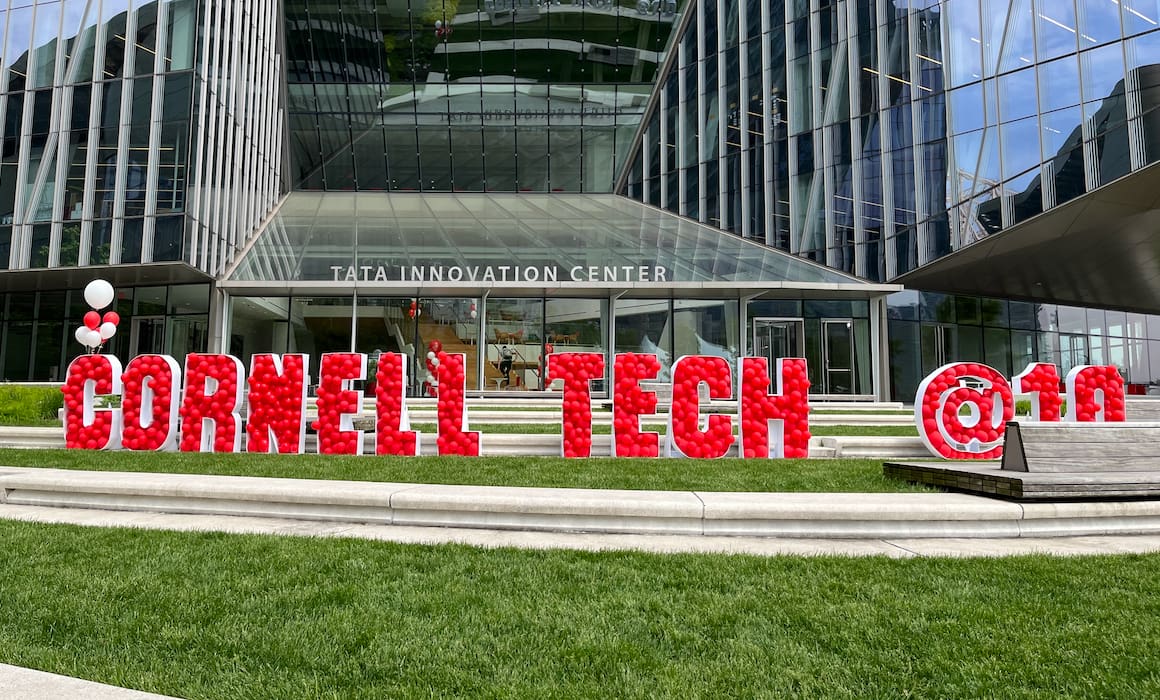
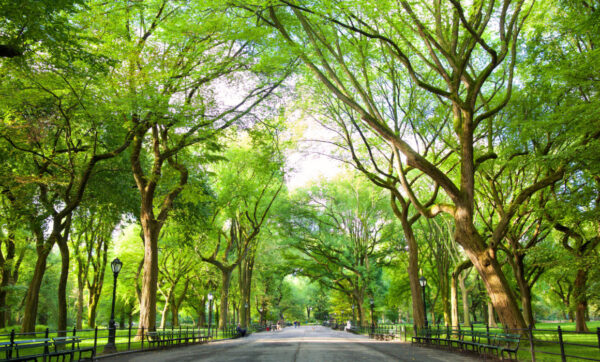
Despite New York City Mayor Zohran Mamdani’s past calls to boycott Cornell Tech because of its partnership with Israel’s Technion-Israel Institute of Technology, city officials and Jewish community leaders on Wednesday announced a $250,000 investment in a Cornell Tech research initiative aimed at expanding New York City’s tree canopy to combat rising temperatures. New York City Council Speaker Julie Menin, the first Jewish woman to hold the post, and other officials unveiled the funding for Cornell Tech’s Urban Tech Hub at the Jacobs Technion-Cornell Institute on Roosevelt Island. The grant will launch the Generative Tree Canopy Project, which will use…
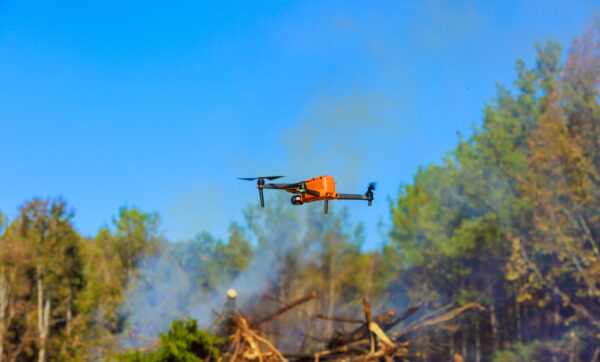
As climate change increases the frequency and intensity of wildfires, Israel is testing a new autonomous drone system designed to spot fires before they grow into large-scale disasters, combining long-endurance aviation, artificial intelligence and advanced imaging technologies. The system completed its first flight test this week as part of a joint project involving the Israeli […]
Stay on top of the latest breaking scientific discoveries from Israel and the Technion. Subscribe to the ATS newsletter.