Something Fresh in the State of Denmark
October 06, 2026


















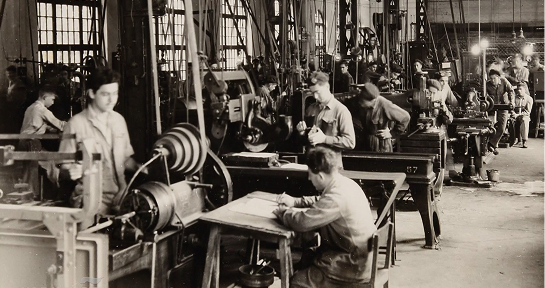
The Technion’s story has been intertwined with Israel’s for more than a century, from laying the foundations for a new nation to shaping its future.

Step inside Israeli innovation at the David and Janet Polak Visitors Center. Experience our 360° immersive movie and tech exhibition. Open to individuals and groups.
Learn More

Breastfeeding is often regarded as the purest expression of a mother’s love — as well as the most nutritious way to feed your infant. Now, Technion alumna Maya Ashkenazi Otmazgin has launched Maolac, a foodtech startup that could bring the benefits of mothers’ milk to grownups. Otmazgin first devised a sophisticated search algorithm that analyzes nutrients found in both human and cow colostrum, the first breastmilk released after giving birth — and discovered more than 400 almost identical proteins. Another Maolac algorithm matches key proteins in human breast milk with alternative sources found in mushrooms, algae, and plants. Combining the…
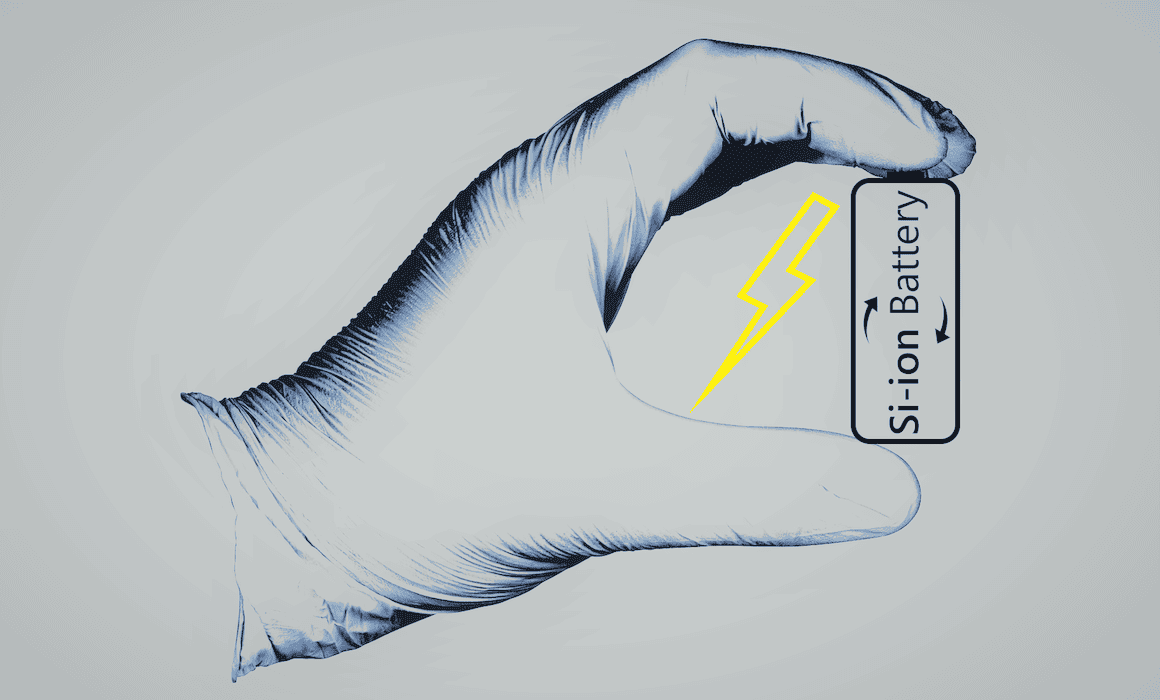
With an eye toward sustainable solutions to the global energy challenge, a Technion research team has created a proof-of-concept for a rechargeable silicon (Si) battery. Rechargeable batteries are particularly necessary for the electric vehicle (EV) industry, which currently relies on Lithium-ion batteries (LIBs). LIBs, however, are expected to strain lithium (Li) production soon as well as deflect Li from more common uses such as portable consumer electronics. Until now, no battery technology has been strong enough to compete with LIBs. The novel battery allows for Si to be reversibly discharged and charged, making it a green source that could pave…
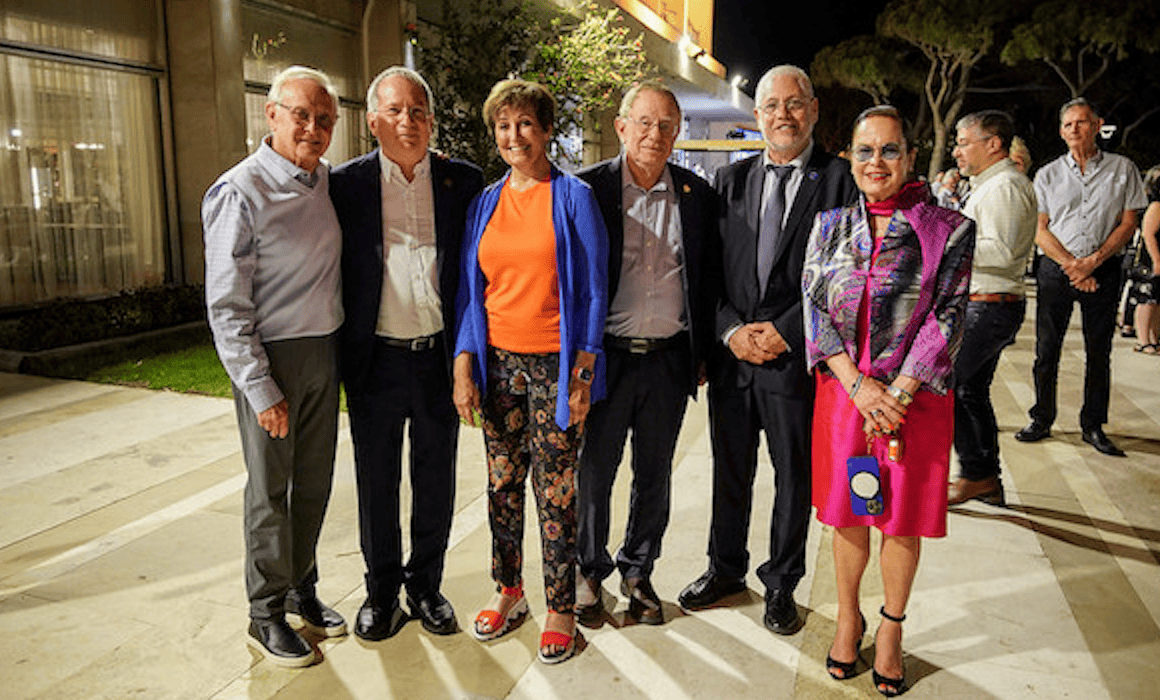
For the benefit of patients in northern Israel: The Technion and Rambam Health Care Campus announces the establishment of the Wolfe Center for Translational Medicine and Engineering The Technion – Israel Institute of Technology, Rambam Health Care Campus, and philanthropists Andi and Larry Wolfe announced the establishment of the Wolfe Center for Translational Medicine and Engineering on Sunday, June 12. The Center will combine engineering and medicine to promote new technologies for the benefit of human health. The Wolfe Center will bring the partnership between Rambam and the Technion to new heights and will serve as a platform for extensive…
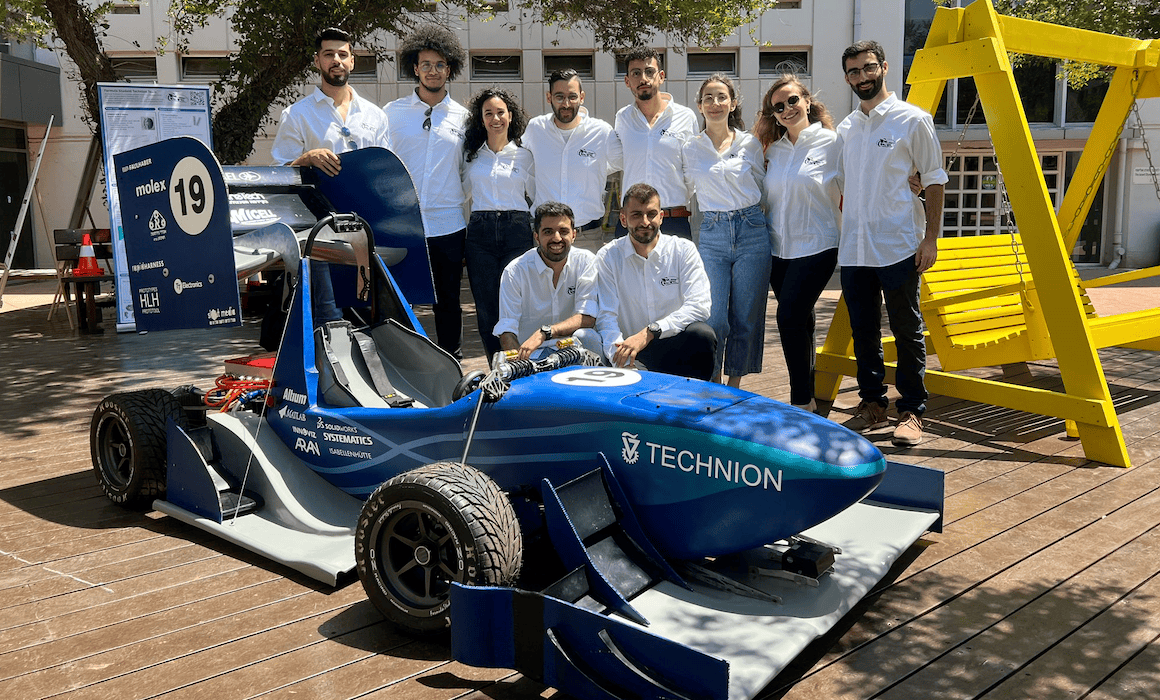
In the run up to this summer’s European Formula Student Competitions, the Formula Technion team just unveiled its car for the summer 2022 racing season. Amazingly, the Technion car runs on electricity. It also happens to drive itself. The students, from across various Technion faculties at the Technion presented their new autonomous electric vehicle (A-EV) on June 22, 2022. The Formula Technion project was established in 2012 as part of the Faculty of Mechanical Engineering. The team has presented a wide variety of impressive and successful projects, and the new vehicle is their first autonomous vehicle. Currently, the Formula Technion…
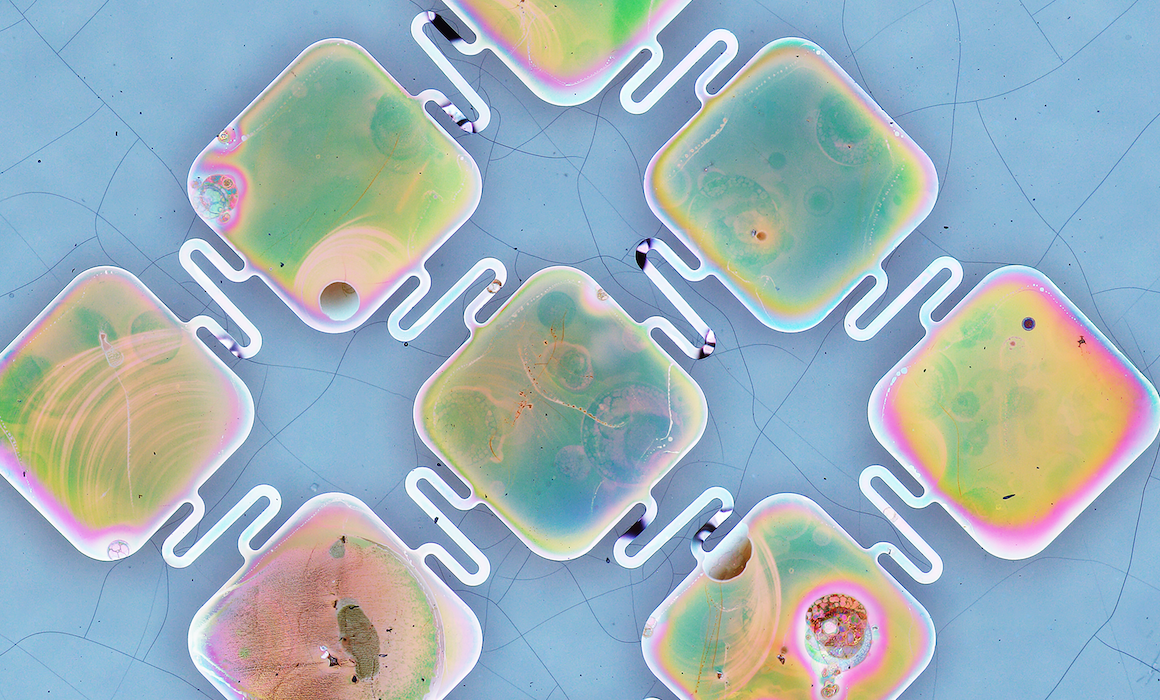
New material developed in a joint study between the Technion and the University of Chicago will pave the way for the restoration of damaged nerve tissue and heart muscle. Assistant Professor Hemi Rotenberg of the Faculty of Biomedical Engineering at the Technion and Professor Bozhi Tian of the University of Chicago have developed a way to project near-infrared light into a membrane of the new material, which will photo-activate the damaged nerve or heart tissue. Nerve tissues are the biological platform that transmits information between different areas of the body. Most of them are found in the two control centers…
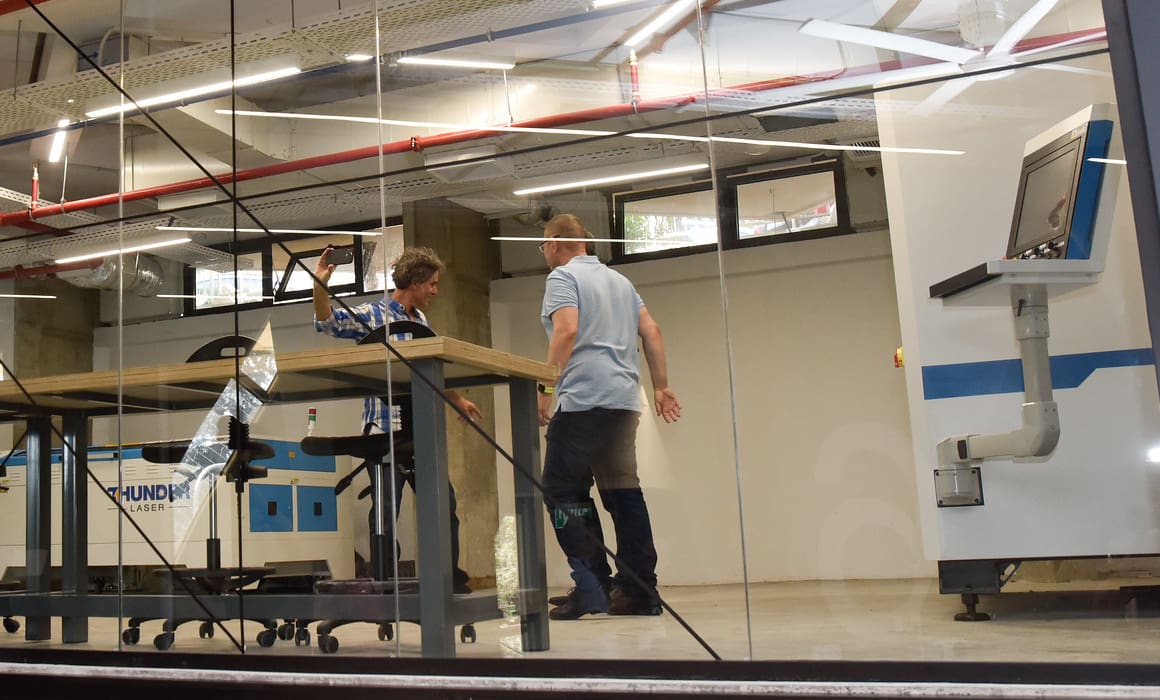
Technion Inaugurates Center for Creative and Engineering Design The Technion recently inaugurated the Mehoudar Center for Inventors, a center for creative and engineering design. The center will become a home for multidisciplinary collaboration, providing faculty, students, and inventors with the resources and technical assistance to build and test engineering prototypes. The center is named in honor of Technion graduate Raphael (Rafi) Mehoudar, a 1966 graduate of the Faculty of Mechanical Engineering who received an Honorary Doctorate from his alma mater in 2014. At the age of 20, while still at the Technion, he developed the dual flush toilet mechanism, currently…

Researchers have developed a unique technology using light to remotely control the cell’s internal stores of calcium. This elusive breakthrough could regulate the body’s immune system, potentially heading off disease, and control the sensation of pain. Calcium is not only important for our bone strength, but it plays a key role in processes that control gene expression in our immune cells, muscle contraction, electrical transmission in the nervous system, and many other body functions. Abnormal changes of calcium levels in our cells can wreak havoc on the immune system and lead to various illnesses. As a result, a complex control…

Long days spent in the lab paid off for 212 students who were awarded their Ph.D. degrees in a stirring ceremony May 23 on the Technion campus in Haifa. The students’ research includes interdisciplinary topics ranging from calculations using an engineered bacterium to sensing systems for electronic skin. “The final chord of the doctoral dissertation is an opening chord to a world of professional research that invites curiosity and a striving for truth, realizing your ability to delve into a complex and complicated problem … and harnessing your ability to face the real challenges of society,” said opening speaker Technion…
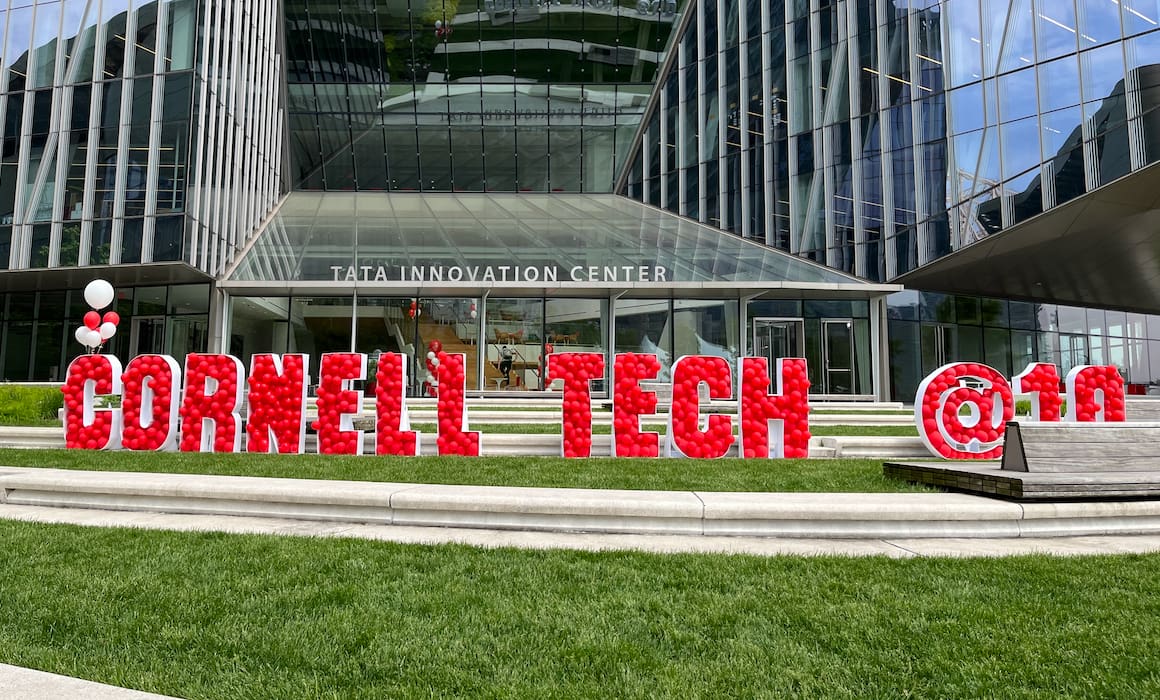
Health Tech — Big Winner in Open Studio Awards Hundreds of festive red balloons spelling out Cornell Tech greeted visitors for a day of innovation at the campus on Roosevelt Island, May 20. Inside the Tata Innovation Center with stunning views of the campus and beyond, students and alumni showcased their cutting-edge projects and budding startup ventures in a year-end Open Studio Celebration. Then beneath billowy white tents on the lawn, eleven Open Studio finalists pitched their projects, competing for one of the coveted Startup Awards — a post academic investment valued at $100,000. “This year’s Startup Awards finalists have…

Researchers in the Faculty of Biotechnology and Food Engineering at the Technion have developed “bionic bacteria.” The innovative technology has many potential applications in industry, the environment, and precise medicine. For example, bionic bacteria could be used to sense hazardous substances, or aid in the targeted release of drugs in the body. The study was led by Assistant Professor Omer Yehezkeli and Ph.D. student Oren Bachar, and co-authored by doctoral student Matan Meirovich and master’s student Yara Zeibaq. “My research group deals with the interface between engineering and biotechnology at the nanoscale level,” explained Prof. Yehezkeli. “Our goal is to…
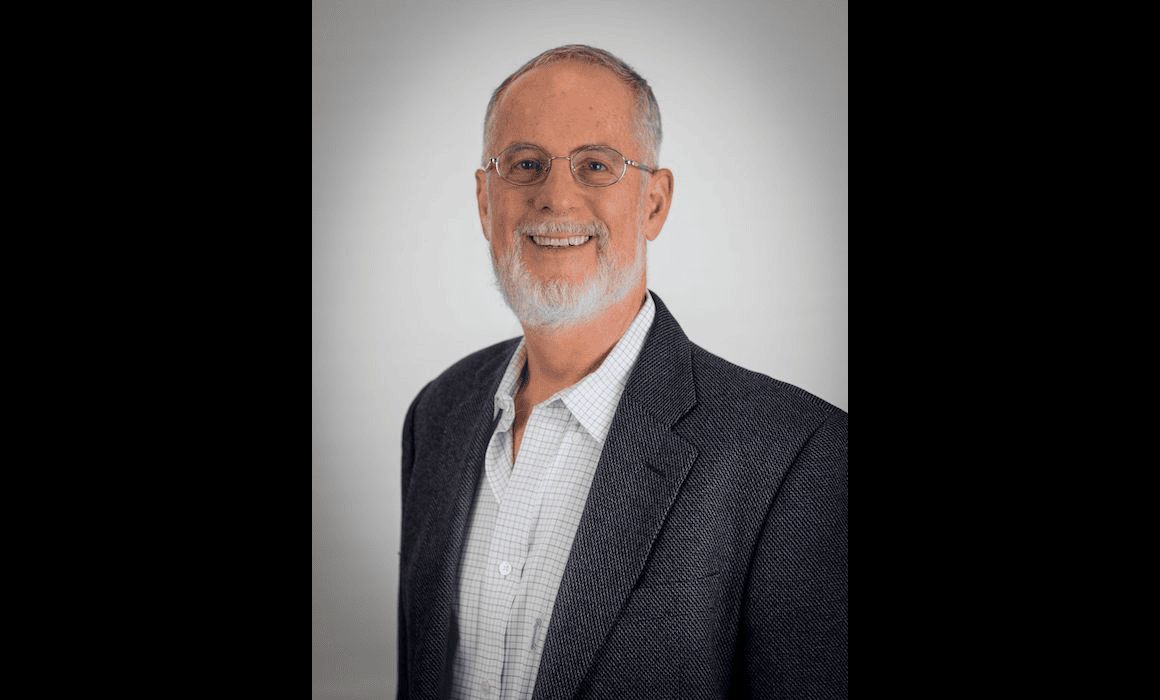
Planned Giving Donor and Alum Gives Back to the University that Helped Shape his Career Yoram Benbarak B.S. ’71, M.S.’73 was an undergraduate student when computer technology was going through a momentous revolution that helped catapult Israel into its famed status as Startup Nation and a leader in innovation. The Technion was on the front lines. Distinguished Technion Professors Jacob Ziv and Abraham Lempel co-created the algorithm that serves as the basis for essential file compression currently used in computers and smartphones to send PDFs, videos, and music over the Internet. “That was a time of great change,” said Yoram,…
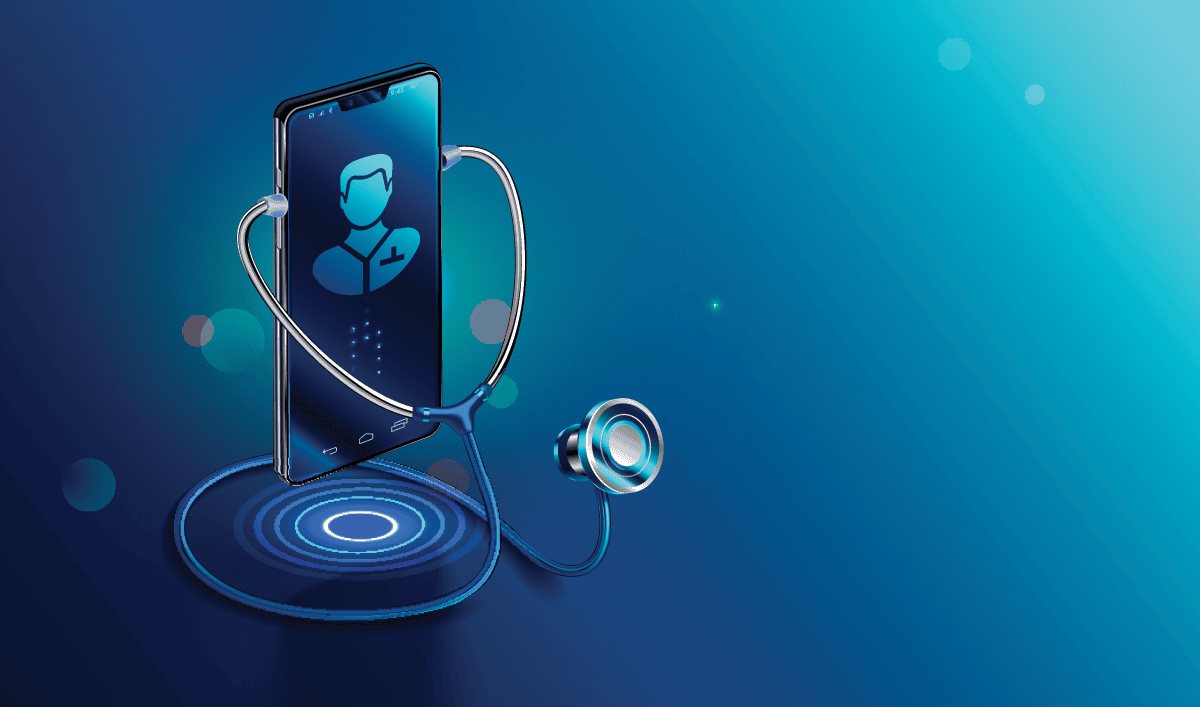
Ziv Yekutieli ’02, M.S.’07 had been working in the high-tech industry for 20 years when he presented to a group of neurologists what he thought was an exciting idea: a chip that could be implanted in patients’ brains to monitor health and disease. But the doctors were not interested. “One of the neurologists told me what they actually need is a better means to use the existing drugs and medical devices,” Yekutieli told Israeli technology news site, CTech. Probing a bit more, Yekutieli also learned that the biggest challenge the doctors faced was getting a comprehensive picture of their patient’s…