Something Fresh in the State of Denmark
October 06, 2026



















The Technion’s story has been intertwined with Israel’s for more than a century, from laying the foundations for a new nation to shaping its future.

Step inside Israeli innovation at the David and Janet Polak Visitors Center. Experience our 360° immersive movie and tech exhibition. Open to individuals and groups.
Learn More
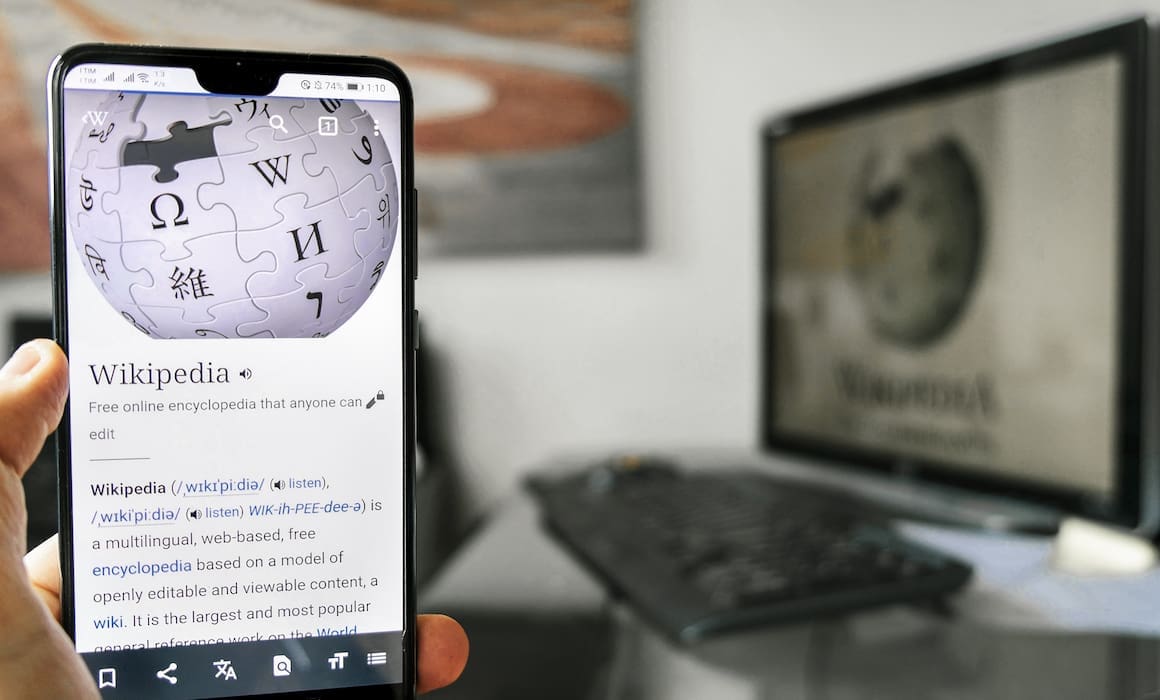
The Technion’s Social Hub and the Center for the Promotion of Learning and Teaching have teamed up with the NGO Wikimedia to encourage students to write Hebrew Wikipedia articles, with the aim of sharing knowledge with the public and expanding the free knowledge in the fields of science and engineering. Hebrew Wikipedia is the fifth largest site in Israel in terms of views, with about 2,000 page views per minute. Today, there are more than 300,000 entries on the Hebrew Wikipedia site, but there is a shortage of quality and quantity when it comes to STEM subjects — science, technology,…
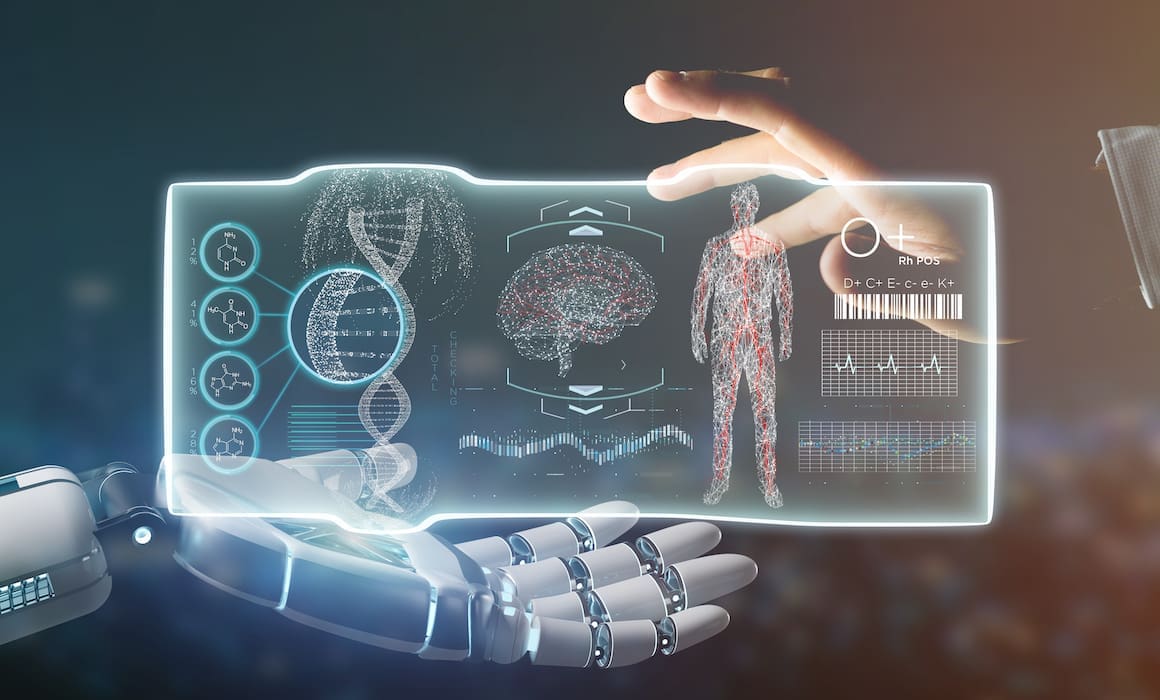
Three research groups have won a unique grant from the Technion’s Human Health Initiative (THHI). The brainchild of Technion President Professor Uri Sivan, the TTHI promotes interdisciplinary research related to the worlds of health and medicine. “Human health is one of the main challenges facing humanity in the 21st century,” said President Sivan. “Like other huge challenges, a significant revolution in human health requires multidisciplinary efforts. The THHI brings together researchers from different faculties on the premise that removing boundaries between faculties and disciplines is essential to preserve the Technion’s world-class status and to meet the challenges of the 21st…
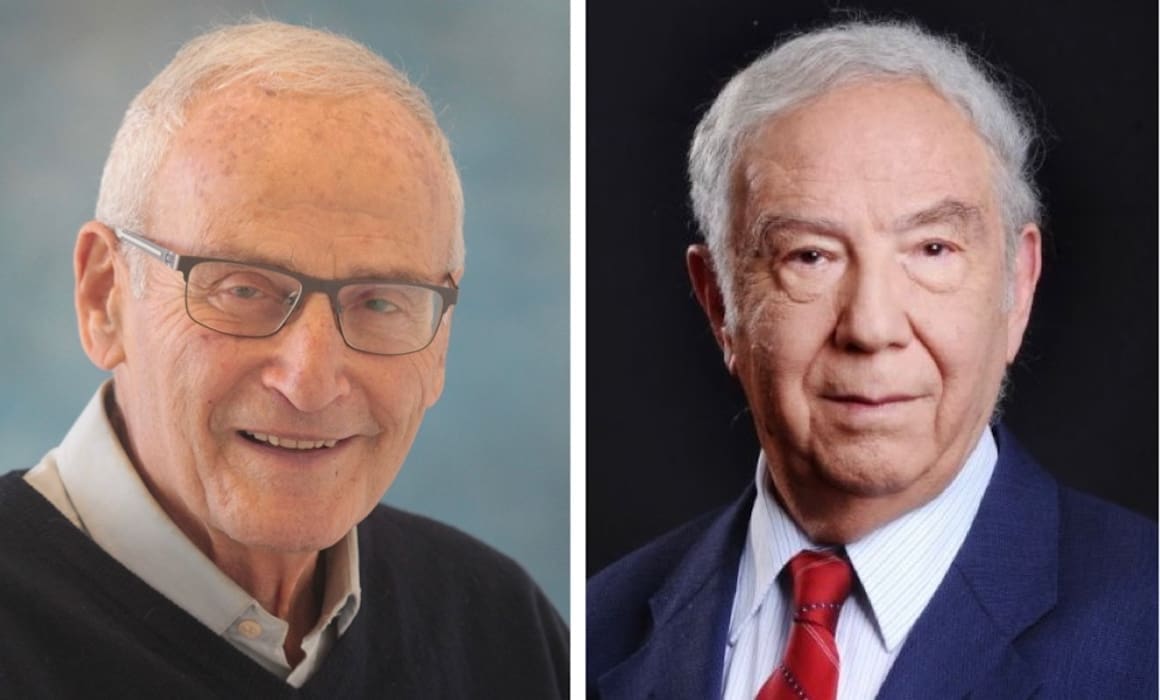
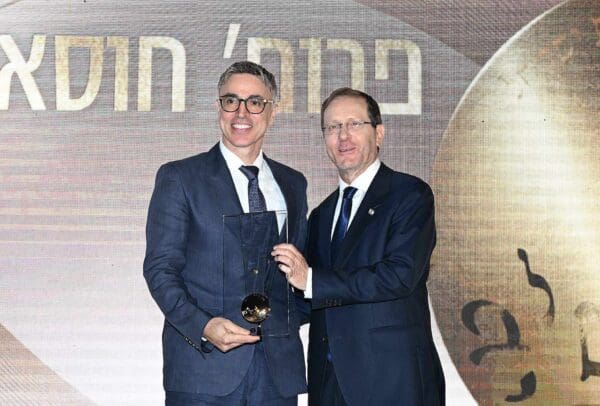
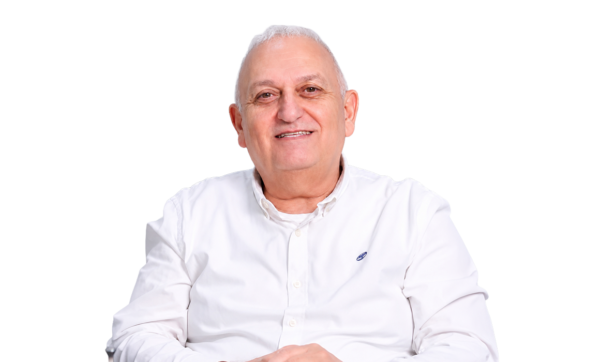
Pictured Above / Prof. Emeritus Joshua Zak (left), Prof. Emeritus Yoram Palti (right) Israel’s Minister of Education, Dr. Yifat Shasha-Biton, recently announced that two Technion faculty members have been recognized with prestigious Israel Prizes for their contributions to their field and society. Professor Emeritus Yoram Palti of the Technion’s Rappaport Faculty of Medicine is the winner of this year’s Israel Prize for Entrepreneurship and Technological Innovation, and Professor Emeritus Joshua Zak of the Department of Physics has been awarded the 2022 Israel Prize for Physics and Chemistry Research. Prof. Palti was given the honor for a non-invasive, highly selective method…
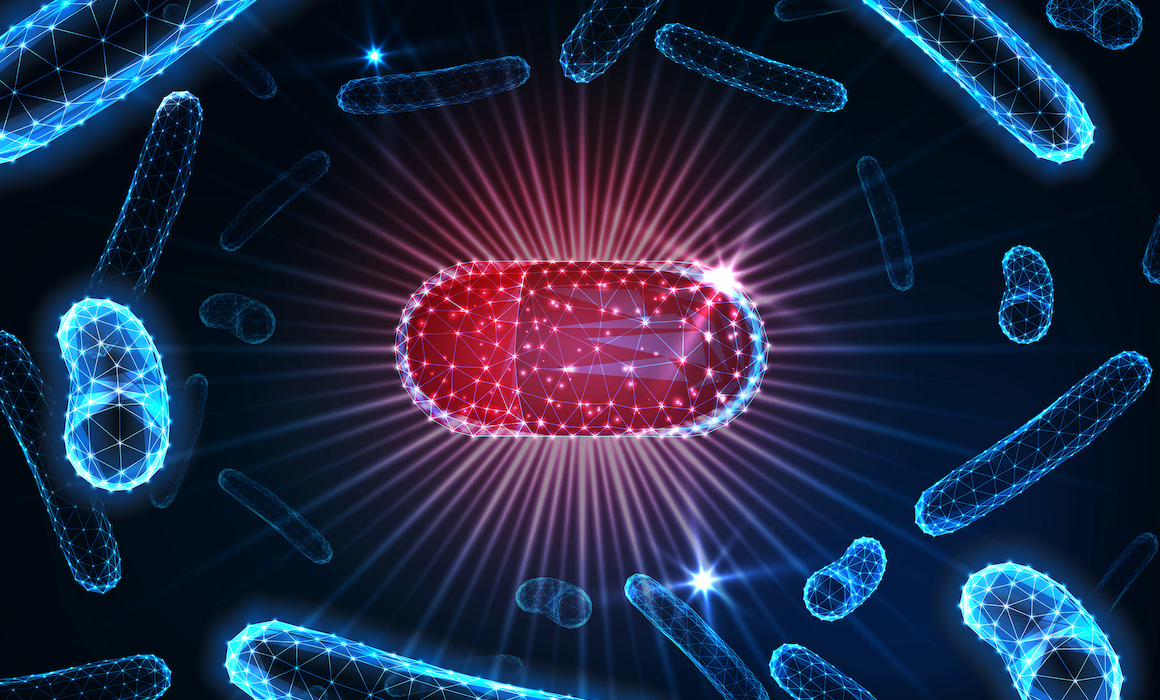
Antibiotics are a double-edged sword: on the one hand, antibiotics are essential to curing bacterial infections. On the other hand, their use promotes proliferation of antibiotic-resistant bacteria. Using genomic sequencing techniques and machine learning analysis of patient records, researchers from the Technion – Israel institute of Technology and Maccabi KSM Research and Innovation Center have developed an antibiotic-prescribing algorithm that cuts the risk of emergence of antibiotic resistance by half. The paper, published in Science, is a collaboration between the research group of Professor Roy Kishony from the Technion Faculty of Biology and the Henry and Marilyn Taub Faculty of…
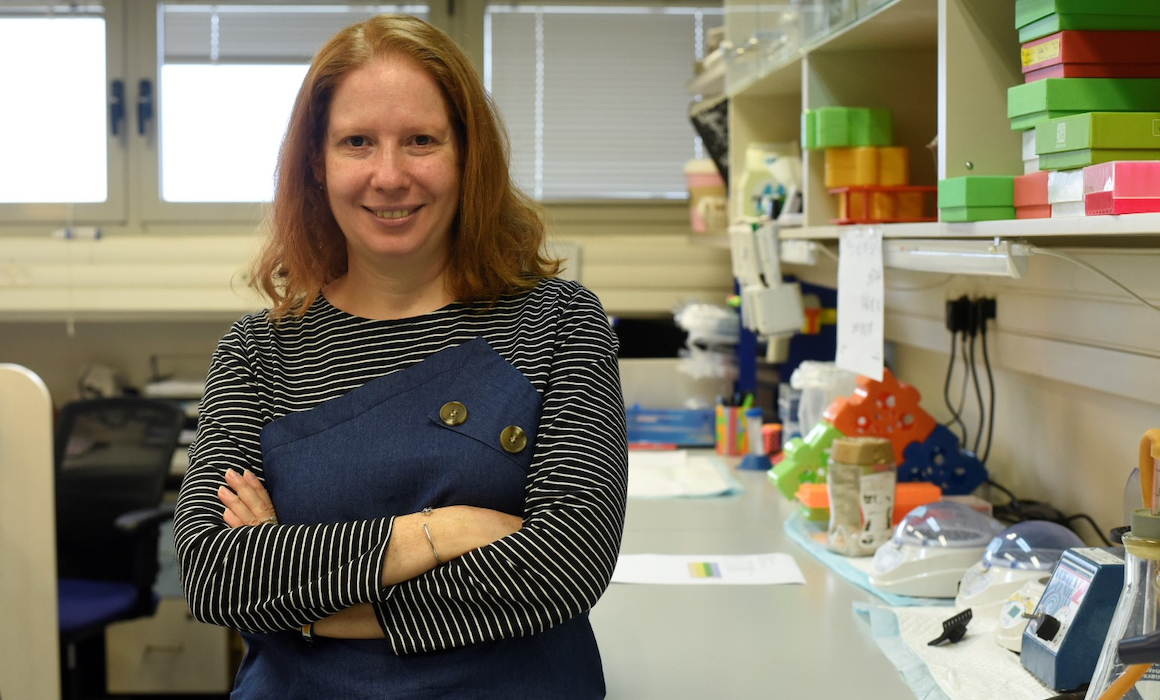
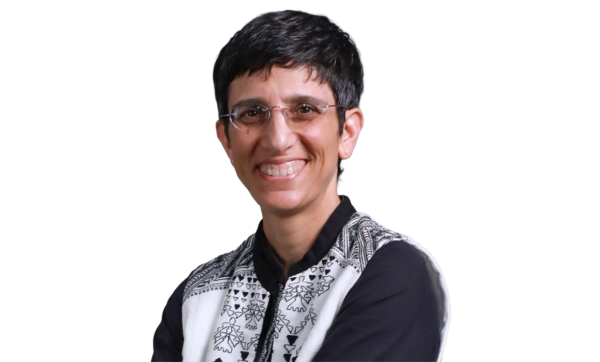
Pictured Above / Professor Reut Shalgi Researchers at the Technion’s Rappaport Faculty of Medicine have discovered that the body has the capability of curing various neurodegenerative diseases, including Huntington’s, Alzheimer’s, and ALS. Unfortunately, however, the body often fails to detect the problem and activate the solution. Professor Reut Shalgi likened the situation to computer troubleshooting. Often you don’t recognize at first that something is wrong with your computer. And when you do, finding the solution is hit or miss. “It is the same with our cells,” she said. “They do not always realize there is a problem, or know how…

Photo credit: Advance Materials Magazine Patients suffering from sodium-related diseases and other conditions currently must visit a clinic or hospital for blood tests that can be painful and do not provide online or immediate results. Now, Technion researchers have developed a smart, wearable “band-aid” fitted with microneedles that continuously monitor a person’s medical condition and send the data to the patient or doctor. The research, recently featured on the cover of Advanced Materials, was led by Professor Hossam Haick, postdoctoral fellow Dr. Youbin Zheng, and Ph.D. student Rawan Omar of the Wolfson Faculty of Chemical Engineering and the Russell Berrie…
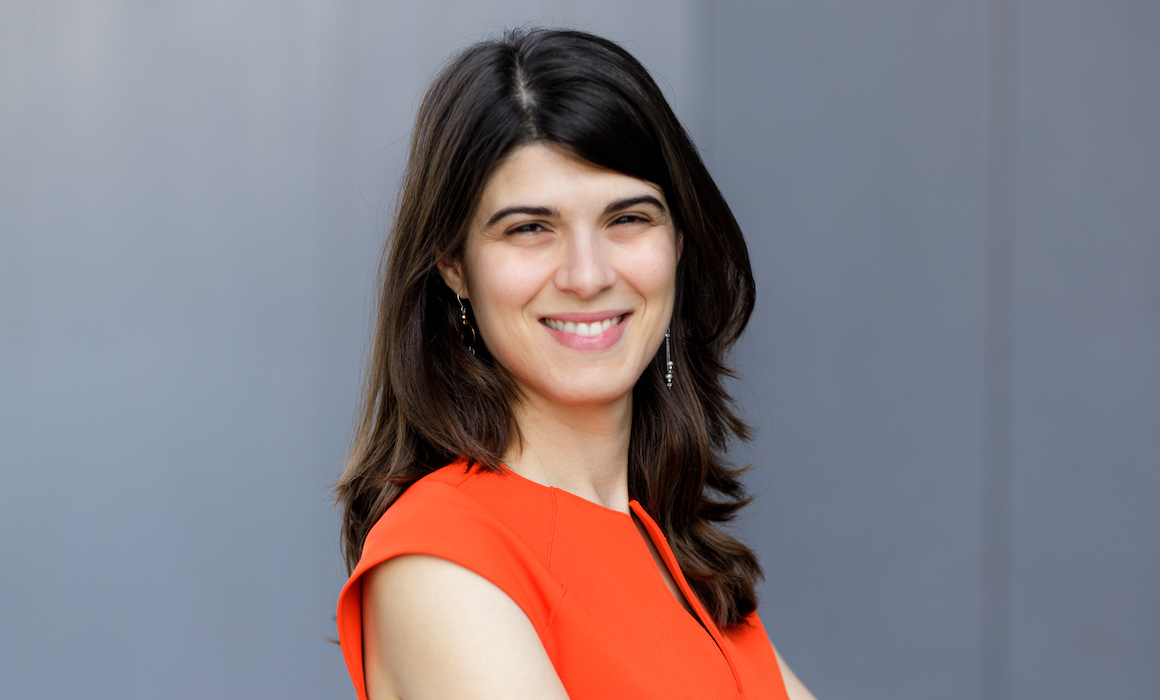
Pictured Above / Dr. Kira Radinksy / Photo credit: Omer Hacohen The last step in developing a drug or medical treatment is the clinical trial, which confirms the treatment’s efficacy in humans and its safety. While a long and expensive process, a successful clinical trial is essential to receiving approval from the FDA or other regulating authorities. Yet clinical trials have long underrepresented women, leading to misdiagnosed diseases and adverse drug reactions. A new article in the Journal of the American Medical Informatics Association (JAMIA) by researchers at the Henry and Marilyn Taub Faculty of Computer Science at the Technion…
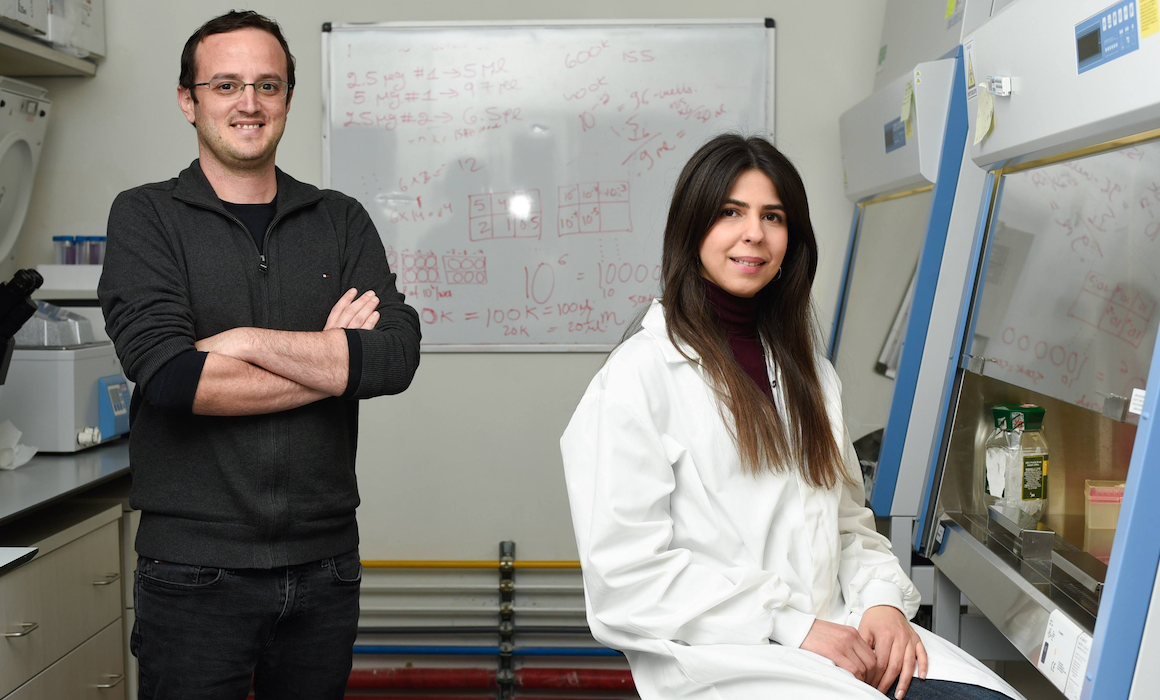
Pictured Above / Prof. Yotam Bar-On (left) and Dina Khateeb / Photo credit: Rami Shelush, Technion Spokesperson’s Office. Although the original form of the novel coronavirus — SARS-CoV-2 — was armed with an effective system against mutations, it was not immune to them. Indeed, the virus has since “split” into variants according to differing evolutionary variables in different populations. These mutations occur in the spike protein of the virus, which allows it to penetrate the cells in our body. The development of new variants is the result of random mutations and natural selection. Most mutations do not significantly alter the…
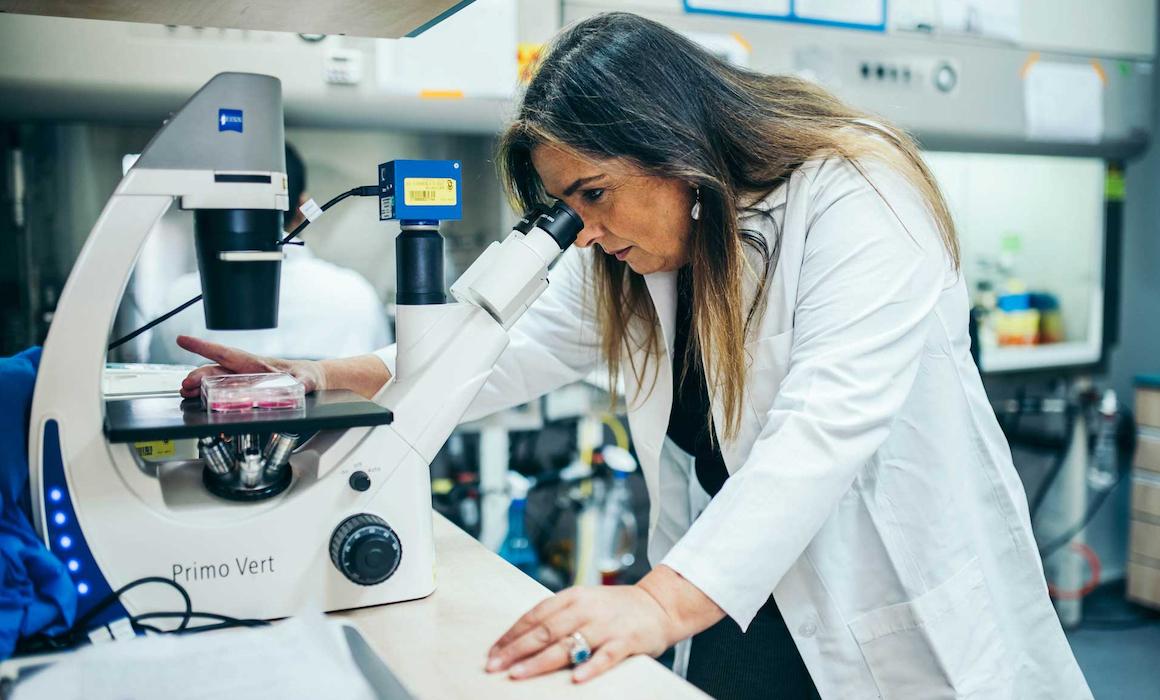
Pictured Above / Professor Marcelle Machluf, dean of the Technion Faculty of Biotechnology and Food Engineering. Israel’s food sector is a $20 billion business, representing 5% of the country’s GDP. Yet lack of capital, stagnating innovation, and rapidly changing consumer demands threaten to erode this success. The new Carasso FoodTech Innovation Center, part of the Faculty of Biotechnology and Food Engineering’s Bio-Health Technology Innovation Initiative, aims to tackle these unanswered challenges. The Center will develop sustainable ways to supply a healthy, tasty, and nutritious diet to a growing world population, while growing Israel’s food sector. “We overfish, overgrow, and overuse…
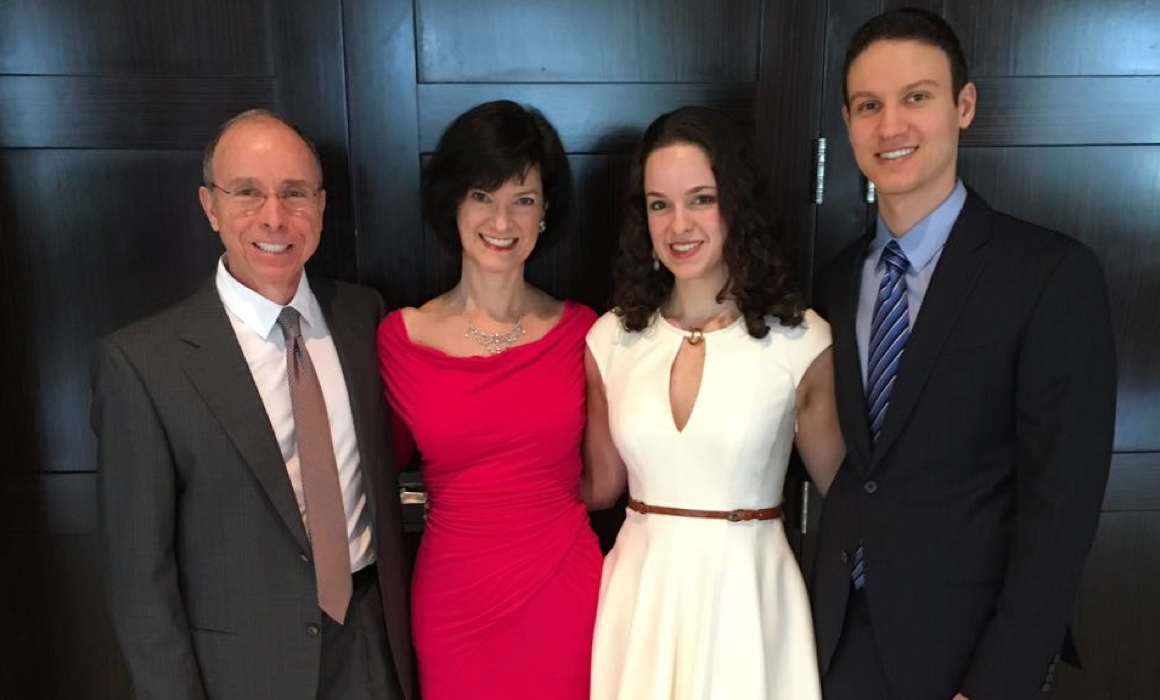
Pictured Above / Melanie with her family (L to R) husband Rene, Melanie, daughter Ilana, and son Alex Many of the important things in Melanie Moreno’s life come in twos. She has two children. She has studied both biology and financial management. Now she’s found a wonderful way to double the impact of a single philanthropic gift — buying Israel Bonds in the name of the American Technion Society (ATS). “It’s a double mitzvah, a win-win,” she said. “I’m investing in Israel by purchasing the bonds and supporting the Technion at the same time.” Israel Bonds were first issued by…
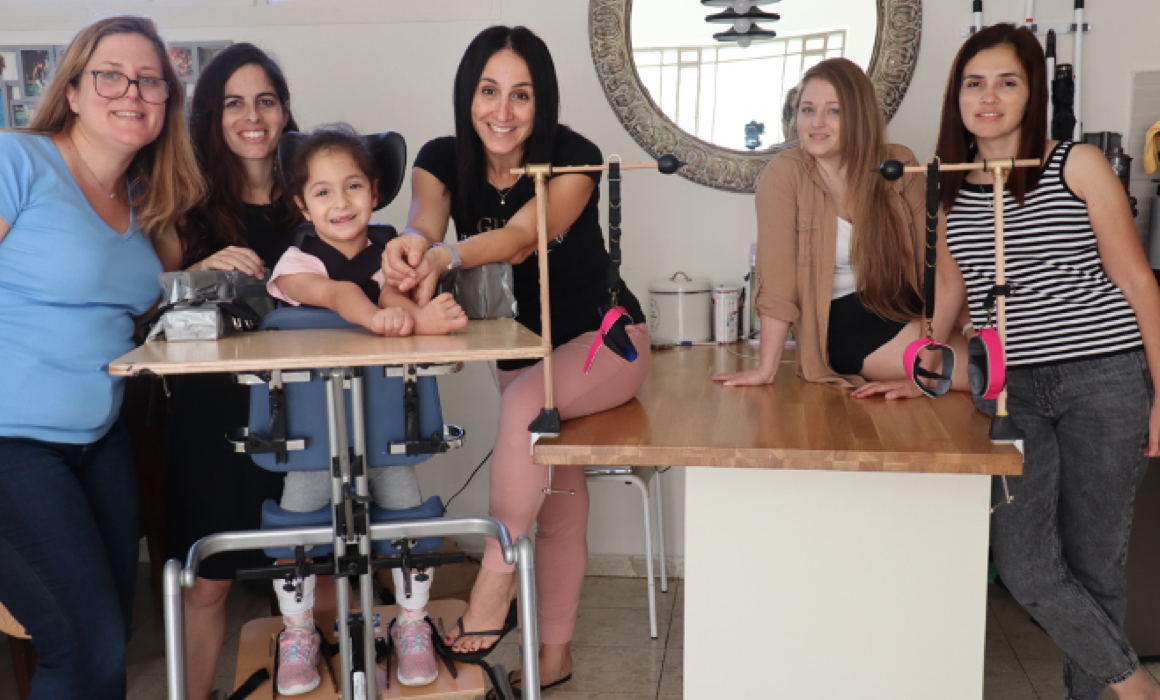
Pictured Above / (Left to right): Hadas Weizman, Sana Gur-Gelbard, Shani Zigman, Orit Zigman, Mor Heinrich, Marina Gabinski Six-year-old Shani has always yearned to draw, but her cerebral palsy has prevented her from lifting her hands independently for tabletop activities. In a heartwarming and inspiring turn of events, four students from the Technion’s Master’s of Industrial Design program teamed up with Shani’s mother to find a solution. They created an award-winning device that enables Shani to draw and eat independently for the first time in her life. “The importance of the device to Shani and the change it has made…
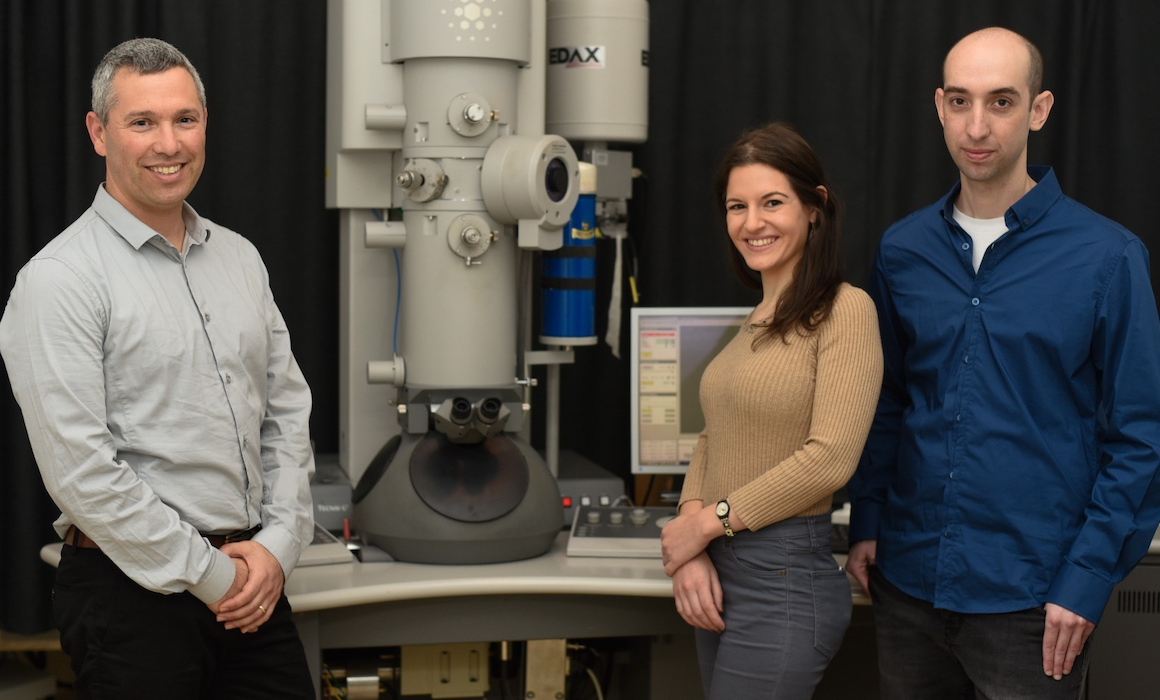
Pictured Above / ( L-R): Professor Yehonadav Bekenstein, Sasha Khalfin, and Noam Veber (Credit : Rami Shelush) What if damaged solar panels or even the cracked screen of your cell phone could heal themselves overnight? Technion scientists have developed self-repairing nanocrystals that might make that scenario a reality. Led by Assistant Professor Yehonadav Bekenstein of the Faculty of Material Sciences and Engineering, the researchers happily stumbled upon the discovery while searching for an environmentally friendly alternative to toxic lead-based perovskites, materials that are commonly used in solar panels. The scientists were using a transmission electron microscope (TEM) to take videos…