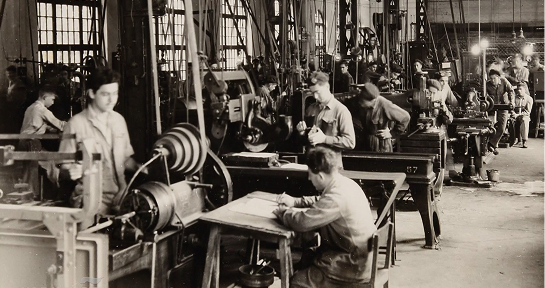
The Technion’s story has been intertwined with Israel’s for more than a century, from laying the foundations for a new nation to shaping its future.

From medicine to security, explore how the Technion is advancing Israel and improving lives around the world.
View All Impact Areas
Explore stories, news, insights, and data across articles, videos, and podcasts.
view all content types
locations
in Israel and Europe for research on artificial intelligence
in Europe and #21 in the world for aerospace engineering*
The Technion’s story has been intertwined with Israel’s for more than a century, from laying the foundations for a new nation to shaping its future.
Explore ATS, the Technion, and the people behind the breakthroughs redefining what's possible for Israel and the world.
Learn More About ATSATS is a community of supporters, innovators, and champions of possibility united by one mission: transforming Israel and the world through science and discovery.
Learn MoreFor more than 100 years, the Technion has been Israel's technological engine and leading driver of innovation, technology, and entrepreneurship, transforming ideas into impact.
Learn More
Step inside Israeli innovation at the David and Janet Polak Visitors Center. Experience our 360° immersive movie and tech exhibition. Open to individuals and groups.
Learn MoreFrom medicine to security, explore how the Technion is advancing Israel and improving lives around the world.
View All Impact AreasExplore stories, news, insights, and data across articles, videos, and podcasts.
view all content typesDiscover ways to support, connect, and help drive innovation.
Get InvolvedExplore ATS, the Technion, and the people behind the breakthroughs redefining what's possible for Israel and the world.
Learn More About ATS
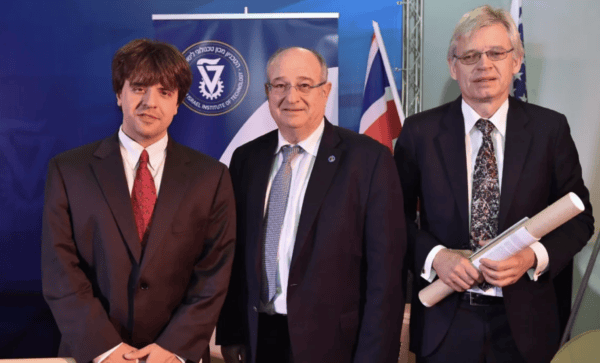
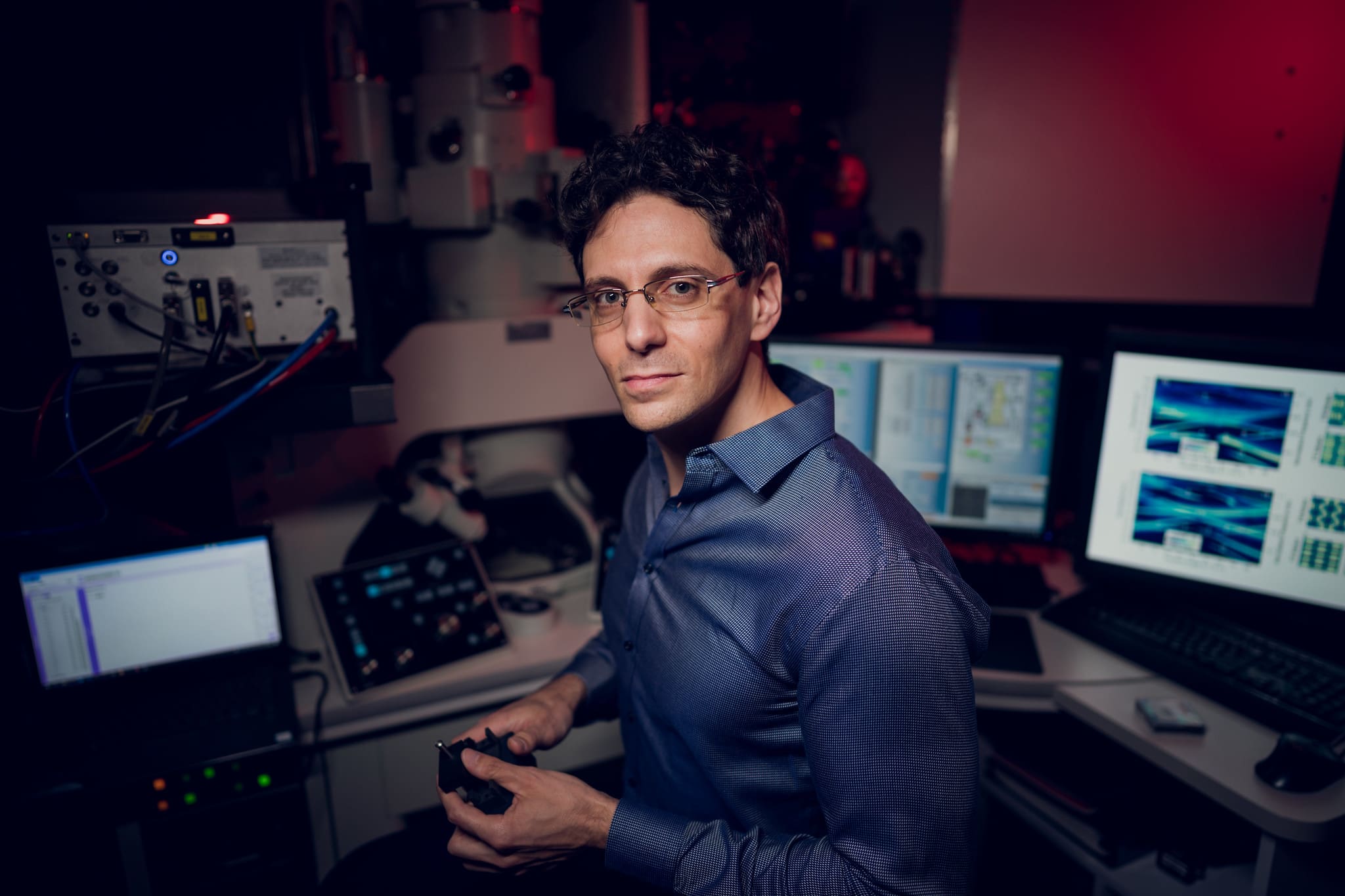
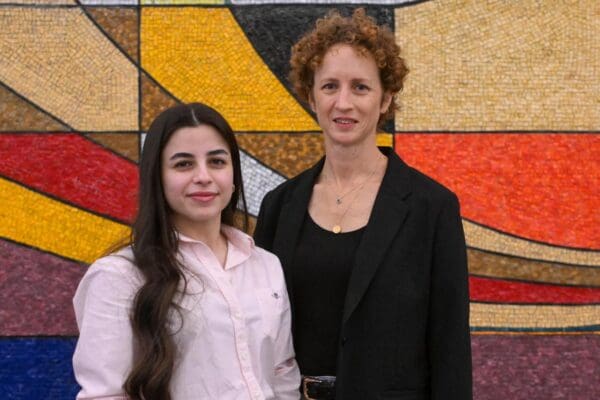
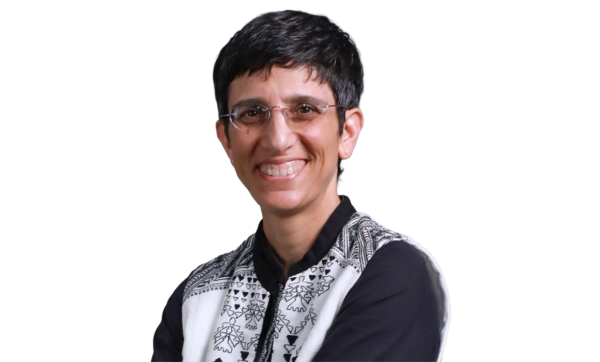
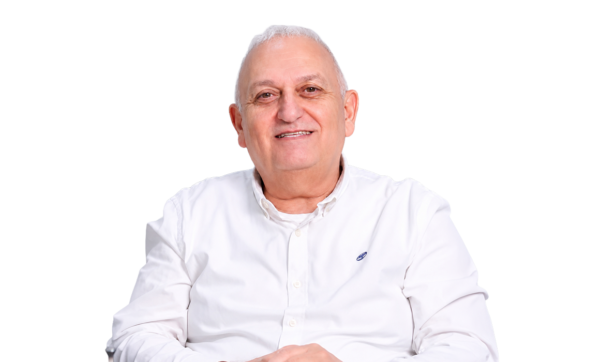
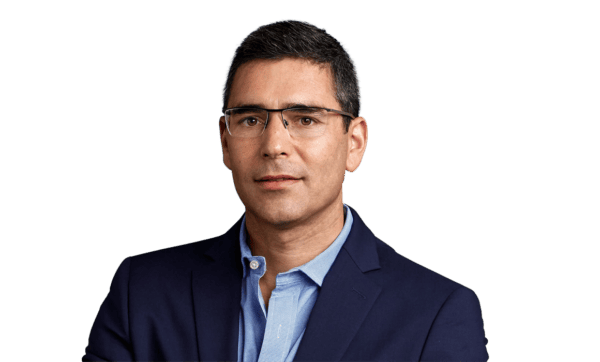
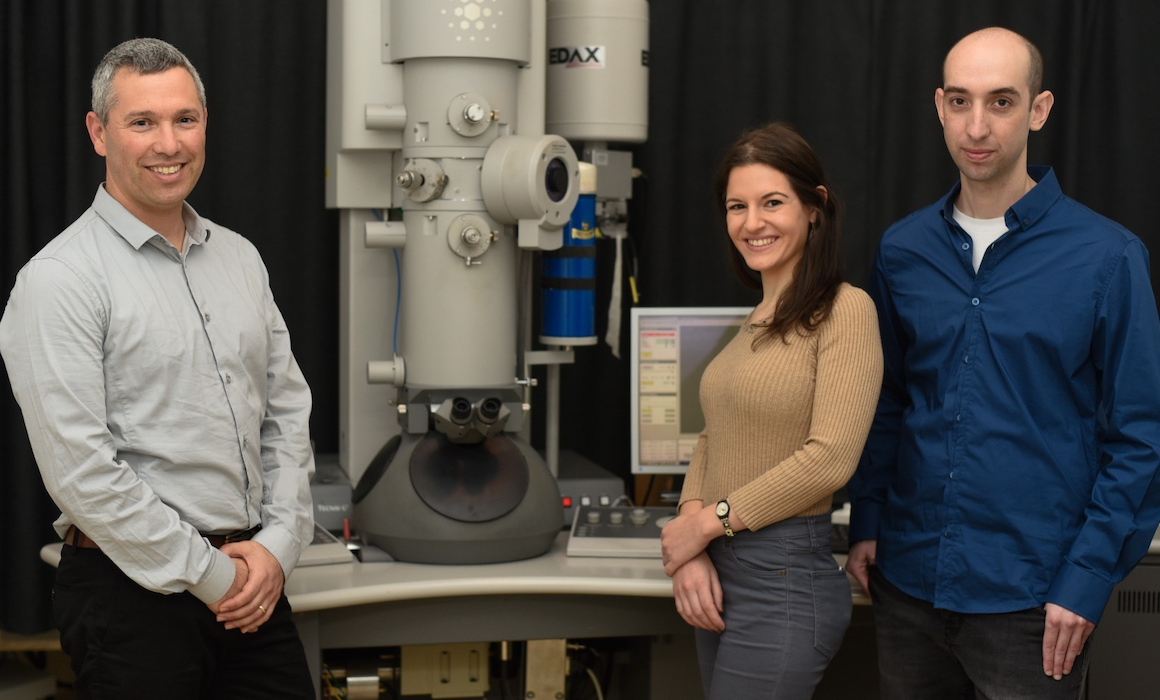
Pictured Above / ( L-R): Professor Yehonadav Bekenstein, Sasha Khalfin, and Noam Veber (Credit : Rami Shelush)
What if damaged solar panels or even the cracked screen of your cell phone could heal themselves overnight? Technion scientists have developed self-repairing nanocrystals that might make that scenario a reality.
Led by Assistant Professor Yehonadav Bekenstein of the Faculty of Material Sciences and Engineering, the researchers happily stumbled upon the discovery while searching for an environmentally friendly alternative to toxic lead-based perovskites, materials that are commonly used in solar panels.
The scientists were using a transmission electron microscope (TEM) to take videos of new perovskite nanocrystals they had created, when they noticed that the high voltage beam of their microscope caused holes on the surface of the nanocrystals. The holes seemed to move inward to more stable areas, leading Bekenstein and his team to suspect the inward movement occurred as a result of organic materials that coat the nanocrystals’ surface. When they removed the layer of molecules, the crystals spontaneously ejected the holes and repaired themselves.
The discovery could provide a better understanding of self-repairing materials, and pave the way for use in a variety of electronics including solar panels in space, which are often damaged by micro-meteorites.
Prof. Bekenstein joined the Technion in 2018 after completing a postdoctoral fellowship at the University of California, Berkeley, and has since won the 2020 ERC Starting Grant for early-career scientists.
January 13, 2022
Discover how Technion scientists are revolutionizing electronics with self-healing nanocrystals for better solar panels.
1 min
X (opens in a new tab) / Facebook (opens in a new tab) / LinkedIn (opens in a new tab) / Email / Copy Link
Natural Sciences / Energy / Faculty /
Artificial intelligence is not simply changing higher education — it is detonating old assumptions about how students learn and how professors teach. As universities worldwide grapple with how to respond, the Technion is working to confront the questions head-on. Here, AI is not treated as a threat but a catalyst, prompting careful reexamination at every […]
Every year, the European Research Council (ERC) identifies some of the world’s most promising early-career researchers and gives them the freedom to pursue bold ideas. This year, two of those ideas came from the Technion – Israel Institute of Technology. From cancer research to artificial intelligence (AI), breakthroughs that shape the future often begin with […]
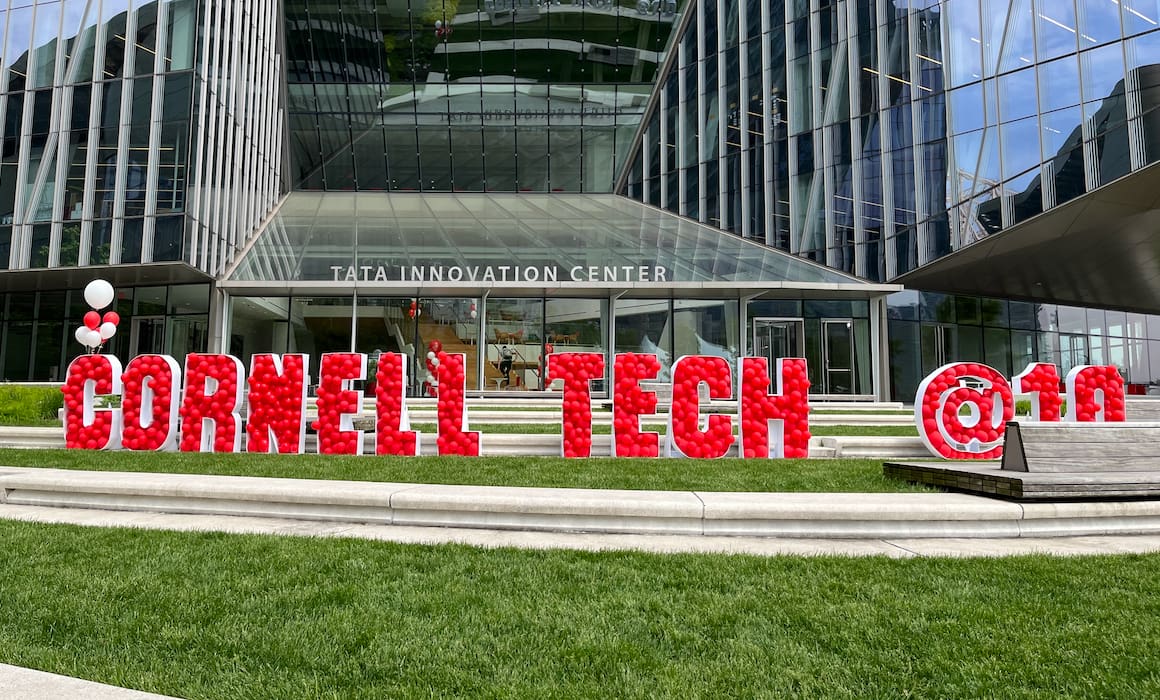
Despite New York City Mayor Zohran Mamdani’s past calls to boycott Cornell Tech because of its partnership with Israel’s Technion-Israel Institute of Technology, city officials and Jewish community leaders on Wednesday announced a $250,000 investment in a Cornell Tech research initiative aimed at expanding New York City’s tree canopy to combat rising temperatures. New York City Council Speaker Julie Menin, the first Jewish woman to hold the post, and other officials unveiled the funding for Cornell Tech’s Urban Tech Hub at the Jacobs Technion-Cornell Institute on Roosevelt Island. The grant will launch the Generative Tree Canopy Project, which will use…
Stay on top of the latest breaking scientific discoveries from Israel and the Technion. Subscribe to the ATS newsletter.