Something Fresh in the State of Denmark
October 06, 2026
















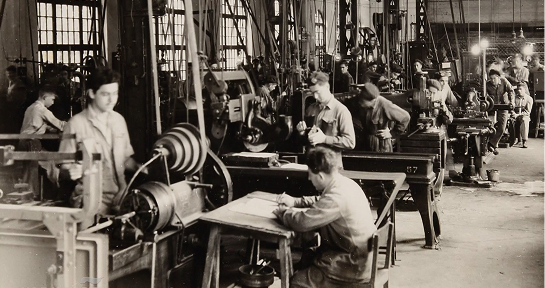
The Technion’s story has been intertwined with Israel’s for more than a century, from laying the foundations for a new nation to shaping its future.
Step inside Israeli innovation at the David and Janet Polak Visitors Center. Experience our 360° immersive movie and tech exhibition. Open to individuals and groups.
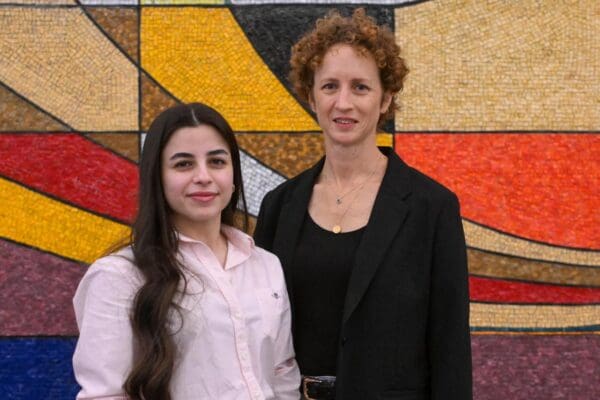
Learn MoreProf. Lihi Zelnik-Manor is developing technologies that could one day allow us to experience the sensation of touch across the digital world.
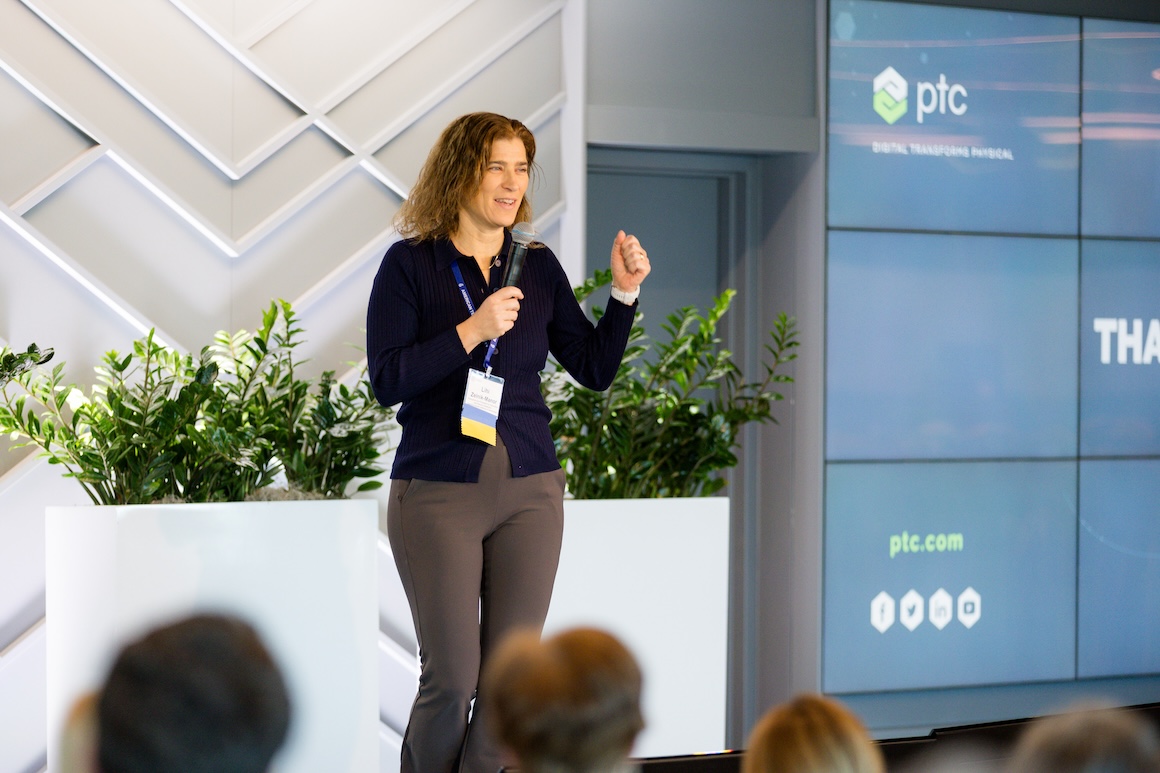
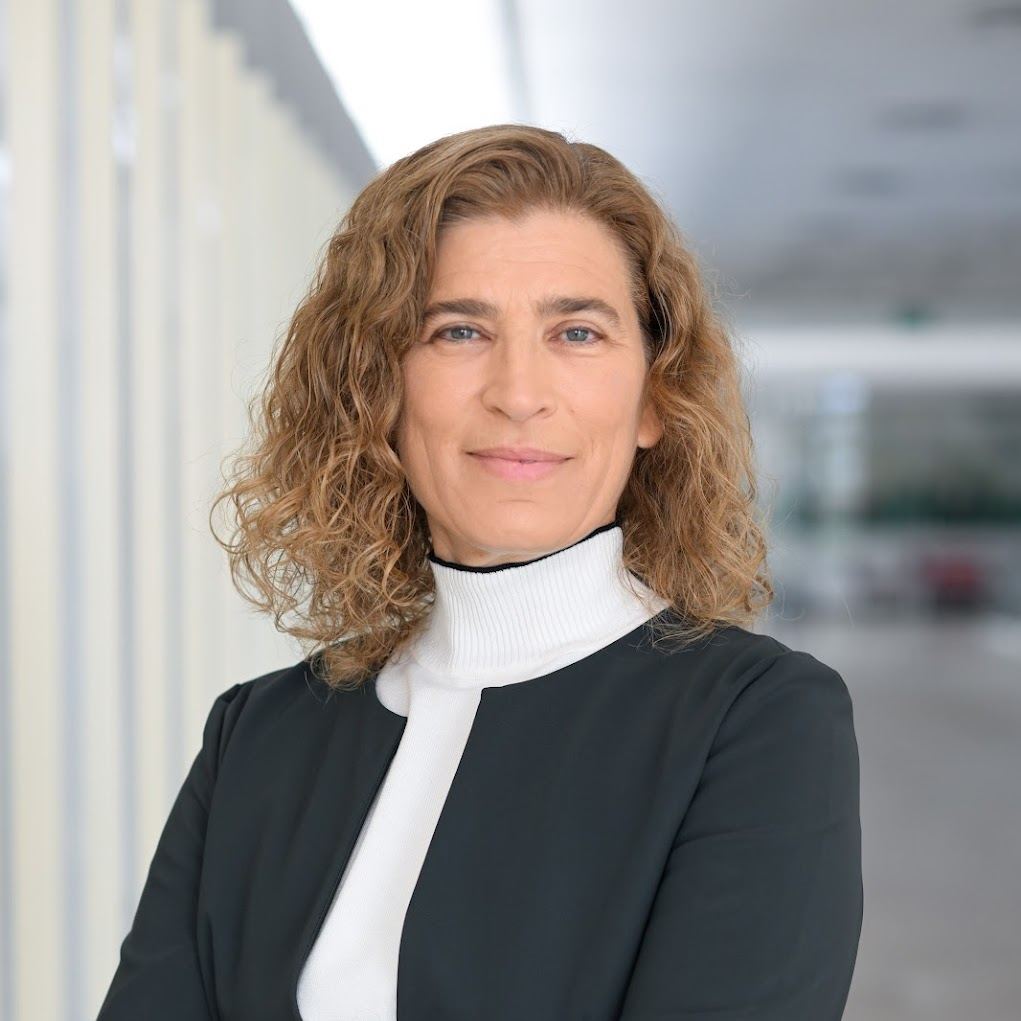
Imagine a future where technology allows us not only to see and hear each other from great distances but also to feel – examining a sick patient or tucking in a grandchild from across the globe. Techion Professor Lihi Zelnik-Manor is on a mission to hone technologies that will realize these possibilities.
“I love thinking about the applications of technologies that simulate the sensation of touch: providing medical professionals with new tools, helping people who are blind, and even enabling family members to virtually touch one another across geographical distances,” she says. “The extraordinary promise of such technologies motivates my work.”
The challenge of simulating touch — especially textures — is decades away from full realization. Currently, haptic systems, systems that relate to the sensation of touch, rely on simple vibration motors to simulate touch. These motors are used to provide sensory feedback in devices like haptic gloves or robotic arms, which allow users to “feel” when they grip an object. However, when it comes to simulating detailed textures like the roughness of concrete or the smoothness of fabric, the technology has been limited.
Prof. Zelnik-Manor is working on new innovations that aim to replicate the tactile experience of touching real-world textures. In one experiment, she and her team built a tablet with air pressure systems, which resembled an air hockey table, to simulate tactile feedback and explore the possibility of conveying images to blind individuals through touch. The project faced challenges as the team ultimately realized that humans struggle to understand complex spatial layouts through touch alone. Nonetheless, the experiment provided valuable information about haptic technology.
In a more promising recent experiment, Prof. Zelnik-Manor aimed to create a small device that resembled a computer mouse which could provide tactile feedback for users to recognize textures — a “haptic mouse” with an array of vibrating pins. The pins simulate various textures by stimulating the finger in a way that mimics the sensation of touching real surfaces. The device capitalizes on the brain’s ability to reconstruct textures as users move their fingers across the pins.
The device was tested against real-world 3D-printed materials, and results showed that while the device was not as accurate as physically touching the materials, it was still effective. In the experiment, participants were able to recognize textures with 86% accuracy using the haptic device, compared to 97% accuracy with the 3D-printed surfaces. The recognition process was slower with the device, taking around two minutes versus one minute with the 3D prints. Despite these limitations, the experiment demonstrated the potential of virtual haptic feedback for texture recognition, moving beyond basic tactile tasks to more complex real-world textures.
One of the most exciting applications of haptic technology lies in medicine, particularly in laparoscopic surgery. Surgeons currently rely on visual feedback to differentiate between healthy and unhealthy tissue. If haptic feedback could be integrated into surgical tools, doctors could “feel” the difference between tissues, improving precision and reducing errors. This advancement could be a game-changer in procedures like tumor removal or organ surgery.
The future of touch is just beginning to unfold. As research progresses, the digital world will become more immersive, offering not just sight and sound but also the ability to feel. Though such progress will take decades to achieve, Prof. Zelnik-Manor believes the charge fits squarely within the realm of academia and the mission of the Technion.
“To work on problems whose solutions lie 20 or 30 years in the future, this is the domain of academia,” she says. “While industry is driven to tackle problems with more near-term results, we as Technion researchers have the challenge and privilege of working on deeper, more complex mysteries.”