Something Fresh in the State of Denmark
October 06, 2026












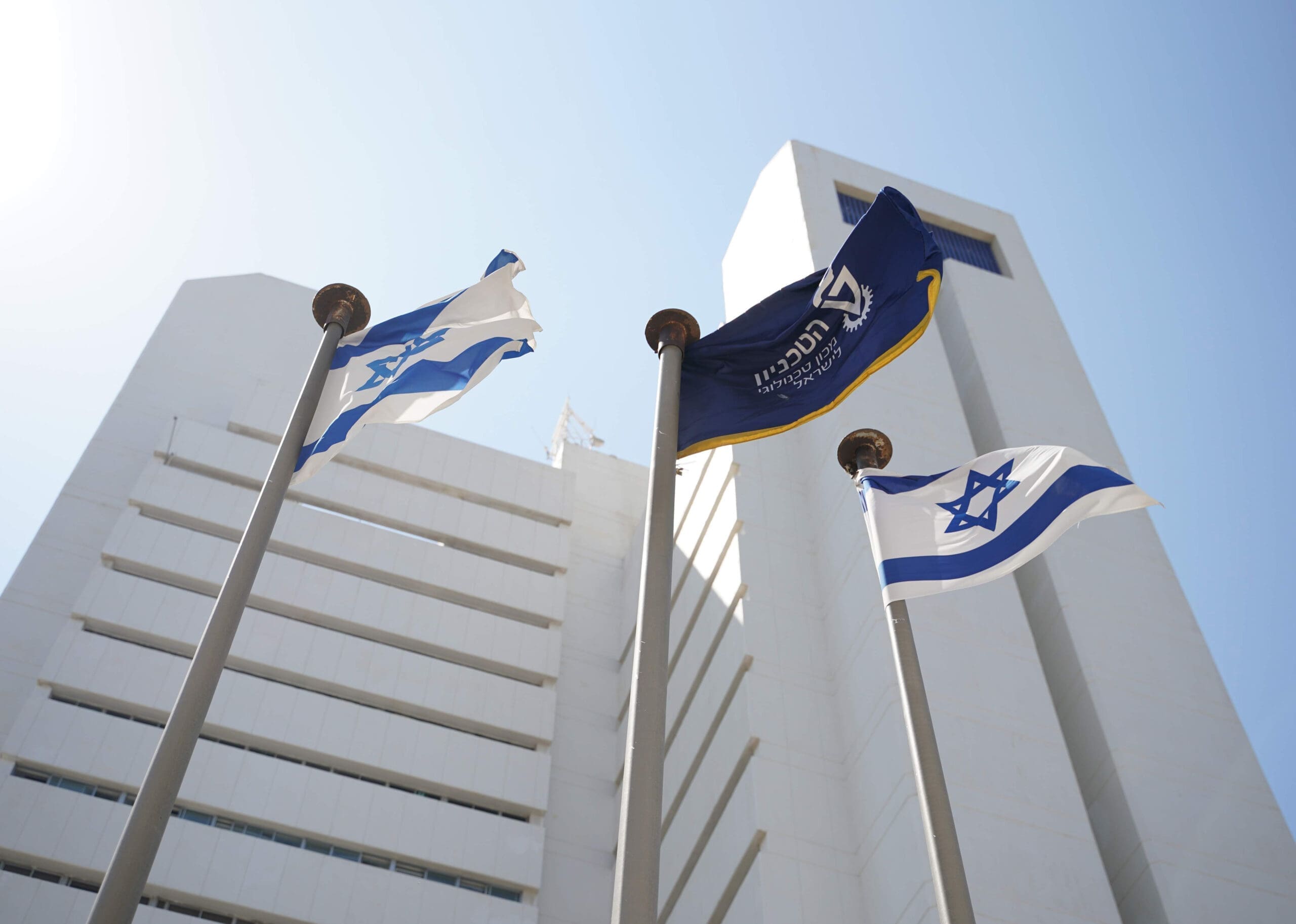



The Technion’s story has been intertwined with Israel’s for more than a century, from laying the foundations for a new nation to shaping its future.

Step inside Israeli innovation at the David and Janet Polak Visitors Center. Experience our 360° immersive movie and tech exhibition. Open to individuals and groups.
Learn More
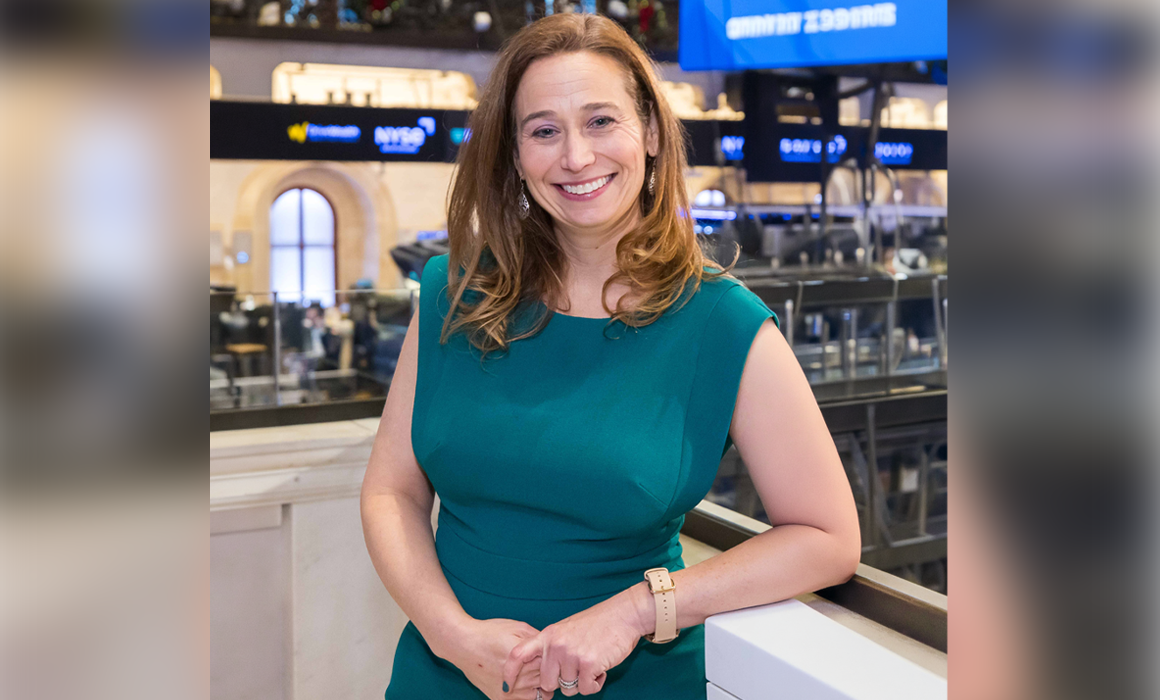
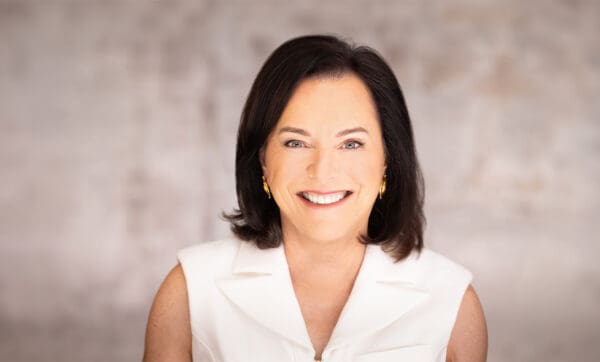
This op-ed is authored by Jenny Goldstein, chief development officer of the American Technion Society. In my last blog post, I wrote that philanthropy is most powerful when it is connected to meaning. As fundraisers and storytellers, our responsibility is not simply to celebrate Israel’s achievements. It is to help people understand why those achievements matter, how they improve lives, and why they deserve our collective support. That challenge feels especially urgent as we navigate one of the most transformative moments of our time: the rise of artificial intelligence. Not long ago, AI belonged mostly to the realm of science fiction….
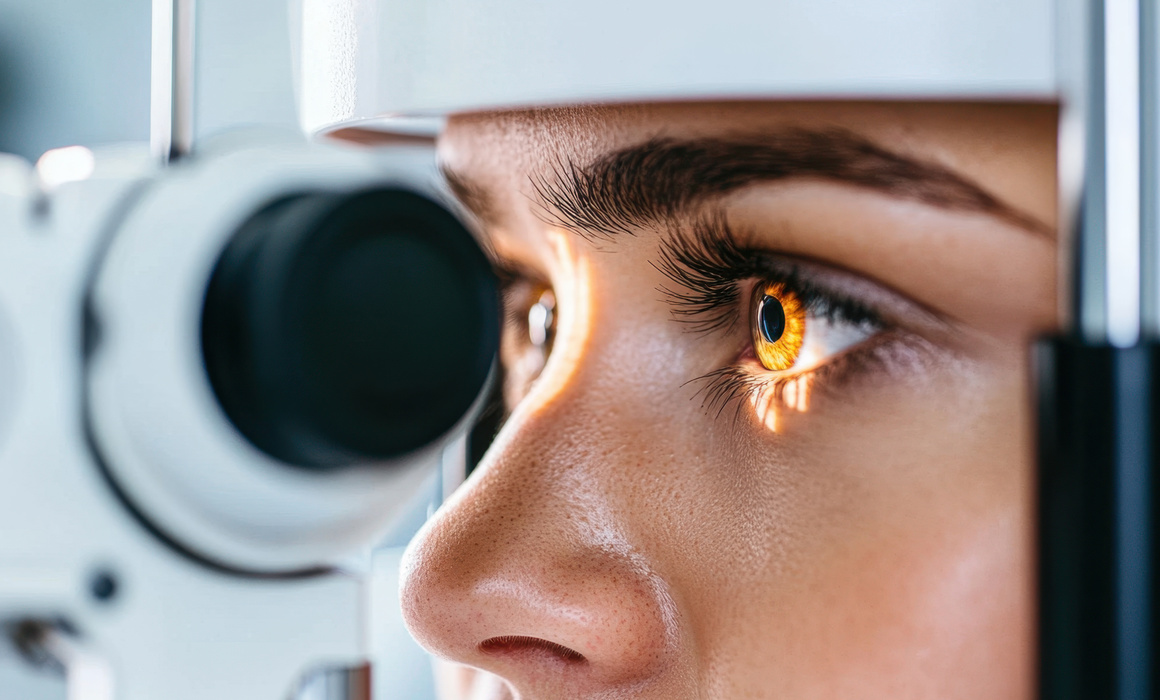
Researchers have found that old, fully mature cells in the cornea can become stem cells again. The cells rebuilt the eye’s stem cell supply even after every last stem cell had been destroyed. Cells that had nearly stopped dividing pulled off the reversal and kept the tissue healthy for the rest of the animal’s life. The cornea is the clear dome at the front of the eye, and losing its stem cells can rob a person of sight. A repair system the body runs on its own raises the prospect that some blindness could one day be reversed without a…

OpenAI CEO Sam Altman claimed on Friday that the company is currently working with artificial intelligence models at “the singularity point,” which represents the moment when AI becomes better at generating results than humans can.And Altman’s claims might not be unfounded, as Technion-Israel Institute of Technology Professor Yaniv Romano told The Jerusalem Post that he believes the singularity might have been reached, citing recent studies showing that AI models can solve mathematical problems humans can’t.”We are now in the singularity; this is the moment,” Altman claimed during an interview with the Relentless podcast, adding that the idea of reaching this…
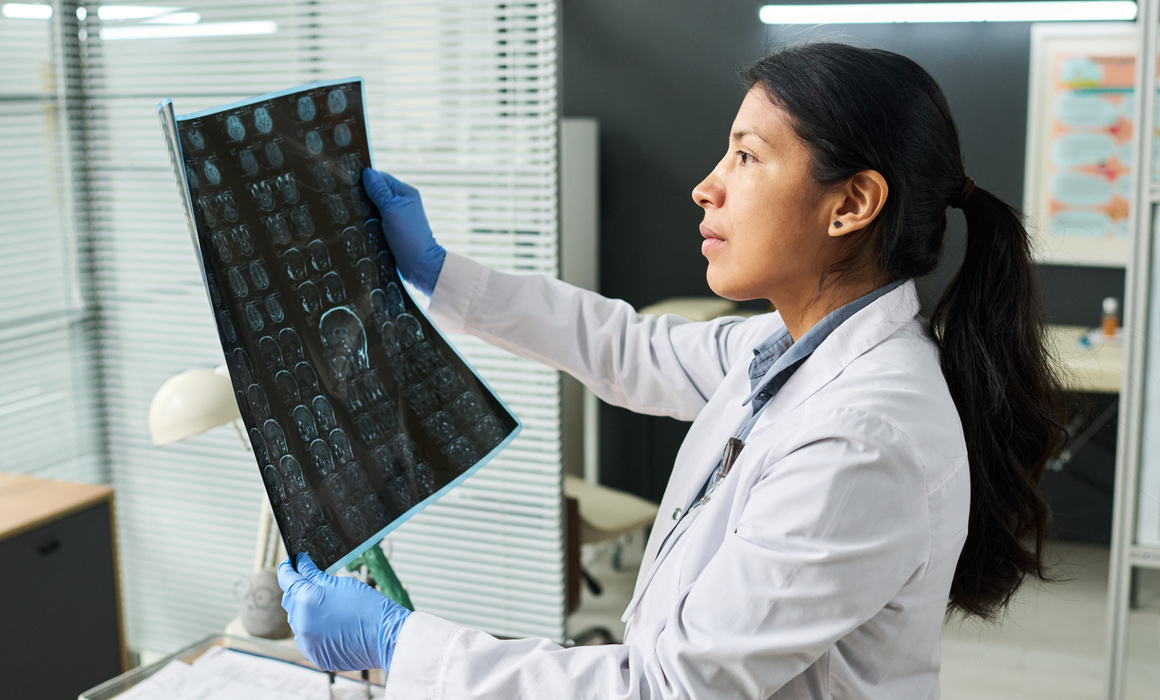
A Technion – Israel Institute of Technology – led research team has received a Gray Foundation Team Science grant to develop an artificial intelligence-powered MRI method aimed at improving early detection of ovarian cancer, particularly among women with inherited BRCA gene mutations. The project, led by Prof. Moti Freiman of the Technion Faculty of Biomedical Engineering and the May-Blum-Dahl Technion Human MRI Research Center, was selected as part of the Gray Foundation’s latest $35 million funding round for research focused on preventing, intercepting and detecting BRCA-related cancers at earlier stages. The research brings together teams from the Technion, the University…

For decades, elementary students learned the same tale of the Solar System: first come rocky terrestrial planets such as Earth, followed by gas giants such as Jupiter and ice giants such as Neptune, with lovable Pluto bringing up the rear. Then 20 years ago, planetary scientists downgraded Pluto to a “dwarf planet.” And now, they say, it’s time to revisit our idea of Neptune and Uranus, too—for the so-called ice giants likely contain very little ice. The term is “a little bit misleading,” says Ravit Helled, a planetary scientist at the University of Zürich. “We really don’t know what these…

In a paper published in Proceedings of the National Academy of Sciences, researchers from the Technion – Israel Institute of Technology and Tel Aviv University present BetaDescribe, an AI system that translates protein sequences into natural-language descriptions, opening a new path toward understanding protein functions and accelerating drug development and material design. Protein analysis is essential in medicine and biotechnology, as demonstrated by breakthroughs such as Ozempic, a drug whose development was inspired by a peptide found in the saliva of a rare desert lizard and is used to treat obesity, diabetes and other conditions. However, experimental protein characterization remains…
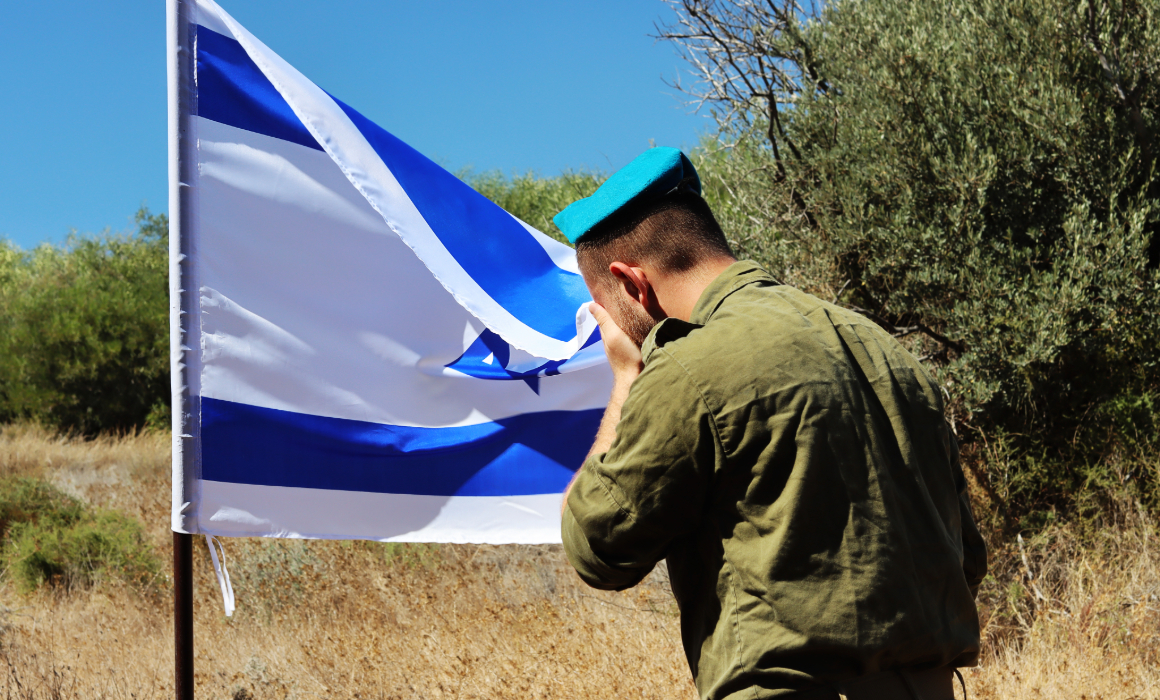
During a lecture at the Technion – Israel Institute of Technology, Idan’s mother, Eti Raz, spoke about her son’s life and legacy, mentioning that he had won first place in the Nadav Shoham Memorial “RoboTraffic” competition in 2014. The annual robotics contest is held at the Technion in partnership with the Ytek educational nonprofit, which works to reduce educational inequality. The lecture prompted Dr. Evgeny Kurtchnoy, director of the Technion’s Robotics Center, to search the university archives. There he located photographs and news coverage from the competition and made a surprising discovery: he himself had signed Idan’s winner’s certificate 12…

Vast Data, one of Israel’s fastest-growing technology companies, is using proceeds from a recent secondary transaction to establish a NIS 3 million ($1M) scholarship fund for artificial intelligence and computer science students at the Technion – Israel Institute of Technology, Tel Aviv University, and the Open University. The fund, established together with the Tmura Foundation, will be financed through options that Vast Data donated in its early years and that were exercised following the company’s recent secondary transaction at a $30 billion valuation. The scholarships will target students who meet academic, socioeconomic and social criteria, with the goal of expanding…

As the FIFA World Cup kicks off this June, Israeli football fans will once again find themselves watching from the sidelines, cheering for foreign giants as the national team misses out on the big stage. Yet, while Israeli boots won’t be hitting the grass, Israeli innovation will be everywhere. Behind the scenes of the world’s most prestigious sporting event, a powerhouse of Israeli technology companies is working to shape the tournament’s global infrastructure, driving everything from real-time broadcasting and sports data to international ticket distribution. SeatPick, a global ticket resale price comparison platform, sees the FIFA World Cup as the…

For decades, the Energy Tower by Dan Zaslavsky was one of the most audacious clean-energy ideas never built. And it was the first story we covered when Green Prophet was founded in 2007! Conceived by Dr. Phillip Carlson and championed by Professor Dan Zaslavsky of the Technion – Israel Institute of Technology, the Energy Tower proposed something almost magical: spray seawater into the top of a giant desert tower, cool the hot air, let it plunge downward at high speed, and generate electricity through turbines at the base. The hotter and drier the desert, the better it would work. Zaslavsky…
Mexico City’s Topos Azteca search and rescue brigade has been using Israeli technology to access areas still too dangerous for humans to enter in search of victims buried under the rubble in Venezuela’s La Guaira earthquake sites. The death toll in Latin America’s largest natural disaster in decades has risen to over 2,600, and while hopes of finding more survivors diminish, search and rescue teams are not stopping. Dozens of countries have sent personnel to the disaster areas, including Syria’s White Helmets (the Syria Civil Defense humanitarian aid volunteer organization). Despite not having diplomatic relations with Caracas for 17 years,…

A study published in Oncogene presents an innovative strategy for the particularly complex medical challenge of destroying aggressive, treatment-resistant tumors. The research was jointly led by early-career scientists Dr. Avital Oknin Vaisman and Dr. Deepanjan Panda from the laboratories of Prof. Amir Orian, head of the Rappaport Center for Cancer Research at the Technion – Israel Institute of Technology, and a faculty member in the Ruth and Bruce Rappaport Faculty of Medicine, and Prof. Ashraf Brik of the Schulich Faculty of Chemistry. Aggressive cancers such as bone tumors (sarcomas) and melanoma that do not respond to molecular therapies have very…