Something Fresh in the State of Denmark
October 06, 2026




















The Technion’s story has been intertwined with Israel’s for more than a century, from laying the foundations for a new nation to shaping its future.

Step inside Israeli innovation at the David and Janet Polak Visitors Center. Experience our 360° immersive movie and tech exhibition. Open to individuals and groups.
Learn More

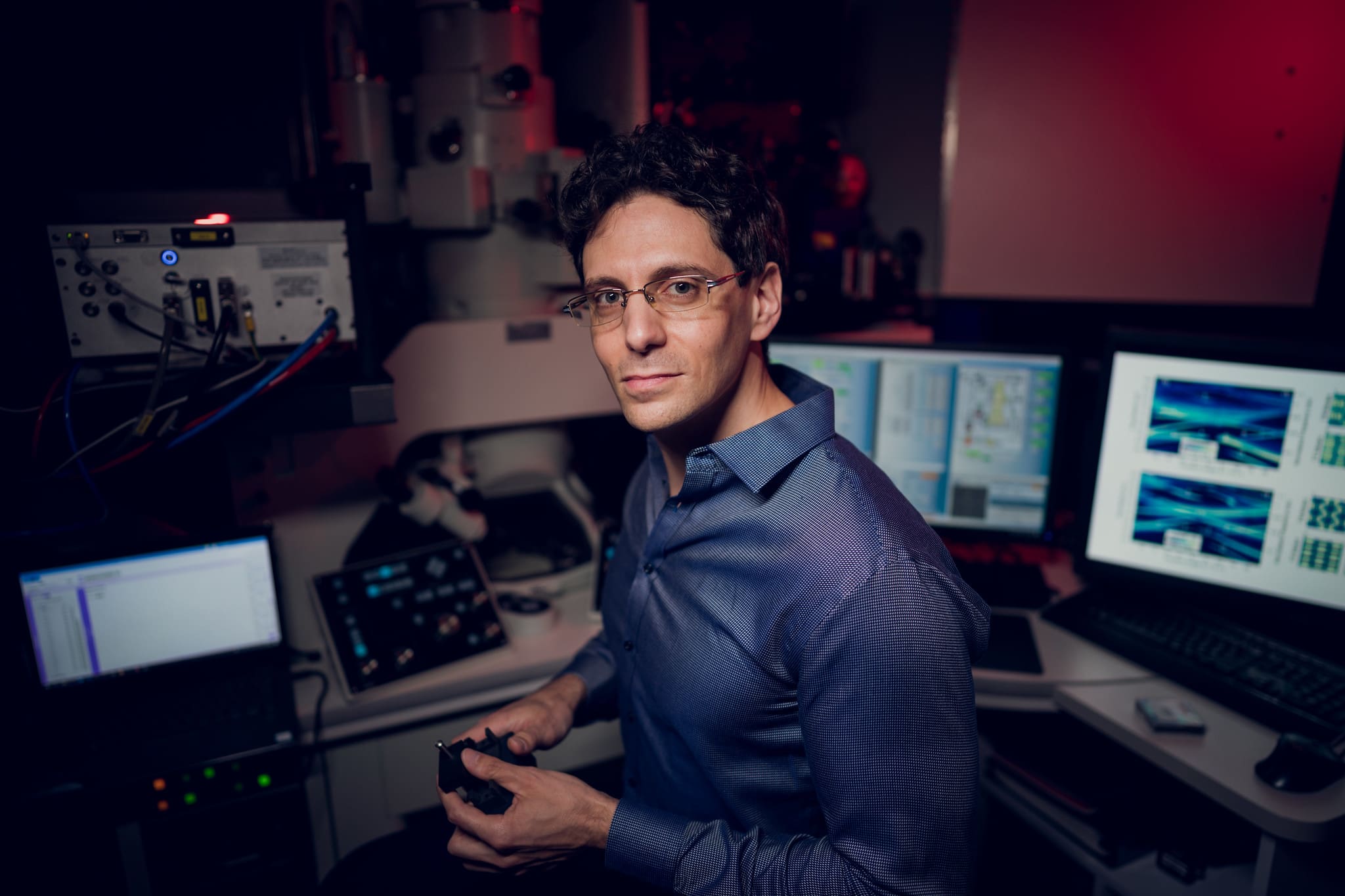
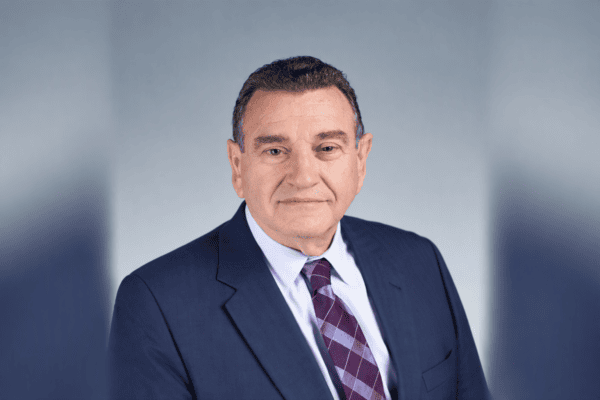
What if diagnosing cancer, Parkinson’s disease, or other serious illnesses could be as simple as breathing into a handheld device? That possibility is moving closer to reality thanks to the work of the Technion’s Prof. Hossam Haick, whose groundbreaking research is changing how diseases are detected around the world. In recognition of his extraordinary achievements, […]
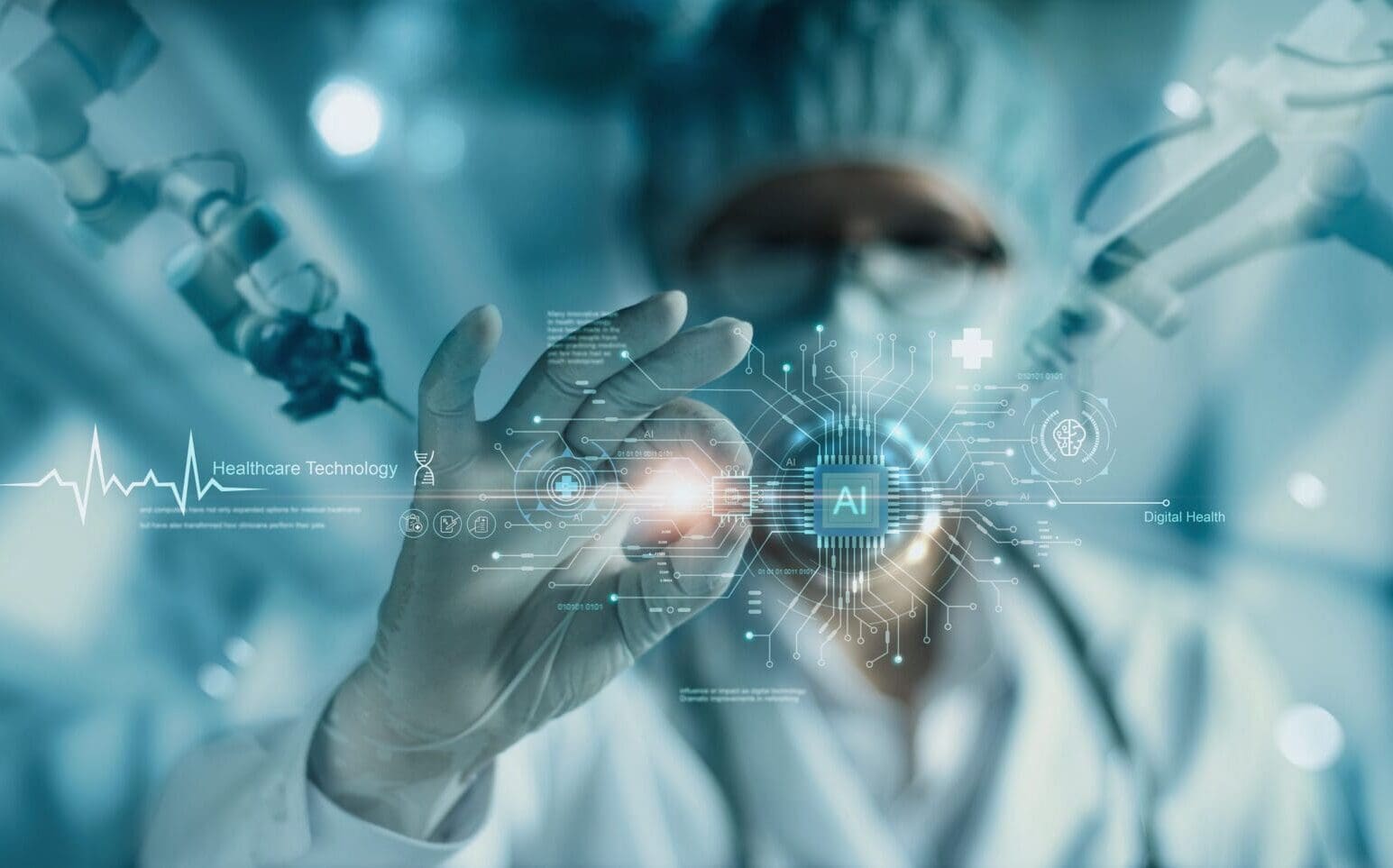
Every year, the European Research Council (ERC) identifies some of the world’s most promising early-career researchers and gives them the freedom to pursue bold ideas. This year, two of those ideas came from the Technion – Israel Institute of Technology. From cancer research to artificial intelligence (AI), breakthroughs that shape the future often begin with […]

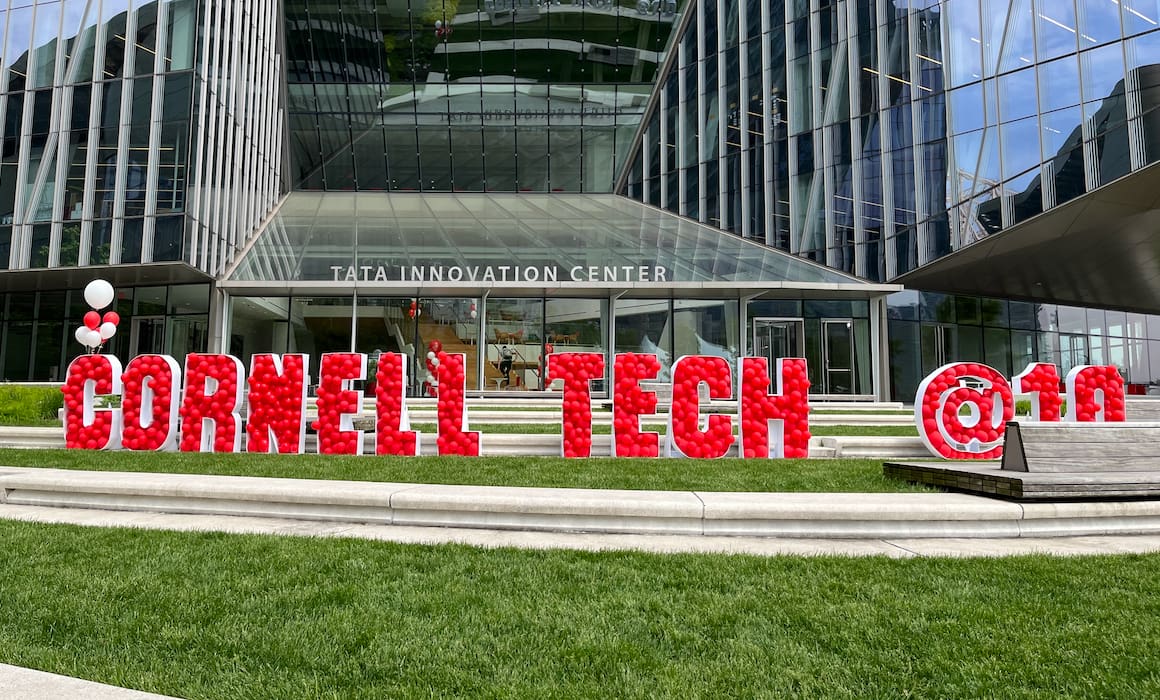
Despite New York City Mayor Zohran Mamdani’s past calls to boycott Cornell Tech because of its partnership with Israel’s Technion-Israel Institute of Technology, city officials and Jewish community leaders on Wednesday announced a $250,000 investment in a Cornell Tech research initiative aimed at expanding New York City’s tree canopy to combat rising temperatures. New York City Council Speaker Julie Menin, the first Jewish woman to hold the post, and other officials unveiled the funding for Cornell Tech’s Urban Tech Hub at the Jacobs Technion-Cornell Institute on Roosevelt Island. The grant will launch the Generative Tree Canopy Project, which will use…
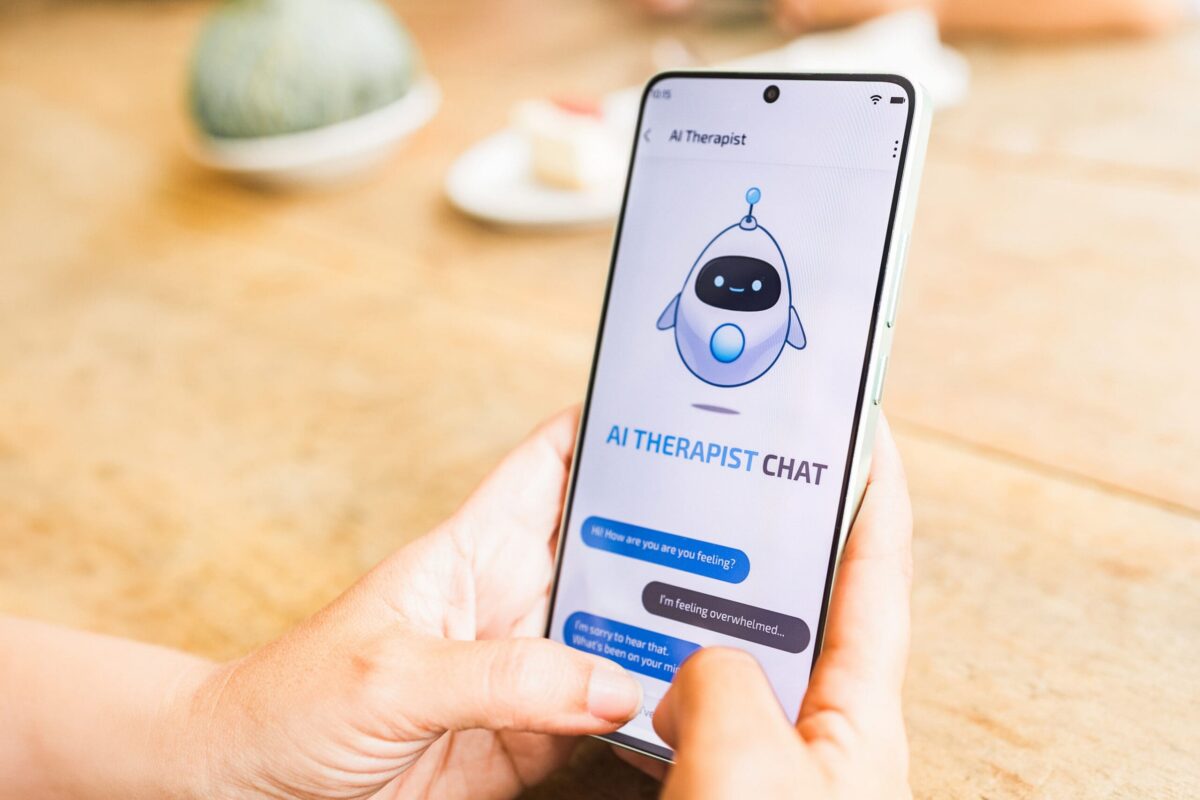
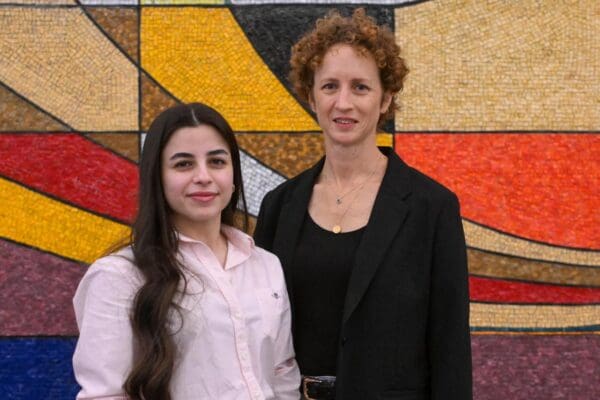
As more people turn to AI chatbots for companionship, life advice, or even as a stand-in for therapy, experts say the technology offers both new opportunities and risks when it comes to mental health. Prof. Tanzeem Choudhury is the chief of health innovation in the Joan & Irwin Jacobs Technion-Cornell Institute and has been studying AI and mental health for 15 years. She said AI tools are available any time, often at low cost, making it easier for people to access some form of mental health support.
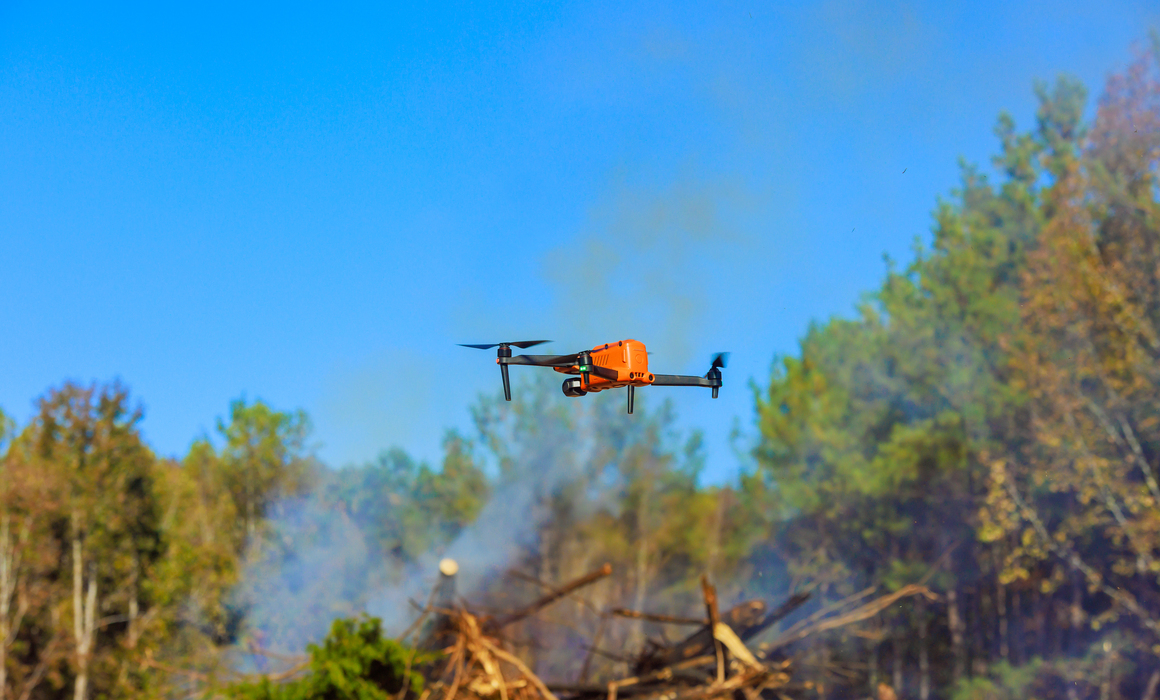
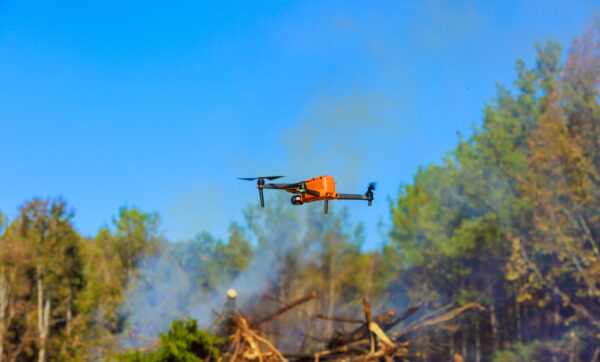
As climate change increases the frequency and intensity of wildfires, Israel is testing a new autonomous drone system designed to spot fires before they grow into large-scale disasters, combining long-endurance aviation, artificial intelligence and advanced imaging technologies. The system completed its first flight test this week as part of a joint project involving the Israeli […]

For all but a few nights of my first child’s life, her sleep has been recorded and analyzed by the Nanit Smart Baby Monitor System. A sleek white camera, bolted to the wall, points straight down at her body. High-definition footage is beamed to a server, where machine-learning algorithms log her movements and the precise […]

A new artificial intelligence system operating at Rambam Health Care Campus analyzes the data of every patient in its emergency departments in real time, suggests possible diagnoses and treatments and identifies complex or unusual cases within seconds. The system, named Shaked, has been in use at the Haifa hospital for the past six months. According to its developers, it has already shortened the time required to admit patients by one hour and reduced waiting time for specialist consultations in the adult and pediatric emergency departments by 25 minutes. “This is the first AI system involved at highly important decision-making points…
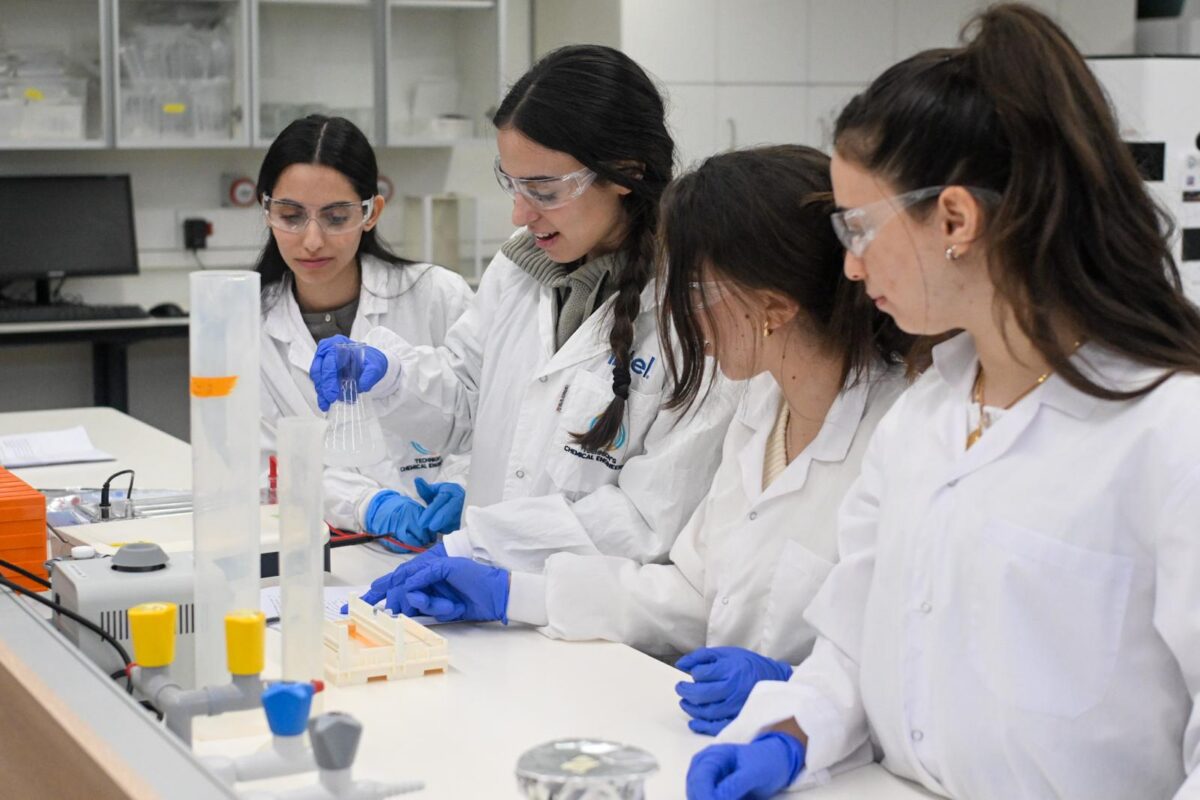
Two Israeli universities have been ranked among the world’s top 30 institutions for their ability to produce artificial intelligence talent, research and entrepreneurs, according to a new global index measuring universities’ “AI production capacity.” The Technion – Israel Institute of Technology ranked 25th worldwide, fourth in Europe and first in Israel, while Tel Aviv University […]
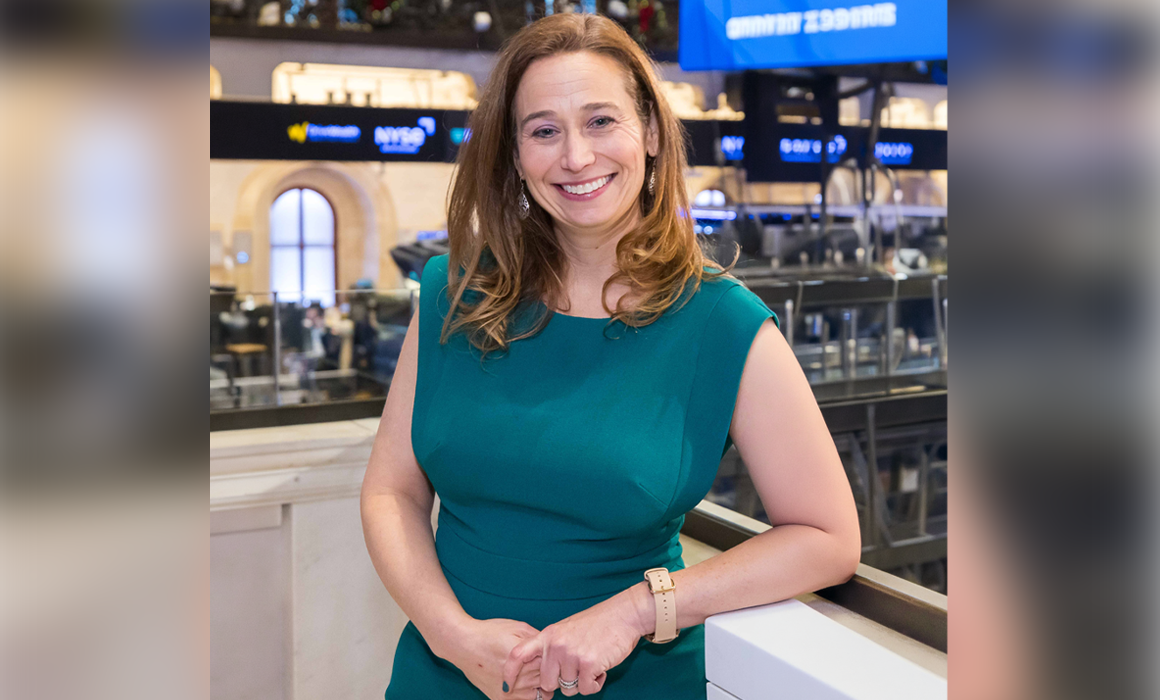
This op-ed is authored by Jenny Goldstein, chief development officer of the American Technion Society. In my last blog post, I wrote that philanthropy is most powerful when it is connected to meaning. As fundraisers and storytellers, our responsibility is not simply to celebrate Israel’s achievements. It is to help people understand why those achievements matter, how they improve lives, and why they deserve our collective support. That challenge feels especially urgent as we navigate one of the most transformative moments of our time: the rise of artificial intelligence. Not long ago, AI belonged mostly to the realm of science fiction….

OpenAI CEO Sam Altman claimed on Friday that the company is currently working with artificial intelligence models at “the singularity point,” which represents the moment when AI becomes better at generating results than humans can.And Altman’s claims might not be unfounded, as Technion-Israel Institute of Technology Professor Yaniv Romano told The Jerusalem Post that he believes the singularity might have been reached, citing recent studies showing that AI models can solve mathematical problems humans can’t.”We are now in the singularity; this is the moment,” Altman claimed during an interview with the Relentless podcast, adding that the idea of reaching this…
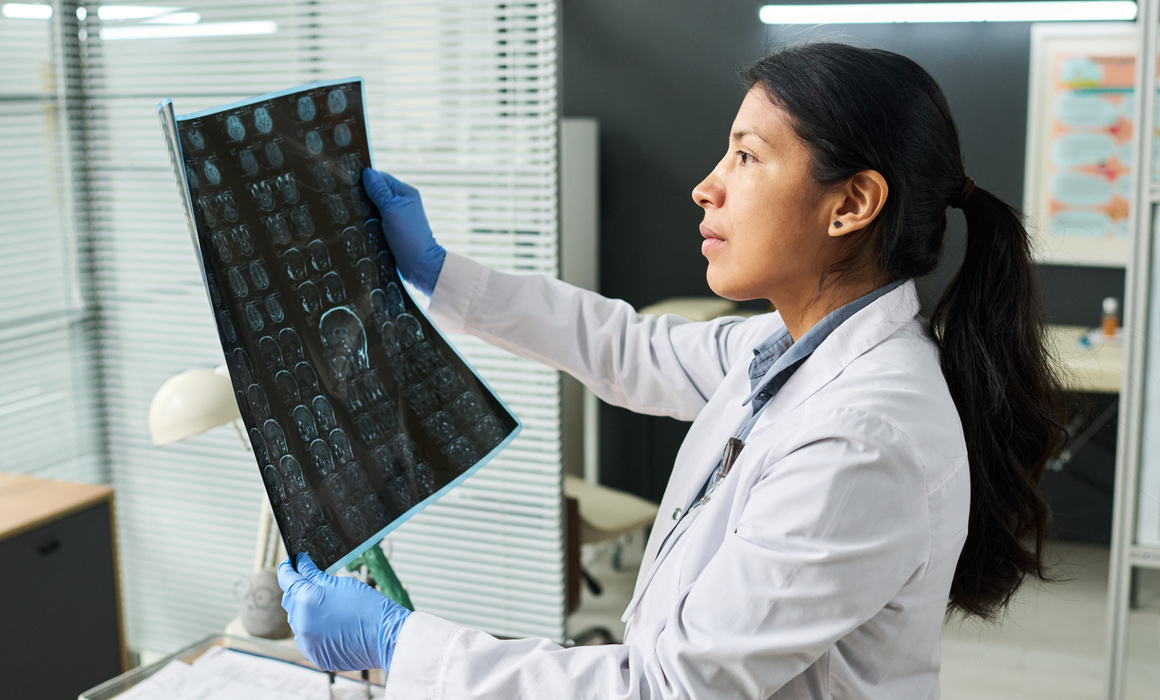
A Technion – Israel Institute of Technology – led research team has received a Gray Foundation Team Science grant to develop an artificial intelligence-powered MRI method aimed at improving early detection of ovarian cancer, particularly among women with inherited BRCA gene mutations. The project, led by Prof. Moti Freiman of the Technion Faculty of Biomedical Engineering and the May-Blum-Dahl Technion Human MRI Research Center, was selected as part of the Gray Foundation’s latest $35 million funding round for research focused on preventing, intercepting and detecting BRCA-related cancers at earlier stages. The research brings together teams from the Technion, the University…

In a paper published in Proceedings of the National Academy of Sciences, researchers from the Technion – Israel Institute of Technology and Tel Aviv University present BetaDescribe, an AI system that translates protein sequences into natural-language descriptions, opening a new path toward understanding protein functions and accelerating drug development and material design. Protein analysis is essential in medicine and biotechnology, as demonstrated by breakthroughs such as Ozempic, a drug whose development was inspired by a peptide found in the saliva of a rare desert lizard and is used to treat obesity, diabetes and other conditions. However, experimental protein characterization remains…