Why the Perfect Pitch is Your Biggest Mistake
September 23, 2026




















The Technion’s story has been intertwined with Israel’s for more than a century, from laying the foundations for a new nation to shaping its future.

Step inside Israeli innovation at the David and Janet Polak Visitors Center. Experience our 360° immersive movie and tech exhibition. Open to individuals and groups.
Learn More
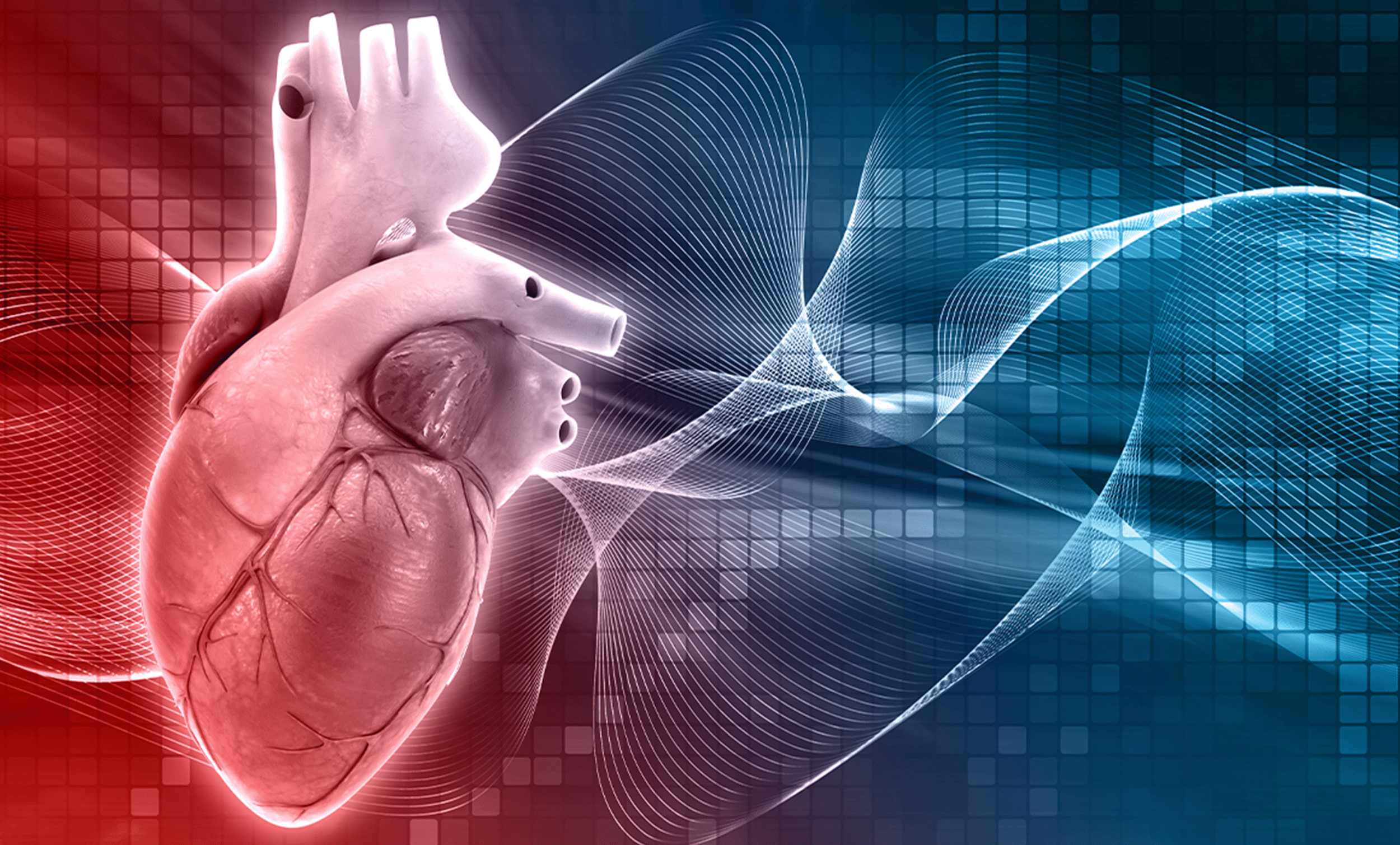
Scientists have known that chemotherapy can damage the heart muscle. But what about the reverse — can heart disease impact cancer? A research team led by Professors Ami Aronheim and Yuval Shaked of the Rappaport Faculty of Medicine at the Technion, with colleagues from Carmel Hospital, have found that early changes in the size, shape, or function of the heart caused by heart disease or injury, collectively known as cardiac remodeling, promotes cancer progression. The study, published in Circulation, demonstrates that catching and treating heart disease early on in cancer patients might help cardio-oncologists slow tumor progression and improve cancer…
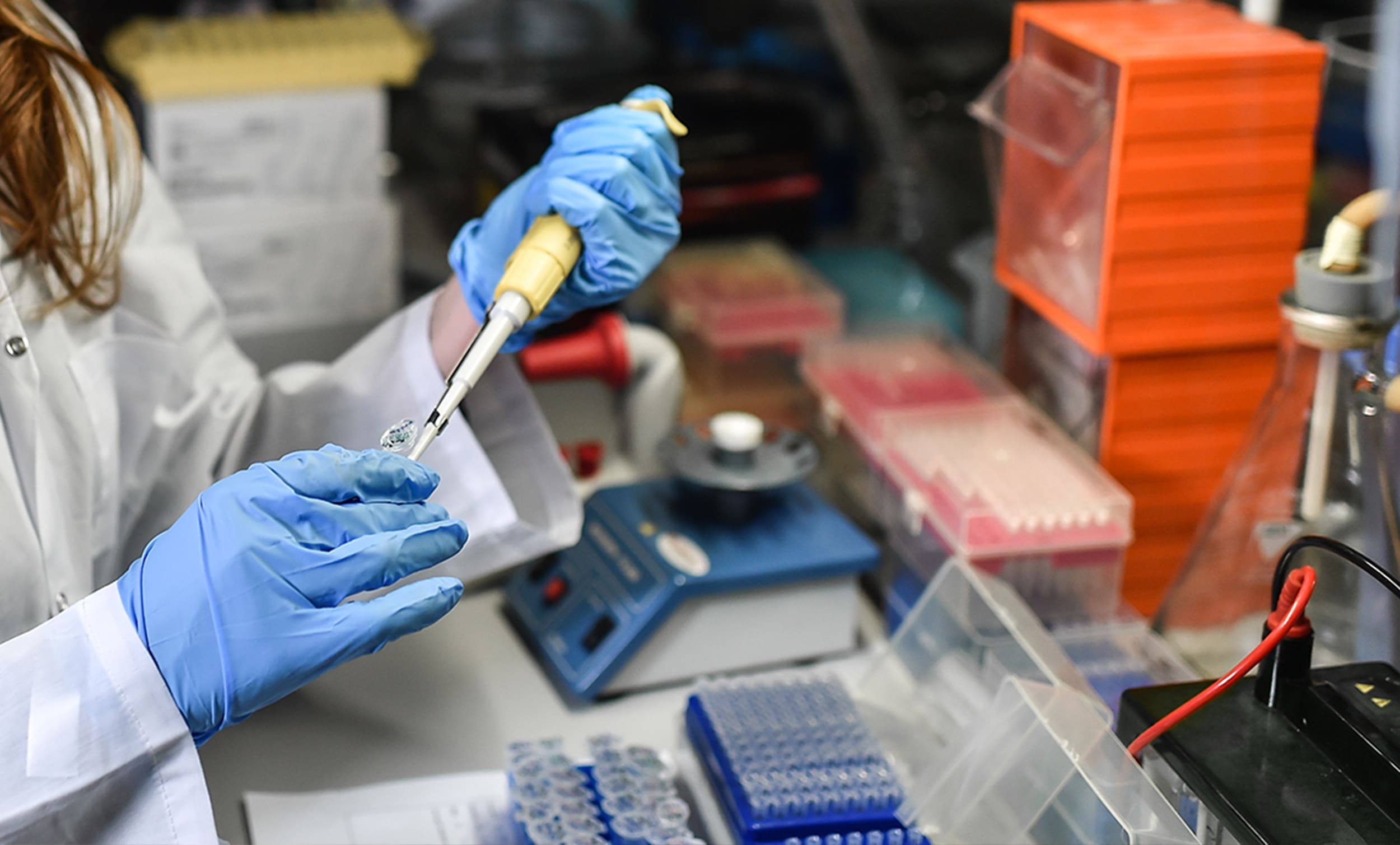
Research by Professor Yuval Shaked of the Technion presents new ways to curb the development of anti-cancer therapy resistance, a phenomenon that is detrimental to the efficacy of existing cancer treatments. His research was recently summarized in a published article in Nature Reviews Cancer. Anti-cancer therapy resistance: A devastating challenge Although the initial cancer treatment phase is often successful, many patients become resistant to anti-cancer therapies, characterized by tumor relapse and/or spread. The majority of studies have so far focused on investigating the basis of resistance as a result of tumor-related changes. But over the last decade, Prof. Shaked and…
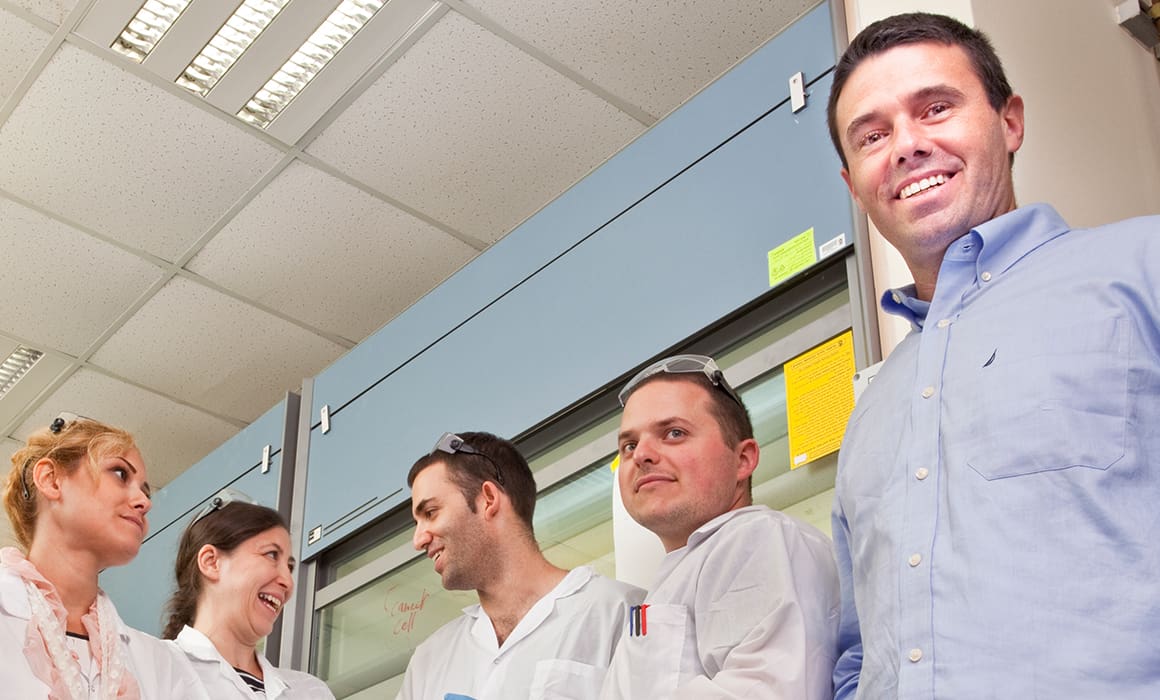
Technion researchers have successfully treated a cancerous tumor from within, using a “nano-factory” — a synthetic cell that produces anti-cancer proteins within the tumor tissue. Just as human cells can generate a variety of biological molecules, the synthetic cell can produce a wide range of proteins. Synthetic cells’ similarities to natural cells hold vast potential in the production of artificial organs and understanding the origins of life. And as this research shows, they could also be the key to fighting cancer. Doctoral student Nitzan Krinsky and Assistant Professor Avi Schroeder at the Wolfson Faculty of Chemical Engineering at the Technion…

Smell is a primary human sense, key to our survival. Like a super-sensitive human nose, an experimental technology can “smell” and identify the chemical composition of a person’s breath and then diagnose up to 17 potential diseases, according to the scientists who developed it. These researchers, led by Hossam Haick of the Technion – Israel Institute of Technology, say their Na-Nose, which uses nanorays to analyze breath, can identify Parkinson’s disease, various cancers, kidney failure, multiple sclerosis and Crohn’s disease with 86% accuracy. “I would say our technology in many cases (is) equivalent to the accuracy of the currently available…
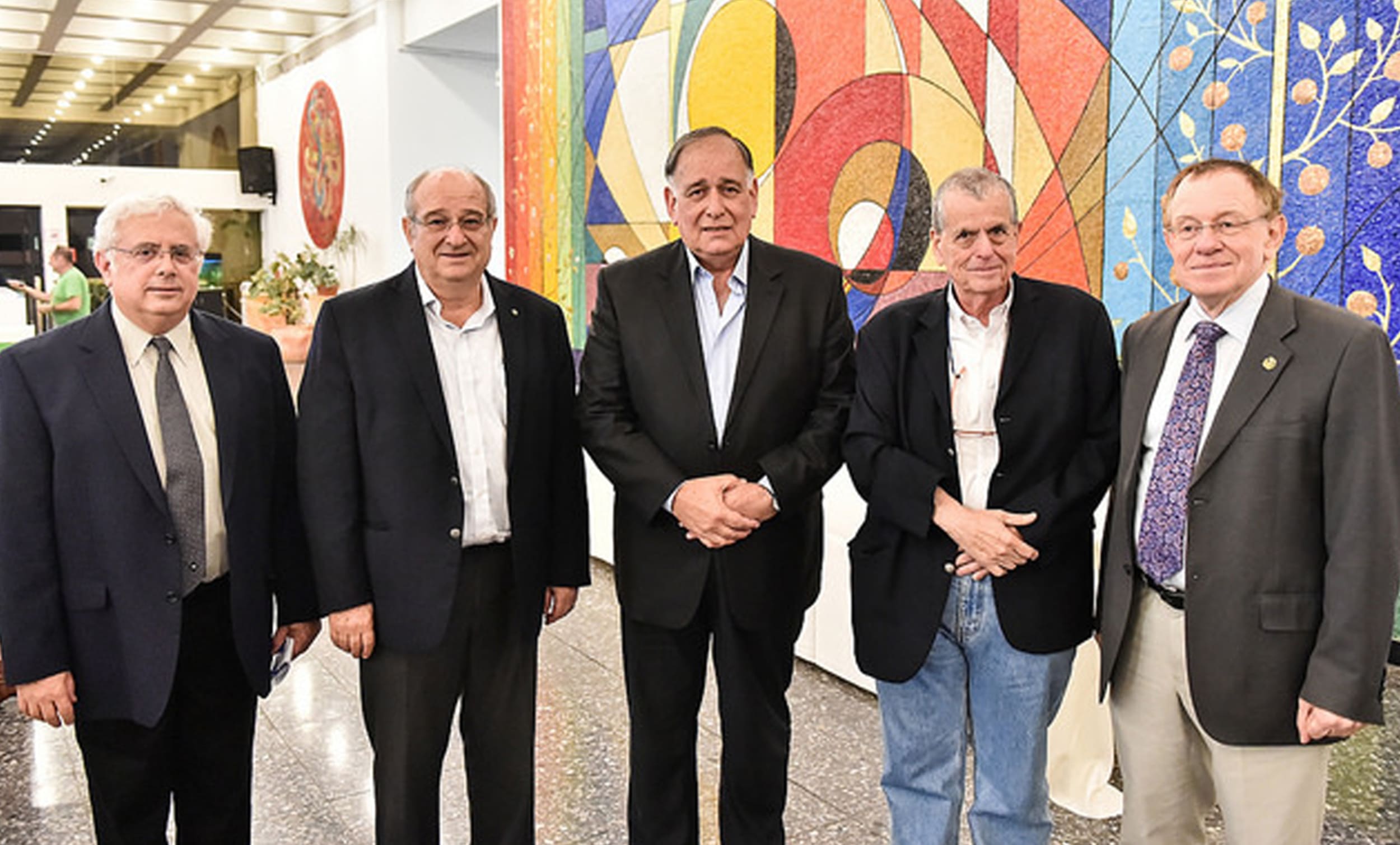
Compelling philanthropic initiatives often sound simple. End child hunger. Educate all people. Spread clean water access. Help earthquake victims. Improve health care. Cure cancer. But these bold objectives are not simple. These are big, complex ideas requiring tremendous resources that research universities are often best equipped to harness. Philanthropy is one of the key resources needed. We at ATS don’t actually execute these initiatives — but we play the critical role of translating the big ideas into action by connecting the diverse and sometimes disparate groups of people who can accomplish these far-reaching goals together. In other words, we don’t…