Something Fresh in the State of Denmark
October 06, 2026


























The Technion’s story has been intertwined with Israel’s for more than a century, from laying the foundations for a new nation to shaping its future.

Step inside Israeli innovation at the David and Janet Polak Visitors Center. Experience our 360° immersive movie and tech exhibition. Open to individuals and groups.
Learn More
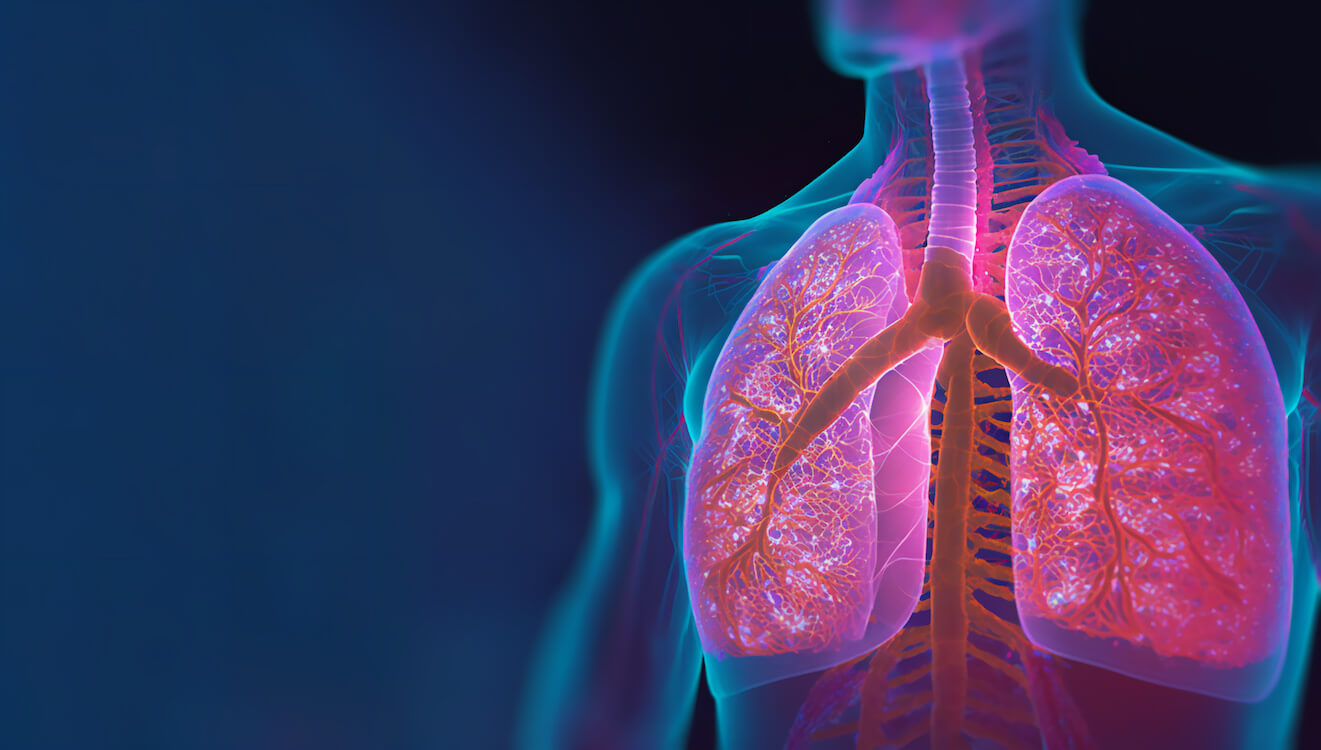
Israeli and US medtech companies have teamed up to create a program that uses artificial intelligence to identify patients at high risk for respiratory or pulmonary diseases such as lung cancer. The LungFlag AlgoMarker, which analyzes data from a patient’s electronic health record, is a collaboration between Medial EarlySign, a Hod Hasharon-based company that develops clinical predictive analytics, and Geisinger, an integrated healthcare system from Pennsylvania. Working with Geisinger, Medial EarlySign developed the program to facilitate earlier invention, which is a key feature of the American healthcare provider’s care model as it helps improve clinical outcomes, creates higher patient satisfaction and reduces…
Researchers have developed a pioneering AI “matchmaker” that pairs together existing cancer drugs for use in nanomedicine. Prescribing a combination of two or more medications is already an established practice – known as combination therapy — that can prove highly effective. But a team at Technion – Israel Institute of Technology, in Haifa, has gone beyond simply identifying separate medications that will work well together.
Multiple myeloma is the second most common cancer that impacts blood cells. It primarily affects people in their mid-60s or older. Over time, patients become resistant to current treatment drugs that are initially effective. That’s why UB-Therapeutics, a company founded and run by Technion alumni and faculty, is working on a new drug. Existing drugs target proteasomes, which maintain cellular function. The new drug aims to inhibit proteasome activity in cancer cells by binding to ubiquitin, a small regulatory protein found in most tissues. “By leveraging the cell’s own natural processes, we aim to develop a more selective and effective…

A new approach that integrates a minimally invasive, painless microneedle platform may help monitor protein biomarkers in responses to a combination immunotherapy against melanoma. The platform is capable of absorbing the cell-surrounding, biomarker-containing fluid from deeper layers of the skin with an ultra-sensitive, single-molecule detection method (Simoa) that detects often rare, yet relevant biomarkers with higher sensitivity than conventional methods. The researchers provided proof-of-concept for their approach in a mouse melanoma model in which they treated cancerous lesions with a novel therapy. The therapy acts locally on tumor lesions in that it combines non-invasive focused ultrasound (FUS), which generates heat…

An Israeli company that develops medical treatments using helpful bacteria to fight disease is expanding the clinical trial for its drug to battle cancer. The biopharma startup recently opened a second site for its ongoing clinical trial at Beilinson Hospital in Petah Tikva, near Tel Aviv. The first site is located at Rambam Health Care Campus in Haifa, northern Israel. Biomica identifies and selects microbes to treat specific diseases that will enhance how the body’s immune system responds. Biomica is a biopharmaceutical startup working to create microbiome-based therapeutics to treat immune-mediated and infectious diseases. The company’s Co-founder and CSO Yehuda Ringel…

When clinical pathologists look at images of cells from a patient biopsy, they perceive things the rest of us cannot. Where we see bright pink blobs and dots of purplish blue, they can make out the hallmarks of cancerous disease. But show the same images to a computer souped up with artificial intelligence in Professor Ron Kimmel’s Geometric Image Processing Lab at the Technion, and it can discern data that is invisible even to the most highly trained human eye. The Technion is the top-ranked institution for machine learning in Europe and the Middle East. Prof. Kimmel’s group is investigating…

Maya Goldshlager served the Israeli Air Force with distinction, providing instruction on operating the Iron Dome defense system. Her contribution felt so meaningful, she said, “it led me to choose a degree that would combine science and technology to impact people’s lives.” As an undergraduate in the Faculty of Biomedical Engineering at the Technion, Ms. Goldshlager is already making waves. Participating in her faculty’s hackathon, a competition to find solutions to real-life problems, Ms. Goldshlager created prototypes of two new medical tools: one to treat multiple sclerosis (MS) and the other for urinary tract infections (UTIs). “It was a great…

A medical breakthrough now allows doctors to freeze early-stage breast tumors – with no surgery, no scarring, no general anesthetic and no tissue removal. The entire procedure can take as little as 40 minutes. Patients can go straight home after its done, and are spared the painful recovery process. The idea of using an extremely cold liquid to freeze and destroy abnormal tissue – or cryoablation – isn’t new. Doctors have been doing it in hospitals for the last 30 years. But IceCure Medical, an Israeli startup, has developed technology that allows physicians to perform the procedure at their own office,…

Glioblastomas are one of the most malignant and lethal cancers. Despite recent treatment advancements, median survival is only 12 to 16 months. In 2015, the Optune device, a novel, non-invasive treatment modality was approved by the FDA for use alongside standard treatment regimens for newly diagnosed glioblastomas after a large-scale clinical trial found that it extended overall survival by at least 5 months (1,2). The Optune device is a wearable, portable instrument that uses external electrodes attached to the scalp to continuously deliver electric fields to the tumor site. But what exactly is going on under the cap? In 2000,…
“One of the most important factors in the success of the treatment of a disease is early diagnosis, but what happens when the patient does not feel bad and there are no external symptoms of the disease? There is a huge gap today between the importance of early diagnosis and what actually happens, a lack of continuous contact between the population and the medical centers. In our laboratory at the Technion we are trying to bridge the gap between the clinics and the patients through technological developments. How do we do this? Devices and facilities that can be kept in…

The Technion Human Health Initiative Brings Medical Research and Technology to the Next Level It takes a village of scientists to tackle the increasingly complex health and medical issues of our time. The Technion is assembling a venture to do just that. Learn about the new Technion Human Health Initiative (THHI), a gathering of Technion […]
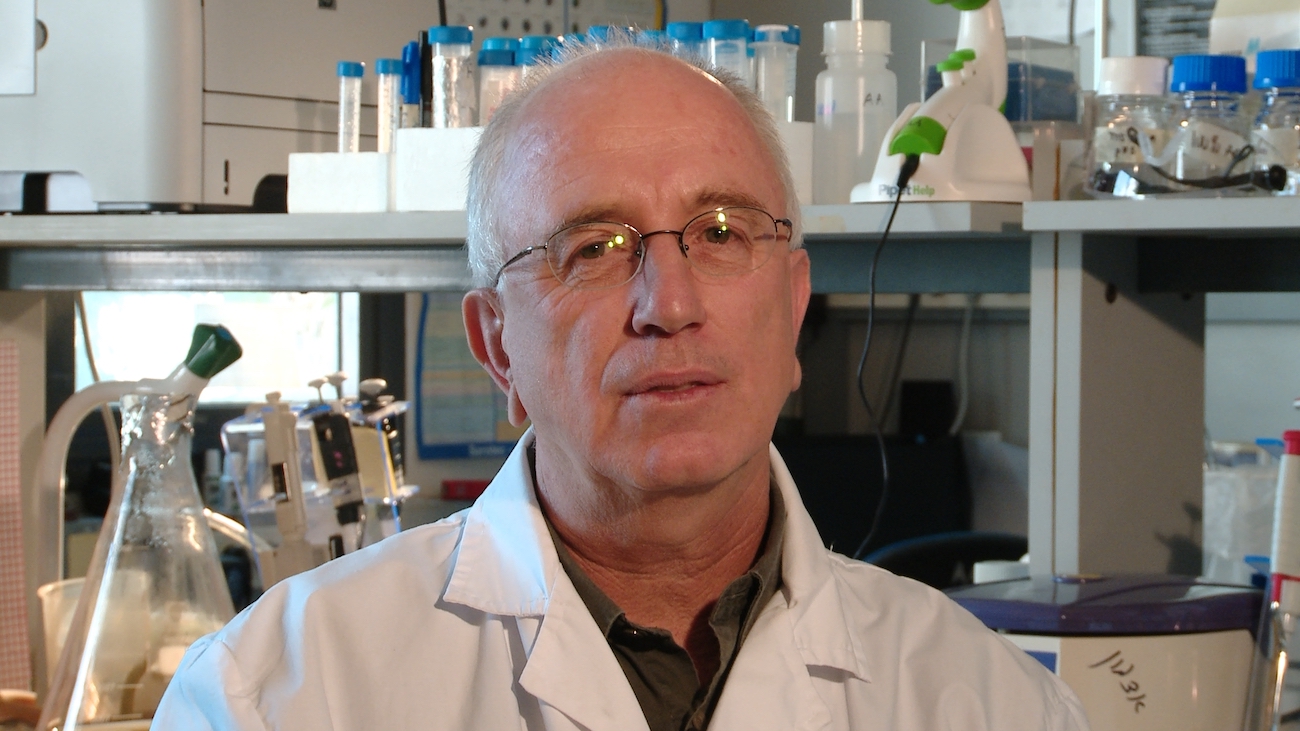
Lung cancer is the most common cause of cancer-related deaths for men and women, taking the lives of more than 1.5 million people around the world each year. A new study by researchers at the Technion and Sheba Medical Center found that lung fluid, collected and analyzed through a simple technique, can be used to more quickly diagnose and better treat lung cancer. Because specific molecules called HLA (human leukocyte antigen) help bind peptides to our cells, the researchers hypothesized and proved that they could be used to match the specific treatment to each individual patient. The peptides were collected…