Something Fresh in the State of Denmark
October 06, 2026















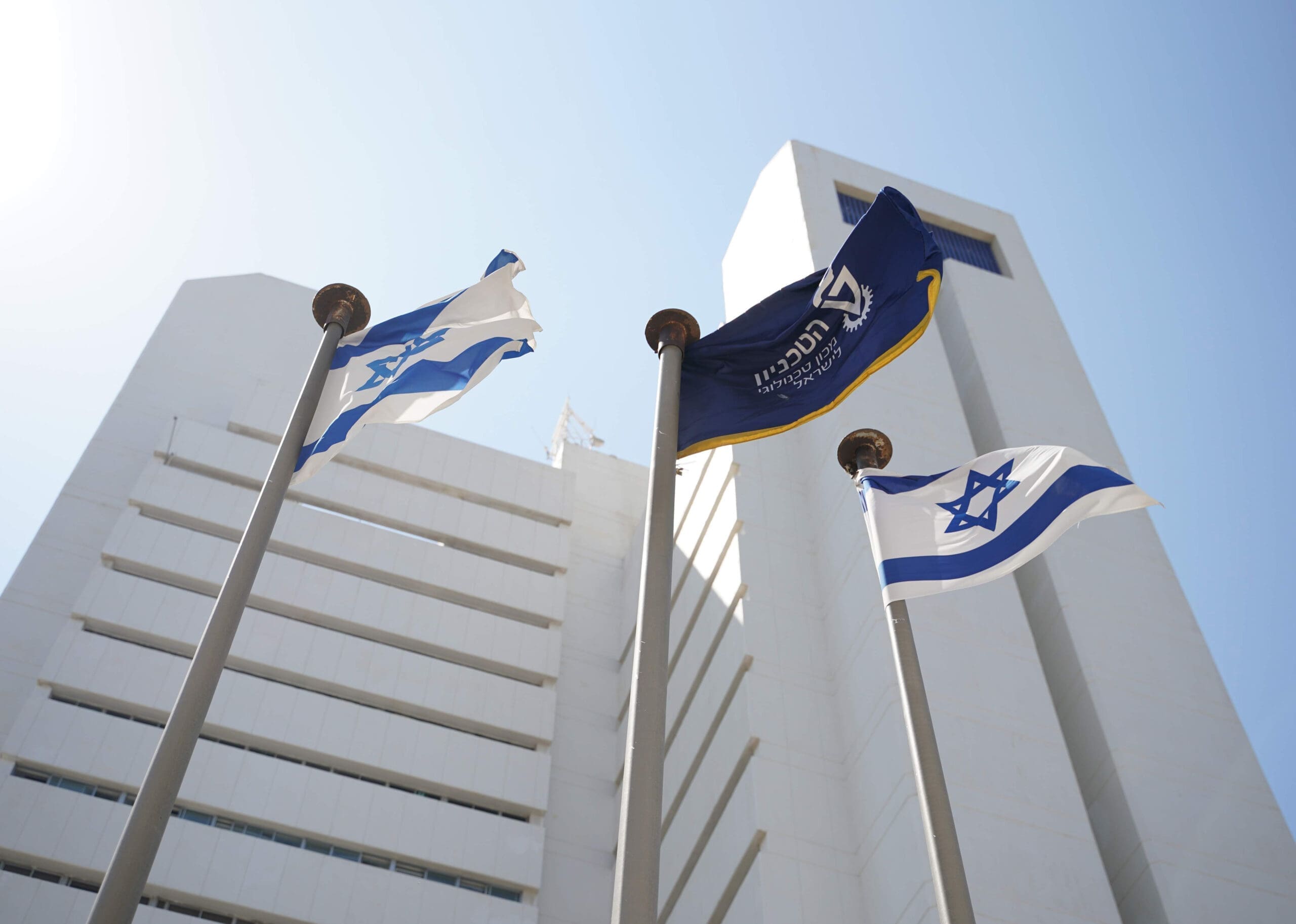



The Technion’s story has been intertwined with Israel’s for more than a century, from laying the foundations for a new nation to shaping its future.

Step inside Israeli innovation at the David and Janet Polak Visitors Center. Experience our 360° immersive movie and tech exhibition. Open to individuals and groups.
Learn More
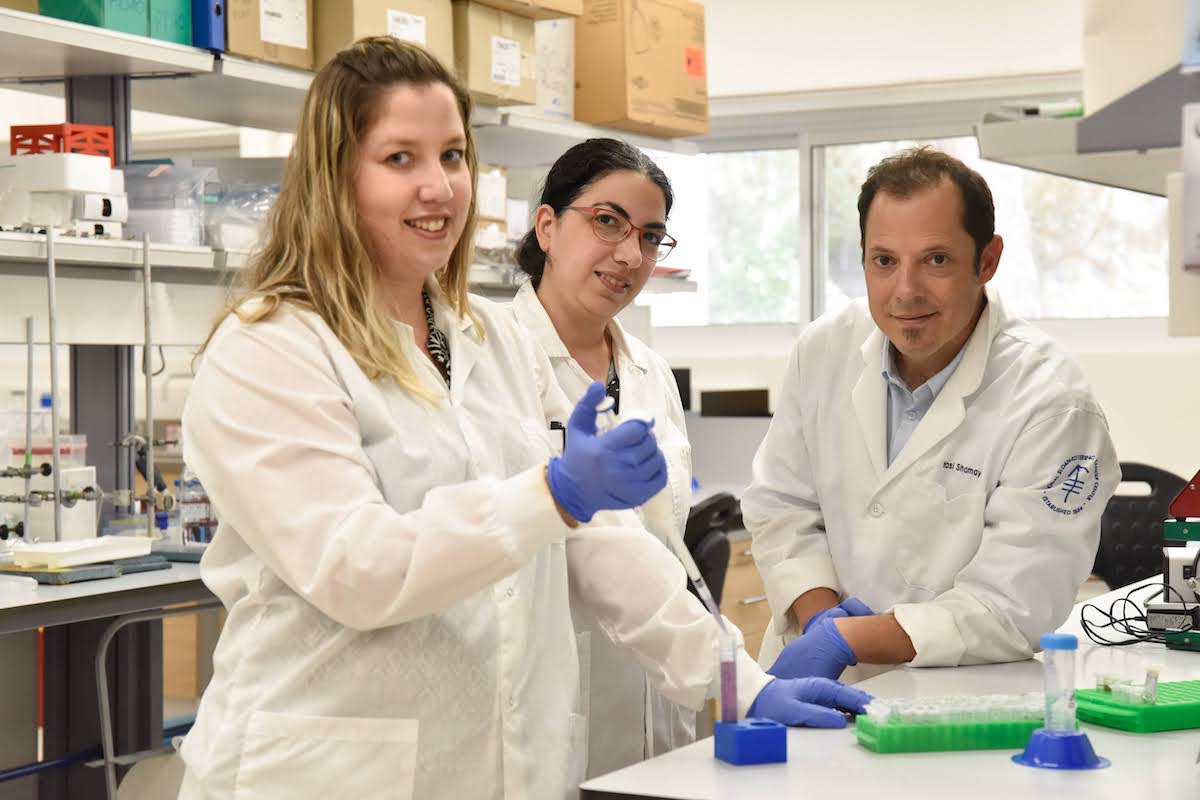
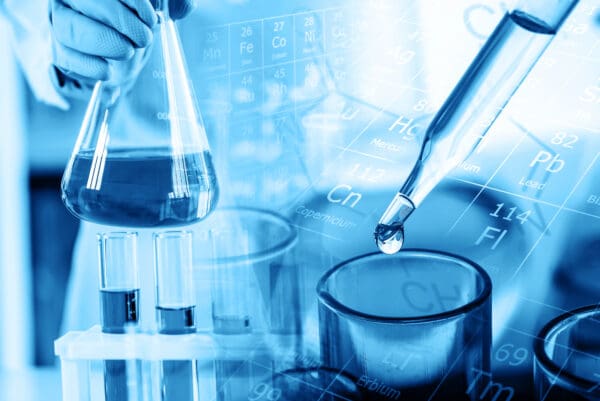
Did you know less than 1% of most chemotherapy administered as oral or injected medicines reaches the tumor, while the remainder ends up circulating through the body? Precision medicine, often delivered by nano-carriers, attempts to get around this problem by targeting the tumor while bypassing healthy tissue, avoiding the collateral damage caused by chemotherapy. Now, Technion researchers have developed an advance in precision drug delivery that is even more effective, while potentially reducing the unwanted side effects of chemotherapy, such as nausea and hair loss. Their new precision dosing technology is akin to an automated robot-chemist/robot-pharmacist system that formulates and…
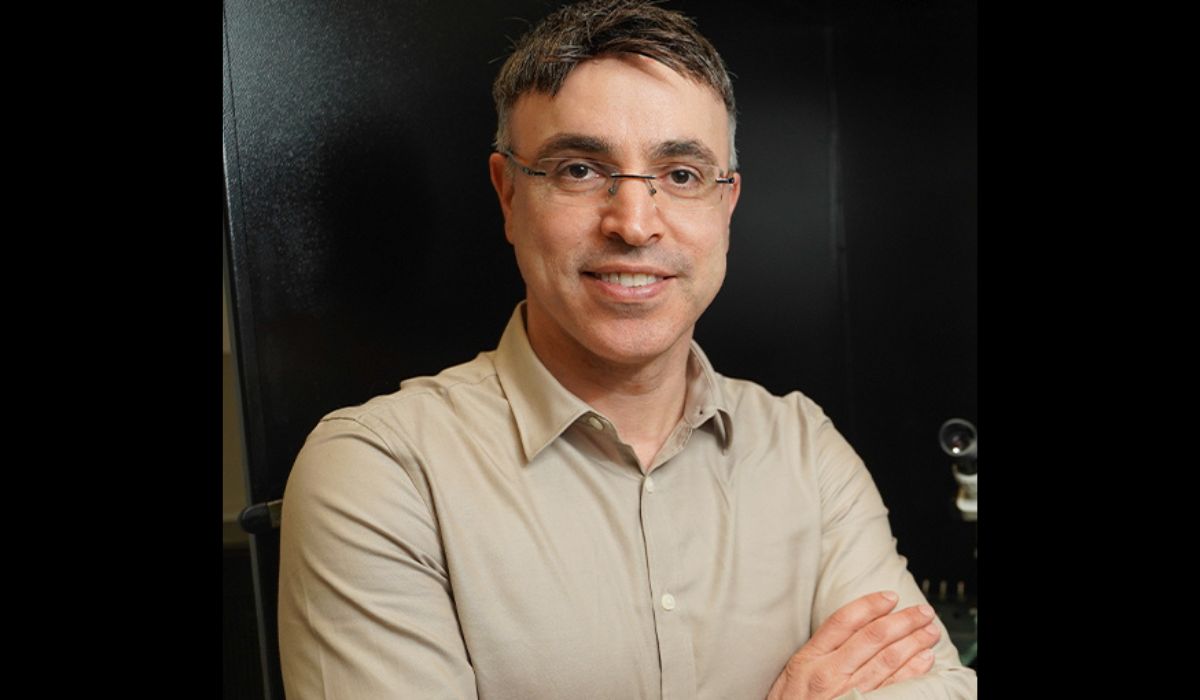
Professor Hossam Haick of the Wolfson Faculty of Chemical Engineering and the Russell Berrie Nanotechnology Institute (RBNI) at the Technion has been awarded three European research grants through the Horizon Europe program, totaling 4.2 million euros. Prof. Haick, the dean of undergraduate studies at the Technion and an expert in nanotechnology and non-invasive disease diagnosis, was awarded the grants for his research in cancer treatments. For the first grant, Prof. Haick will focus on understanding the risk factors surrounding lung cancer more closely, including personal risk factors such as lifestyle and pollutant exposure, external factors such as urban environments, transportation,…
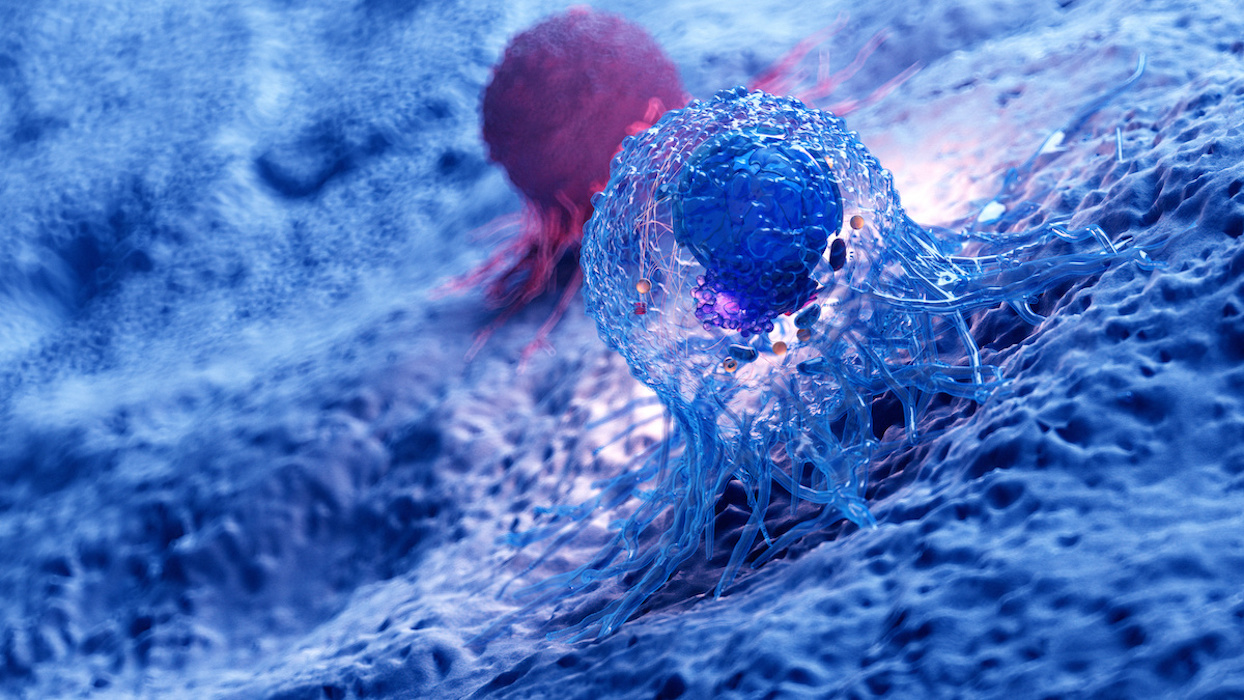
Immunotherapy is an evolving novel treatment that triggers the body’s own immune system to fight cancer cells. But it doesn’t work for everyone or on every type of cancer. And determining whether it will work for a particular patient takes up precious time. But there is hope on the horizon: Technion researchers are using artificial intelligence (AI) to speed up the process of making that determination, saving time in ascertaining the patient’s proper treatment plan. The study was conducted by Professor Keren Yizhak of the Ruth and Bruce Rappaport Faculty of Medicine at the Technion. Immunotherapy helps the immune system…
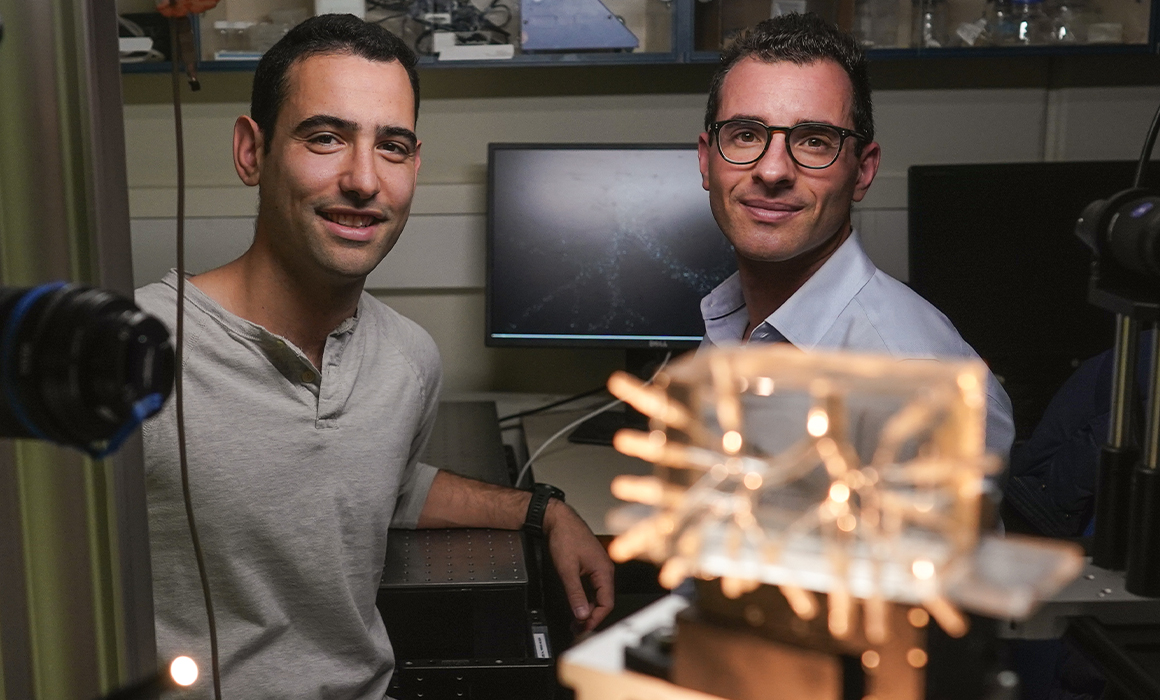
Groundbreaking, Multidisciplinary Research Explores Radical New Frontiers in Medicine Understanding that medicine has much to contribute toward our knowledge of engineering, and vice versa, the Technion is one of few technical institutions in the world that boasts its own medical school. Technion faculty have facilitated robust cross-disciplinary research and consistently seeded and executed bold new breakthroughs that have pushed the boundaries of medicine. Here are four exciting discoveries from our talented bench of medical researchers.
The technology, based on the Nano-Ghosts platform, makes it possible to reduce the drug dose a million-fold without reducing its efficacy. Researchers in the Faculty of Biotechnology and Food Engineering at the Technion developed a technology that inhibits development of melanoma using one-millionth of the active ingredient. The study, published in Advanced Functional Materials, was led by Professor Marcelle Machluf, dean of the faculty, and Ph.D. student Lior Levy. This development is a significant breakthrough in the field of immunotherapy — an innovative medical approach that uses the body’s own immune system to destroy cancer cells. Immunotherapy can destroy cancer…
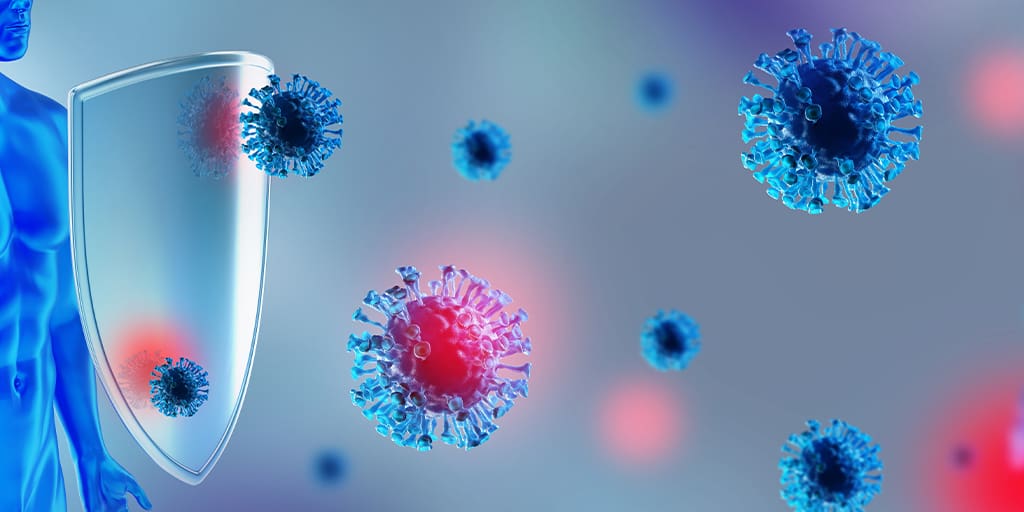
Featuring Technion President Uri Sivan and Distinguished Professor and Nobel Laureate Aaron Ciechanover Moderated by Andrea Wolfe When all is said and done, the coronavirus pandemic brought seismic changes and new ethical questions to the world of medicine. And the Technion was ready. Learn about the Technion’s major initiative aimed at advancing the standard of […]
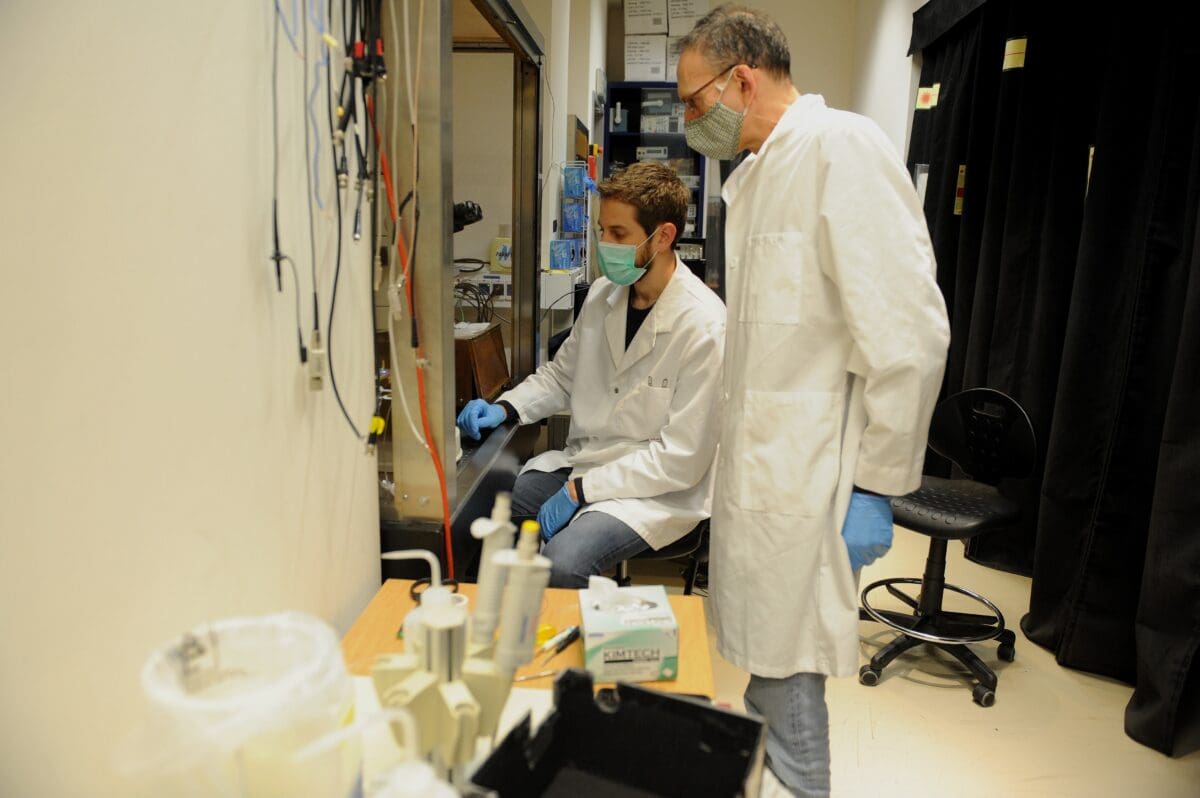
In the ongoing fight against cancer, Technion breakthroughs in diagnostics and treatments have improved and saved lives around the world. This year alone, scientists at the Rappaport Technion Integrated Cancer Center (RTICC) have advanced research on early detection of various cancers, curbing cancer metastasis, and personalized treatment. RTICC donors enjoyed an exclusive look at the […]
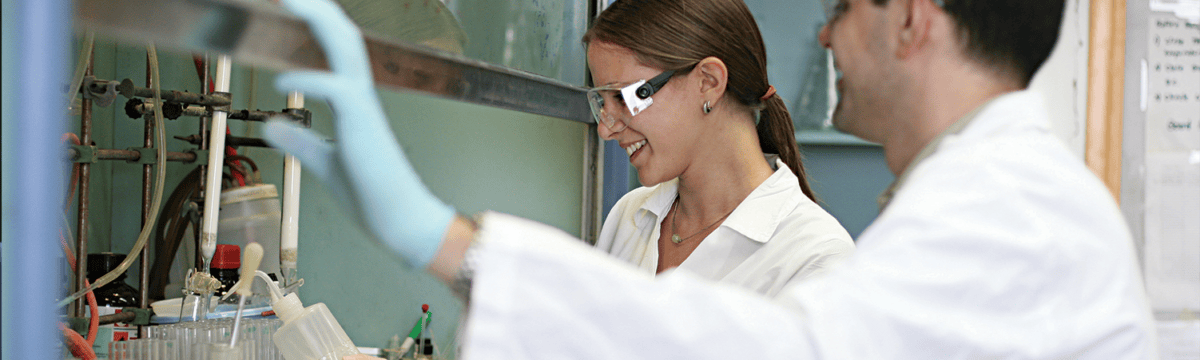
Virtual Event With Technion Alumni “From a young age, I knew I am going to be a scientist, and it’s a decision I have never regretted,” said Dr. Assaf Zinger. Today, he is a rising star in biomedical engineering and nanotherapeutics. Conducting his postdoctoral research at the Houston Methodist Research Institute in Texas, Dr. Zinger […]