Something Fresh in the State of Denmark
October 06, 2026




























The Technion’s story has been intertwined with Israel’s for more than a century, from laying the foundations for a new nation to shaping its future.

Step inside Israeli innovation at the David and Janet Polak Visitors Center. Experience our 360° immersive movie and tech exhibition. Open to individuals and groups.
Learn More
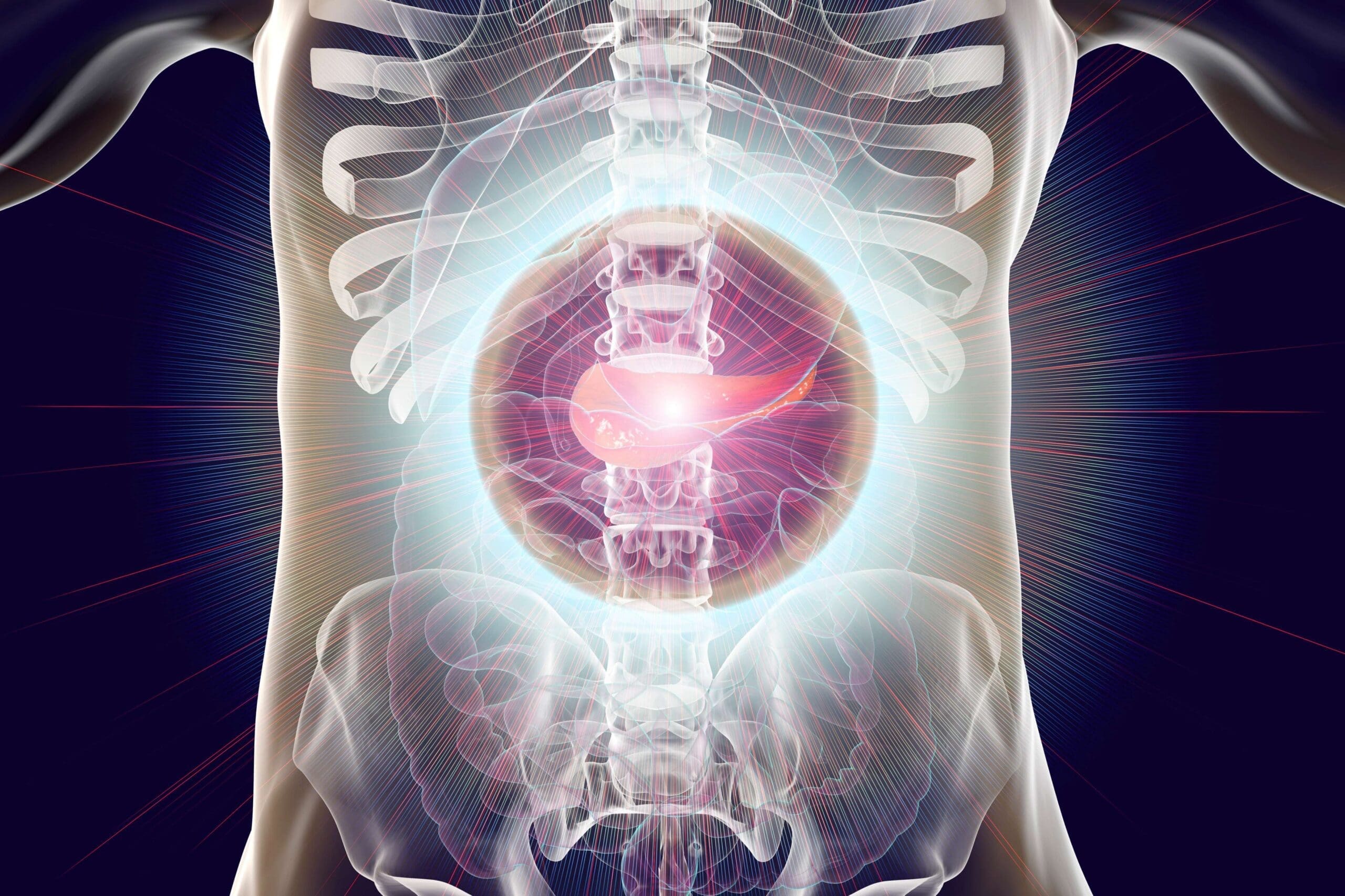
Consider pancreatic cancer – the disease that killed Steve Jobs, e.g., despite the best medical technology money could buy. Approximately 467,000 to 500,000 people die from pancreatic cancer worldwide each year. It is the sixth most common cause of cancer death globally. Due to its high mortality rate and lack of early detection, the number of deaths is projected to rise significantly in the coming decades. And no new drug to treat it has gained FDA approval – for 30 years! Moreover, survival rates are bleak: Metastatic (Stage IV): 3–6 months, though recent advancements may improve this. Locally Advanced (Stage…

Researchers at the Technion – Israel Institute of Technology have developed an artificial intelligence (AI) model designed to help guide whether to administer chemotherapy directly after tumor resection in breast cancer patients. The model, which uses high-resolution images from hematoxylin and eosin (H&E)-stained tumor samples collected at the time of diagnosis, predicts both the risk of cancer recurrence and the likelihood that a patient will benefit from chemotherapy. The research, published in The Lancet Oncology, identifies patterns and signals in the tumor that might otherwise escape detection. “These are complex biological signals that the human eye cannot consistently quantify,” said…

At the Zimin Institute for AI Solutions in Health Care, innovation meets impact. Founded in 2022 through a partnership between the Zimin Foundation and the Technion’s Tech.AI.BioMed arm, the institute supports transformative research that applies artificial intelligence to real-world medical challenges. From diagnostics to drug discovery and patient care, AI is redefining what’s possible in […]

Led by a repeat founder and a world-renowned robotics pioneer, the Israeli startup EndoCure has developed a robotic platform capable of producing 3D images with 10 times the density of an MRI. “Current imaging methods, MRI, CT, and manual ultrasound, often fail to detect small or deep tumors, are highly operator-dependent, and are either expensive, invasive, or inconsistent,” says EndoCure. “This creates major gaps in diagnosis, delays in treatment, unnecessary surgeries, and poor patient outcomes.” Founded in 2023 by Dr. Hadas Ziso, a repeat founder with 20 years of MedTech experience, and Prof. Moshe Shoham, a robotics pioneer who was…
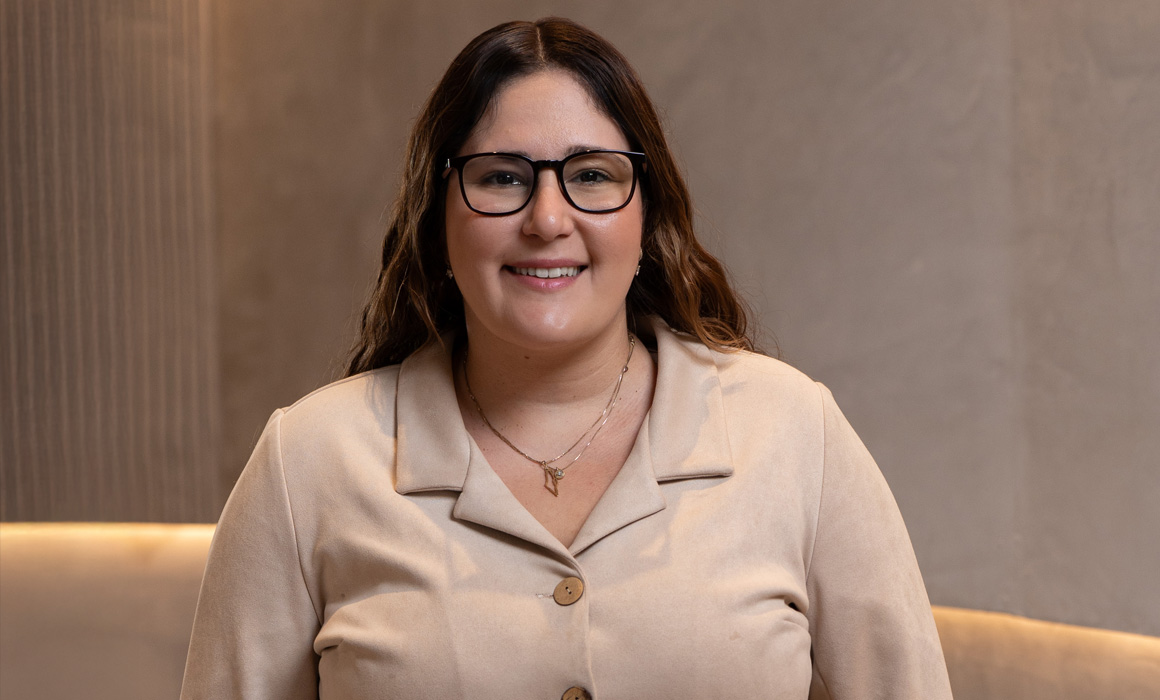
In my final year as a Technion undergraduate, I tested positive for a BRCA mutation. This means I face an increased risk for breast and other cancers. This revelation altered the course of my life — making my longstanding desire to do scientific research not just an academic pursuit, but a personal one. I earned […]

A discovery by Prof. Ami Aronheim and his team at the Technion–Israel Institute of Technology shows that the growth of cancerous tumors may actually combat cardiac dysfunction and reduce fibrosis, the scarring process that stiffens the heart muscle. “The failing heart can beat much better in the presence of cancer cells or a tumor,” said lead investigator Aronheim, dean of the Technion’s Ruth and Bruce Rappaport Faculty of Medicine, speaking to The Times of Israel. “This is very surprising,” Aronheim said. Currently, no drugs exist that can reverse fibrosis or improve the heart muscle once it has been damaged, he…

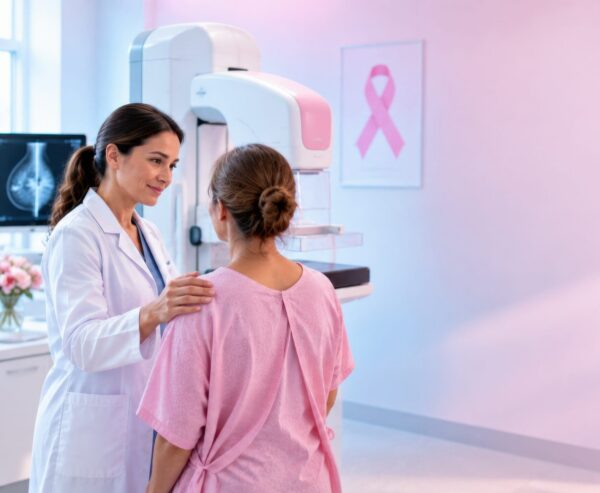
IceCure Medical’s tumor-freezing treatment ProSense has nabbed FDA approval, making it the first medical device of its kind to be endorsed for the local treatment of breast cancer. The Israeli medical technology company saw its shares jump more than 17% afterhours Friday, Oct. 3, after the company announced the approval. Shares lost some of their gains by Monday morning and were trading up about 8% from Friday’s close. Treatment with ProSense involves a minimally invasive outpatient procedure that aims to destroy tumors by freezing them, all without the need for surgical removal of breast tissue. This approach also allows for…

Meet U-Bra, the award-winning creation of Technion alumna Maayan Kinsbursky. This fully customized, 3D-printed bra with an integrated prosthesis is more than clothing. It helps women postmastectomy reclaim comfort, confidence, and a sense of normalcy. Maayan’s passion for creating meaningful solutions exemplifies how design and technology can improve lives — and this Breast Cancer Awareness […]

At the Technion, researchers are unraveling the fierce battles our cells wage against viruses, uncovering how gut microbes shift the tide in chronic disease, and revealing the brain’s surprising power to heal broken hearts. From revolutionary dual-target antibodies that outsmart the flu to groundbreaking discoveries in inflammation, these breakthroughs are rewriting the future of medicine — promising lifesaving therapies that arrive faster, hit harder, and change everything.

As the leading cause of death in children living in developed countries, pediatric cancer is long overdue for a safer, more targeted treatment approach – and Technion Professor Alejandro Sosnik believes he may have found one. In his lab focusing on pharmaceutical nanomaterial science in the Technion’s Faculty of Materials Science and Engineering, Prof. Sosnik […]

Cancer is the leading cause of death in Israel for both men and women, and one of the leading causes of death in the Western world. In light of this tragic fact, cancer research is considered particularly active, and in recent years it is focused on targeted therapies — treatments that aim to more effectively attack cancer cells while reducing general systemic damage, as occurs with broad-spectrum chemotherapy treatments that harm other body organs. NanoGhost, an Israeli biotech company, introduces one of the most exciting and promising technologies of recent years in this field.[OB1] NanoGhost develops a highly selective first-in-class…

“Lung cancer and liver cancer are in the top three deadliest cancers in the world, simply because we catch it way too late,” said Ilay Marom, the co-founder and Chief Operating Officer at NaNose Medical. Founded around five and a half years ago, NaNose Medical is working to change that reality. Launched “with the purpose of revolutionizing screening tests and early diagnosis,” Marom explained in conversation with CTech, the Israeli startup is pioneering non-invasive diagnostics based on breath biomarkers. It’s technology that holds particular significance for the early detection and future treatment of liver disease and lung cancer. “Everybody knows…