Why the Perfect Pitch is Your Biggest Mistake
September 23, 2026


























The Technion’s story has been intertwined with Israel’s for more than a century, from laying the foundations for a new nation to shaping its future.

Step inside Israeli innovation at the David and Janet Polak Visitors Center. Experience our 360° immersive movie and tech exhibition. Open to individuals and groups.
Learn More
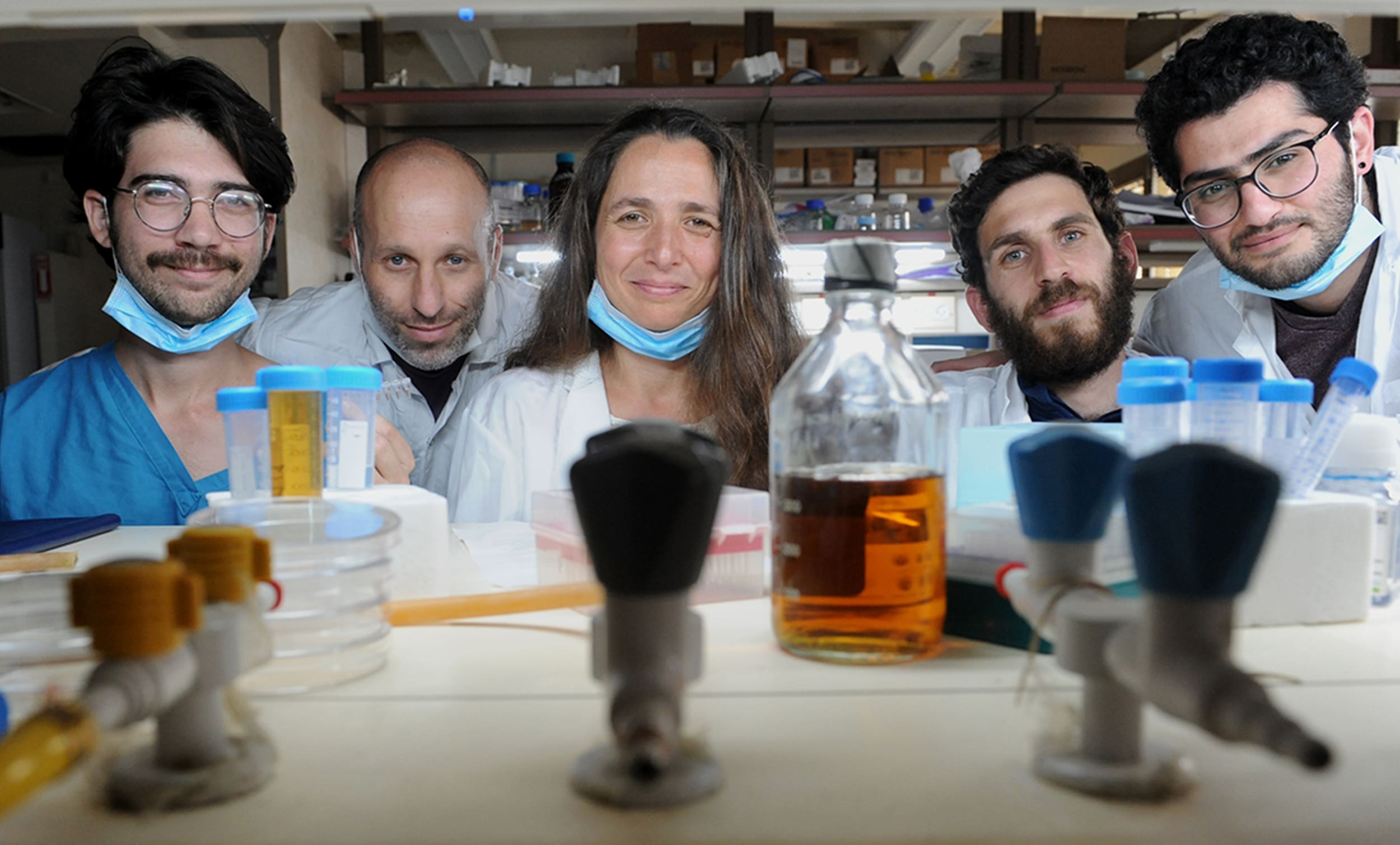
A team of scientists led by Technion Professor Naama Geva-Zatorsky is developing a kit that would allow for simple and inexpensive COVID-19 testing in the safety and comfort of your home, with results in under an hour. The kit could be critical in expanding the number of people who get tested, key to reopening the economy in the U.S. and Israel. Users immerse a saliva sample in a test tube with chemicals known as reagents and then into a cup of hot water. If the coronavirus is present, the color changes, no lab required. The test proved accurate in identifying…

Ifat Rubin-Bejerano holds a Ph.D. and a B.Sc. magna cum laude from the Technion and today serves as Director of Translational Research Programs at Harvard Medical School. She is also a member of the Massachusetts Consortium for Pathogen Readiness that is helping find and fund innovative solutions in the fight against COVID-19. Can you share a bit about your background? I was born and raised in Hod HaSharon, Israel. My father was an engineer, my mother was a teacher and I grew up with three sisters. Though Hod HaSharon is now very urbanized, when I was growing up it was…

Technion Webinar Technion scientists played a key role in the fight against COVID-19, developing everything from diagnostic testing and protective gear to innovative therapeutics. In this informative webinar, Technion Professor Moran Bercovici discusses how his microfluidics research could lead to point-of-care testing to detect the coronavirus. Prof. Bercovici and his team have developed methods for […]

Technion students and researchers are providing new hope for amputee children. Students from the Biorobotics and Biomechanics Lab in the Faculty of Mechanical Engineering, led by Prof. Alon Wolf — together with the nonprofit organization Haifa3D — are making 3D-printed prosthetic hands for children. While prosthetics are often prohibitively expensive, these limbs are given for […]
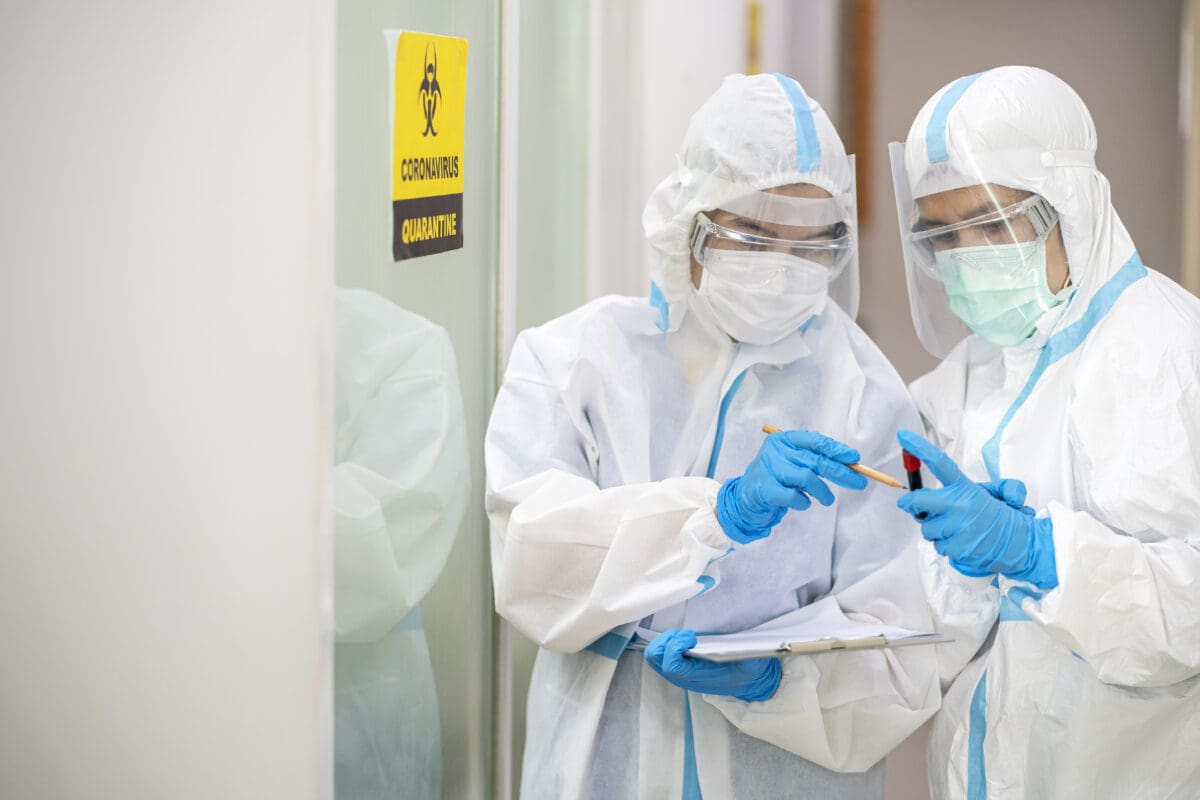
Technion Webinar If the coronavirus pandemic has underscored one message, it’s that the world is one big global village. We can no longer work in our own silos when stock market fluctuations, climate change, and pandemics affect us all. In this special webinar, Technion alumnus Dr. Eyal Zimlichman addresses this interconnectedness and Israel’s efforts in […]

Nothing’s out of reach when brilliant, entrepreneurial scientists set their minds on a common goal. The COVID-19 pandemic has sparked more than a dozen projects at the Joan & Irwin Jacobs Technion-Cornell Institute at Cornell Tech in New York City. Pressing pause on their work-a-day projects, students, faculty, and graduates of the Jacobs Technion-Cornell Institute and its Runway Startup Postdoc Program are developing coronavirus-related initiatives ranging from diagnostic tests and therapeutics to protective healthcare gear, and help in coping with isolation and fear. Case in point: In mid-March, just two weeks after the first confirmed case of coronavirus in New…
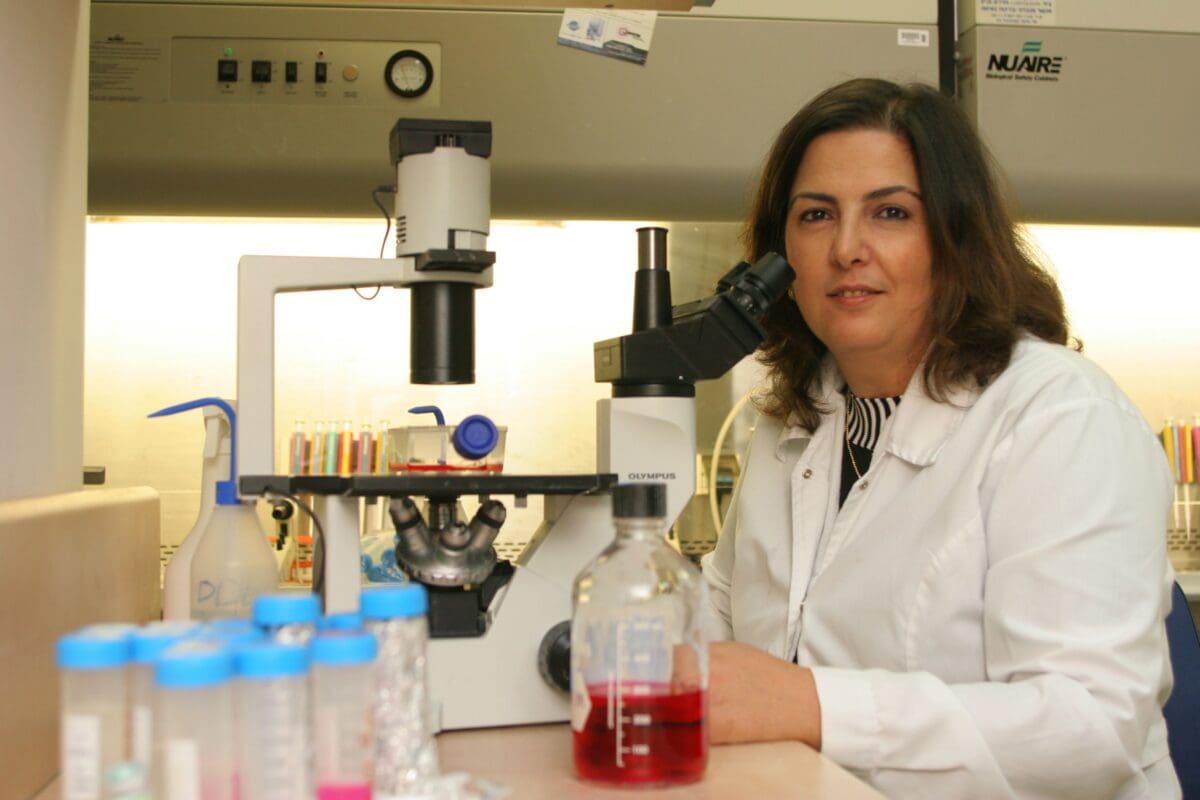
Two years ago, Technion Professor Marcelle Machluf, dean of the Faculty of Biotechnology and Food Engineering, participated in the torch-lighting ceremony in honor of the State of Israel’s 70th Independence Day. Following is a translation of her powerful speech: “I, Marcelle Machluf, the daughter of Aliya Abitbul and Yossef Ben-Sadon of blessed memories, am lighting […]

Dr. Eyal Zimlichman is the chief medical officer and chief innovation officer at Sheba (Tel Ha’Shomer) Medical Center in Israel, considered to be among the best hospitals in the world. Dr. Zimlichman is the founder and director of Sheba’s ARC innovation program, an open global innovation ecosystem that aims to redesign healthcare through digital health solutions by 2030. For these efforts, he was named as one of “Israel’s 100 Most Influential People This Jewish Year” by Israel’s leading financial newspaper, TheMarker, in 2019. Previously, Dr. Zimlichman served as lead researcher at Partners Healthcare’s clinical affairs department in Boston, where he advanced…

History is no stranger to global pandemics. Greek soldiers were hit with a deadly influenza in 430 B.C.E., the earliest recorded pandemic. Europe and Asia were decimated by the Black Death in the 1300s; cholera ran rampant in the 19th century; and HIV/AIDS afflicted modern times. Each has taught us something about how to manage […]
Webinar with Ron Brachman, Server Ertem, Rebecca Brachman, and Tomer Morad What happens when industry intersects academia? Join Ron Brachman, director of the Joan & Irwin Jacobs Technion-Cornell Institute housed at Cornell Tech in New York City, for this special webinar. Learn about the unique collaboration that has led to 28 startups incubated at the Jacobs Institute’s Runway Startup Postdoc Program, and the many Runway Fellows who tackled the coronavirus pandemic. Runway Fellows Server A. Ertem and Rebecca Anne Brachman discuss developing a test to determine if a patient has developed sufficient immunity against the coronavirus to safely return to…
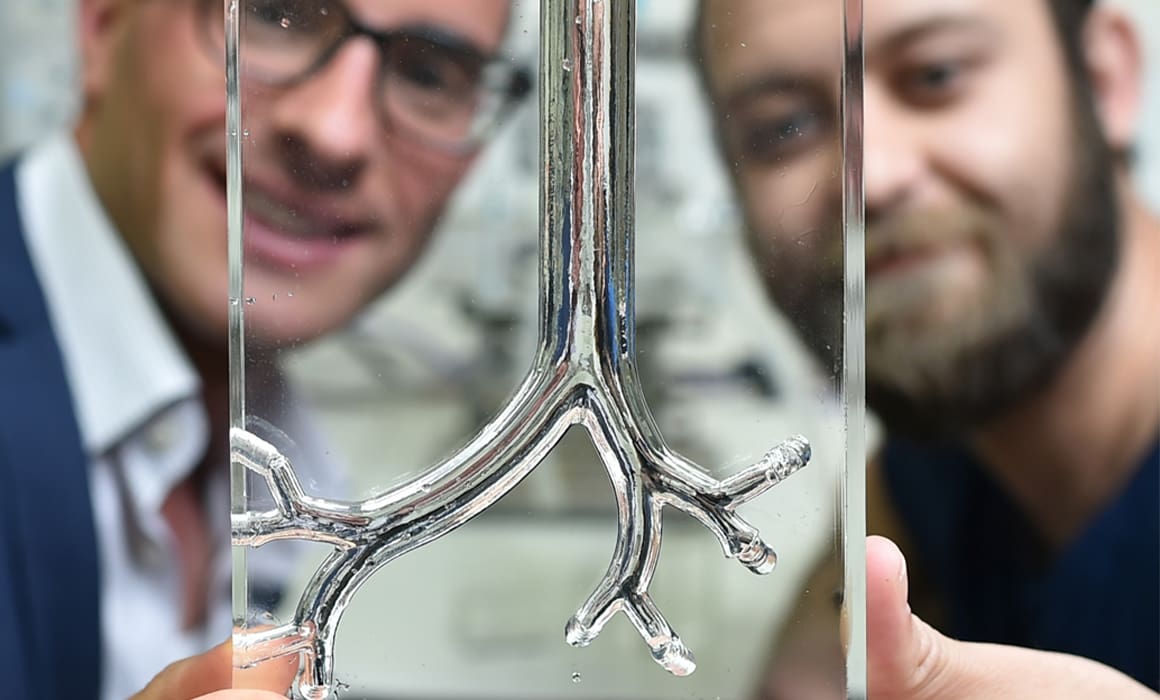
Technion Professor Josué Sznitman and his team have developed an innovative pulmonary treatment for treating Acute Respiratory Distress Syndrome (ARDS), which is recognized as the leading cause of mortality in COVID-19 patients. To date, there is no existing therapy to treat ARDS patients. These patients undergo assisted ventilation and oxygenation, oftentimes under intubation, in intensive care units. One of the hallmarks of ARDS is damage to pulmonary surfactant (the liquid that coats the surface of alveoli in the lungs). Surfactant has many roles, but perhaps most importantly it reduces the forces required for breathing. While research is ongoing to understand…
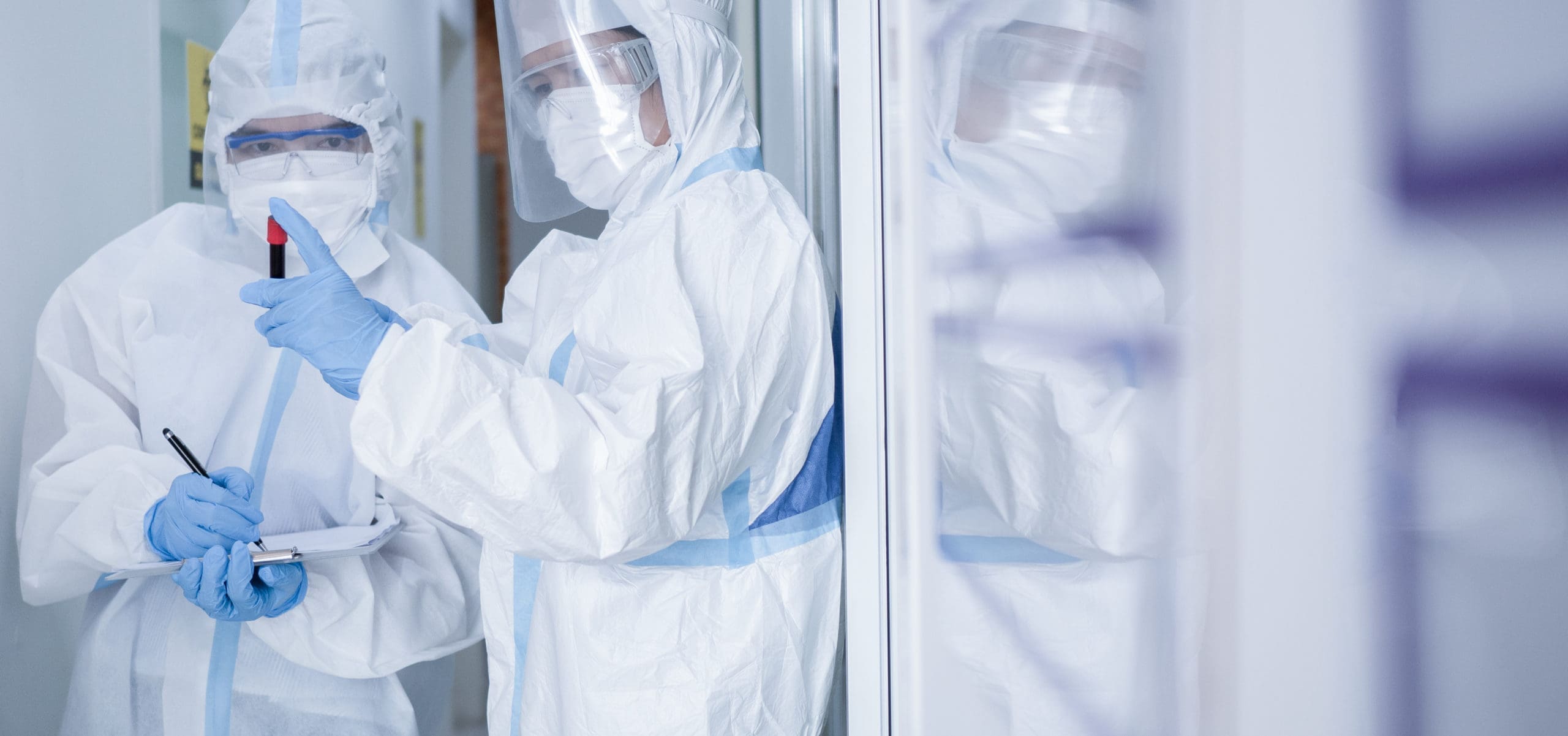
Professor Ezri Tarazi, chair of the Industrial Design Program and head of the Design-Tech Lab at the Technion – Israel Institute of Technology, together with doctors at the Clinical Research Institute at Rambam Health Care Campus, have developed a breakthrough device that dramatically improves the efficacy of protective masks worn by COVID-19 medical staff everywhere. Medical staff worldwide report that overheating and foggy glasses make it difficult for staff to care for COVID-19 patients. Body temperature often causes condensation to build up inside protective gear, which causes masks to fog up and makes it difficult for medical staff to see…