Why the Perfect Pitch is Your Biggest Mistake
September 23, 2026





















The Technion’s story has been intertwined with Israel’s for more than a century, from laying the foundations for a new nation to shaping its future.

Step inside Israeli innovation at the David and Janet Polak Visitors Center. Experience our 360° immersive movie and tech exhibition. Open to individuals and groups.
Learn More
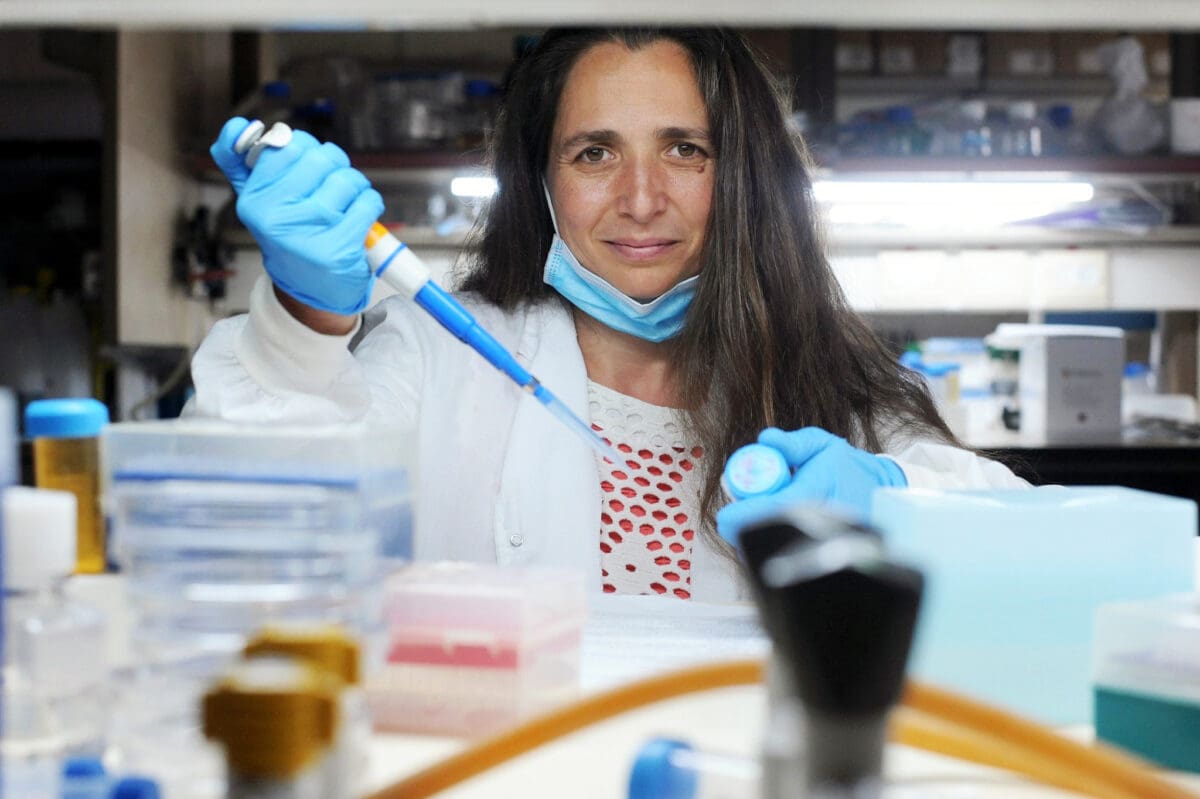
Professor Na’ama Geva-Zatorsky takes you on a lab tour in the Ruth and Bruce Rappaport Faculty of Medicine at Technion – Israel Institute of Technology. As principal investigator in her laboratory at the Technion Integrated Cancer Center (TICC), she typically studies the interaction of gut microbes and the host immune system in health and disease. […]
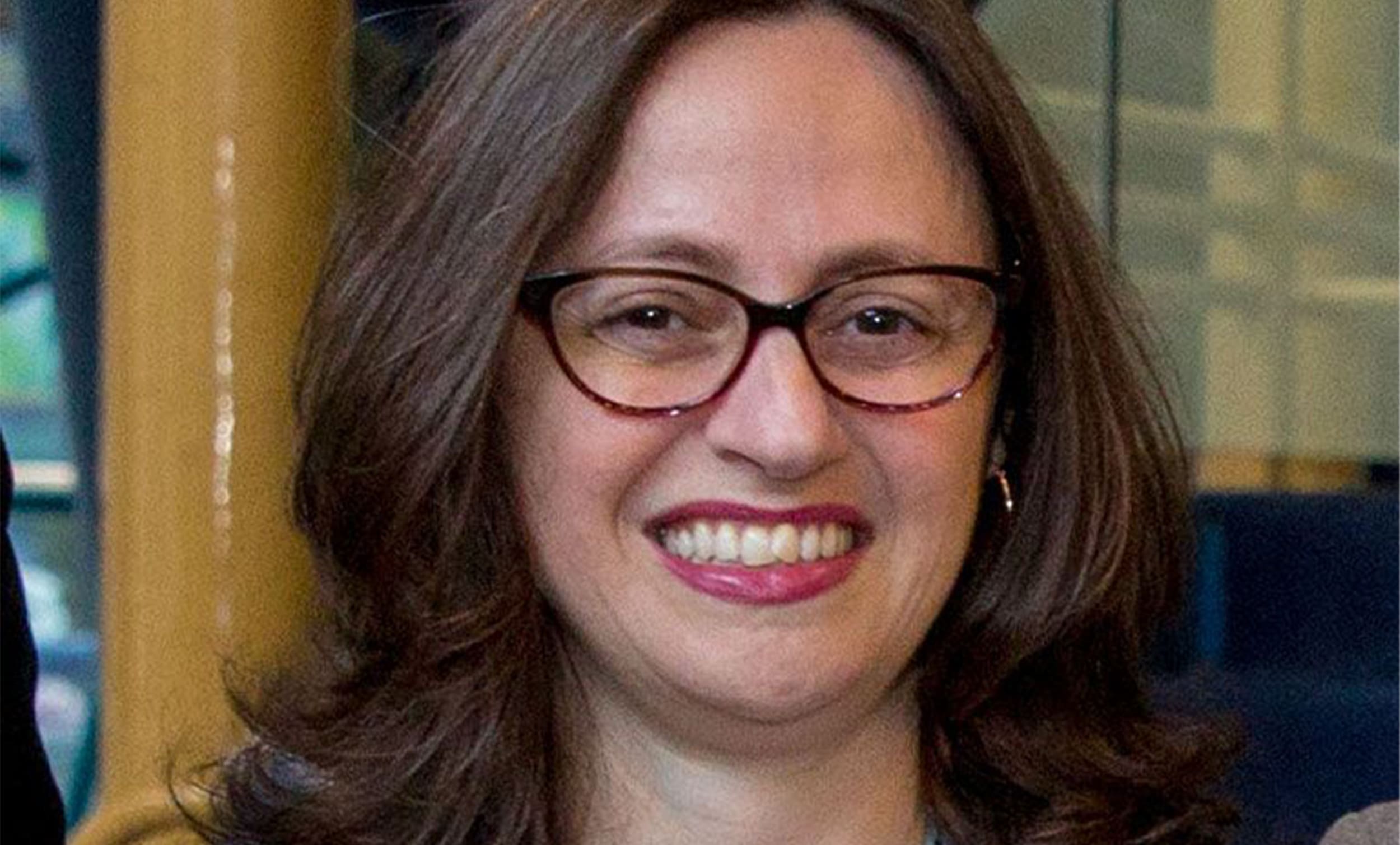
People who have just learned they have a tumor face heart-wrenching questions such as: is it cancerous? Will it spread? Metastasis, the spread of cancer cells from the primary tumor to new areas of the body, is responsible for an alarming 90% of cancer-related deaths. But knowing the risk of metastasis early on can help determine the most effective treatment and improve the patient’s outcome. A research team led by Technion Professor Daphne Weihs of the Faculty of Biomedical Engineering has developed and tested a biomechanical technology to predict whether a tumor is cancerous, and if so, the likelihood of…

When the first cases of COVID-19 began appearing around the world, Technion researchers didn’t hesitate. They poured themselves into new projects to diagnose, treat, and ultimately prevent the spread of the coronavirus. In total, more than 50 labs are focused on combating COVID-19, ranging from vaccine research and therapeutics to personal protective equipment, diagnostics, and […]
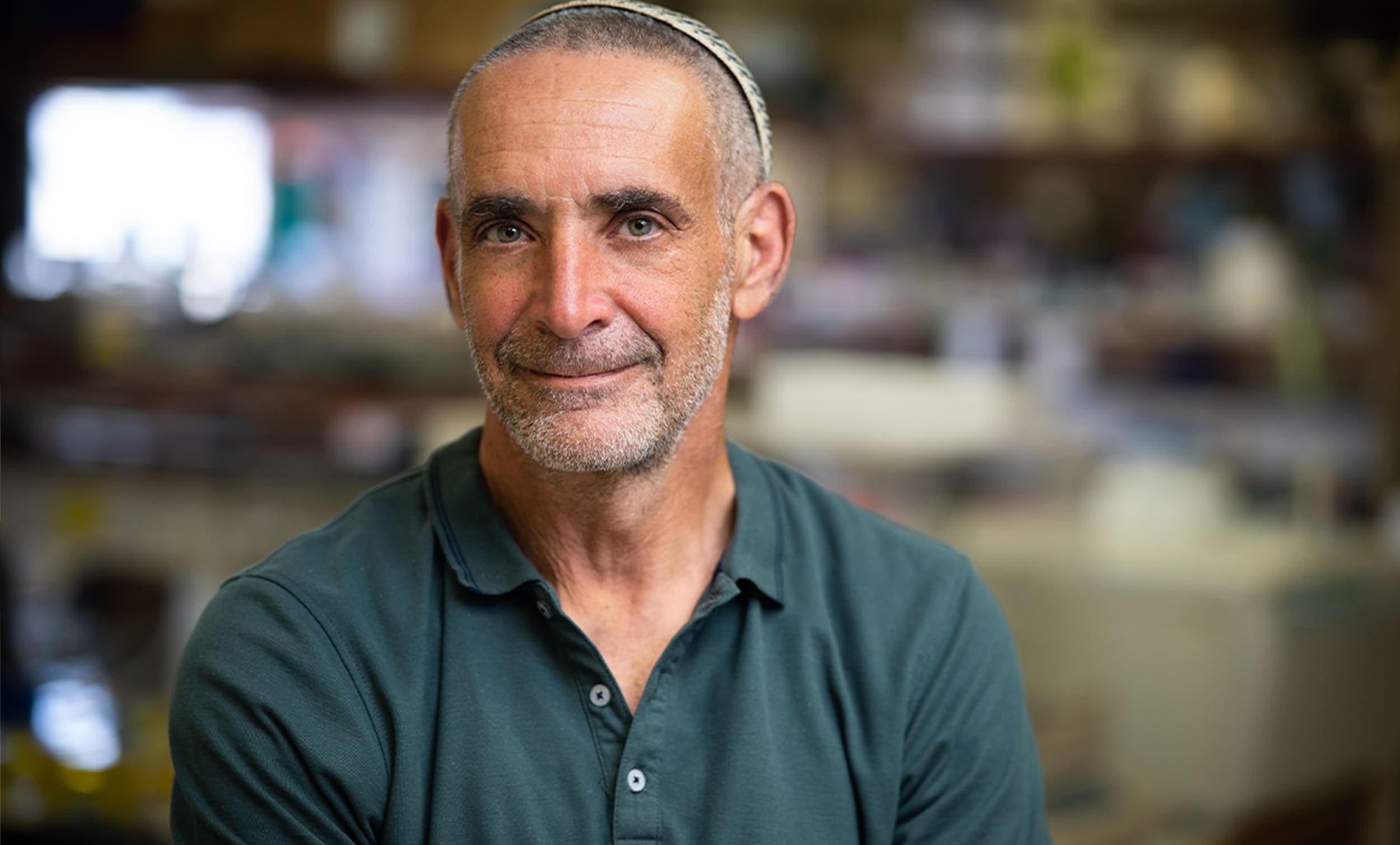
More than 30 million people in the U.S. are living with diabetes, a disease for which there is no cure. The most common treatment focuses on intensive therapy to reduce blood sugar levels, but in some diabetics this approach can actually be harmful and significantly increase mortality rates. Now, a team of researchers led at the Technion by Professor Andrew P. Levy, MD, of the Rappaport Faculty of Medicine, has developed and patented a method for predicting the safety and effectiveness of diabetes treatment for specific patients. The discovery will help physicians determine which methods to use and which to…
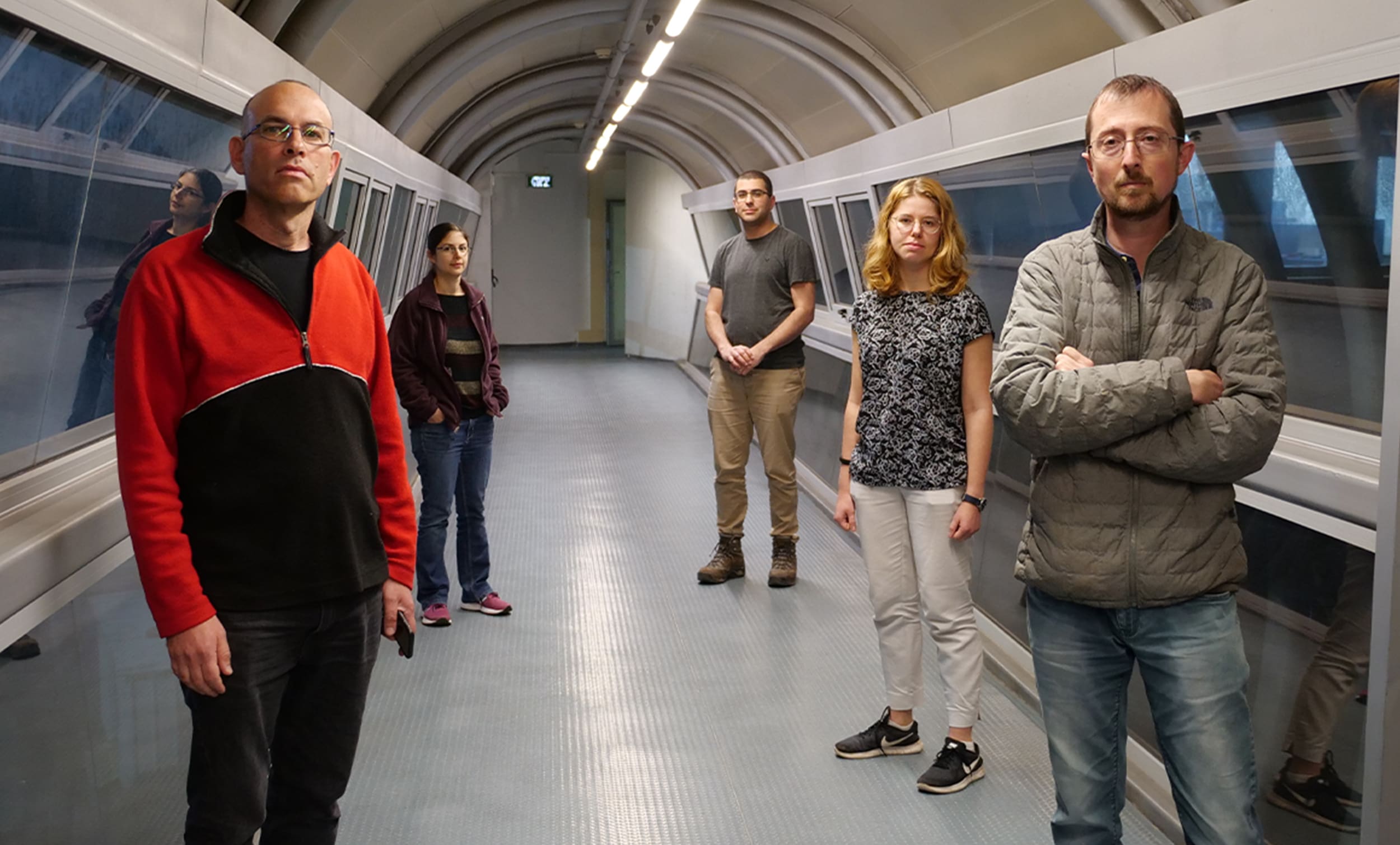
The best way to stop the spread of the coronavirus is by identifying carriers and keeping them away from healthy people. That requires testing — and a lot of it. Researchers at the Technion and Rambam Health Care Campus are undergoing a final validation of their “pooling” test, which would dramatically increase testing capacity and speed. They hope the test will be available for widespread use by winter, when people could be suffering from a second wave of coronavirus, or a combination of COVID-19 and the flu. “In winter, a lot of people will have respiratory diseases and will really…
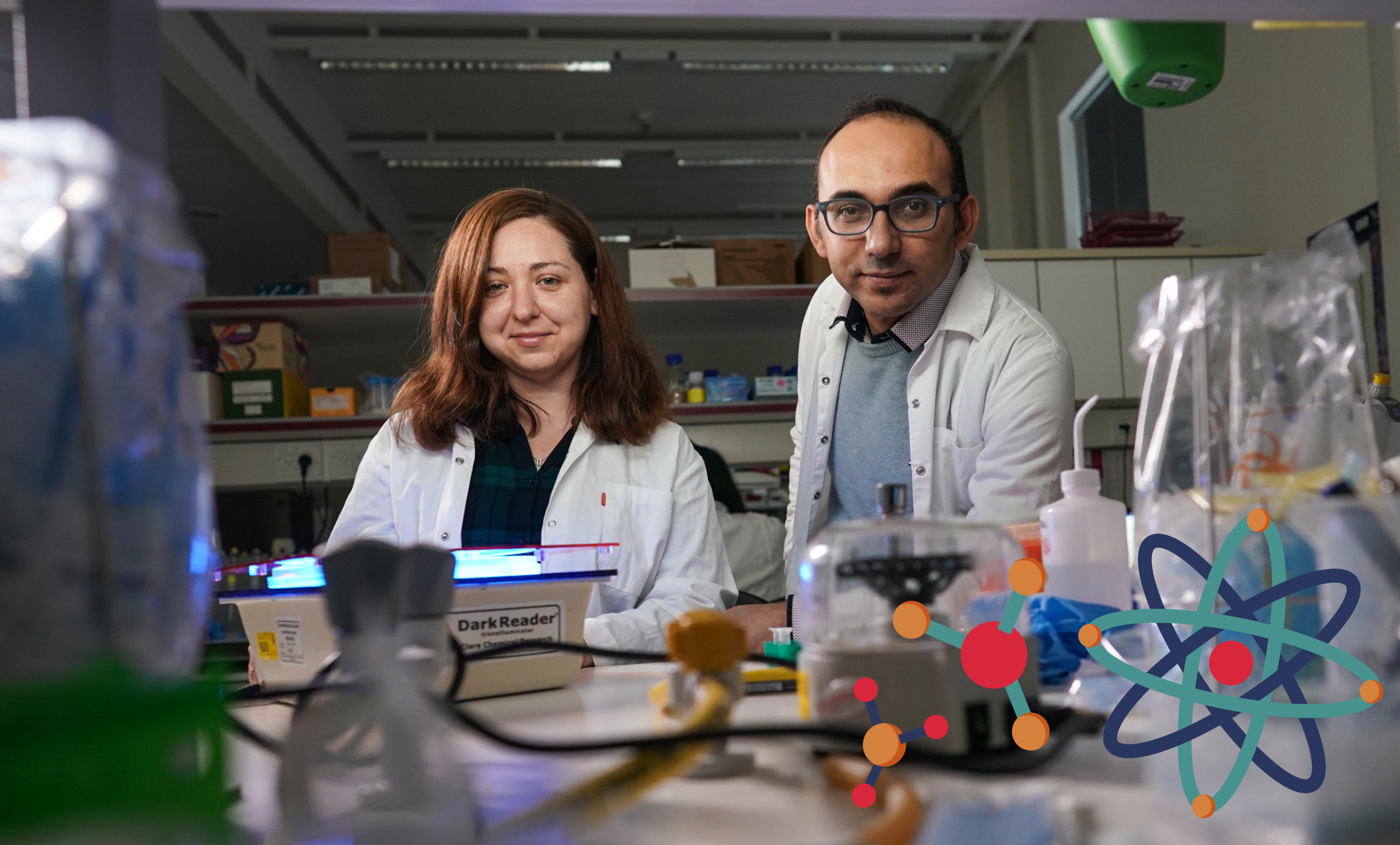
You could say tinkering is in his genes. When Ramez Daniel was only 12, he cobbled together a car that ran on electricity. Now the assistant professor in the Faculty of Biomedical Engineering at the Technion tinkers with a very different kind of material: human cells. Prof. Daniel works in the fast-growing field of synthetic biology to understand how these fundamental units of life can be engineered to treat diseases and warn of dangerous medical conditions. While pursuing his bachelor’s degree at the Technion and his graduate studies at Tel Aviv University, Prof. Daniel designed electrical circuits. “At my heart,…
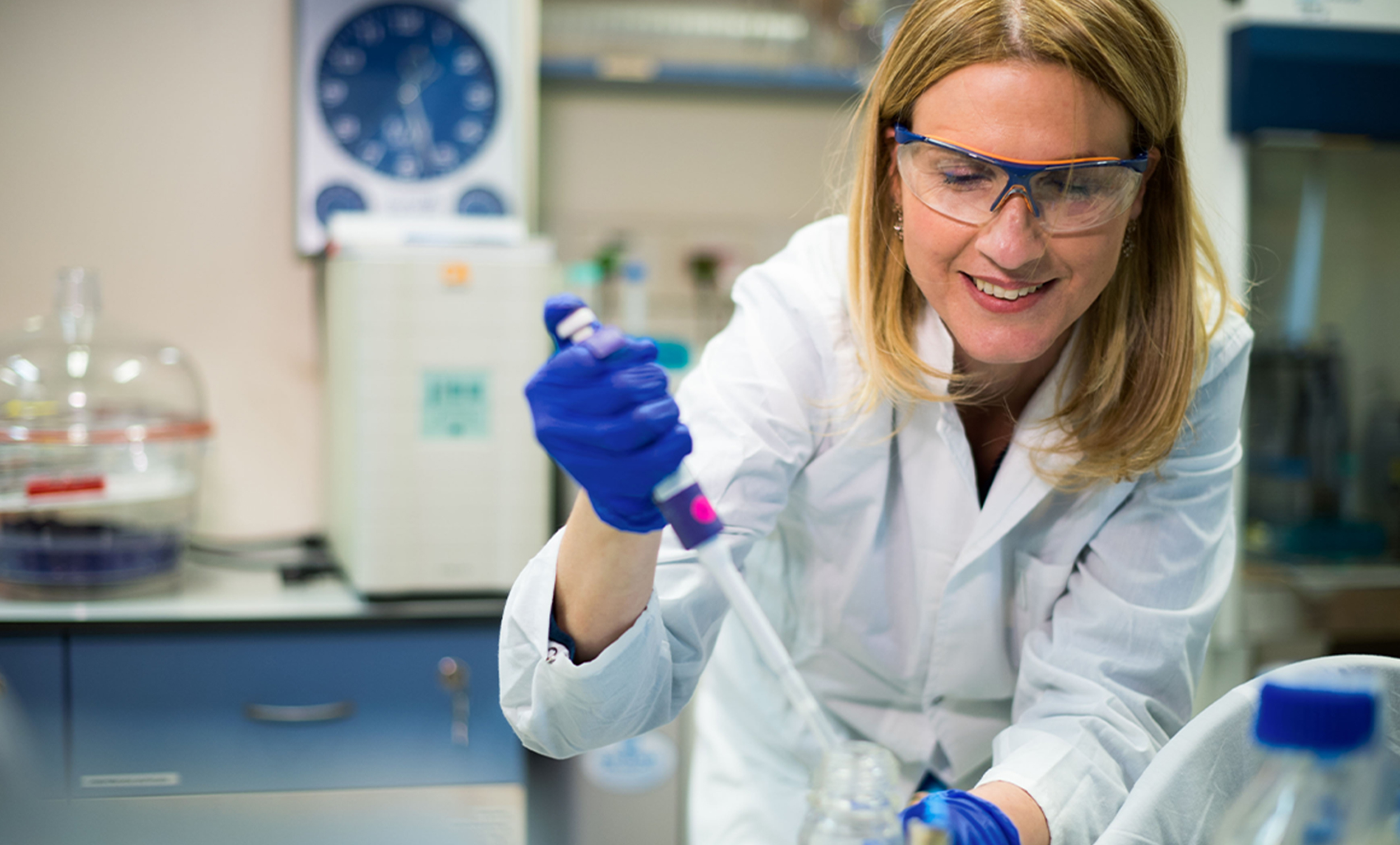
Virtually everyone has been impacted by either Alzheimer’s or Parkinson’s disease. Watching as a beloved grandparent or friend experiences cognitive decline is heartbreaking. And as the number of older Americans grows, so too will the number of cases. Americans with Alzheimer’s are slated to rise from about 5.8 million people today to 13.8 million by midcentury, while the number of Americans age 45 or older with Parkinson’s is forecasted to jump from about 930,000 today to 1,238,000 in a decade. Technion researchers are on the front lines battling both degenerative diseases. Professor Ester Segal, who often speaks with American Technion…

A few years ago, Israel started treating severely autistic children with medical marijuana. The results were startling. Many children slept peacefully throughout the night for the first time in their lives, made eye contact, or uttered their first words. Then suddenly, some children inexplicably demonstrated self-abusive and other regressive behaviors. What happened? It turned out that the cannabis grower changed greenhouses. Physicians thought they were prescribing the same medicine, but the new plant was as different as penicillin is from tetracycline. “Cannabis is a generic name,” said Professor Dedi Meiri, the Technion’s cannabis expert. “It’s not enough to say, ‘Take…
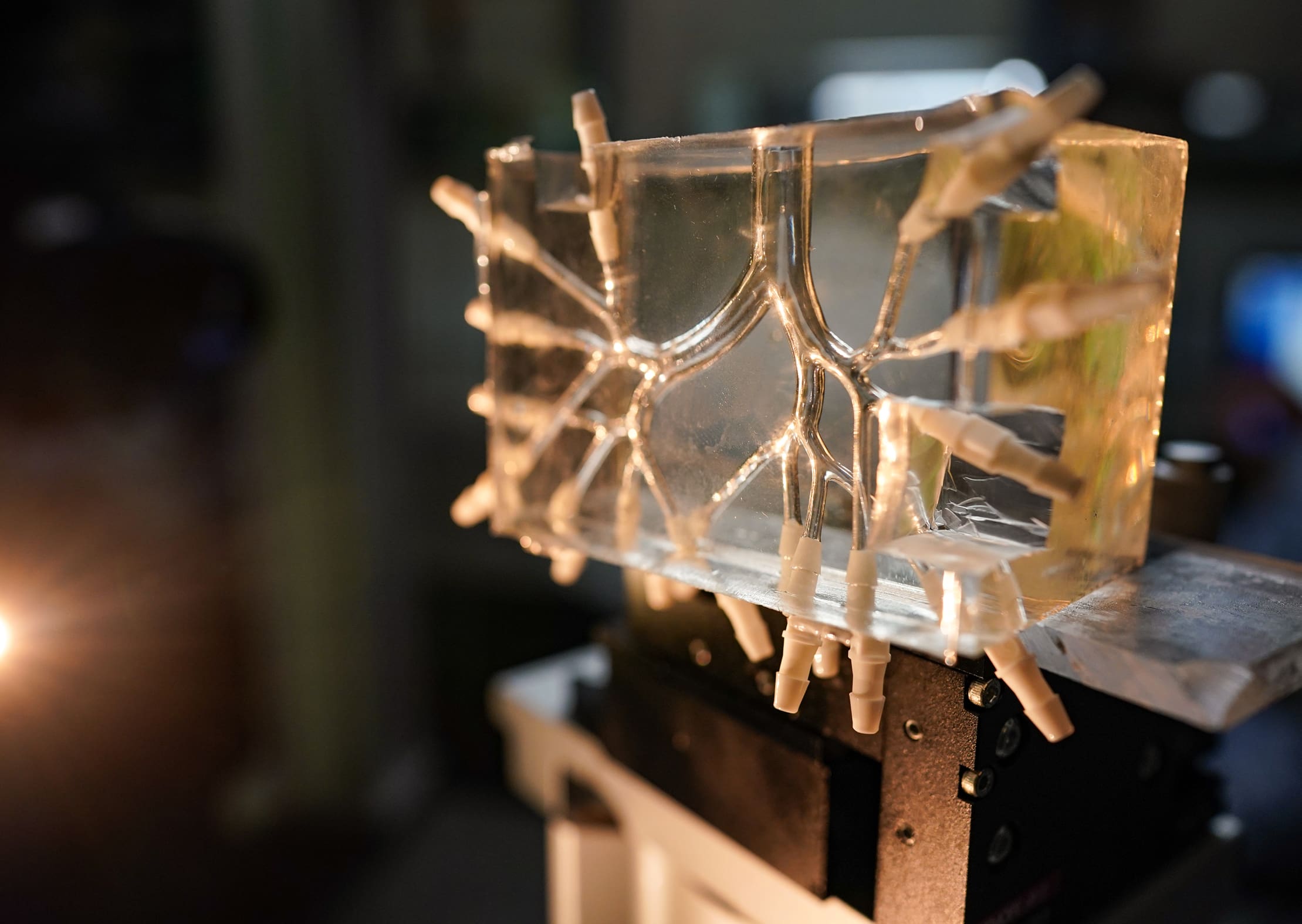
Antibiotics remain a powerful weapon against bacteria, but their overuse has led to the spread of dangerous antibiotic-resistant strains. Nearly 3 million antibiotic-resistant infections occur each year in the U.S., resulting in 35,000 deaths. Technion researchers are developing new methods to fight bacteria without encouraging antibiotic resistance. A team led by Associate Professor Meytal Landau has discovered a novel way to combat bacteria like Salmonella by inhibiting the formation of biofilms, bacterial colonies that can cling to surfaces like drain pipes and hospital equipment. Her team has identified compounds that disrupt the web of secreted proteins that knit these biofilms…

Scientists have known that chemotherapy can damage the heart muscle. But what about the reverse — can heart disease impact cancer? A research team led by Professors Ami Aronheim and Yuval Shaked of the Rappaport Faculty of Medicine at the Technion, with colleagues from Carmel Hospital, have found that early changes in the size, shape, or function of the heart caused by heart disease or injury, collectively known as cardiac remodeling, promotes cancer progression. The study, published in Circulation, demonstrates that catching and treating heart disease early on in cancer patients might help cardio-oncologists slow tumor progression and improve cancer…