Why the Perfect Pitch is Your Biggest Mistake
September 23, 2026

















The Technion’s story has been intertwined with Israel’s for more than a century, from laying the foundations for a new nation to shaping its future.

Step inside Israeli innovation at the David and Janet Polak Visitors Center. Experience our 360° immersive movie and tech exhibition. Open to individuals and groups.
Learn More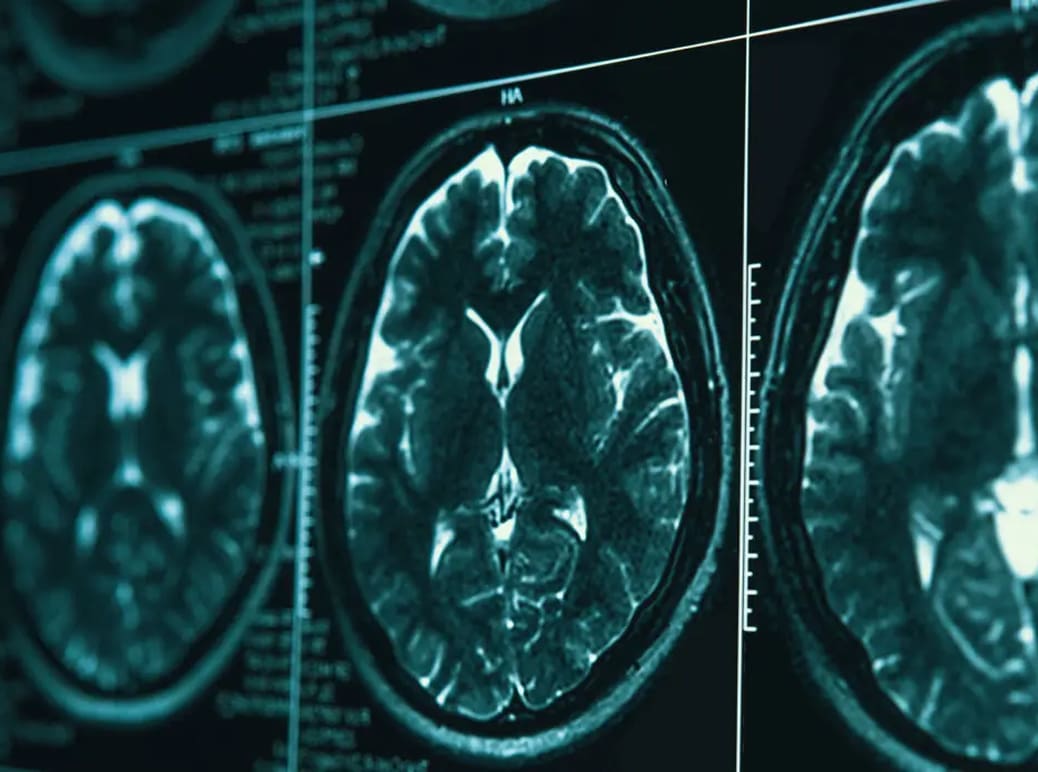

With Aging Expert Dr. Nir Barzilai of Albert Einstein College of Medicine and Professor Uri Lesmes of the Technion Faculty of Biotechnology and Food Engineering Do centenarians have genes that delay aging? Which foods could restore the fountain of youth? Learn all about the keys to living a longer life in this conversation, originally aired […]
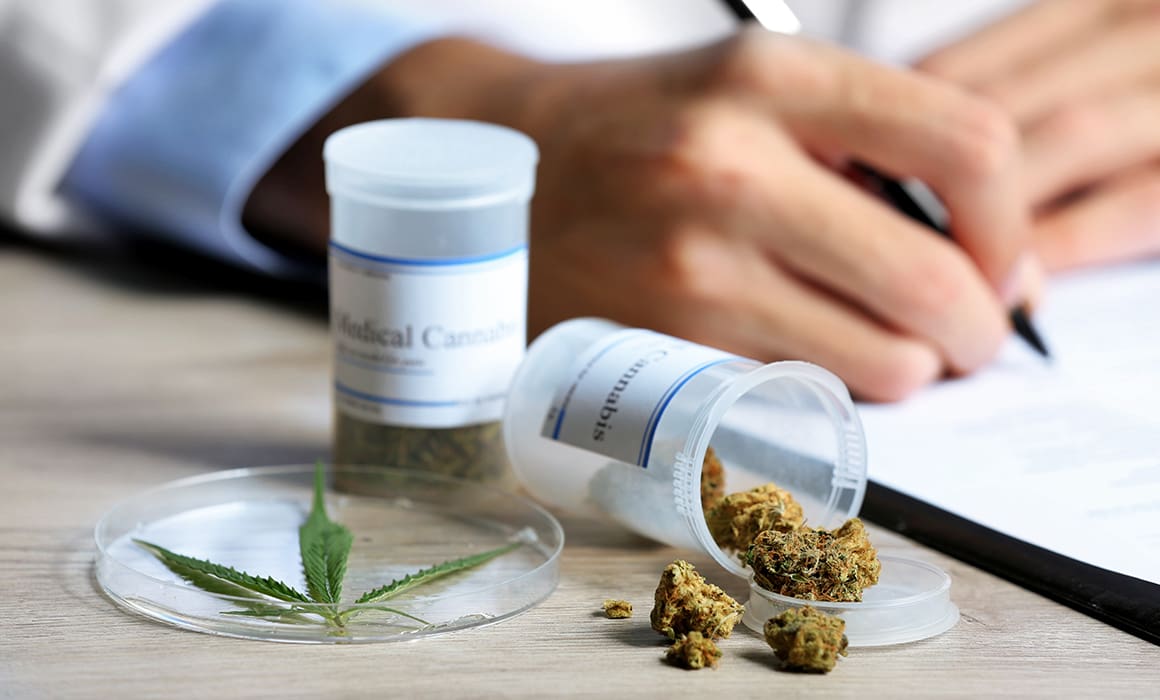
A team of researchers from the Technion – Israel Institute of Technology, Rambam Medical Center, Tel Aviv University, and the Sheba Medical Center have found that small, metered cannabis doses delivered via inhaler can have a positive impact on chronic pain. Cannabis is an effective means of treating chronic pain, but determining an optimal dosage is a difficult task. This has prevented the standardization of these treatments and discouraged many doctors from issuing cannabis prescriptions. One way to ensure accurate dosing is to use a small, portable vaporizer, commonly known as an inhaler. The researchers studied individuals who received 0.5…
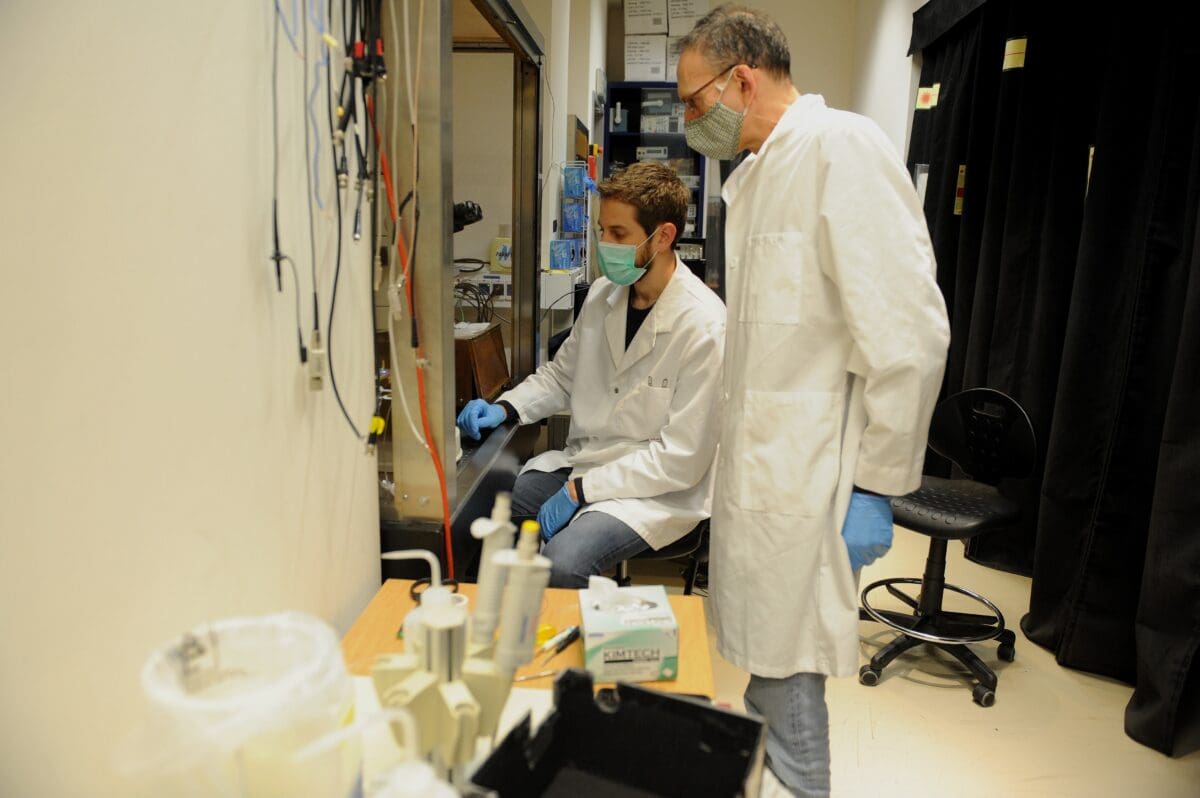
In the ongoing fight against cancer, Technion breakthroughs in diagnostics and treatments have improved and saved lives around the world. This year alone, scientists at the Rappaport Technion Integrated Cancer Center (RTICC) have advanced research on early detection of various cancers, curbing cancer metastasis, and personalized treatment. RTICC donors enjoyed an exclusive look at the […]
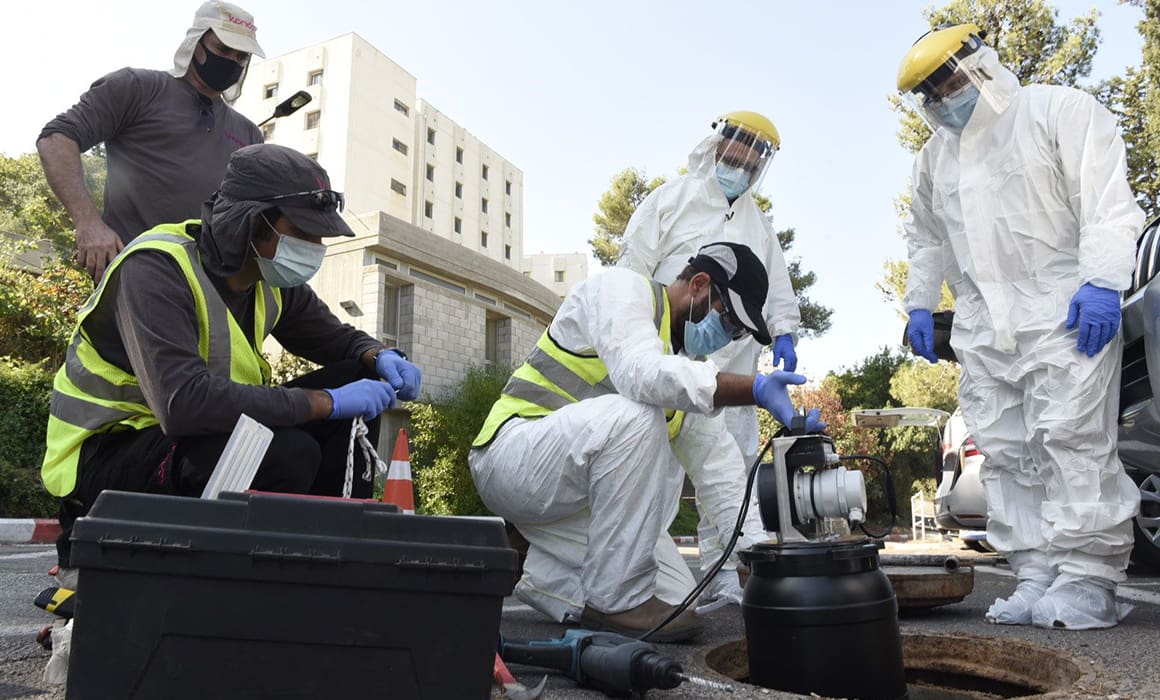
Technion – Israel Institute of Technology researchers have developed a new tool that will make it possible for students, faculty, and staff to safely return to campus. The technology, developed by a research group led by Professor Eran Friedler of the Environmental and Water Engineering Department of the Faculty of Civil and Environmental Engineering, with researchers from the Ministry of Health, Ben Gurion University of the Negev, and the Kando company, monitors SARS-CoV-2 RNA in wastewater. The tool monitors and provides data on outbreaks and their geographic dispersal on campus — information essential for early warning and for blocking the…
Virtual Event With Technion Alumni “From a young age, I knew I am going to be a scientist, and it’s a decision I have never regretted,” said Dr. Assaf Zinger. Today, he is a rising star in biomedical engineering and nanotherapeutics. Conducting his postdoctoral research at the Houston Methodist Research Institute in Texas, Dr. Zinger […]
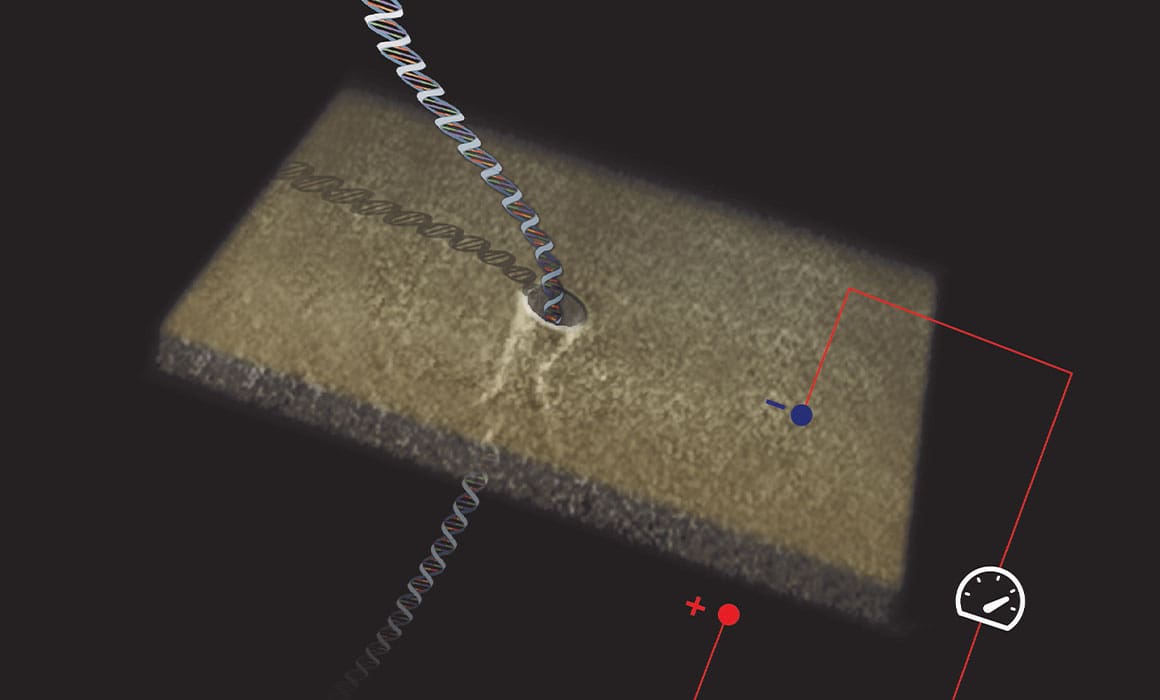
Technion scientists have developed a novel method for rapid and accurate sensing of coronavirus without the need to rely on PCR amplification, a technique that makes millions or even billions of copies of DNA so that there is enough material to test. The new technique can identify the presence of SARS-CoV-2 in a sample by counting and quantifying the virus’ RNA molecules with single-molecule precision. This method is not biased by PCR amplification errors, allowing researchers to develop a more accurate clinical diagnostic technique. Researchers have also found that the technique can be used to detect metastatic cancer. The research…
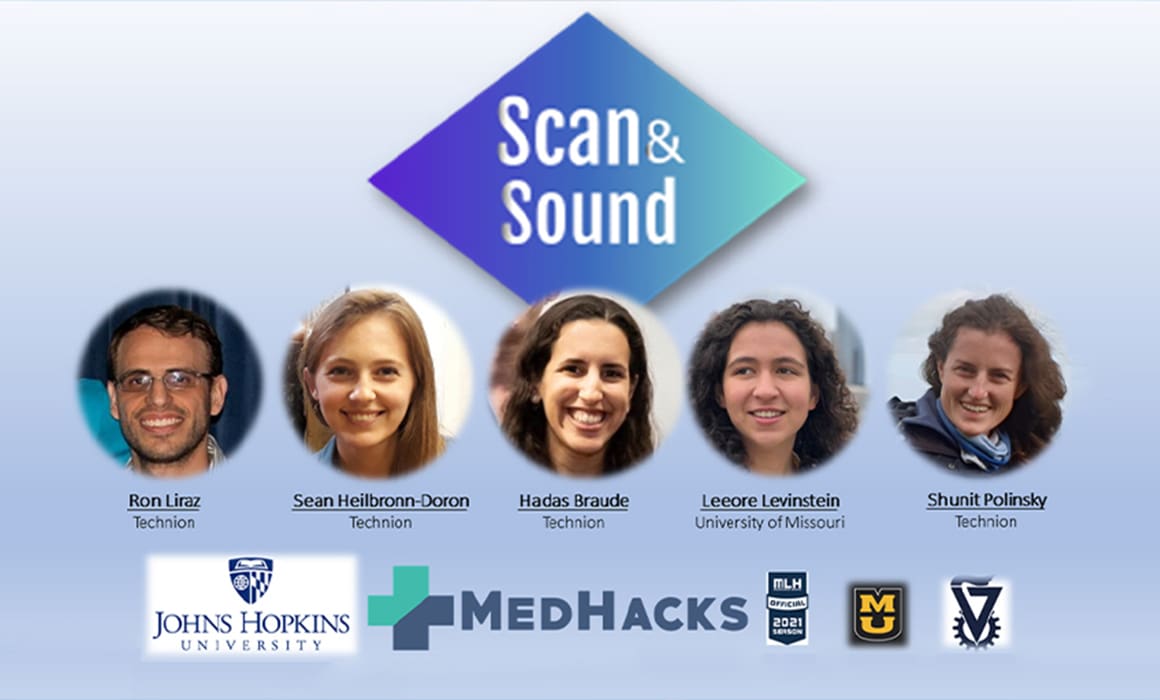
A team of students from the Technion and the University of Missouri won second place at MedHacks — a hackathon for developing medical technologies hosted by Johns Hopkins University. They were awarded for developing the Scan&Sound application, which detects strokes at early stages and alerts the victims. One in four people in the United States experiences a stroke at one point in their lives. There are many different levels of severity, ranging from a stroke that one is not even aware of experiencing to an event that results in serious cognitive and motor impairments, and even death. In addition to…
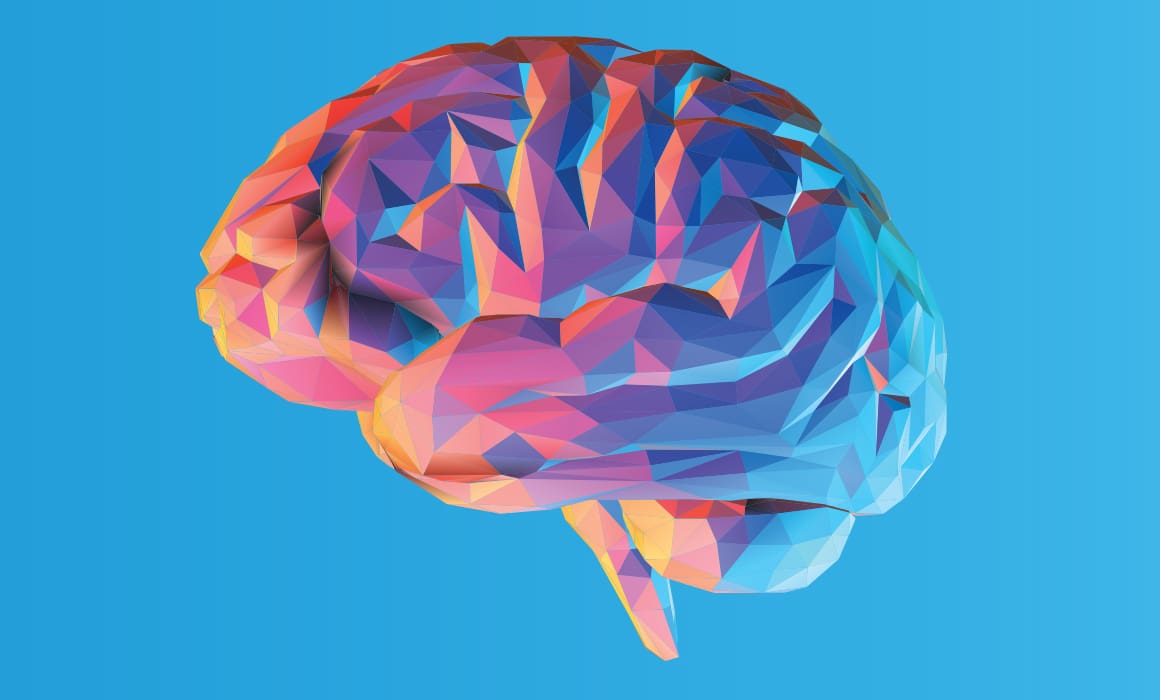
We must move to survive. Yet each movement we make — from acquiring food, to eating, to caring for our children, to protecting ourselves — requires our brain to make hundreds of adjustments and adaptations based on past experiences and the present environment. Little is known about how neurons in the motor cortex — the part of the brain that directs skilled movement — process and apply past experience to coordinate skilled movement. But new research from the Technion has given medicine insight into what happens in the primary motor cortex (M1) when learning skilled movement, which may lead to…
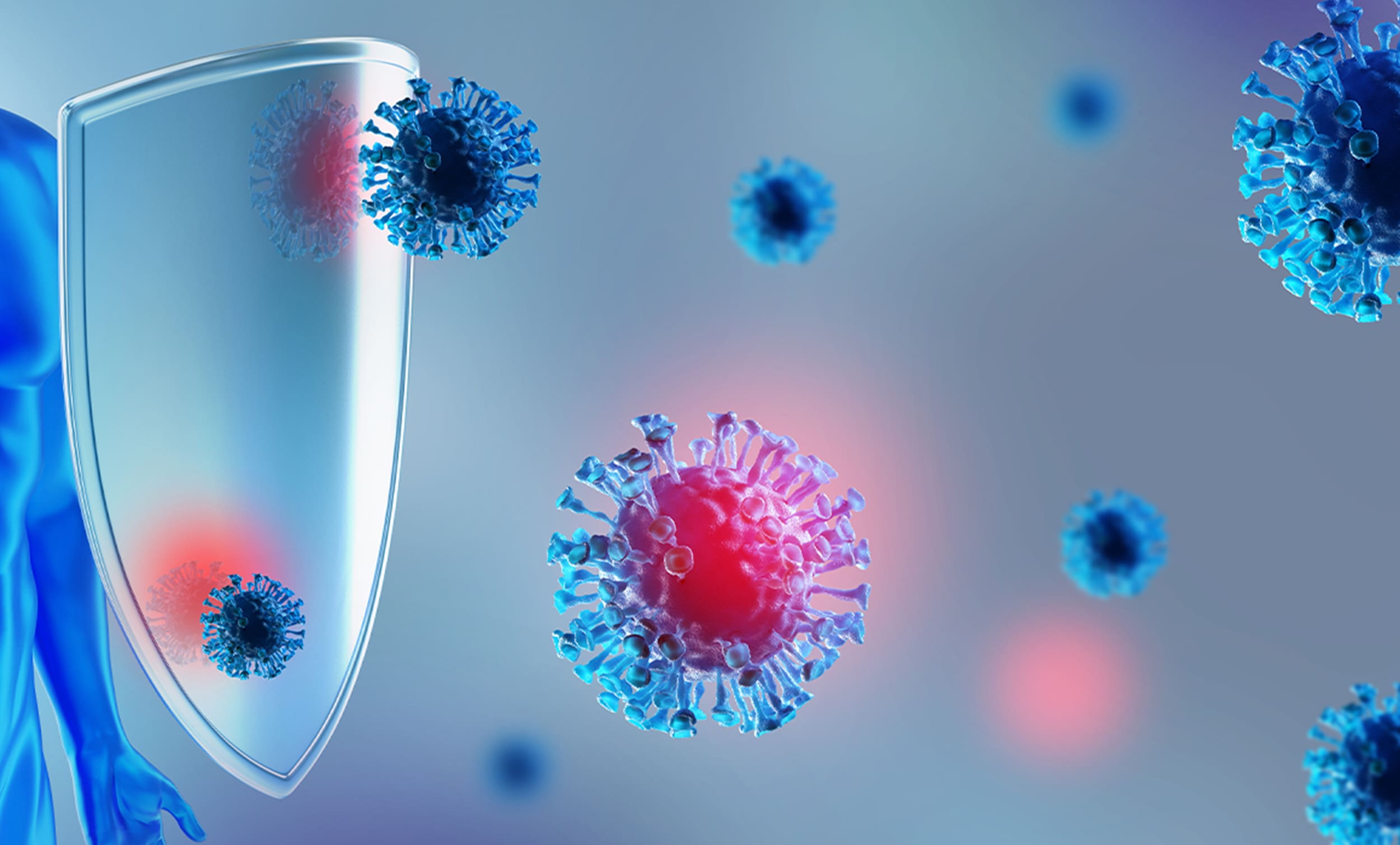
Since the start of the pandemic, scientists have warned that cancer patients could be at increased risk of serious illness from COVID-19 due to a weakened immune system. But that commonly held belief, reinforced by an early study from China as well as the National Cancer Institute, might be wrong — for certain patients. In fact, cancer patients, with the exception of those with blood cancers, may not become infected any more than the population at large, and might have the same if not better odds of beating back the most severe symptoms of COVID-19. Those were the findings of…

Anyone who has undergone the nasal swab testing for the novel coronavirus knows it is not a particularly pleasant experience. Technion technology could change the face of testing, making it more accessible and convenient. Professor Hossam Haick is developing his renowned, non-invasive breathalyzer technology to detect COVID-19 biomarkers rapidly from a patient’s exhaled breath. What’s more: the breath tests could be used to screen individuals in large public places, key to containing the pandemic’s spread. Prof. Haick’s technology is based on the identification of specific disease “signatures” detected through breath analysis. Just as people have unique fingerprints, diseases also have…
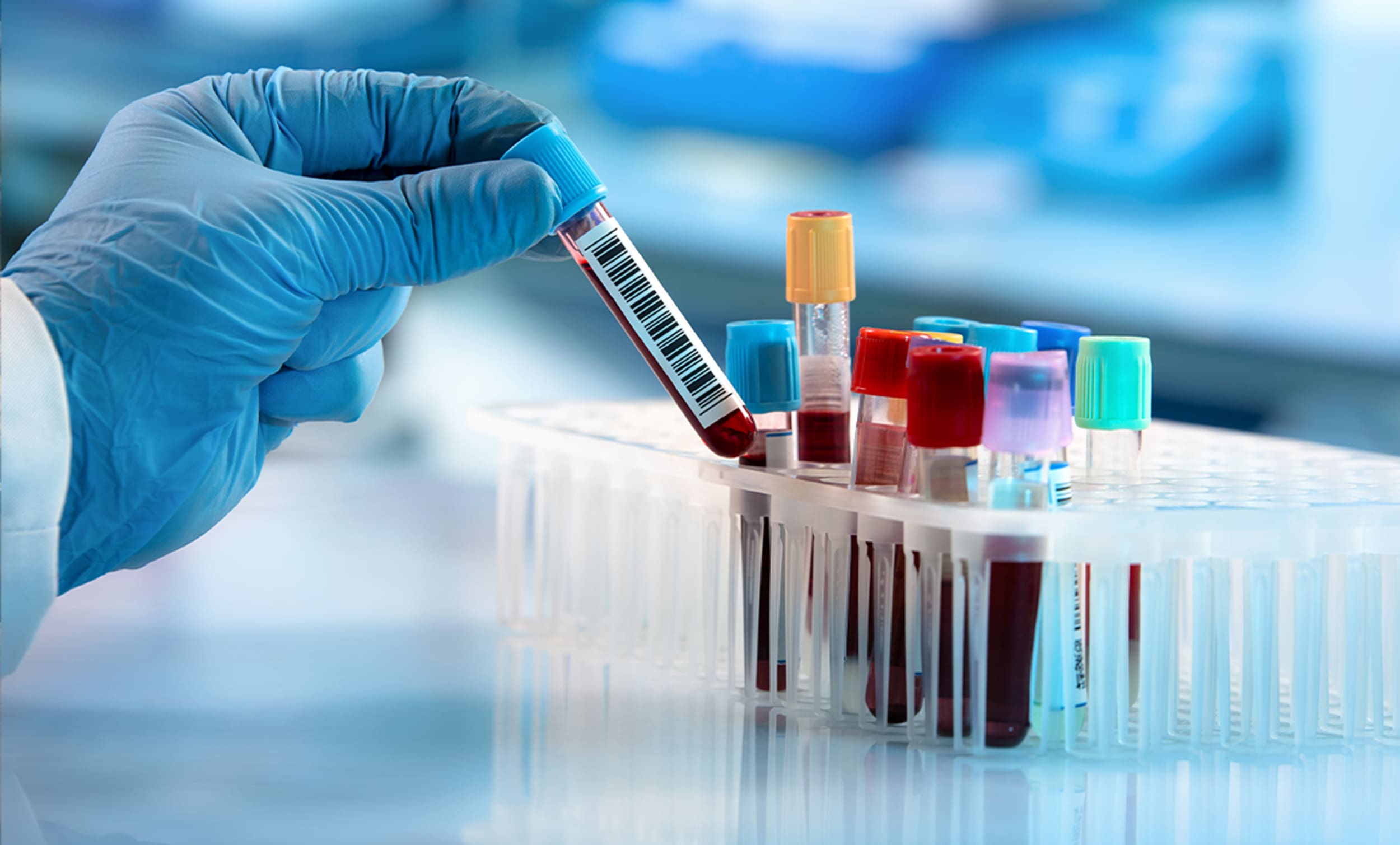
A team of Technion researchers led by Associate Professor Tomer Shlomi and doctoral students Boris Sarvin and Shoval Lagziel, has developed a new method for rapid, inexpensive analysis of blood samples that can be used in diagnostics, including detecting disease biomarkers. Its first application will be to test for early signs of various cancerous tumors. The innovative technology, described in Nature Communications, is based on a unique combination of computational methods and mass spectrometry — a type of analysis that can determine what molecules make up a sample. But mass spectrometry requires a time-consuming, expensive pre-step of spinning each sample…
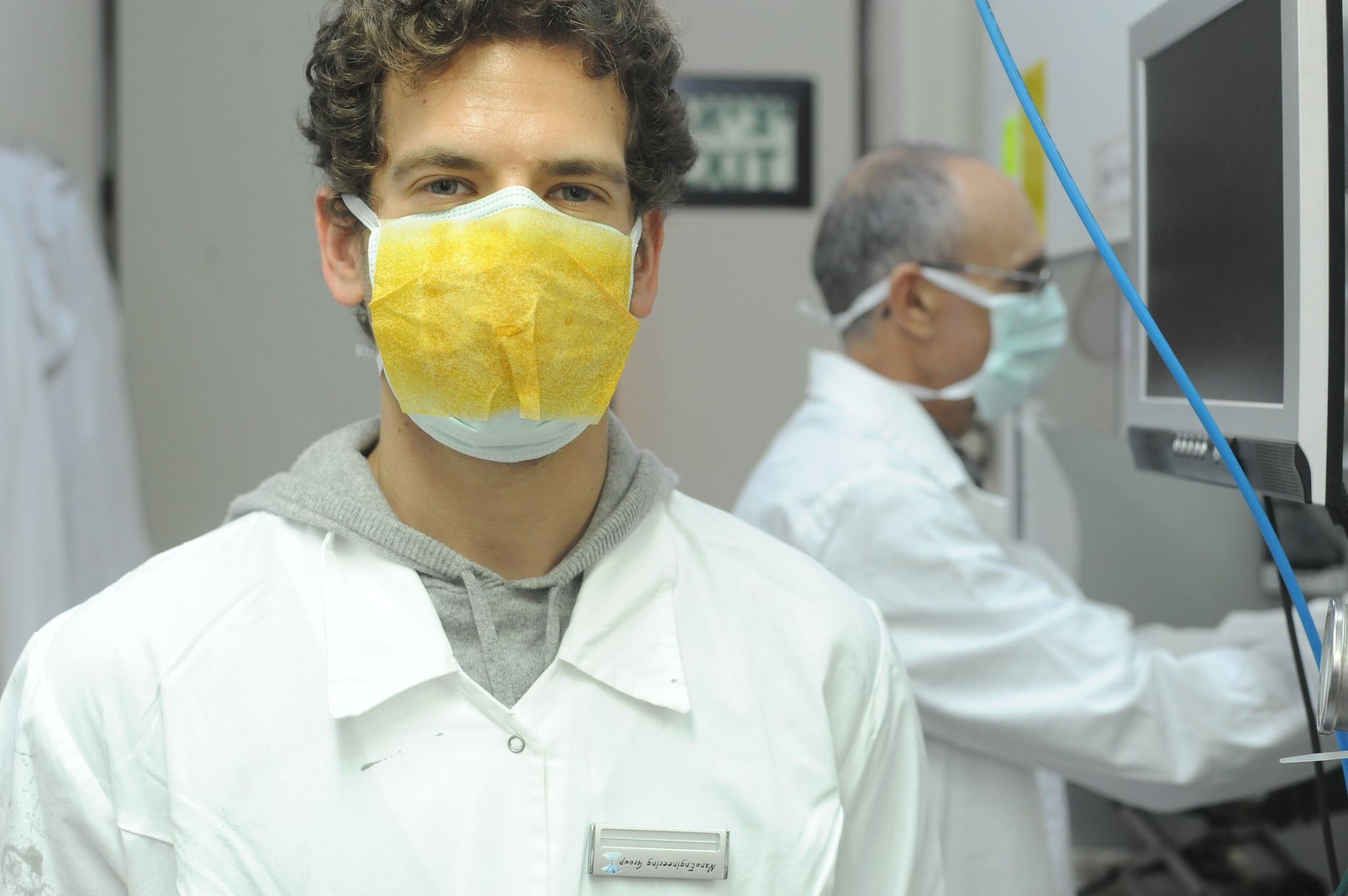
In late March, the Technion came out with one of the first personal protective equipment (PPE) developments for medical teams treating the coronavirus on the frontlines — the “Maya” sticker. Now, the adhesive decal, which boosts the efficiency of surgical masks by 100%, has gone into mass production at the Dykam paper plant in Kibbutz Ein Harod. As of mid-August, Dykam was turning out 5,000 stickers per day and had plans to increase production to one million per month. Invented by Technion Professor Eyal Zussman, who holds the Yeshayahu Winograd Chair in Fluid Mechanics and Heat Transfer in the Faculty…