Something Fresh in the State of Denmark
October 06, 2026



























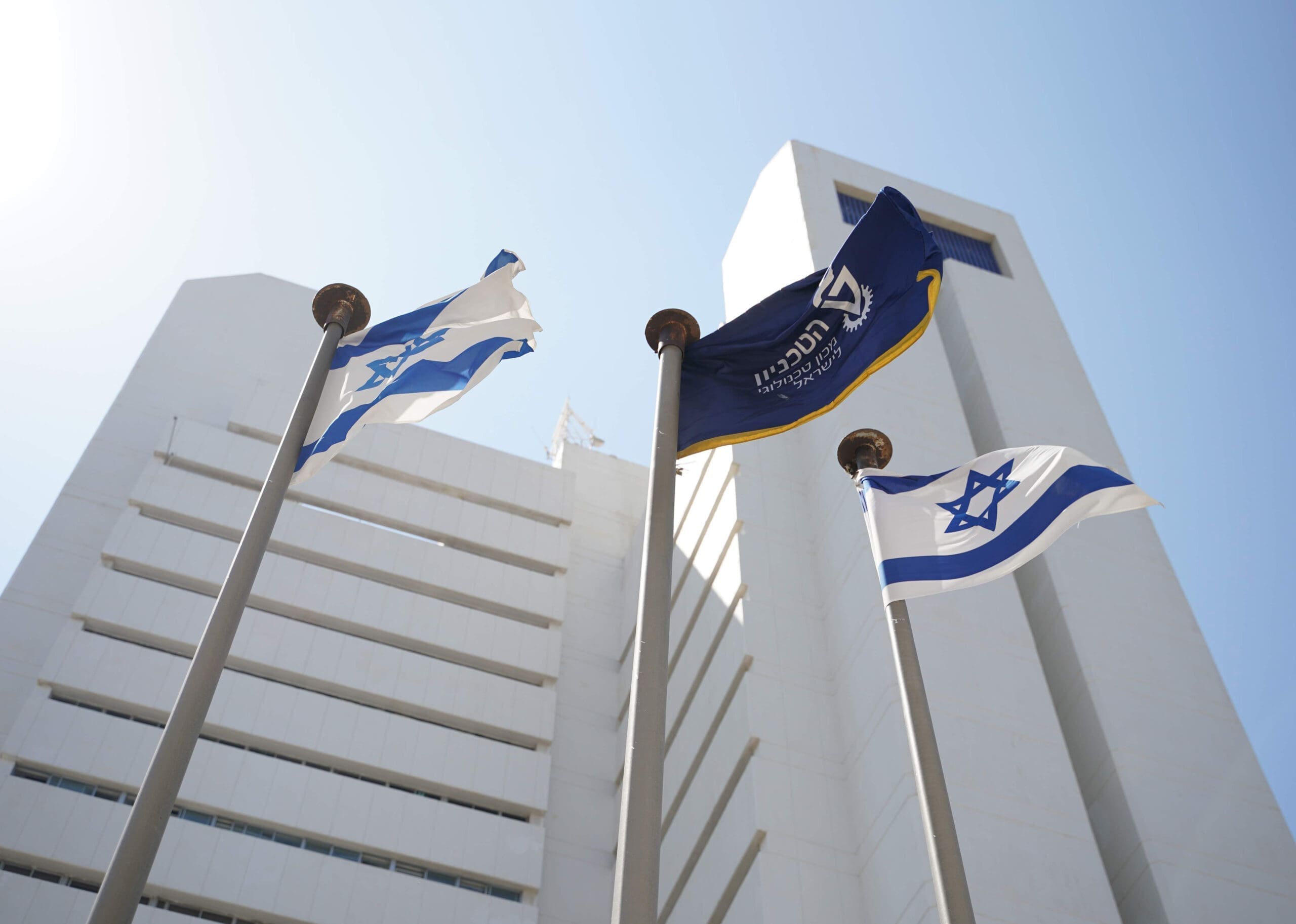






The Technion’s story has been intertwined with Israel’s for more than a century, from laying the foundations for a new nation to shaping its future.

Step inside Israeli innovation at the David and Janet Polak Visitors Center. Experience our 360° immersive movie and tech exhibition. Open to individuals and groups.
Learn More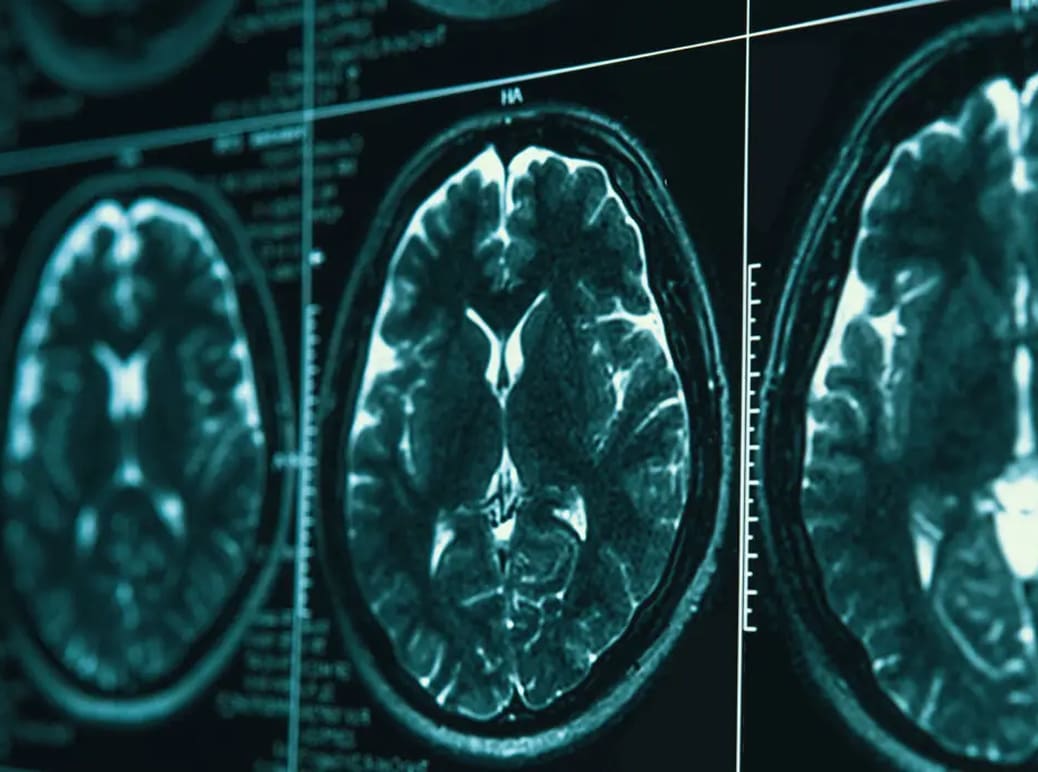
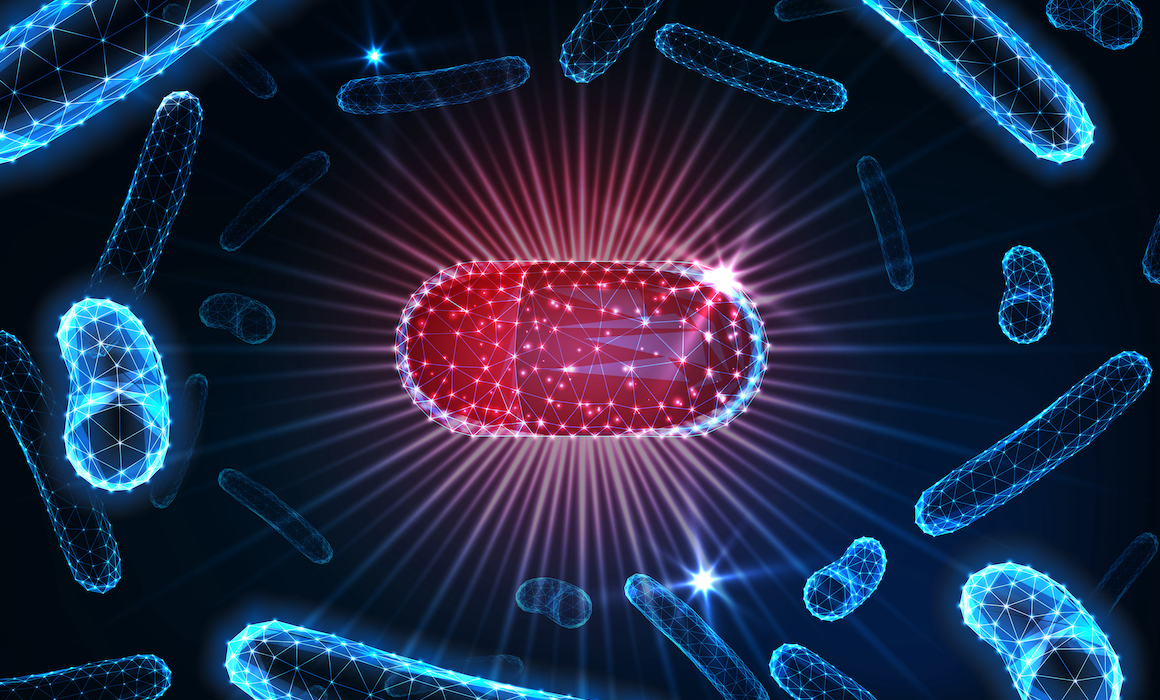
Antibiotics are a double-edged sword: on the one hand, antibiotics are essential to curing bacterial infections. On the other hand, their use promotes proliferation of antibiotic-resistant bacteria. Using genomic sequencing techniques and machine learning analysis of patient records, researchers from the Technion – Israel institute of Technology and Maccabi KSM Research and Innovation Center have developed an antibiotic-prescribing algorithm that cuts the risk of emergence of antibiotic resistance by half. The paper, published in Science, is a collaboration between the research group of Professor Roy Kishony from the Technion Faculty of Biology and the Henry and Marilyn Taub Faculty of…
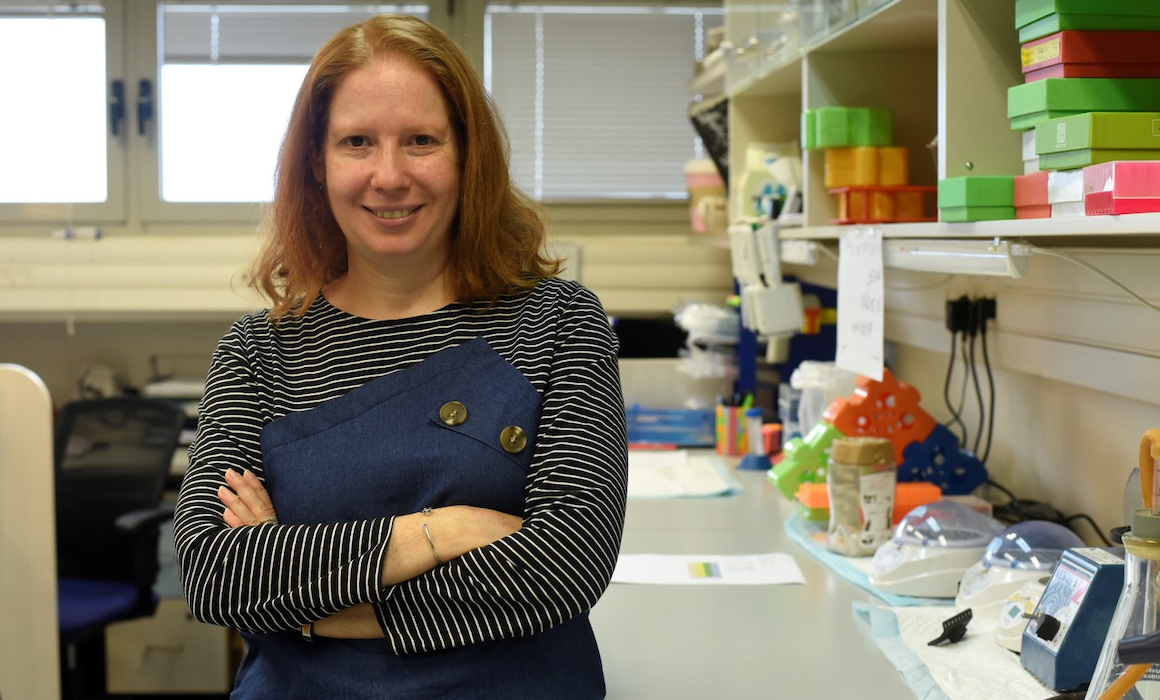
Pictured Above / Professor Reut Shalgi Researchers at the Technion’s Rappaport Faculty of Medicine have discovered that the body has the capability of curing various neurodegenerative diseases, including Huntington’s, Alzheimer’s, and ALS. Unfortunately, however, the body often fails to detect the problem and activate the solution. Professor Reut Shalgi likened the situation to computer troubleshooting. Often you don’t recognize at first that something is wrong with your computer. And when you do, finding the solution is hit or miss. “It is the same with our cells,” she said. “They do not always realize there is a problem, or know how…

Photo credit: Advance Materials Magazine Patients suffering from sodium-related diseases and other conditions currently must visit a clinic or hospital for blood tests that can be painful and do not provide online or immediate results. Now, Technion researchers have developed a smart, wearable “band-aid” fitted with microneedles that continuously monitor a person’s medical condition and send the data to the patient or doctor. The research, recently featured on the cover of Advanced Materials, was led by Professor Hossam Haick, postdoctoral fellow Dr. Youbin Zheng, and Ph.D. student Rawan Omar of the Wolfson Faculty of Chemical Engineering and the Russell Berrie…
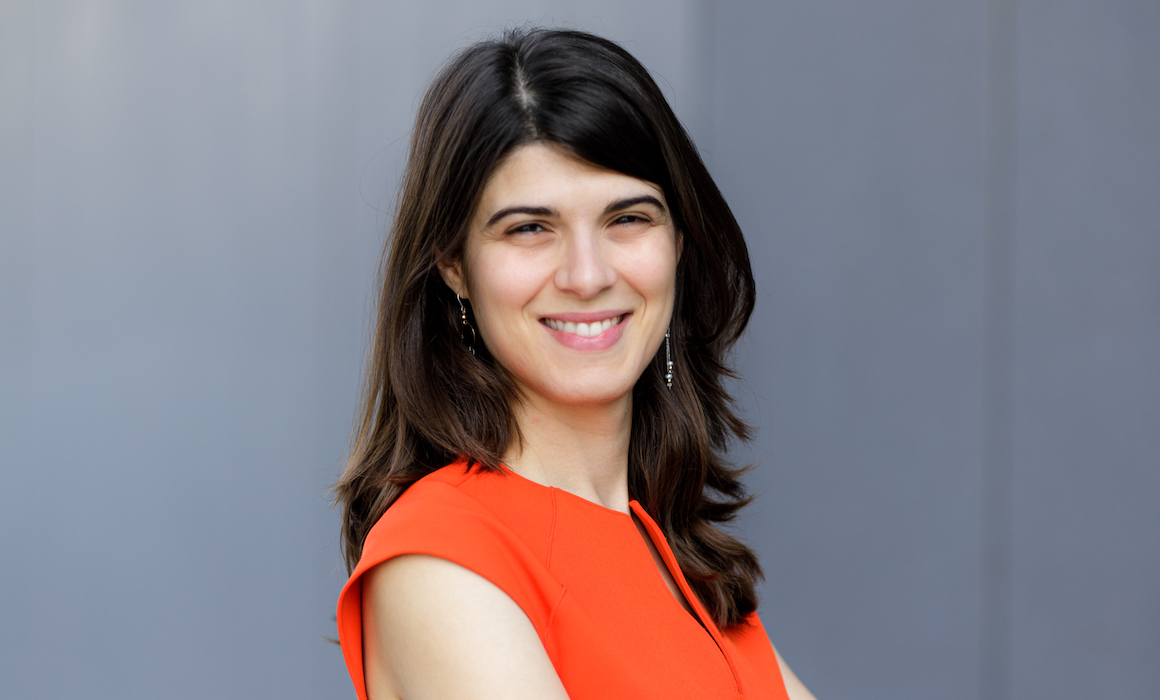
Pictured Above / Dr. Kira Radinksy / Photo credit: Omer Hacohen The last step in developing a drug or medical treatment is the clinical trial, which confirms the treatment’s efficacy in humans and its safety. While a long and expensive process, a successful clinical trial is essential to receiving approval from the FDA or other regulating authorities. Yet clinical trials have long underrepresented women, leading to misdiagnosed diseases and adverse drug reactions. A new article in the Journal of the American Medical Informatics Association (JAMIA) by researchers at the Henry and Marilyn Taub Faculty of Computer Science at the Technion…
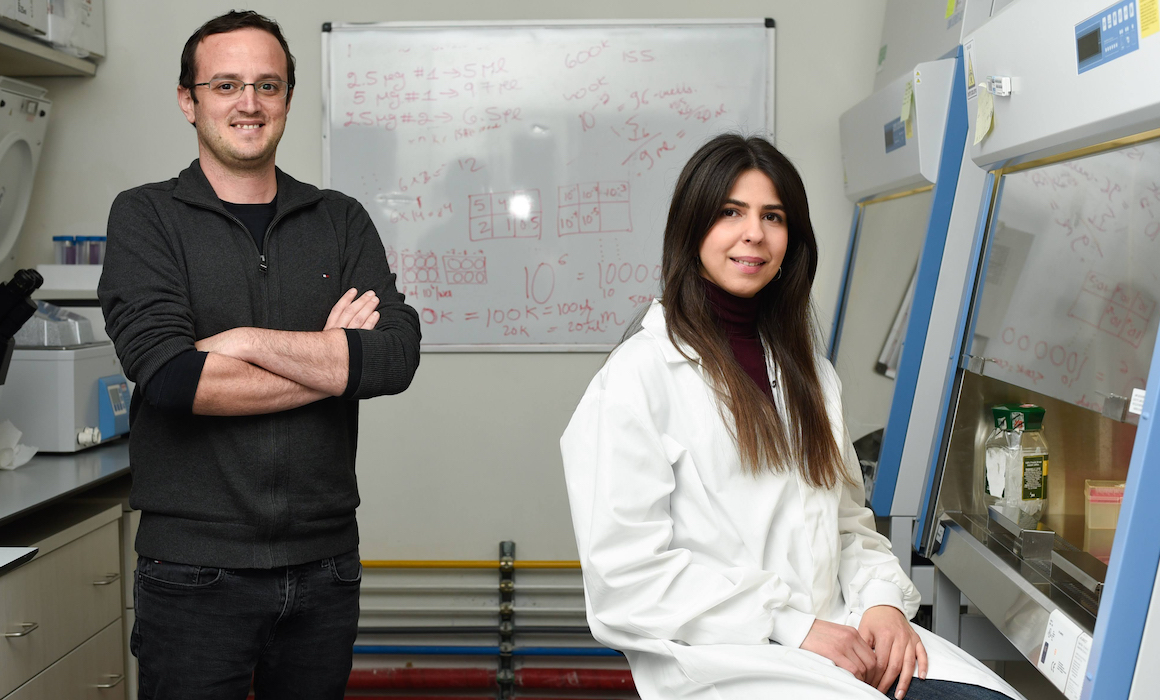
Pictured Above / Prof. Yotam Bar-On (left) and Dina Khateeb / Photo credit: Rami Shelush, Technion Spokesperson’s Office. Although the original form of the novel coronavirus — SARS-CoV-2 — was armed with an effective system against mutations, it was not immune to them. Indeed, the virus has since “split” into variants according to differing evolutionary variables in different populations. These mutations occur in the spike protein of the virus, which allows it to penetrate the cells in our body. The development of new variants is the result of random mutations and natural selection. Most mutations do not significantly alter the…
Plenty of good news came out of coronavirus research. Scientists got a jump on developing mRNA vaccines, treatment for viruses moved quickly past Tamiflu, and researchers realized the critical importance of making findings available to the public. These were just some of the conclusions to come out of a Technion webinar moderated by Professor Roy Kishony, the Marilyn and Henry Taub Professor of Life Sciences in the Technion Faculty of Biology. Stressing the importance of an interdisciplinary approach in tackling COVID-19, Prof. Kishony called on M.D.-Ph.D. candidate Matan Levine, mathematician Associate Professor Nir Gavish, and biomedical data scientist Assistant Professor…
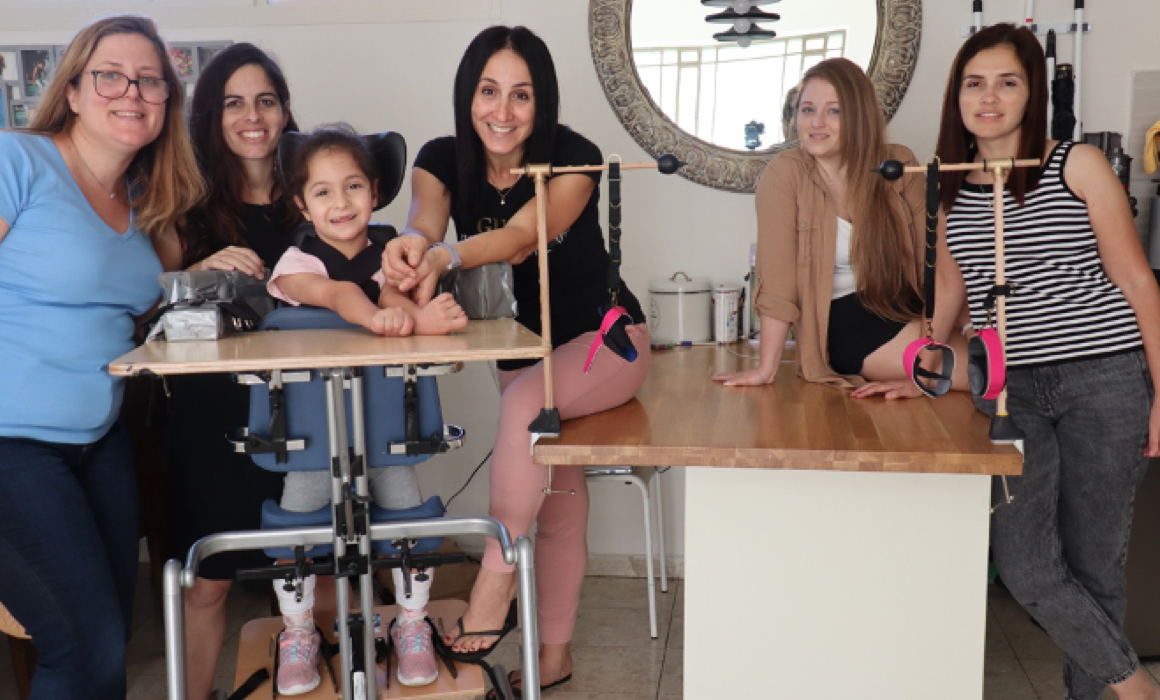
Pictured Above / (Left to right): Hadas Weizman, Sana Gur-Gelbard, Shani Zigman, Orit Zigman, Mor Heinrich, Marina Gabinski Six-year-old Shani has always yearned to draw, but her cerebral palsy has prevented her from lifting her hands independently for tabletop activities. In a heartwarming and inspiring turn of events, four students from the Technion’s Master’s of Industrial Design program teamed up with Shani’s mother to find a solution. They created an award-winning device that enables Shani to draw and eat independently for the first time in her life. “The importance of the device to Shani and the change it has made…

The joy of a baby coming into the world is accompanied by anxiety for this helpless little being, completely reliant on outside help to survive. This is magnified for a baby born preterm. Many premature babies with underdeveloped lungs require mechanical ventilation. The more prematurely the baby is born, the longer they will need artificial breathing. Using a 3D model of the babies’ upper airways, the research team of Professor Josué Sznitman, of the Technion Faculty of Biomedical Engineering, discovered that shear forces caused by the air jet from the mechanical ventilator can create stress and inflammation in the airway…


Pictured Above / BizTEC 2021 winners Team Defi (L to R): Prof. Ezri Tarazi , Ravit Abel, Idan Shenfeld, Alon Gilad, Yaron Arbel, Eyal Kellner, and Ohad Yaniv The Defi team, established by Technion students, won first prize and $10,000 in the BizTEC 2021 entrepreneurship competition, which took place in Tel Aviv. The prize was awarded to the team members for the development of a compact portable defibrillator, which is inexpensive and easy to use. Two teams took second place: BrainSense, which developed a system that monitors stroke events by identifying changes in brain activity and whose members are Technion…

Pictured Above / Dr. Shira Landau Researchers at the Technion – Israel Institute of Technology and Sheba Medical Center have developed a technology that can efficiently make custom-made functional aesthetic implants for patients with microtia, or congenitally deformed ears. Microtia is a birth defect that occurs when the external ear fails to develop normally, and as a result, is small and improperly formed. Microtia occurs in 0.1 to 0.3 percent of births. Occasionally, besides the aesthetic issue, microtia also involves hearing loss. Since the “bones” of the outer ear — the auricle — are in fact flexible cartilage and not…

Are you a morning lark or a night owl? Whether you’re a “morning person” or a “night person” may have something to do with your gut bacteria. A collaborative research project between the University of Haifa and the Technion has found that “morning people” and “night people” differ from each other in their gut microbiome – the bacterial populations that inhabit our digestive tract. The study was conducted in collaboration between researchers and a number of research groups at the two universities: Assistant Professor Naama Geva-Zatorsky, head of the Microbiome Research Lab of the Rappaport Faculty of Medicine at the…