How Cultivated Meat Went From the Lab to the Plate
October 05, 2026





















The Technion’s story has been intertwined with Israel’s for more than a century, from laying the foundations for a new nation to shaping its future.

Step inside Israeli innovation at the David and Janet Polak Visitors Center. Experience our 360° immersive movie and tech exhibition. Open to individuals and groups.
Learn More
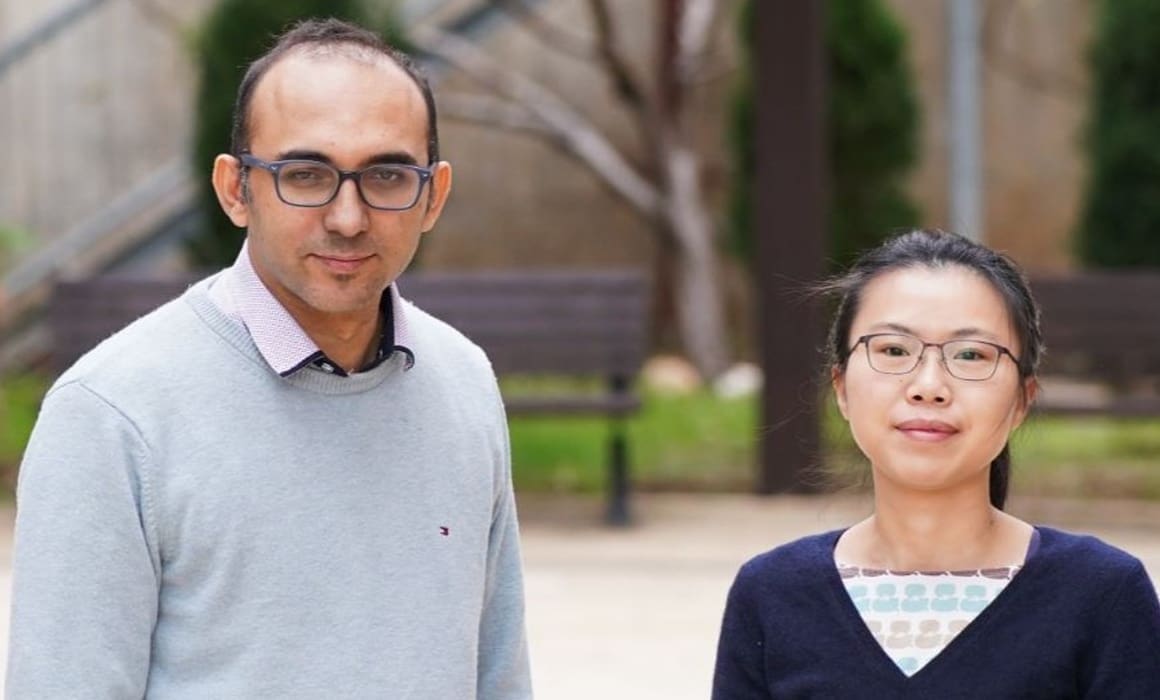
Pictured above: Assistant Professor Ramez Daniel and Dr. Ximing Li When you get an infection, your immune system mobilizes by sharing information about the pathogen and how much of a response is required. Microbial colonies, like the ones that make up your immune system, are stronger and smarter when they act collectively against threats like infection. To do that, they communicate among themselves through a phenomenon called “quorum sensing.” In a recent breakthrough, Dr. Ximing Li and Assistant Professor Ramez Daniel from the Technion Faculty of Biomedical Engineering were able to engineer microbe colonies to recognize specific geometric patterns, such…
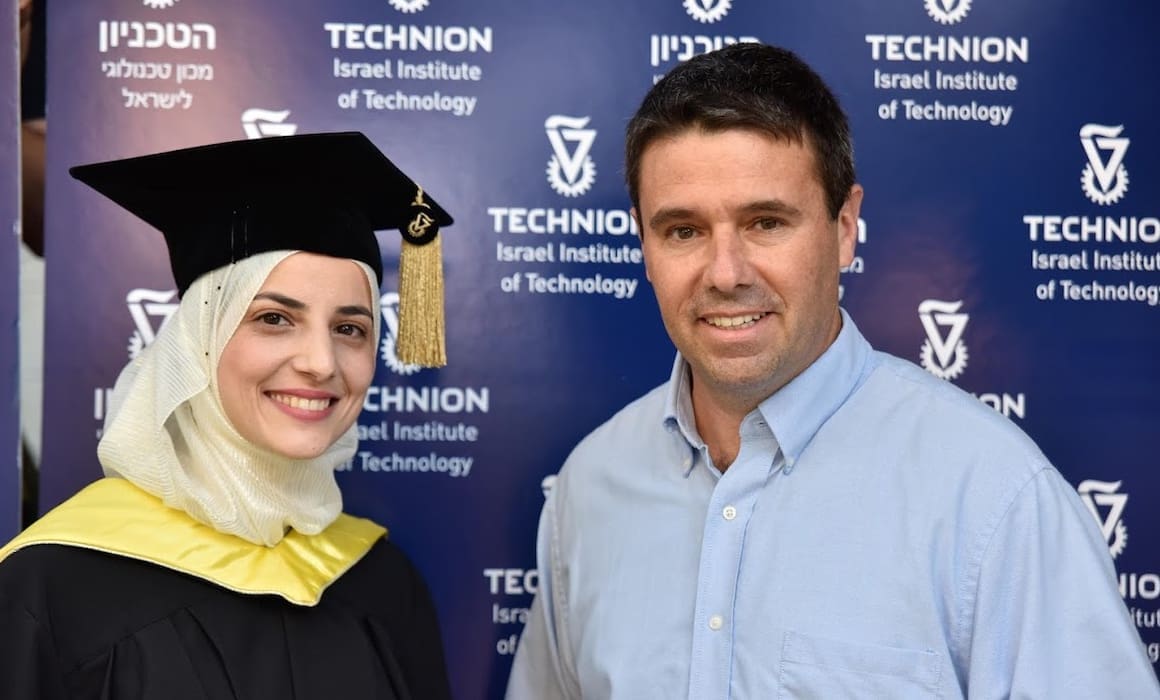
Pictured above: Dr. Hanan Abumanhal Masarweh and Prof. Avi Schroeder Researcher behind the discovery is Dr. Hanan Abumanhal Masarweh, of the Russell Berrie Nanotechnology Institute at the Technion. She received her Ph.D. for her research under the supervision of Professor Avi Schroeder of the Technion’s Wolfson Faculty of Chemical Engineering. Baking soda, that simple product available at any supermarket, could revolutionize breast cancer treatment, according to Technion researchers who have found that this substance changes the acidity of the cancerous tumor and thus increases the efficacy of chemotherapy. The researcher behind the intriguing study is Dr. Hanan Abumanhal Masarweh. In…
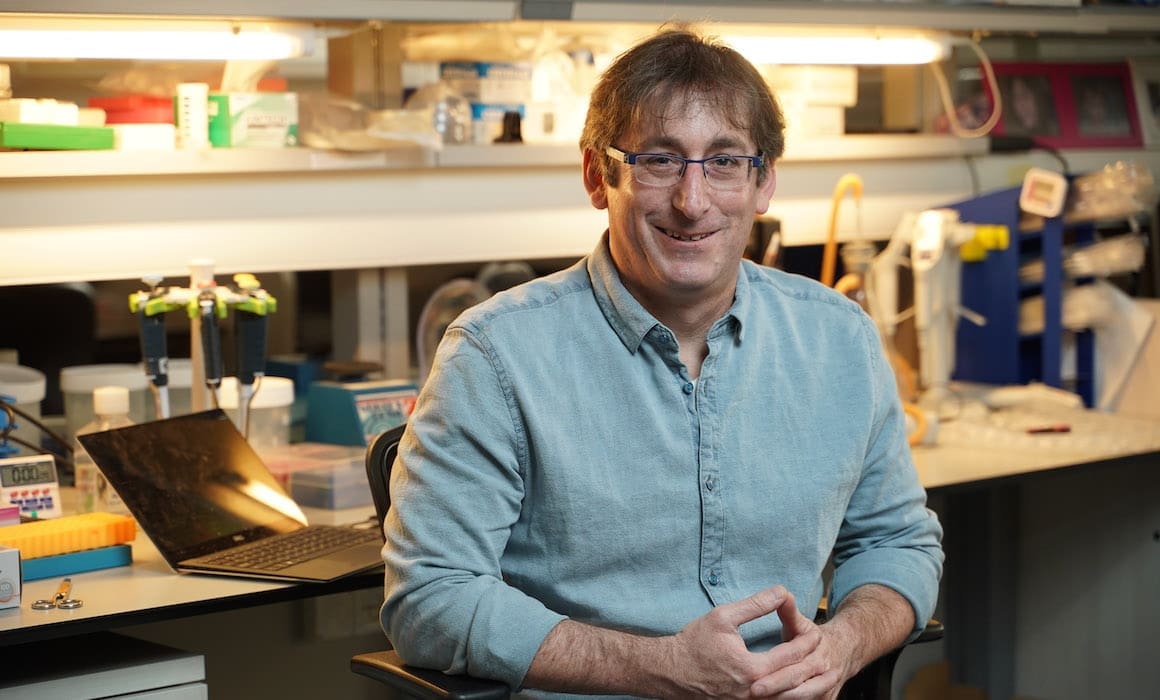
Pfizer has won accolades for developing one of the most widely used COVID-19 vaccines in record time. Now, in addition to that lifesaving work, the giant pharmaceutical company is working to speed drugs to the market for autoimmune diseases — in collaboration with a Technion scientist. Professor Shai Shen-Orr, an expert in big data and immunology, launched CytoReason in 2016 to build a machine learning-based model of the human immune system. Three years later, Pfizer partnered with CytoReason to help fast-track drug development for autoimmune diseases. The company now has collaborations with four of the world’s 10 largest pharmaceutical companies,…
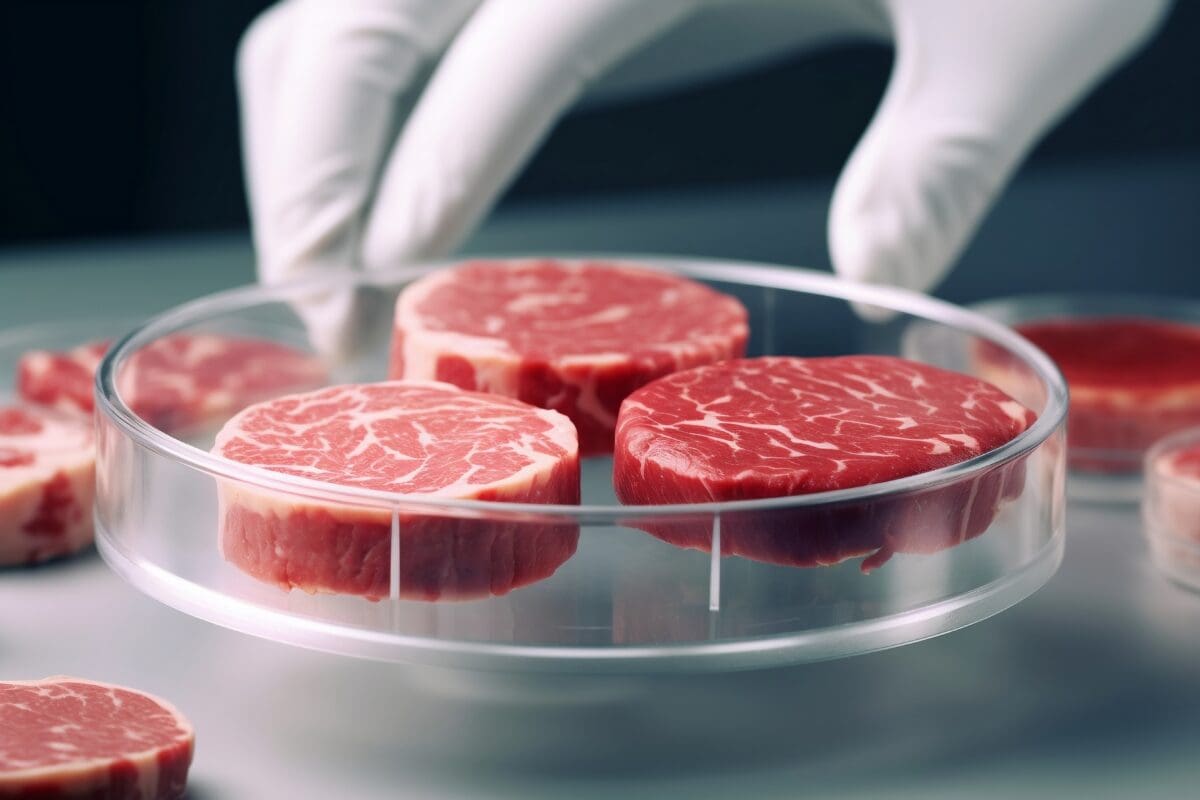
An ATS – Southern California Virtual Program Featuring Professor Shulamit Levenberg Former Dean of the Faculty of Biomedical EngineeringDirector of the Technion Center for 3D BioprintingDirector of the Rina & Avner Schneur Center for Diabetes Research Relive this fascinating discussion with Technion superstar Professor Shulamit Levenberg, whose work has left its mark in several different disciplines. A […]
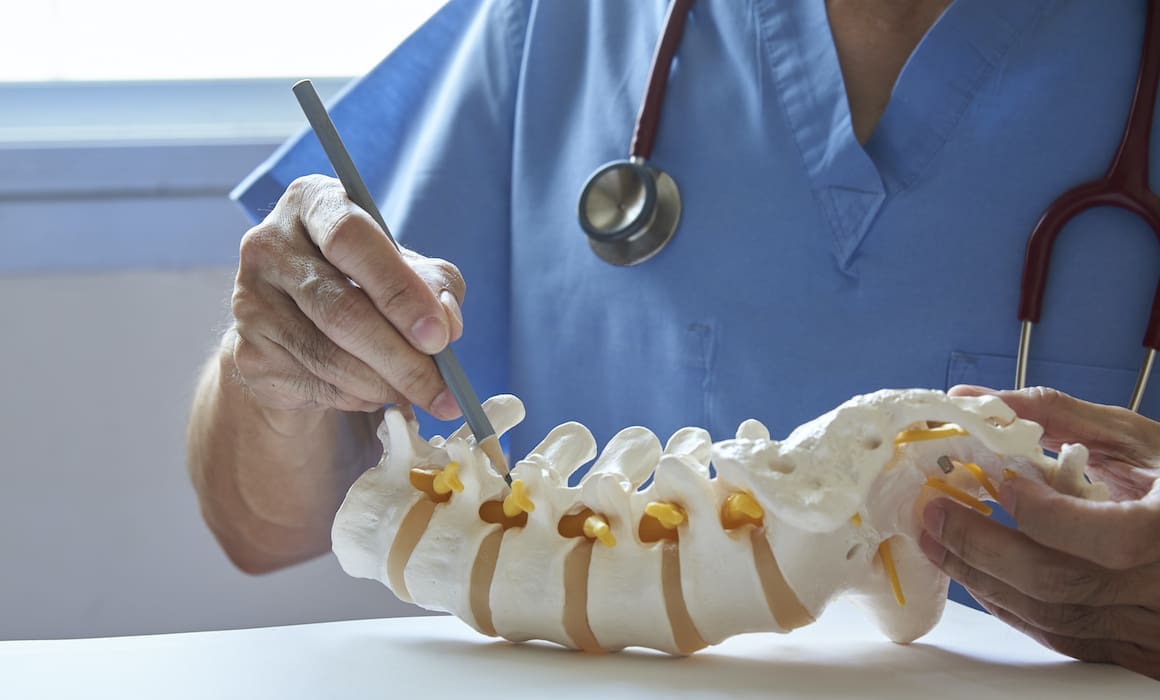
Going back as far as World War I, surgeons have been using the so-called “Robbing Peter to Pay Paul” principle to do reconstructive surgery. That means transplanting a patient’s healthy body tissue from one part of the body to the damaged site. In rebuilding the lower jaw, for example, surgeons might use part of a patient’s fibula bone and surrounding soft tissue for the implantation. But this approach carries significant disadvantages, namely considerable pain and potential complications associated with the surgery at the donor site. Now Technion researchers have made a major breakthrough in developing an alternative to traditional tissue…
So the runny nose you’ve been enduring all week is “just a virus.” You know the drill: drink plenty of liquids and wait it out. Why is it that there’s an abundance of antibiotics while virus-fighting drugs are so much harder to come by? Unlike antibiotics, in which one strain of penicillin can treat multiple bacterial infections including pneumonia, scarlet fever, and strep throat, antiviral drugs are typically designed to target just a single virus. This narrow scope makes it unprofitable for drug companies to invest in developing new antivirals. The obvious solution is to develop antiviral drugs that can…
In her lab in the Allen and Jewel Prince Center for Neurodegenerative Disorders of the Brain, Technion Associate Professor Simone Engelender is focusing on the molecular mechanisms driving neurodegeneration, particularly in Parkinson’s disease. Although palliative treatments do exist, there is currently no cure for this disease, whose symptoms can range from rigidity to tremors to dementia. Parkinson’s disease triggers the degeneration of a specific brain region called the substantia nigra, where an abnormal protein known as alpha-synuclein accumulates. Prof. Engelender and her team are studying how this accumulation occurs on the molecular level and the problems to which it can…
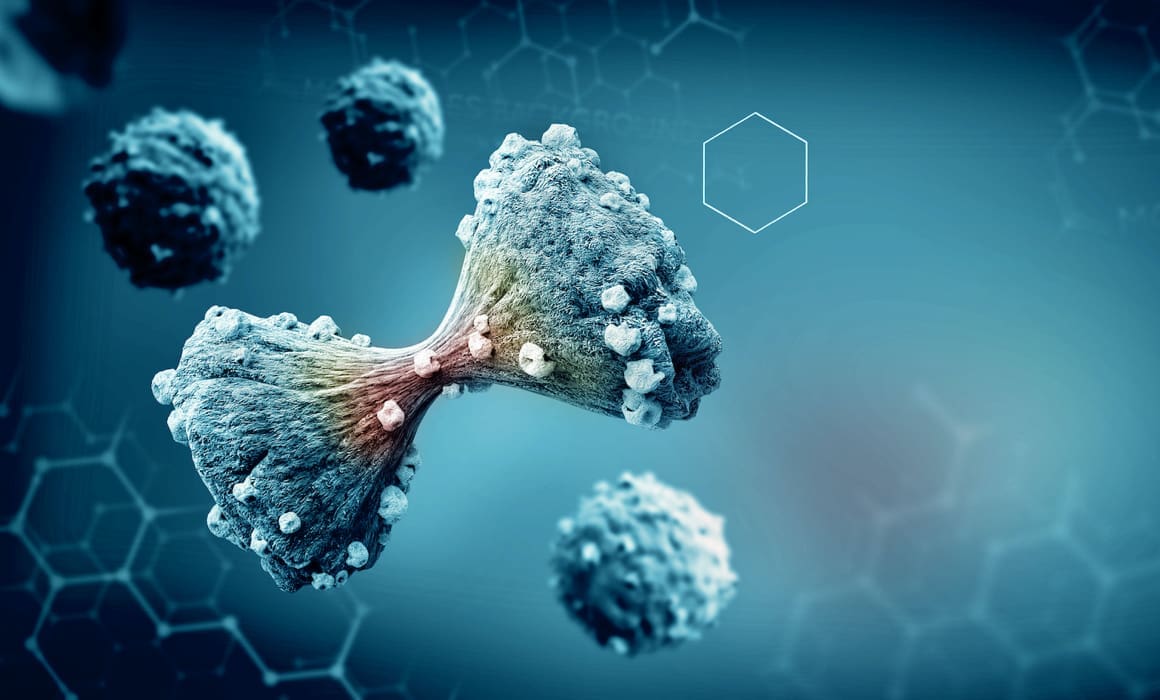
When Associate Professor Avi Schroeder, a member of the Wolfson Faculty of Chemical Engineering and head of the Louis Family Laboratory for Targeted Drug Delivery and Personalized Medicine Technologies, encountered a challenge differentiating between live cells extracted from tumors and dead cells inside them, assistance came from Professor Yuval Shaked. He provided valuable laboratory assistance that not only resolved the problem but pointed toward a new technique enhancing the study of relatively hard-to-penetrate tumors, such as those associated with pancreatic cancer. “The Rappaport Technion Integrated Cancer Center’s collaborative and cross-disciplinary approach to cancer research—involving outstanding medical doctors, engineers and basic…

The Rappaport Technion Integrated Cancer Center (RTICC) is proving itself to be a hotbed of innovation in the realm of personalized medicine. The cancer research community—both at the Technion and worldwide—has increasingly recognized that each patient can benefit from an individual course of treatment based on the particular conditions inside the body. One patient may respond well to a specific pain medication while the next patient does not. In the realm of cancer treatment, for example, a medicine designed to target HER2-positive breast cancer will be more effective in treating a patient with this variant of the disease than otherwise….

Visby Medical, a Silicon Valley startup, broke new ground with its technology to produce PCR COVID-19 test results in just 30 minutes! Hear from Visby founder and Technion alumnus Adam de la Zerda ’05, a cancer researcher, entrepreneur, and TedTalk speaker who revolutionized COVID-19 testing. This game-changing device fits into the palm of your hand […]

Technion Professor Hossam Haick has taken a big step forward to commercialize his acclaimed artificial nose technology into a breath test for COVID-19. His company, NaNose Medical, is partnering with California-based BrainChip Holdings Ltd., which makes artificial intelligence chips, to create an easy-to-use portable device for physicians called DiaNose that could prove more accurate than existing PCR tests. Prof. Haick’s NaNose nanosensor technology can identify signature scents of COVID-19 and other diseases in a person’s exhaled breath. In developing the COVID test, NaNose Medical collected 130 breath samples from patients with and without the virus. That data was then used…
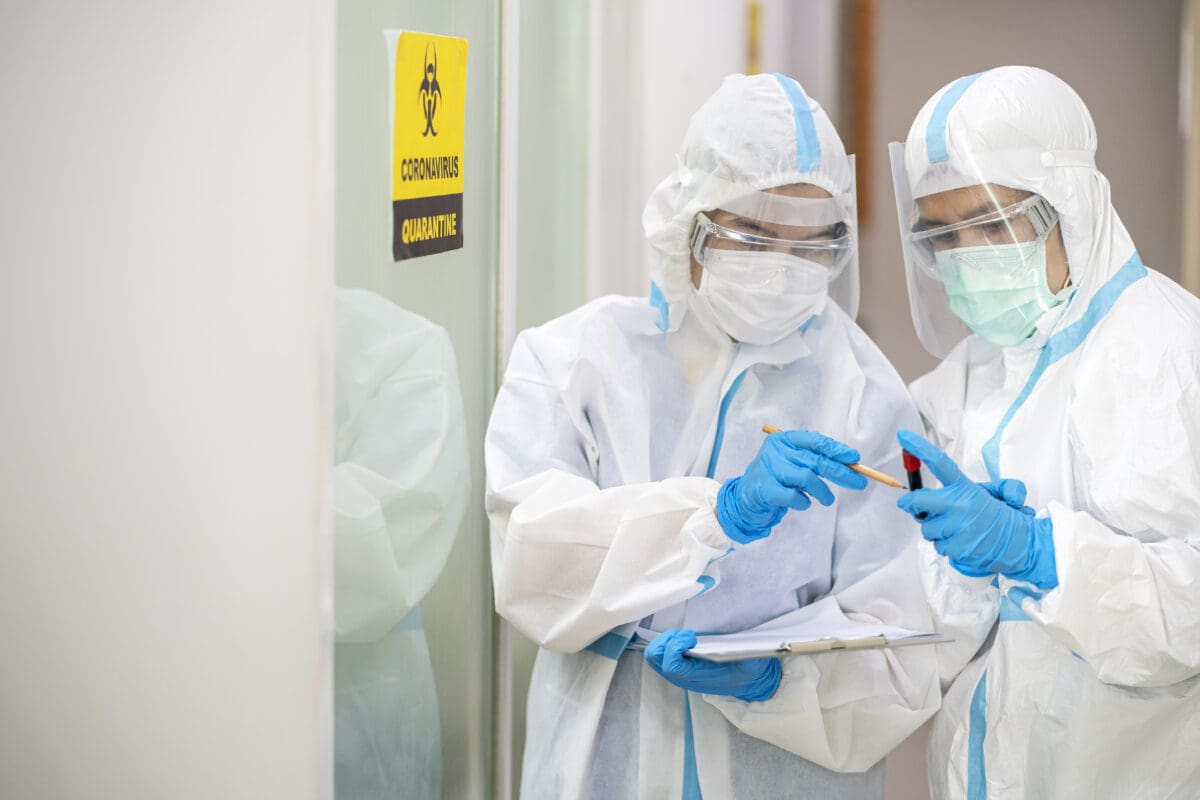
An ATS – Southern California Webinar In this interactive virtual event for the ATS – Southern California community, Associate Professor Shai Shen-Orr ’00, who visited our region in 2019, updates us on how his pioneering research unlocks the potential for personalized medical treatments and sheds light on “immune age” as a better measure of health […]