Something Fresh in the State of Denmark
October 06, 2026
































The Technion’s story has been intertwined with Israel’s for more than a century, from laying the foundations for a new nation to shaping its future.

Step inside Israeli innovation at the David and Janet Polak Visitors Center. Experience our 360° immersive movie and tech exhibition. Open to individuals and groups.
Learn More

In the time it takes to read this article, several people in the United States will likely experience a heart attack — according to the CDC, someone in the US suffers from one every 40 seconds. That morbid statistic highlights the importance of coronary artery disease detection methods, and companies developing them. One such company is Israeli startup AccuLine, which recently secured $4.2 million in seed funding for the development and commercialization of its CORA (Coronary Artery Risk Assessment) system, designed to improve the early detection of coronary artery disease (CAD), a leading cause of heart attacks. CORA detects two…

An estimated 225 million people around the world today wear a smartwatch, using it to keep track of text messages, emails and even how many steps they have taken. And now, thanks to software created by an Israeli startup and the little sensor on the device itself, smartwatch owners can also keep track of their emotional wellbeing, including stress levels, anxiety and amount of sleep they are getting. NeuroBrave co-founder and CEO Dror Talisman tells NoCamels that the startup’s NeuroSpeed AI analysis software takes data about the user’s blood flow gathered by the photoplethysmogram (PPG) sensor on the back of…

An Israeli startup has developed a non-surgical device to help prevent preterm births (PTB) – babies born before completing 37 weeks of gestation. PregnanTech says that 1 in 10 babies are born preterm, which translates to 15 million global births each year. And according to the World Health Organization, complications from preterm birth are the leading cause of death among children under the age of 5 years. The Lioness device developed by PregnanTech is a silicon ring that is placed around the cervix by a physician in what the company says is a quick, non-surgical procedure. According to PregnanTech, the…

There’s a common situation that occurs during a doctor’s visit. The patient comes in with an ailment, perhaps it’s a cough, a congested chest or ear ache. The doctor raises possibilities of what could be causing the sickness – pneumonia, strep throat, an ear infection and so on. Chests are listened to, ears are examined, noses are swabbed and some tests are sent off to the lab. In the meantime, as the results may take days to come in, the doctor recommends that the patient get started on a round of antibiotics, making an educated guess to diagnose a possible…

“Stay positive,” we’re told when suffering from an illness. It’s easy to dismiss such comments as platitudes from well-meaning friends. But Technion scientists have demonstrated that activation of the brain’s reward system can boost recovery from a heart attack. Establishing the connection between the two can potentially lead to therapeutic avenues for intervention. “It’s time that both researchers and clinicians take the link between psychology and physiology seriously,” said Technion Associate Professor Asya Rolls, a psychoneuroimmunologist and pioneer in mind-body interactions. Scientists have previously shown that the emotional state can influence the course of disease following a heart attack. But…

Modern medicine allows people to live longer and better, but with these life-enhancing therapies comes a risk of what clinicians call an adverse drug reaction (ADR) and laymen know as side effects. This is especially the case with polypharmacy (when patients take five or more drugs at the same time), says Liat Primor, veteran of the pharmaceutical industry and CEO and co-founder of FeelBetter, a startup dedicated to improving outcomes for patients taking multiple medications. “Sometimes patients have not only one condition, they have plenty – 10 or 15 – and they take so many medications,” Primor tells NoCamels. “They…
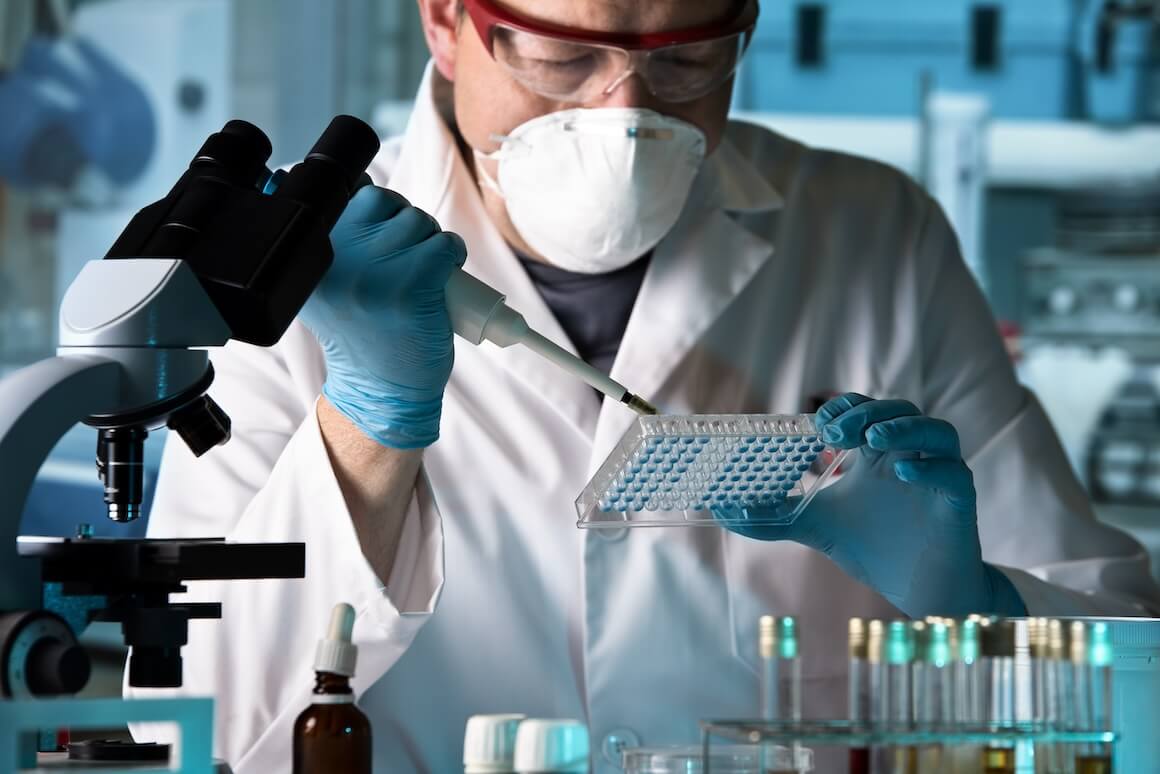
Back in ancient Greece, medical whiz kids like Hippocrates and Alcmaeon of Croton were hot on the idea that blood, phlegm, yellow bile and black bile — known as the body’s “humors” — held the keys to the kingdom of good health and a long life. While humorism theory has since fallen out of medical fashion, one of its core ideas has remained steadfast: There’s a lot to be gleaned from a closer look at the juices inside of our bodies. Those juices have so much potential, in fact, that in recent months medtech experts around the world and specifically…

Imagine if music turned out to be the panacea for treating Alzheimer’s disease and other neurological disorders. Dr. Patricia Mora-Raimundo, a postdoctoral researcher in the Technion’s Wolfson Faculty of Chemical Engineering, is investigating the possibility. Like the Pied Piper, she developed a model to improve nanomedicine delivery directly to the injured parts of the brain through music. Nanometric drugs have the potential to produce much better treatment outcomes for neurological diseases than conventional treatments. However, one of the main challenges is the blood-brain barrier. This barrier protects the brain from infections but is also a complex obstacle to drug delivery….

A groundbreaking way of measuring fluid buildup in the body allows chronic heart failure patients to monitor their condition and treat it independently with a physician-approved response. Tel Aviv-based startup Vectorious has created a tiny pressure sensor that is implanted directly into the heart. It is the only sensor in the world that measures the pressure in the left atrium (one of the heart’s two upper chambers) and is able to identify increases in that pressure caused by a buildup of fluid in the body. This data on the left atrial pressure (LAP) is then transmitted to an app for…

Exposure to nature and the natural world during daily activities such as walking to and from work reduces stress and anxiety, according to a new study at the Technion – Israel Institute of Technology in Haifa. Using eye-tracking technology, Technion students who participated in the study walked around the campus to simulate a daily walk to work or school. The students formed three separate groups: one whose members made a point of observing the nature around them and stopped 10 times at “green” spots that included elements of the natural world; one group whose members also stopped at 10 points,…
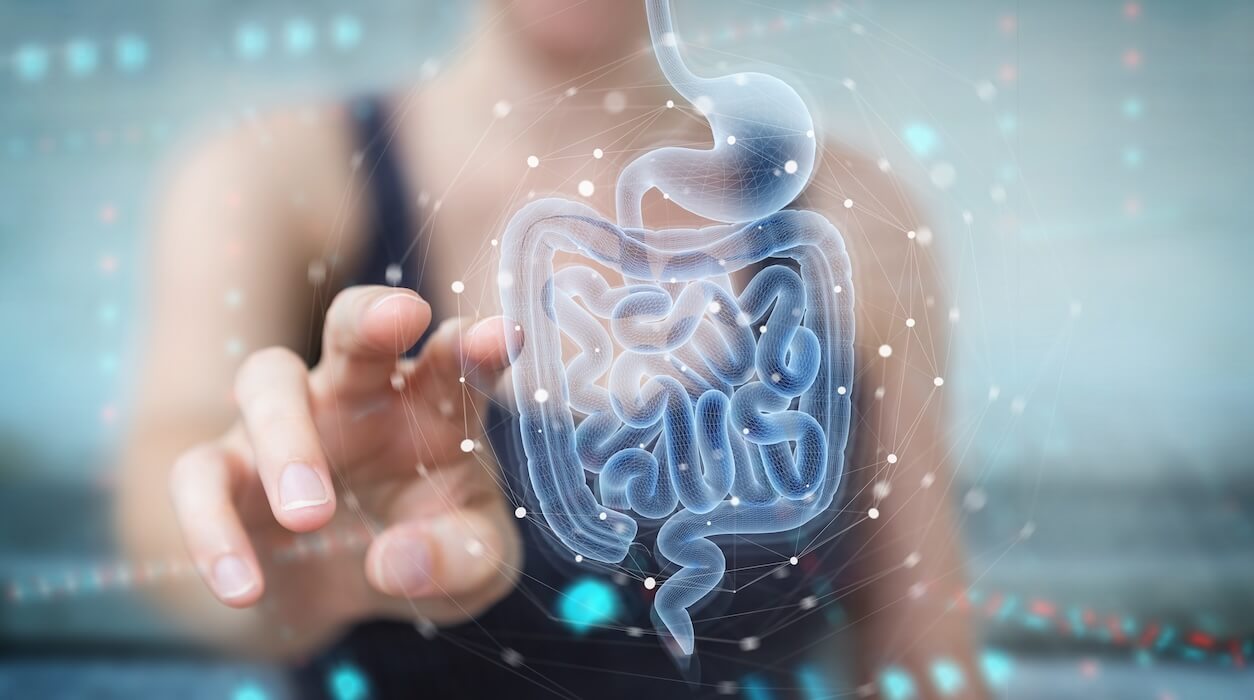
Gut bacteria is a hot topic in science today — and for good reason. Our intestines harbor more than 100 trillion bacteria and other gut microbial cells that influence our metabolism, nutrition, and general health and disease. Investigating a common bacterium in the intestine, Technion researchers have made a discovery that could lead to a better understanding and treatment of inflammatory bowel diseases (IBD) such as colitis and Crohn’s disease. In a process of co-evolution with humans over millions of years, gut bacteria became essential to the proper functioning of our immune system and health, and acquired the ability to…

An estimated 200 million women suffer the pain of a “forgotten” disease. Endometriosis is, in many cases, triggered by their first period, and it’s likely to stay with them until menopause. It’s a chronic and progressive condition characterized by the growth of tiny lesions in the pelvic cavity. It’s the number one cause of infertility and can spread to other organs, sometimes with fatal consequences. It is, however, widely seen as a neglected disease. The symptoms – painful and heavy periods, pain during or after sex, pain going to the toilet during a period, difficulty getting pregnant – are easily…