Something Fresh in the State of Denmark
October 06, 2026






























The Technion’s story has been intertwined with Israel’s for more than a century, from laying the foundations for a new nation to shaping its future.

Step inside Israeli innovation at the David and Janet Polak Visitors Center. Experience our 360° immersive movie and tech exhibition. Open to individuals and groups.
Learn More
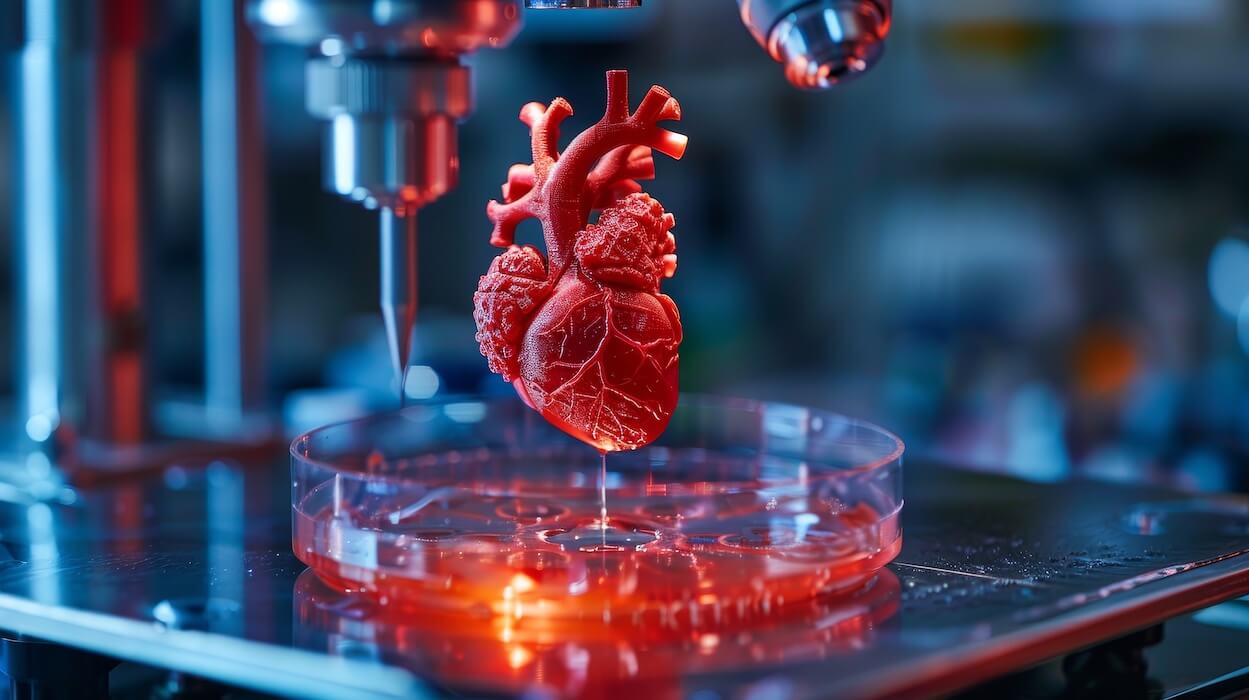
Globally, there is a persistent shortage of viable organs for transplantation. This unmet need has spurred the development of “engineered organs” — cultivated tissue that mimics the structure and function of livers, hearts, lungs and other vital viscera. While these in-vitro inside parts can be used to fill the gap in organ supply, it’s really hard to supply blood throughout the newly transplanted tissue. To solve this problem, Bonus Biogroup, an Israeli biotechnology company specializing in next-generation tissue regeneration therapies, has developed a method of producing a sophisticated network of artificial blood vessels that will enable reliable blood flow to transplanted artificial organs, drastically…

An Israeli medtech company whose novel therapy freezes and destroys malignant tumors has announced positive results in a trial of breast cancer patients. IceCure Medical’s ProSense system uses extremely cold liquid (cryoablation) to freeze and destroy abnormal tumors as an alternative to surgical removal. Its focus is currently on early-stage breast, lung, liver and kidney tumors. While cryoablation is not a new process, IceCure Medical’s system allows physicians to perform the procedure in their own offices, with no need for hospitalization. The company’s ICE3 study is the largest multicenter clinical trial performing cryoablation on low-risk and early-stage breast cancer tumors….

About 200 million people worldwide suffer from age-related macular degeneration (AMD), and that number is expected to increase to nearly 300 million by 2040. AMD is an eye disease that can blur central vision. It is the leading causes of blindness in Western countries, where people live long enough to experience such “first world” ocular issues. One in eight Westerners over the age of 60 can expect to develop AMD. Already in 2021, the market for AMD treatment was estimated at $7.4 billion. The United States made up 52% of that market, the European Union 41% and Japan just over…

An innovative, noninvasive Israeli medication administered through the nose hopes to be a life-changer for people suffering acute spinal cord injuries – even helping them to walk again. NurExone Biologic Inc. developed ExoPTEN, which treats damage to the nervous system, from a concept created by two members of its Scientific Advisory Board: Prof. Shulamit Levenberg of the Technion – Israel Institute of Technology and Prof. Daniel Offen from Tel Aviv University. (Another member of the board is Prof. Gabriel Zeilig, the head of the National Spinal Cord Injury Rehabilitation Unit at Sheba Medical Center, Israel’s largest and globally renowned hospital.)

Israeli AI-assisted colonoscopy technology has been given the seal of approval from the internationally respected Lancet Digital Health journal, following an extensive study of its capabilities. The novel polyp detection system developed by Haifa-based MAGENTIQ-EYE was studied by the Lancet over a 14-month period at 10 leading medical centers around the world, involving 31 endoscopists and 952 patients. The study, titled “A computer-aided polyp detection system in screening and surveillance colonoscopy: an international, multicentre, randomised, tandem trial,” found that the MAGNETIQ-EYE platform increases the average detection rate for adenoma (non-cancerous or pre-cancerous tumors) by 7 percent, and had a 17-percent lower rate of missed…
Hours in surgery, weeks in hospitals and months of recuperation – or a five-minute procedure under local anesthesia and straight back home with no side effects. That’s the difference that AI (artificial intelligence) developed in Israel will now be making for patients diagnosed with liver cancer. Techsomed, a medical imaging startup, allows physicians for the first time to see exactly what’s happening in real time while they destroy (or ablate) a tumor using targeted heat through a needle. Thermal ablation therapy, a minimally invasive procedure for small tumors, has huge benefits over surgery or chemotherapy for the patients.
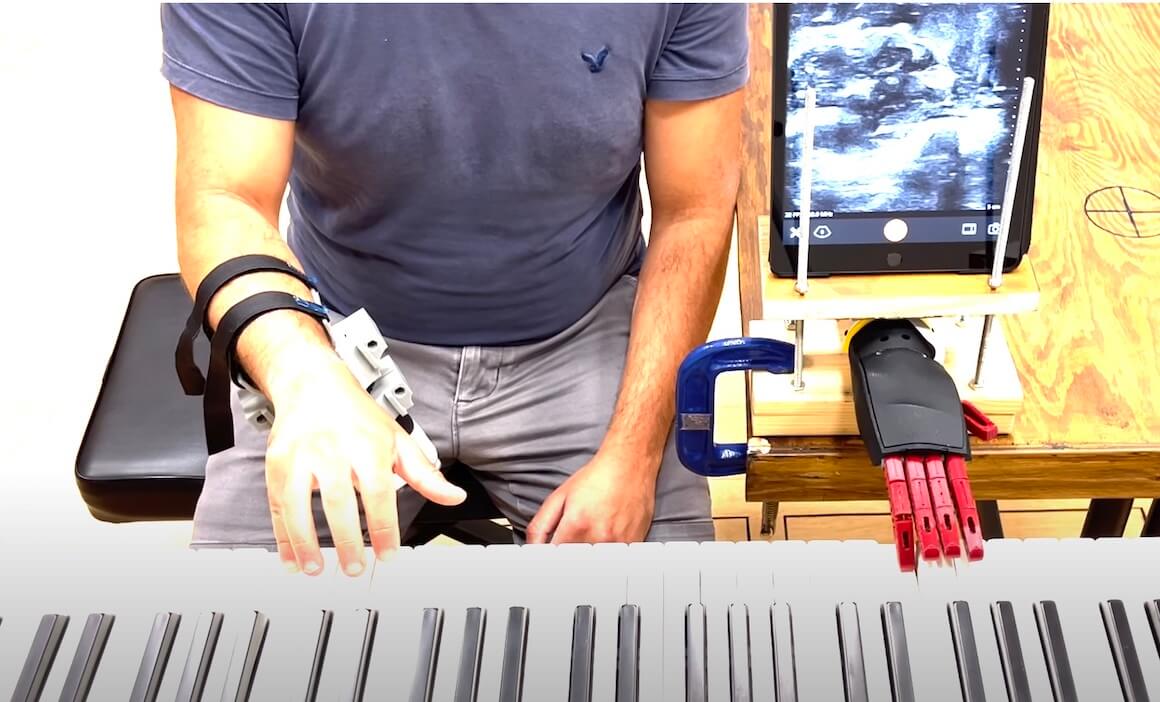
Despite advances in technology, providing amputees with prosthetics that mimic real limbs is an ongoing challenge. They may be more aesthetically pleasing than they used to be but are not necessarily practical. For example, a prosthetic hand may help wearers hold a cup and drink from it, but making the coffee, using a computer, or playing the piano involves much more complexity. “Many people who have lost a hand give up on the prosthesis after a short period because it is heavy, cumbersome, and its effectiveness is very limited,” said Dean Zadok, a Ph.D. student in the Henry and Marilyn…

Scientists at the Technion have come upon a surprising discovery that could help frustrated would-be fathers determine their fertility. If validated in humans, this discovery could lead to a reliable, fast, and simple method for diagnosing male infertility, and “could predict the success of assisted reproductive techniques such as IVF or evaluate the fertility of stud animals,” said Technion Professor Benjamin Podbilewicz. The result came unexpectedly, when baby hamster kidney cells surprisingly merged into a single giant cell with multiple nuclei. Scientists discovered that the ability of mice sperm to merge those cells corresponded to the sperm’s fertilizing potential –…

Most of us recognize the tell-tale signs of ADHD (Attention-Deficit Hyperactivity Disorder) — the fidgety child who blurts out an answer before the question is completed; the adult who starts new tasks before finishing the old. Still, there is no clear-cut diagnosis, and students have faked symptoms to receive medication that helps them focus and pull all-nighters. Now technology based on 12 years of research conducted at the Technion appears to accurately detect, measure, and quantify impaired attention by observing eye-blinking patterns to particular sounds. Israeli company MindTension, which narrowly escaped tragedy on October 7, developed a medical device that…

Associate Professor Shenhav Shemer from the Technion’s Faculty of Biology has joined the DREAMS team, a European Union-funded project to discover treatments for five rare neuromuscular disorders. DREAMS (Drug REpurposing and Artificial intelligence for Muscular disorderS) will focus on treatments for Duchenne muscular dystrophy, centronuclear myopathy, Emery-Dreifuss muscular dystrophy, Pompe disease, and Danon disease. Approximately 400,000 people worldwide suffer from these diseases. “My group is engaged in various phases of the project, including the key phases of identifying biomarkers and therapeutic targets, assessing the efficacy of molecules as novel drugs to inhibit these targets and address the disease, validating…
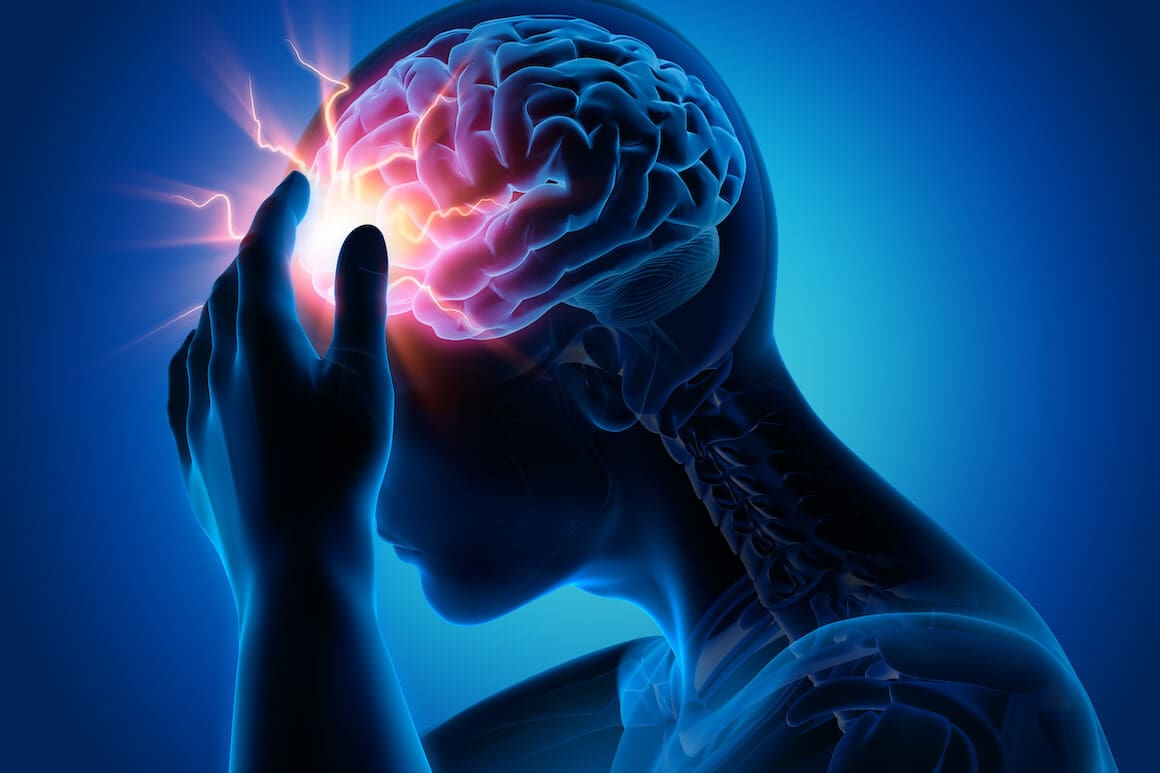
American non-profit health insurer Highmark has added an Israeli migraine treatment band to the items covered by its insurance policies. The Nerivio Remote Electrical Neuromodulation (REN) migraine band, developed by Netanya-based Theranica, is placed on the upper arm as soon as a migraine starts (or even used as a preventative measure), and vibrates at an intensity just below the patient’s pain threshold. It causes nerve fibers in the body to deliver a message to the brain, where it decides that the sensation is harmless and releases neurotransmitters to prevent the sufferer from feeling pain – including in their head. The…
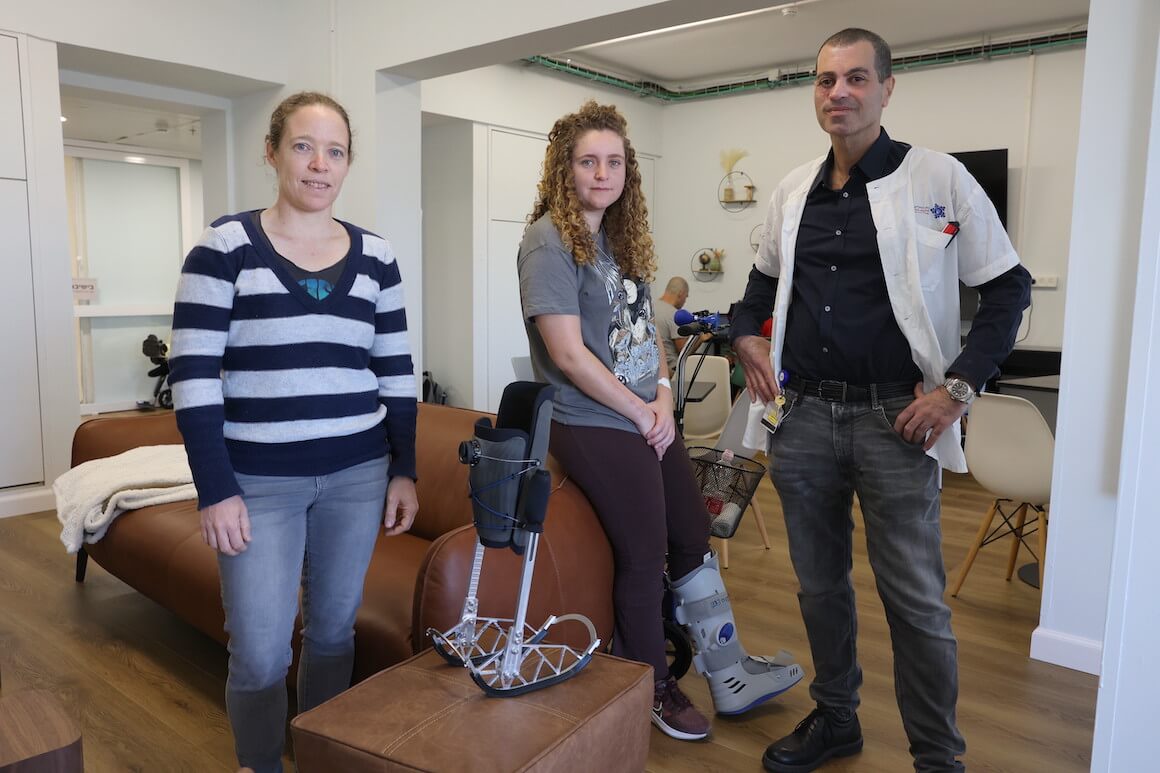
Kfar Aza resident Neta Portal woke up to the sound of warning sirens in her apartment with her partner Santiago on the morning of October 7. Despite hiding out in their safe room, terrorists penetrated the door with bullets before throwing a grenade that forced Neta and Santiago to flee from the apartment through a window. While escaping, Neta retained seven gunshot wounds to her legs while Santiago suffered from a gunshot to his back. The couple was ultimately rescued and treated in the hospital, but both still have a long way to go to heal. Now, Neta is back…