Something Fresh in the State of Denmark
October 06, 2026























The Technion’s story has been intertwined with Israel’s for more than a century, from laying the foundations for a new nation to shaping its future.

Step inside Israeli innovation at the David and Janet Polak Visitors Center. Experience our 360° immersive movie and tech exhibition. Open to individuals and groups.
Learn More
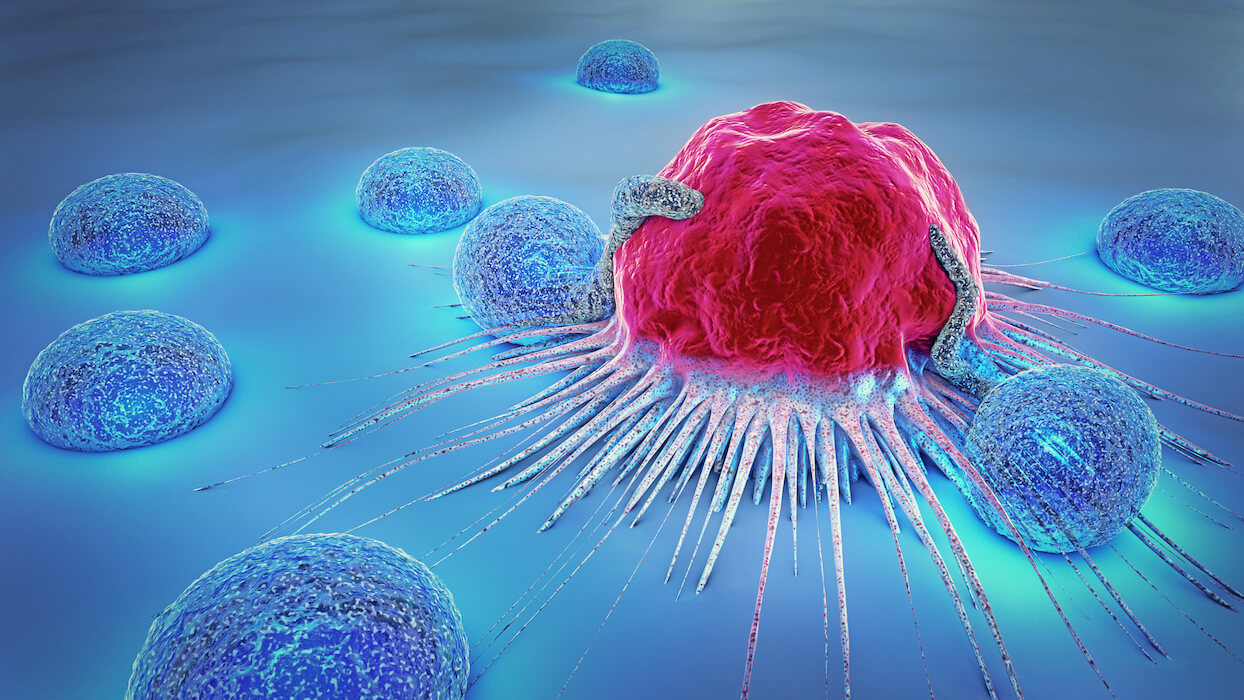
Researchers in the Technion’s Faculty of Materials Science and Engineering and Rappaport Technion Integrated Cancer Center have developed a new patented technology to treat tumors. They estimate it could accelerate the development of personalized treatments for various types of cancer. Typical cancer treatments, such as chemotherapy and radiation, often cause serious side effects, because in addition to attacking the cancerous cells, they damage healthy ones. Moreover, certain types of cancer don’t respond well to chemotherapy. Professor Alejandro Sosnik and doctoral student Ivan Zlotver have developed a treatment that combines sonodynamic therapy with a special formula of nanoparticles. Sonodynamic therapy is…

Ra’anana-based Inspira Technologies today announced the signing of a non-binding Letter of Intent with Shamir Medical Center (Assaf Harofeh), a step the company hopes will lead to providing better respiratory care both here in Israel and in the global community. “With the anticipated FDA approval on the horizon, I am confident that this prospective collaboration with Shamir Medical Center will enhance the efficacy of life-support care and establish a pathway for its adoption in both local and international markets,” president of Inspira Technologies Joe Hayo said in a press release. The Letter of Intent (LOI) with Shamir will test the performance of the INSPIRA…

Soon, cancer patients will have an additional treatment option, moving away from relying solely on chemotherapy, which often has deleterious side effects. The current one-size-fits-all approach to treating many diseases will soon be replaced by personalized (or precision) medicine. Essentially, the patient’s DNA will be sequenced, to analyze subclass diseases and identify the cause of the mutation. With a better understanding of disease mechanisms, patients can be diagnosed with great precision and the treatment can be tailored specifically to the target. For breast cancer alone, there will be more than 20 drugs designed to cure each specific type. Thai PBS…

To bring a new drug to market costs on average $1.3 billion, according to a recent report in the Journal of the American Medical Association, and takes up to 20 years. These astronomical sums do factor in the billions of dollars and years of research invested in what potentially promising therapies that ultimately lead nowhere, according to David Harel, the co-founder and CEO of CytoReason, an Israeli startup using AI and reams of data on the human body to create computational models of diseases affecting mankind. “Developing new drugs is very, very expensive. And the reason it’s expensive is not only…
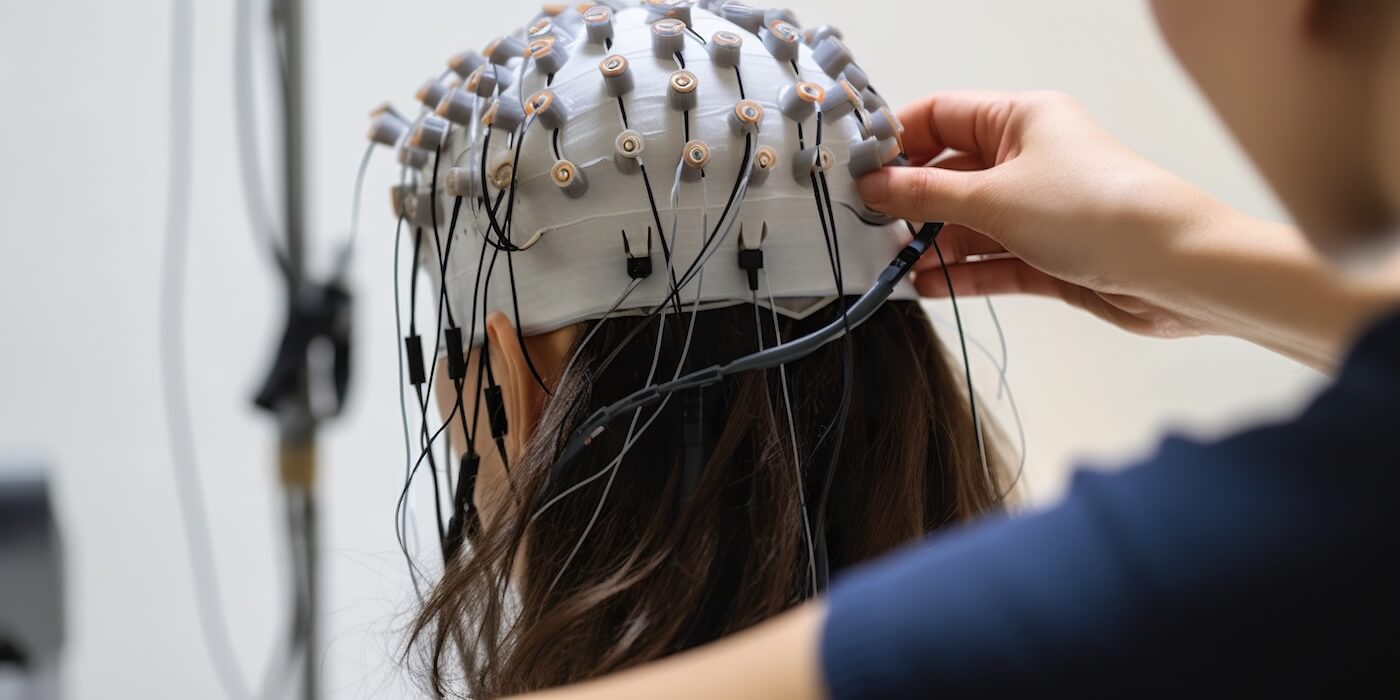
A study by GrayMatters Health, which develops digital training therapies to help the brain regulate mental health care, has shown that its FDA-approved Prism device is effective in the treatment of post-traumatic stress disorder (PTSD). The device, now available in selected clinics in the US, shows a patient’s brain activity in the amygdala, the small region of the brain associated with emotions and memory, while interacting with different scenarios. This can help patients with PTSD control their symptoms by better understanding what triggers that heightened activity in that part of the brain.

A frustrating experience as a caregiver for her then-boyfriend with cancer made Maayan Cohen realize that non-medical personnel in a medical setting needed help understanding the information in front of them. Despite dutifully tracking his treatment herself, Cohen realized that noting down his vitals in a binder full of papers was not helping her understand his condition or manage his medical records. Many others in a similar situation, she realized, were also tracking the vital signs of sick loved ones. But without a doctor at hand, it was hard to know what could help or hinder the condition.
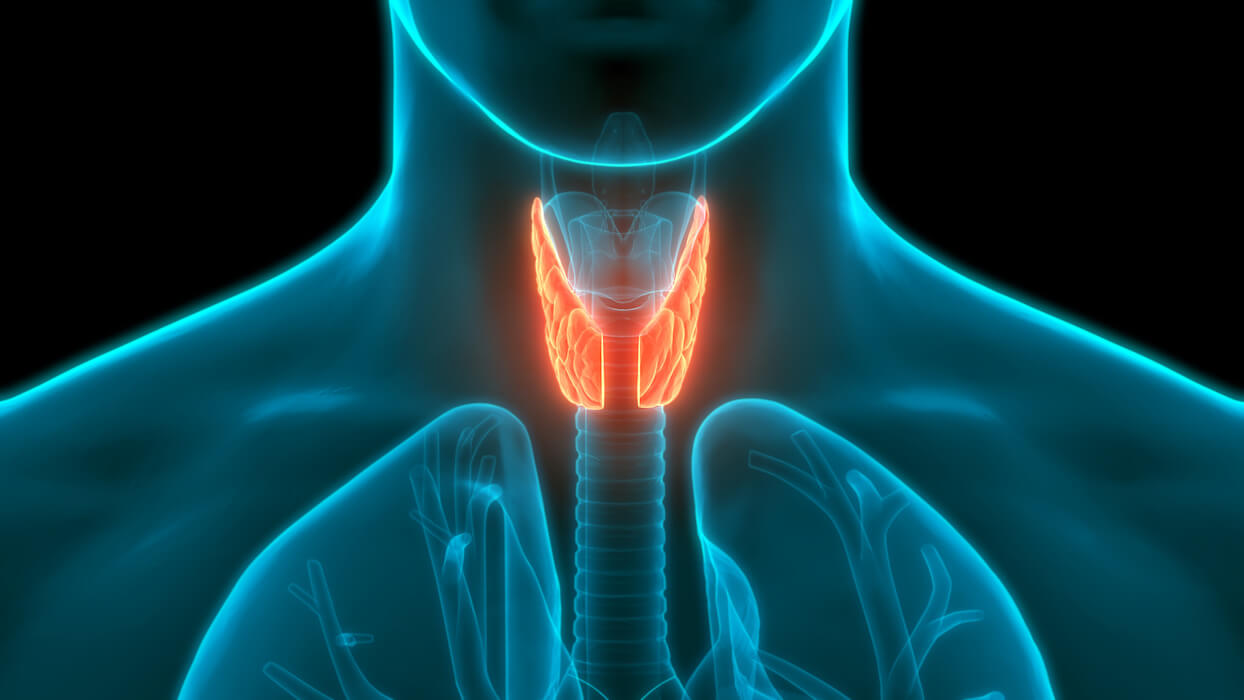
In a study conducted at the University of Twente, Technion-Israel Institute of Technology and the Open University of Israel, researchers have developed a novel approach to address the environmental challenges posed by perchlorate salts, which have been identified as persistent pollutants with potential impacts on human health. The researchers published their findings in an article titled “Selective Perchlorate Sensing Using Electrochemical Impedance Spectroscopy with Self-Assembled Monolayers of semiaza-Bambusurils,” in the journal Chemistry—A European Journal. Perchlorate salts are a type of anion—slightly negatively charged molecules—which have raised concerns due to their ability to interfere with the proper functioning of the thyroid gland, leading to…

Researchers at the Technion – Israel Institute of Technology in Haifa have developed a new tool to determine whether a cancer patient is predisposed to an advanced kind of treatment called immunotherapy. The immune system contains “checkpoints” to prevent it from attacking cancer cells too strongly, as this would also potentially damage nearby healthy cells. Immune checkpoint inhibitors (ICI) suppress this action and allow the immune system to attack the cancer cells, but they are only effective in less than 40 percent of patients and tools currently being used to predict the drug’s efficacy are not completely accurate. Keep reading at nocamels.com.
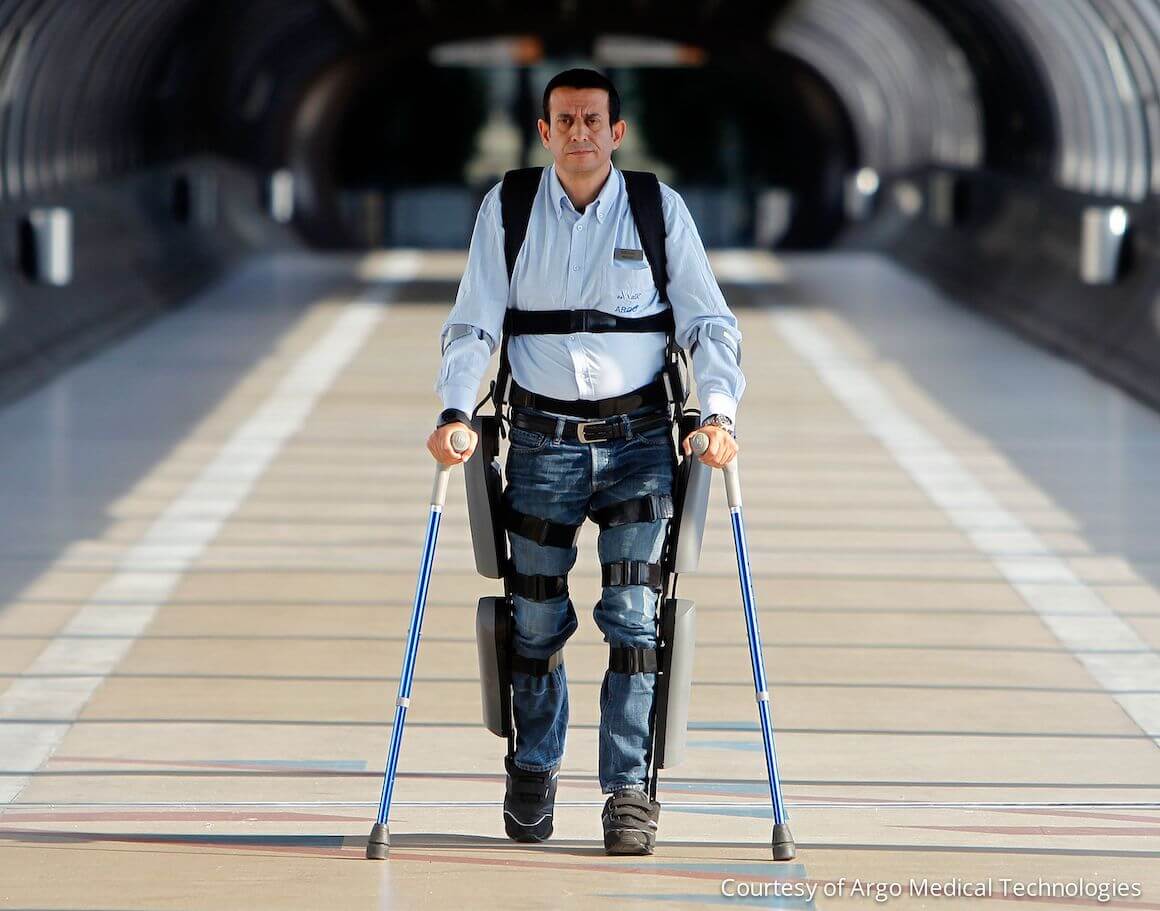
The US federal health insurance program Medicare has for the first time made a payment for Israeli-made exoskeleton ReWalk, a wearable robotic device that allows paraplegics to walk again. The ReWalk Personal Exoskeleton provides powered hip and knee motion for people with a spinal cord injury (SCI), allowing them to stand upright, walk, turn, and climb up and down stairs. The payment of $94,617 to ReWalk was made via Medicare administrative contractor Noridian Healthcare Solutions and signals the federal agency’s division to recognize the ReWalk Personal Exoskeleton as a medically necessary device for people with an SCI.
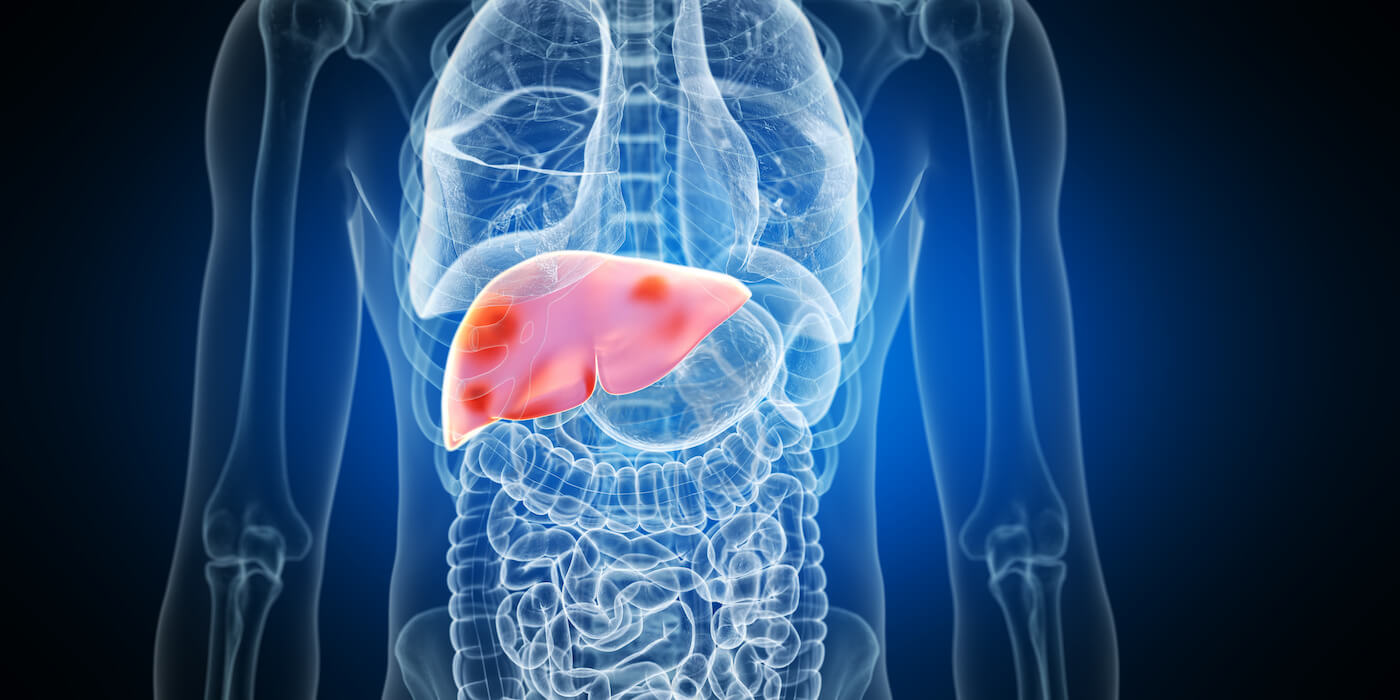
An Israeli company has been granted clearance from the US Food and Drug Administration (FDA) for its software used in the removal of liver tumors. The BioTracelO software created by Rehovot-based TechsoMed Medical Technologies received De Novo clearance from the FDA, which is approval granted to a novel system. The software is used during ablation therapy – a minimally invasive treatment that uses extreme temperatures to kill tumors – and is designed to predict the tissue response to the therapy. It is also designed to aid physicians who are performing liver tumor removal by providing real-time visuals with the ultrasound imaging.

Dental implants, made of titanium or titanium alloys, are widely used to provide a durable solution to missing teeth and restore functionality. While the long-term success rate is relatively high (75% at 20 years), the largest contributor to implant failure is peri-implantitis, an inflammatory disease affecting the soft and hard gum tissues around the implant, causing jawbone regression and gradual exposure of the implant’s threads. As of today, there is no viable clinical solution to delay or stop the progression of the disease. Moreover, the reasons for the development of peri-implantitis are not well understood. Patients may blame themselves for…

Amid tragedy and conflict, finding ways in which we can apply our work to support others is essential now more than ever. Fortunately, Start-Up Nation is up to the task. Bright minds within Israel, and Israelis all over the world, have worked to respond to the horrific events on October 7th and the war that has followed with rapid innovation and generosity. Recently, I had the opportunity to connect with Adi Wallach, co-founder and CEO of CalmiGo and alumna of the undergraduate biomedical engineering program at the Technion – Israel Institute of Technology. Her collaboration with her team and their generous donation of more…