Something Fresh in the State of Denmark
October 06, 2026





























The Technion’s story has been intertwined with Israel’s for more than a century, from laying the foundations for a new nation to shaping its future.

Step inside Israeli innovation at the David and Janet Polak Visitors Center. Experience our 360° immersive movie and tech exhibition. Open to individuals and groups.
Learn More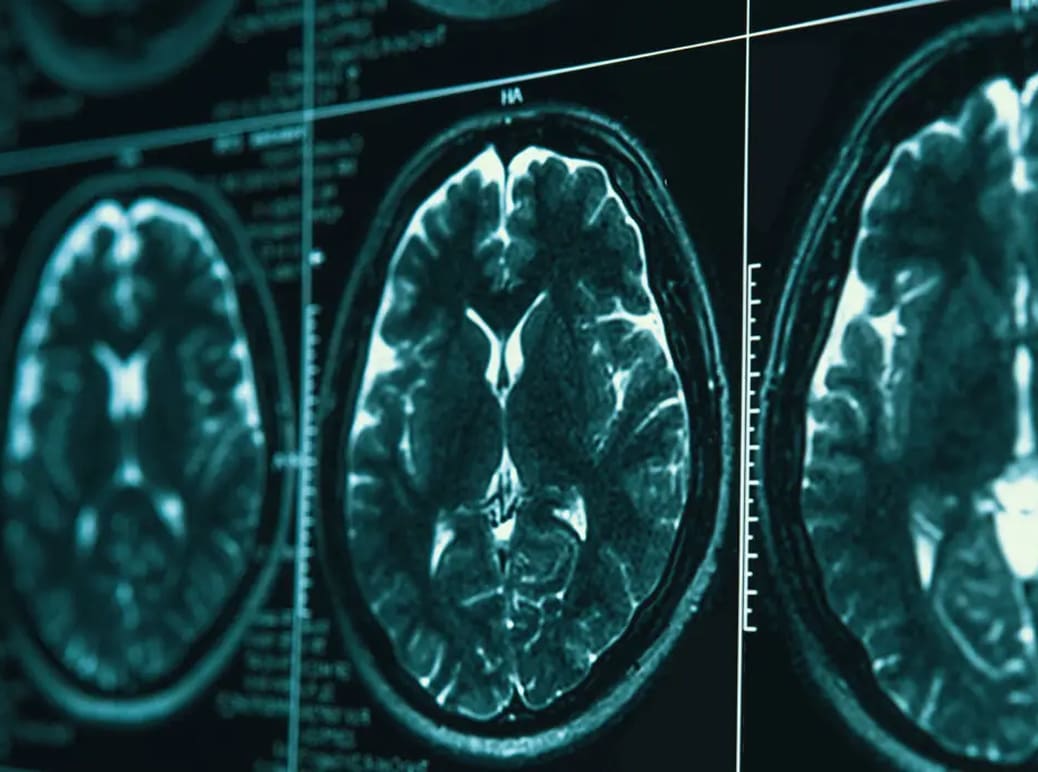

With their design for a hospital room that maximizes the benefits of natural light, researchers from the Technion Faculty of Architecture and Town Planning are exploring how incorporating natural light into inpatient wards affects various aspects of health and wellbeing. The research could add credence to studies showing that such integration reduces medication consumption, shortens hospital stays, improves sleep quality, alleviates depression and stress, and even lowers mortality rates. They aim to bridge the gap between clinical outcomes and architectural decisions, bringing science directly into hospital design. Under the supervision of Professor Guedi Capeluto, master’s student Rinat Hadashi Gannon conducted…
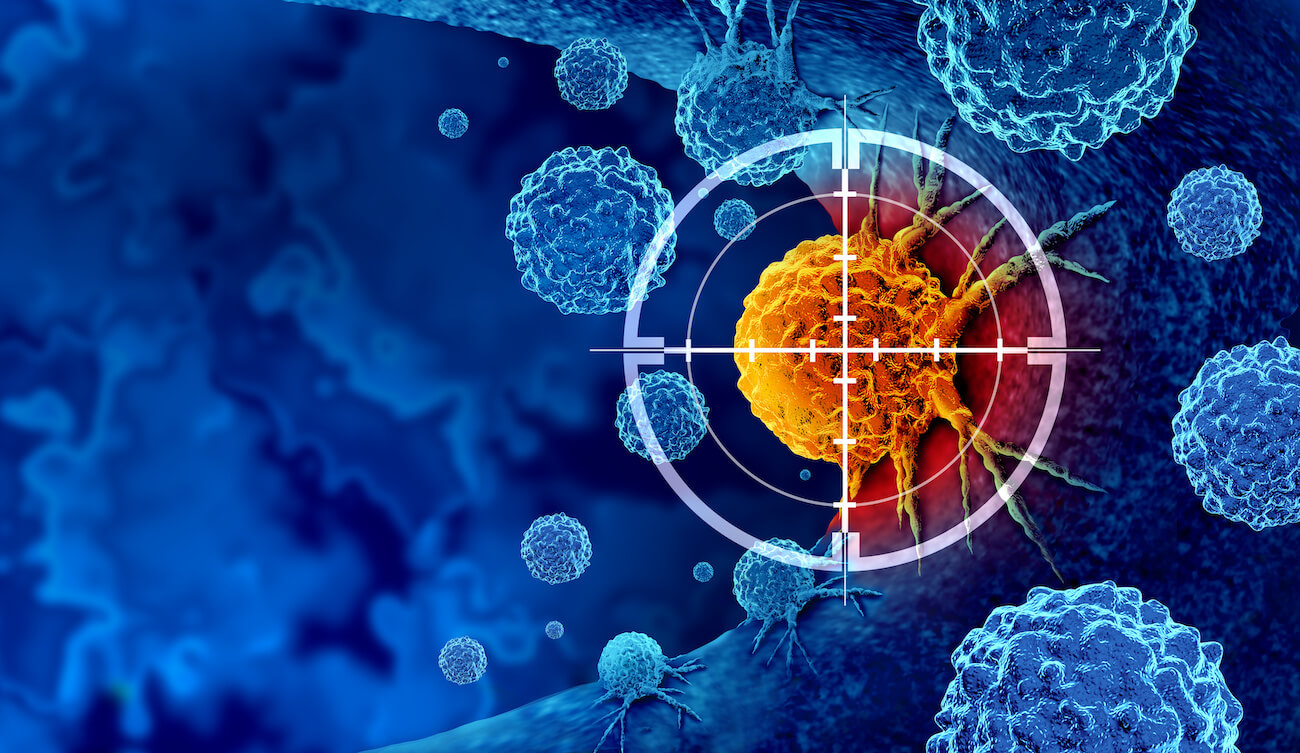
Researchers have developed a pioneering AI “matchmaker” that pairs together existing cancer drugs for use in nanomedicine. Prescribing a combination of two or more medications is already an established practice – known as combination therapy — that can prove highly effective. But a team at Technion – Israel Institute of Technology, in Haifa, has gone beyond simply identifying separate medications that will work well together.
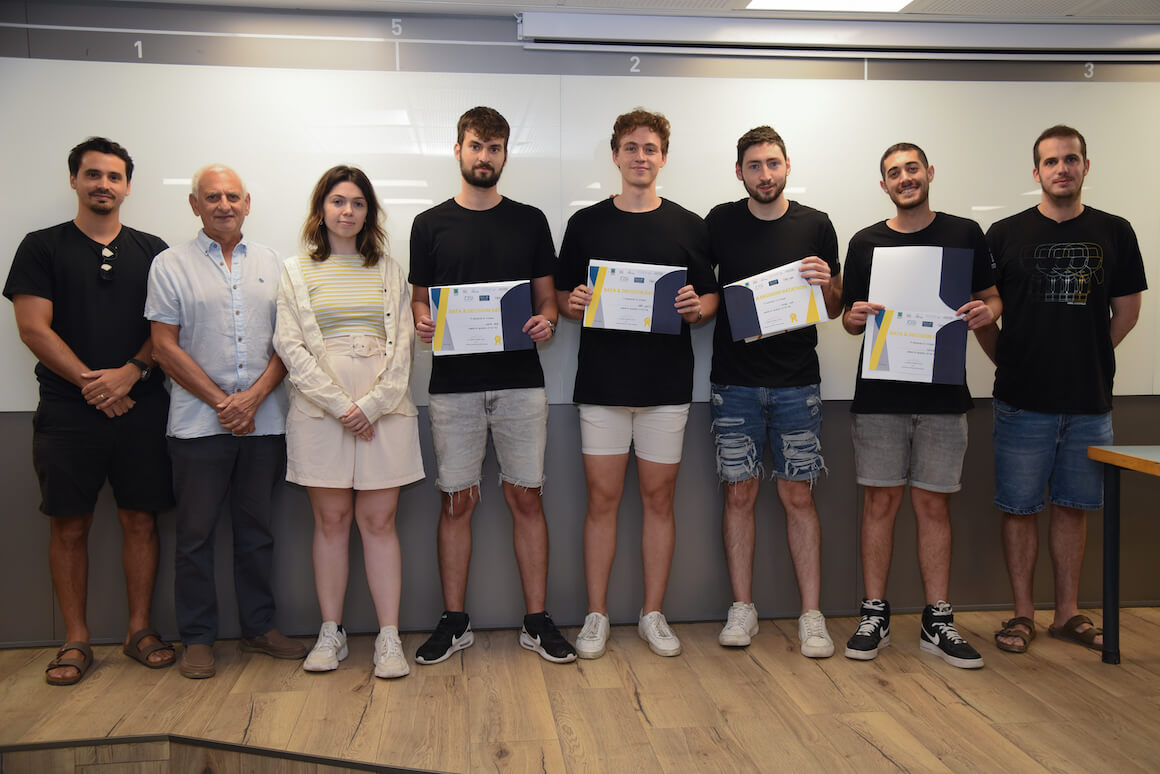
In a three-day competition known as a hackathon, Technion undergraduates worked to develop online methodologies to recognize suicidal ideation, with the goal of offering assistance and saving lives. More than 500 people a year kill themselves in Israel. In the United States, that number jumps to about 50,000. Worldwide, someone takes their life every 40 seconds. “People put more of themselves on social media than they realize,” said Professor Avigdor Gal of the Faculty of Data and Decision Sciences. “We cannot be blind to society around us, what is done with the tools we develop, how the data we collect…

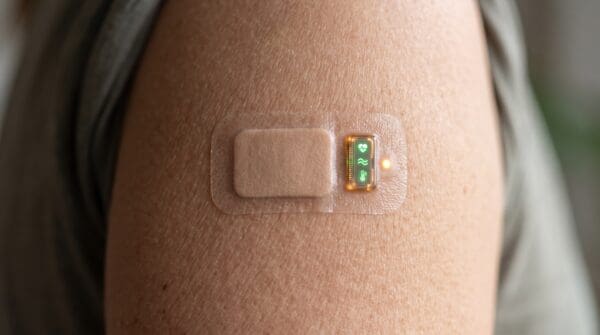
Several years ago, amateur athlete Hemi Re’em was shocked to discover that his coronary arteries were 90 percent blocked despite his seemingly good health. This set him on a path to cofounding Yopi Technologies. Yopi (Your Online Personal Instructor) is a first-of-its-kind, AI-based wearable device that monitors oxygen consumption through electrolytes in the sweat. The goal is to detect heart deterioration and measure overall wellness.
Multiple myeloma is the second most common cancer that impacts blood cells. It primarily affects people in their mid-60s or older. Over time, patients become resistant to current treatment drugs that are initially effective. That’s why UB-Therapeutics, a company founded and run by Technion alumni and faculty, is working on a new drug. Existing drugs target proteasomes, which maintain cellular function. The new drug aims to inhibit proteasome activity in cancer cells by binding to ubiquitin, a small regulatory protein found in most tissues. “By leveraging the cell’s own natural processes, we aim to develop a more selective and effective…

ArtiFascia®, a patch-like dural repair graft, recently obtained approval from the U.S. Food and Drug Administration. The device – developed by Nurami Medical, a startup in Haifa co-founded by Technion alumna Nora Nseir Manassa – will revolutionize neurosurgery. Dura mater is the outermost layer of the membrane that surrounds the brain and spinal cord, protecting the central nervous system from physical damage. The resorbable device, made of electrospun nanofibers, promotes tissue regeneration of the dura mater while also preventing cerebrospinal fluid (CSF) leaks and bacterial penetration sometimes caused by suture holes during surgery. “The necessity to cover the brain with…
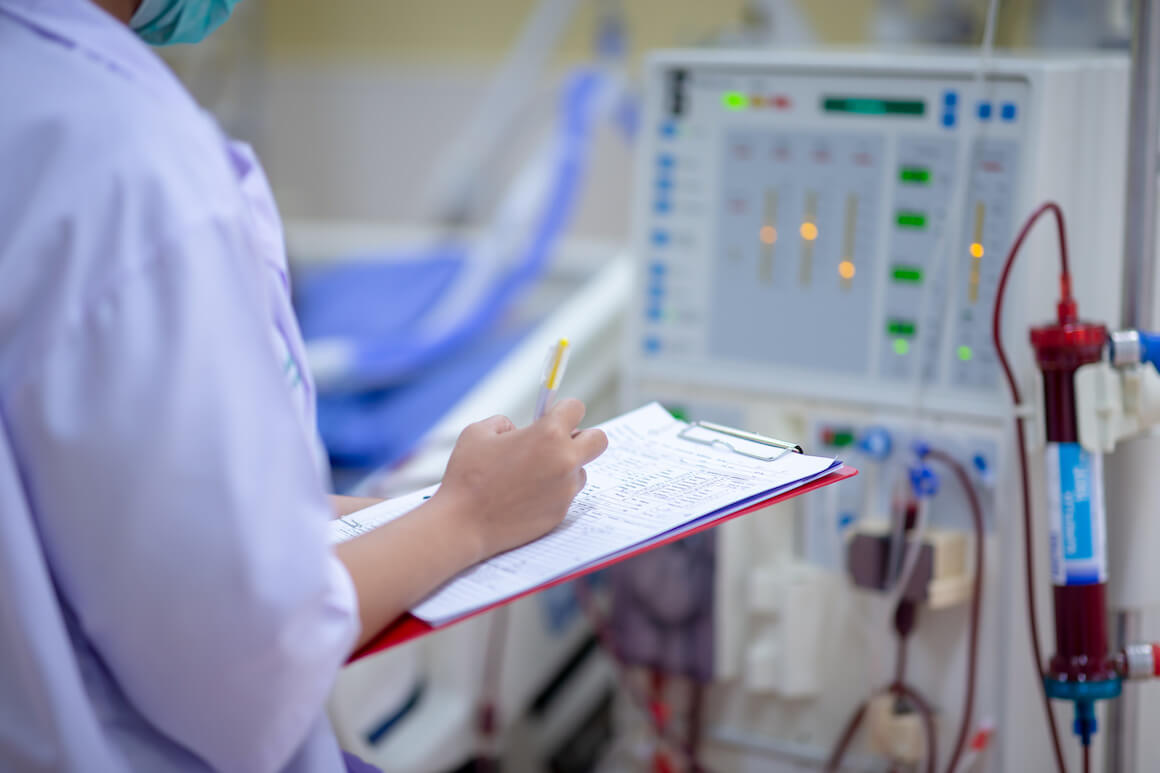
Chronic kidney disease (CKD) affects an estimated 10% of the world, which is just under 800 million people. According to the US-based National Kidney Foundation, 90% of people affected by the disease don’t know they have it at the early stages, allowing it to progress undetected. In some cases, CKD is caught only at “end stage,” when kidneys are failing and require either a transplant or dialysis — a grueling, weekly procedure to remove waste and excess fluid from the blood. The average survival rate of dialysis patients is five years. Curespec, based in Yehud-Monosson in Israel, claims its unique device, Nephrospec,…

A new approach that integrates a minimally invasive, painless microneedle platform may help monitor protein biomarkers in responses to a combination immunotherapy against melanoma. The platform is capable of absorbing the cell-surrounding, biomarker-containing fluid from deeper layers of the skin with an ultra-sensitive, single-molecule detection method (Simoa) that detects often rare, yet relevant biomarkers with higher sensitivity than conventional methods. The researchers provided proof-of-concept for their approach in a mouse melanoma model in which they treated cancerous lesions with a novel therapy. The therapy acts locally on tumor lesions in that it combines non-invasive focused ultrasound (FUS), which generates heat…

Many medical studies record a patient’s race using only the broad categories from the U.S. Census, which may conceal racial health disparities, a new study reports. Researchers evaluated the performance of clinical risk scores for people of different races in an emergency department (ED). A clinical risk score summarizes the severity of a patient’s symptoms into a single number – the higher the score, the greater the risk of severe health outcomes. The researchers looked at broad race categories, like “Asian,” and more specific subgroups, like “Chinese” and “Indian.” The risk scores performed much better for some subgroups than others,…

Israeli researchers have unveiled a new miniature model of the human heart that they say could be a “game changer” in transforming drug testing and cardiovascular research. The model is a self-paced, multi-chambered replica of the human heart that is no larger than a grain of rice. According to the researchers, it will revolutionize the study of the heart and its functions. The team comprised researchers from The Hebrew University of Jerusalem; the Technion – Israel Institute of Technology in Haifa; and Rehovot-based biotech company Tissue Dynamics Ltd. They were led by Prof. Yaakov Nahmias, an award-winning biomedical engineer at The Hebrew University.
An Israeli company that develops medical treatments using helpful bacteria to fight disease is expanding the clinical trial for its drug to battle cancer. The biopharma startup recently opened a second site for its ongoing clinical trial at Beilinson Hospital in Petah Tikva, near Tel Aviv. The first site is located at Rambam Health Care Campus in Haifa, northern Israel. Biomica identifies and selects microbes to treat specific diseases that will enhance how the body’s immune system responds. Biomica is a biopharmaceutical startup working to create microbiome-based therapeutics to treat immune-mediated and infectious diseases. The company’s Co-founder and CSO Yehuda Ringel…

As a boy of just 12, Technion Neubauer Assistant Professor Shady Farah gave his grandmother daily insulin injections. “It was tough,” he recalled. “You love her and care about her, and it causes pain.” She would often tell him, “‘Shady, maybe one day you can help find a cure for this.’” Prof. Farah took her words to heart. Securing a $700,000 grant from the Juvenile Diabetes Research Foundation (JDRF), he and Assistant Professor Joshua Doloff of Johns Hopkins University are advancing an efficient, pain-free solution for people suffering from type 1, or “juvenile” diabetes, a chronic condition in which the…