Something Fresh in the State of Denmark
October 06, 2026




























The Technion’s story has been intertwined with Israel’s for more than a century, from laying the foundations for a new nation to shaping its future.

Step inside Israeli innovation at the David and Janet Polak Visitors Center. Experience our 360° immersive movie and tech exhibition. Open to individuals and groups.
Learn More

Antidote Health, one of several Israeli companies making healthcare affordable and accessible in the United States, has teamed with the Charles Antetokounmpo Family Foundation in the $1 million “Leave No One Behind” campaign to deliver free mental telehealth care services to residents of Milwaukee, Wisconsin. “My family’s path to the United States wouldn’t have been possible without the kindness of others,” said Milwaukee Bucks basketball player Giannis Antetokounmpo, who is of Greek-Nigerian heritage. “That’s why I’m delighted that CAFF and Antidote Health have come together to provide mental healthcare services to those in-need. It’s another great way we can give back to this community…

For women suffering from alopecia, the loss of their hair can be traumatic and life altering. But an Israeli medical technology company has developed an injector to strongly affix multiple strands to the scalp at a time, providing immediate hair restoration to women struggling with baldness. Hairstetics, based in Or Yehuda on the outskirts of Tel Aviv, says its near-instant hair implants can restore a woman’s hair in less than an hour – and without surgical intervention. Hairstetics CEO Oren Ne’eman tells NoCamels that the implants are for women suffering from androgenetic alopecia, a genetic disorder characterized by permanent hair…

Haifa researchers have found a non-genetic cause for alopecia areata baldness, which triggered the surprising incident at the the 94th Academy Awards in which actor Will Smith slapped comedian Chris Rock after he joked about Smiths wife’s shaved head because of the autoimmune disease. About one person in 50 – equally in men and women –will suffer from alopecia areata at some point in their life. The condition can develop at any age, although most people are diagnosed for the first time before the age of 30. In recent years, more and more research evidence has accumulated on the source…

Glioblastomas are one of the most malignant and lethal cancers. Despite recent treatment advancements, median survival is only 12 to 16 months. In 2015, the Optune device, a novel, non-invasive treatment modality was approved by the FDA for use alongside standard treatment regimens for newly diagnosed glioblastomas after a large-scale clinical trial found that it extended overall survival by at least 5 months (1,2). The Optune device is a wearable, portable instrument that uses external electrodes attached to the scalp to continuously deliver electric fields to the tumor site. But what exactly is going on under the cap? In 2000,…

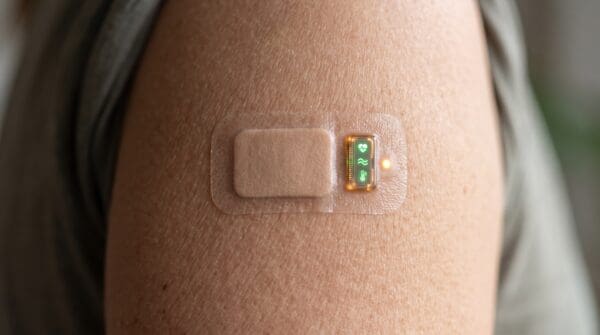
“One of the most important factors in the success of the treatment of a disease is early diagnosis, but what happens when the patient does not feel bad and there are no external symptoms of the disease? There is a huge gap today between the importance of early diagnosis and what actually happens, a lack of continuous contact between the population and the medical centers. In our laboratory at the Technion we are trying to bridge the gap between the clinics and the patients through technological developments. How do we do this? Devices and facilities that can be kept in…
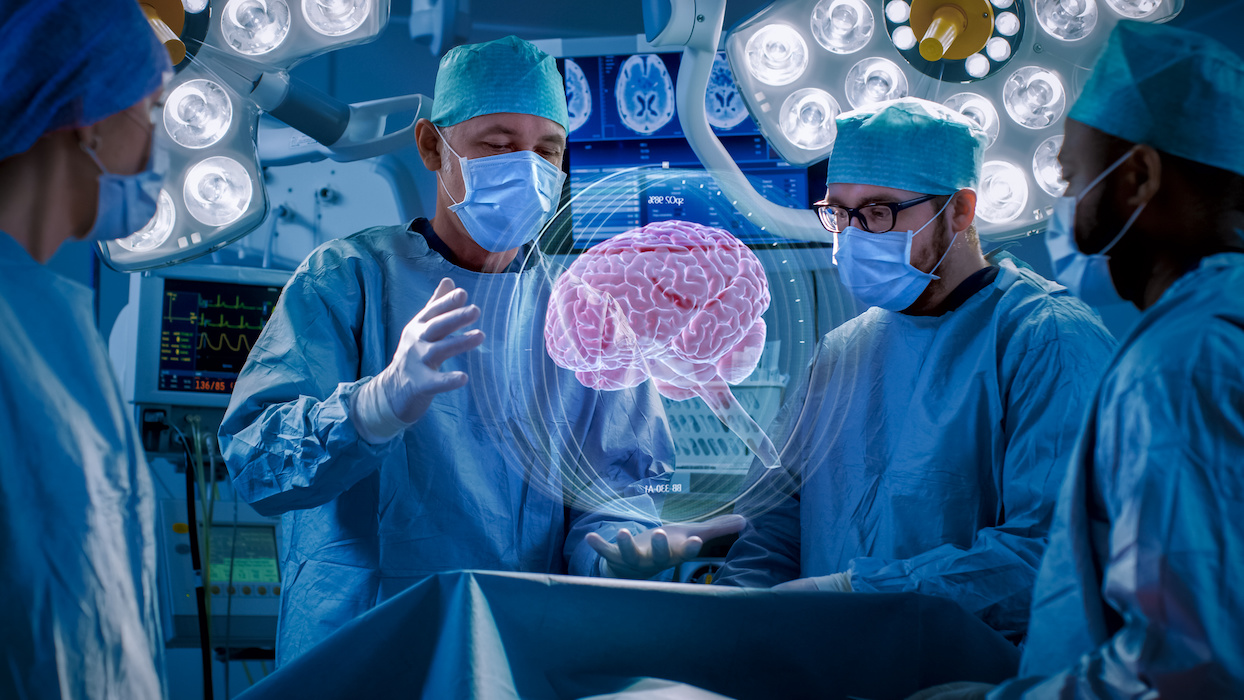
A tiny robot developed in Israel is no bigger than a pen, yet it has all the tools a brain surgeon needs to operate on a patient. Tamar Robotics has developed the world’s smallest and most accurate robotic system for minimally invasive brain surgery, with a diameter of just 10mm (0.4in). It’s equipped with a camera, two steerable and bendable robotic arms that can hold classic surgical tools, and an extendable scaffolding that makes it easier to see and maneuver the tools within the target workspace. The company is based near Haifa and was founded by Prof. Moshe Shoham, who…

How agile are your fingers? Finger dexterity is a highly developed human skill that is vital for a huge range of activities including eating with a knife and fork, tying shoelaces, typing and playing musical instruments. This ability is based not only on the unique anatomy of the human hand, but also on complex brain capabilities. The brain controls finger dexterity via intricate mechanisms that have long challenged scientists in various fields. Now, a study conducted at the Technion-Israel Institute of Technology in Haifa sheds light on this subject and, according to the researchers, is likely to lead to the…

In the hopes of aiding traumatic brain injury (TBI) sufferers with regaining their fine motor skills, Technion researchers conducted a study to shed light on how the brain controls finger dexterity through intricate mechanisms. They believe their findings could lead to the development of innovative rehabilitation strategies that are adaptable to individual patients’ needs. Led by Professor Firas Mawase and graduate student Gili Kamara of the Technion Faculty of Biomedical Engineering, the researchers developed a unique ergonomic device that enables in-depth testing of the strength of a patient’s fingertips. The device allowed them to analyze the ability to learn and…
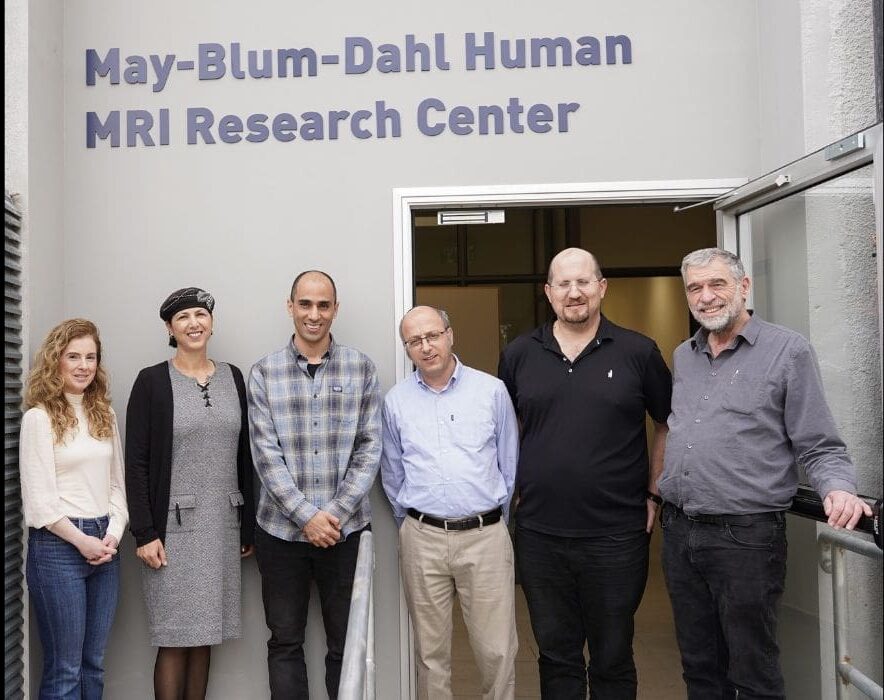
The Technion is home to Northern Israel’s first research MRI. Located in the May-Blum-Dahl Human MRI Research Center, it is a symbol of the Technion’s ongoing commitment to scientific excellence and human health advancement. Until now, Technion researchers had no choice but to visit other facilities to use an MRI scanner—an essential tool for […]

Physical therapy exercises are crucial for properly recovering and healing from an injury. They are especially important for seniors who may have a longer road of recovery or need to regain mobility in order to take care of themselves. To help encourage patients to keep up with their exercises, startup BoBo Balance – led in part by company Co-founder and CMO and Technion alumnus Yair Agami – has transformed physical therapy into an interactive video game that allows users to earn points as they complete their regimen. Users can perform their exercises using a wearable movement sensor or on a…
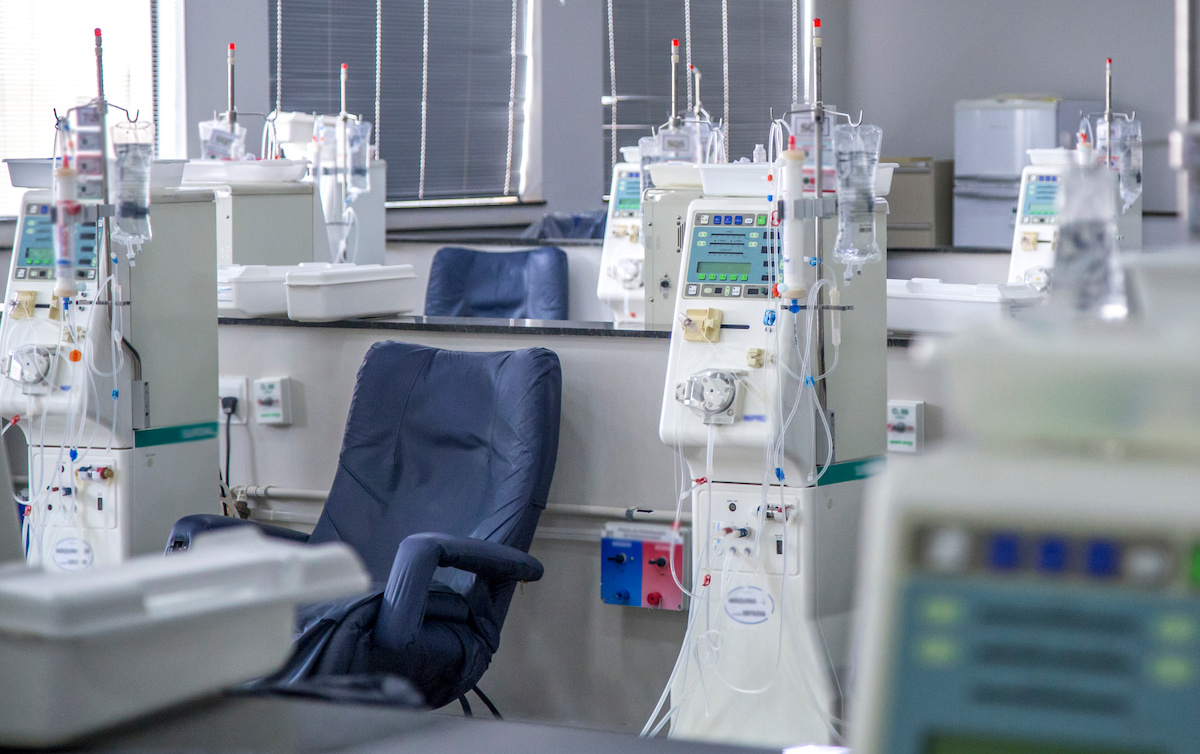
An estimated 37 million people worldwide suffer from chronic kidney disease (CKD), with more than 2 million of them receiving dialysis as treatment. 90% of those on dialysis spend half their remaining lifetime hooked up to the machines and traveling to and from their dialysis clinic. In the interest of improving the quality of life for people with CKD, medical equipment manufacturer LiberDi has created an at-home system that could replace traditional in-clinic dialysis. Led in part by company CEO and Technion alumnus Hezekiah Tsoory, LiberDi’s Digital Dialysis Clinic uses peritoneal dialysis, a cheaper and less invasive method that utilizes…

Affective touch, or slow moving and low-force stimulation, has been shown to reduce feelings of stress and anxiety. But most of the time this requires another person to perform the brushing sensation, which makes the stress-reliever difficult to produce if someone is alone, at work, or in a public sphere. A new wearable device developed by researchers at the Joan and Irwin Jacobs Technion-Cornell Institute, led by Professor Tanzeem Choudhury, could provide this relief automatically. The team created a mechanized wearable device that is worn on the top of the forearm and uses springs and an electric actuator to stroke…