Something Fresh in the State of Denmark
October 06, 2026

























The Technion’s story has been intertwined with Israel’s for more than a century, from laying the foundations for a new nation to shaping its future.

Step inside Israeli innovation at the David and Janet Polak Visitors Center. Experience our 360° immersive movie and tech exhibition. Open to individuals and groups.
Learn More

Some 300 million people suffer from depression worldwide – and the number is only increasing as a result of the isolation during and losses from the COVID-19 pandemic. In cases where medications are determined to be the proper treatment, finding the right antidepressant can require a lengthy process of trial and error. More than 60% of patients try multiple medications before finding the correct treatment, and symptoms can worsen during the time it takes to find the right medication. But new technology from a startup co-founded by Technion alumna and company CSO Daphna Laifenfield could remove the trial-and-error process through…
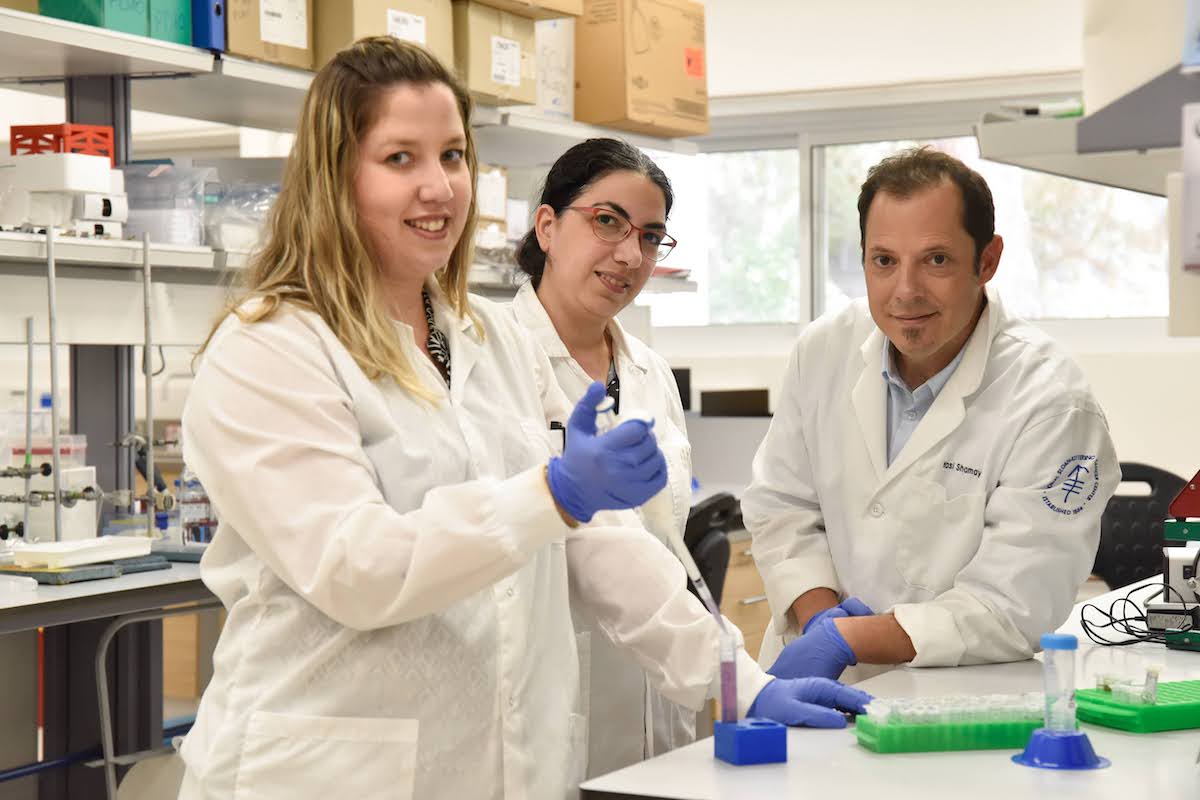
Did you know less than 1% of most chemotherapy administered as oral or injected medicines reaches the tumor, while the remainder ends up circulating through the body? Precision medicine, often delivered by nano-carriers, attempts to get around this problem by targeting the tumor while bypassing healthy tissue, avoiding the collateral damage caused by chemotherapy. Now, Technion researchers have developed an advance in precision drug delivery that is even more effective, while potentially reducing the unwanted side effects of chemotherapy, such as nausea and hair loss. Their new precision dosing technology is akin to an automated robot-chemist/robot-pharmacist system that formulates and…
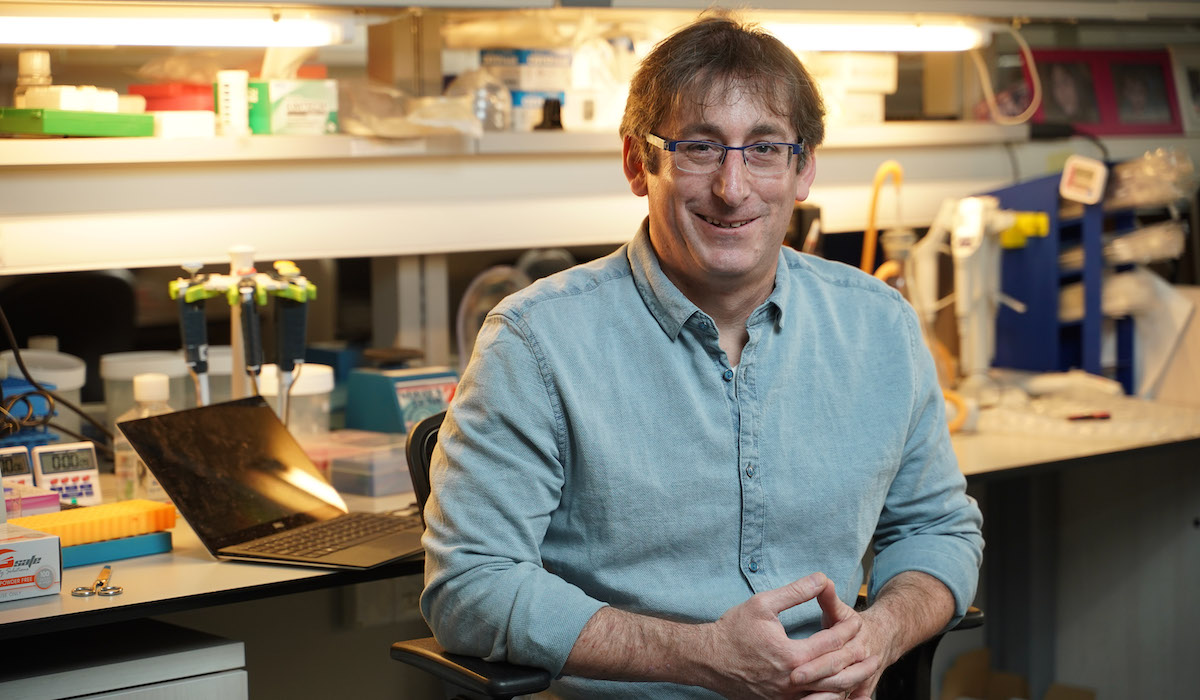
Pictured Above / Professor Shai Shen-Orr Building upon an existing, multi-year cooperation agreement that began in 2019, Pfizer Inc. recently invested $20 million in CytoReason, an Israeli startup co-founded by Technion Professor Shai Shen-Orr. The new agreement gives Pfizer the option to license CytoReason’s artificial intelligence (AI) led platform for drug development as well as fund additional research projects for the company. The partnership’s value is estimated to grow to $110 million by 2027. CytoReason’s technology makes data-driven decisions on drug development quickly and cost effectively by collecting data from pharmaceutical companies to simulate human disease and then uses their…
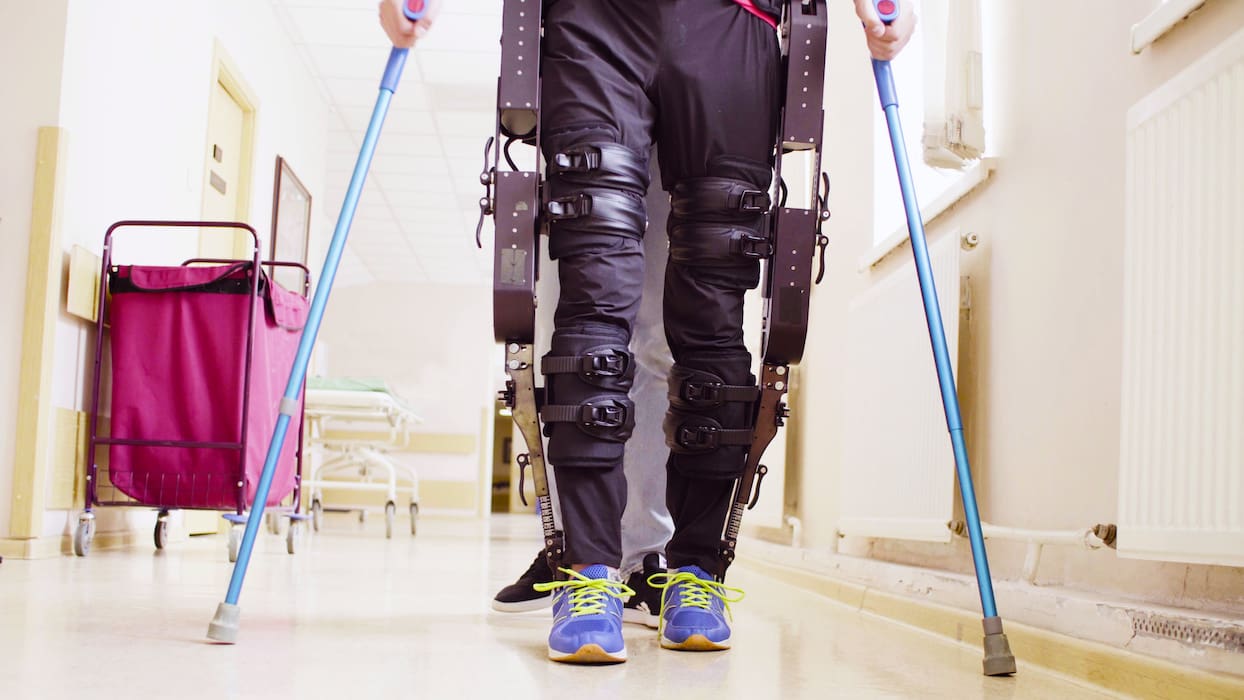
‘I can be a stand-up guy again’: Valley veteran regains ability to walk with new technology Richard Neider walks around Touchstone Rehabilitation with a big smile on his face. He has spent the past two months learning how to walk again with the use of the ReWalk Exoskeleton. “During Operation Iraqi Freedom I sustained a spinal cord injury that took my walking away,” Neider said. Life in a wheelchair was a big adjustment for Neider. Over the past 10 years, the Army veteran has learned to adapt – thinking he’d never walk again… until now.
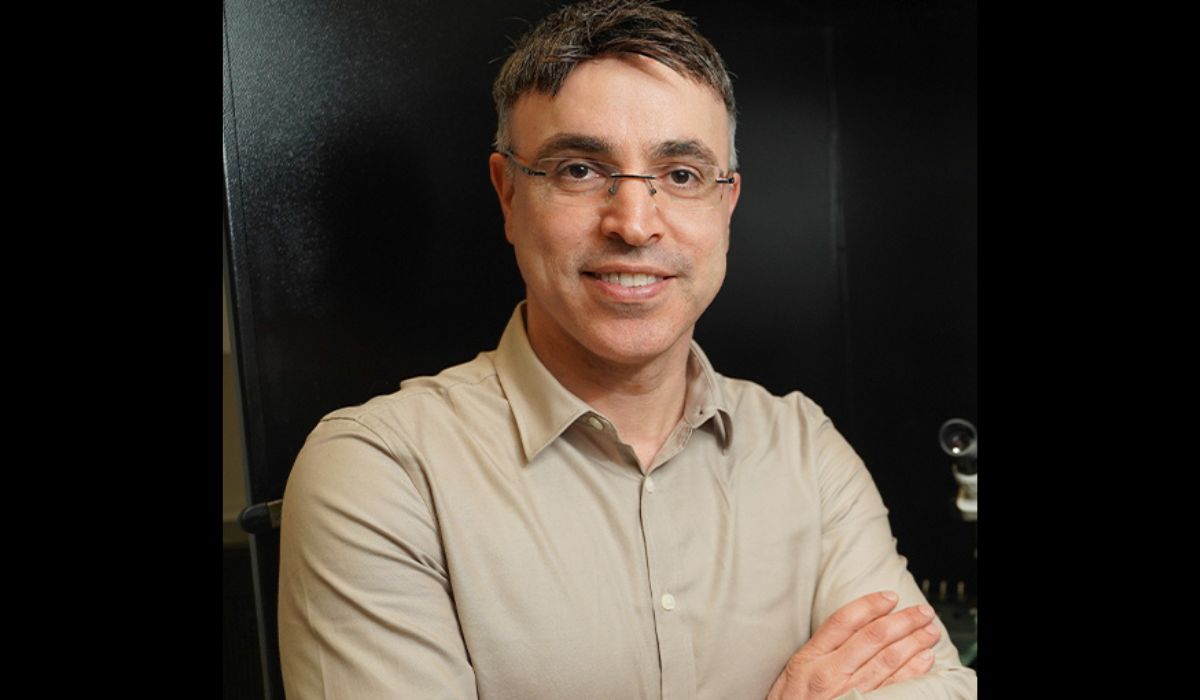
Professor Hossam Haick of the Wolfson Faculty of Chemical Engineering and the Russell Berrie Nanotechnology Institute (RBNI) at the Technion has been awarded three European research grants through the Horizon Europe program, totaling 4.2 million euros. Prof. Haick, the dean of undergraduate studies at the Technion and an expert in nanotechnology and non-invasive disease diagnosis, was awarded the grants for his research in cancer treatments. For the first grant, Prof. Haick will focus on understanding the risk factors surrounding lung cancer more closely, including personal risk factors such as lifestyle and pollutant exposure, external factors such as urban environments, transportation,…
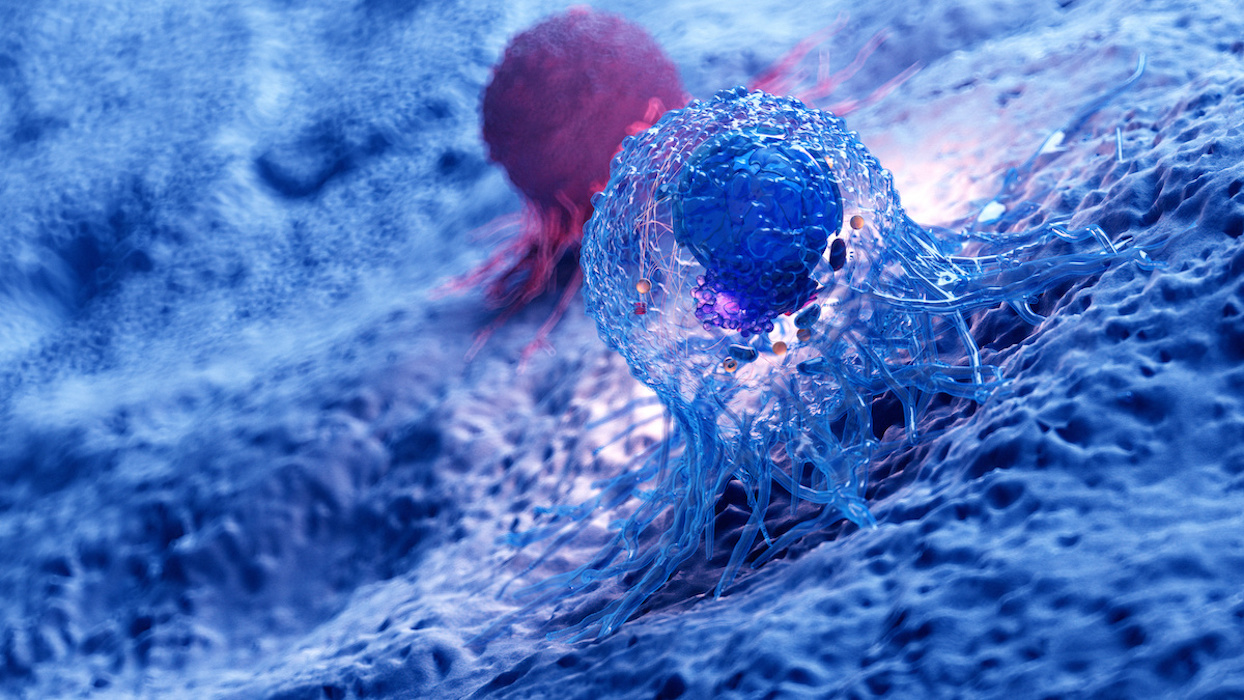
Immunotherapy is an evolving novel treatment that triggers the body’s own immune system to fight cancer cells. But it doesn’t work for everyone or on every type of cancer. And determining whether it will work for a particular patient takes up precious time. But there is hope on the horizon: Technion researchers are using artificial intelligence (AI) to speed up the process of making that determination, saving time in ascertaining the patient’s proper treatment plan. The study was conducted by Professor Keren Yizhak of the Ruth and Bruce Rappaport Faculty of Medicine at the Technion. Immunotherapy helps the immune system…

The Wertheimers Renovate Lab for Prosthetics The late Naomi Wertheimer would remember playing hopscotch and jump rope in the schoolyard as a young girl, standard rites of passage in the 1950s. But she would also remember that a friend could only watch from the sidelines because she had a wooden leg. That memory is at the heart of a gift to the Technion to advance prosthetics — a gift that also captures the Wertheimer family’s commitment to involve multiple generations in their philanthropy. Naomi’s husband Bruce, a second-generation Technion supporter, and the couple’s four children are establishing the Naomi Wertheimer…
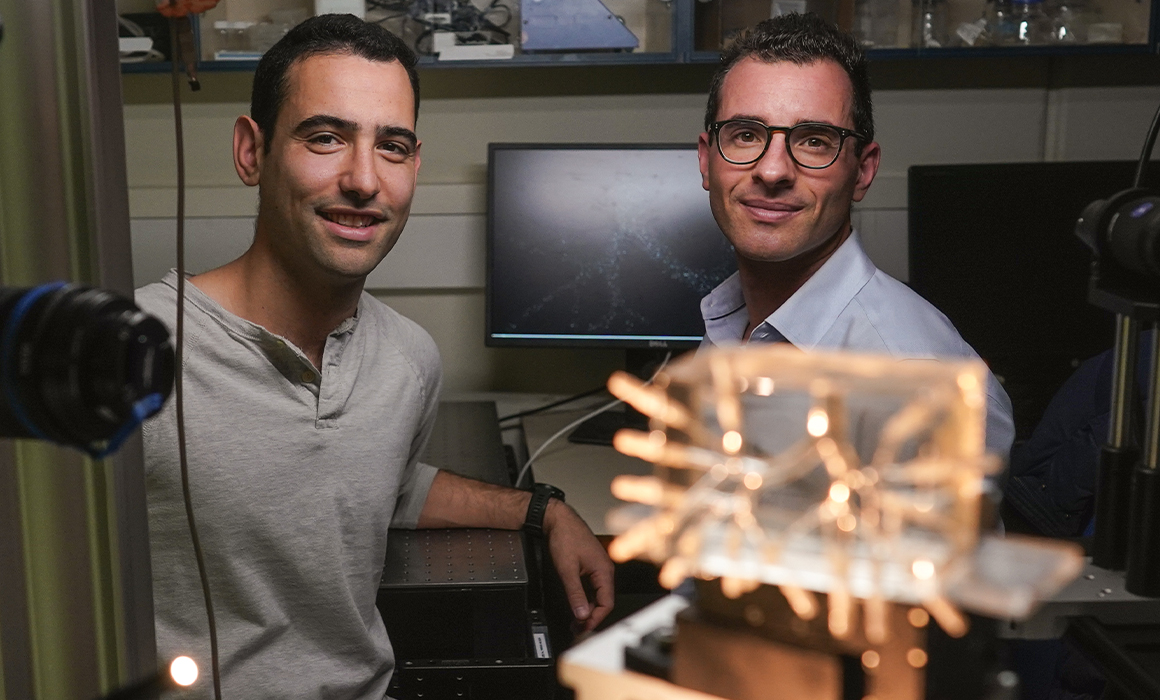
Groundbreaking, Multidisciplinary Research Explores Radical New Frontiers in Medicine Understanding that medicine has much to contribute toward our knowledge of engineering, and vice versa, the Technion is one of few technical institutions in the world that boasts its own medical school. Technion faculty have facilitated robust cross-disciplinary research and consistently seeded and executed bold new breakthroughs that have pushed the boundaries of medicine. Here are four exciting discoveries from our talented bench of medical researchers.

Prescription eye drops, while convenient and commonly prescribed, are oftentimes ineffective and can lead to suboptimal eye care and even vision loss if patients do not administer treatment correctly. Eye drops are administered through small bottles that drop medication directly into the eyeball. Now a new device to administer eye medication could revolutionize eye care and abolish the issues associated with traditional eye medicine treatments. Eximore, an ophthalmological drug company led by Technion graduate and CEO Eyal Sheetrit, has created a patented non-invasive plug that is inserted into the tear duct and delivers medication into the eye. The plug is…
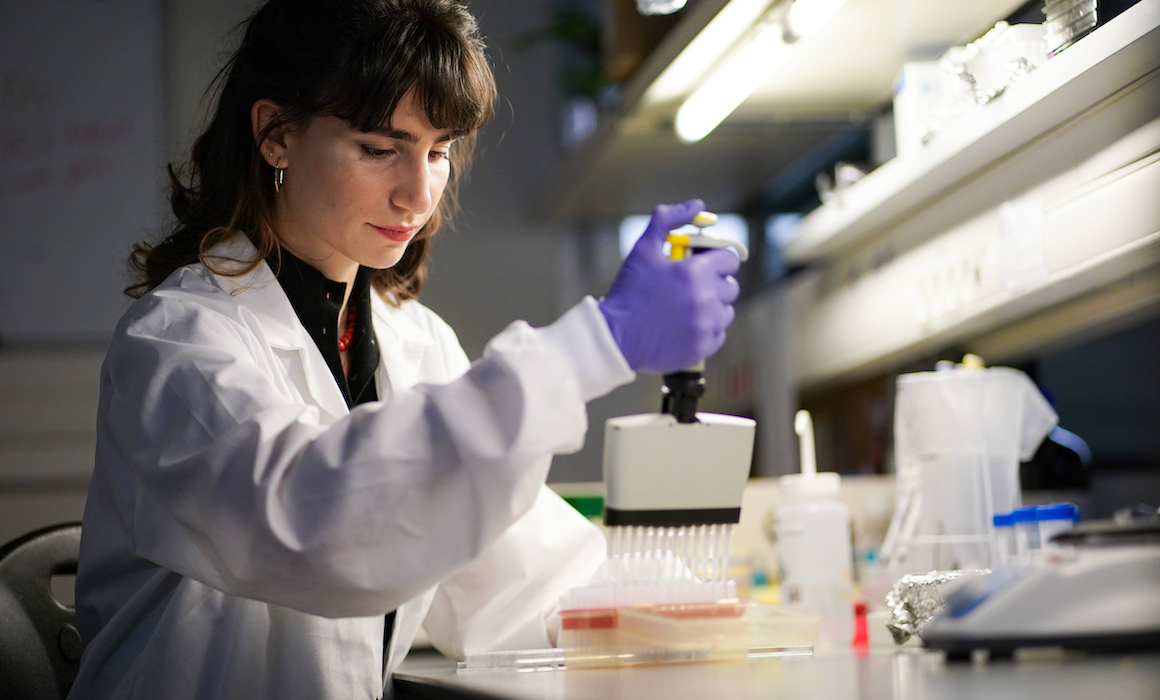
Tamar Koren, an MD/PhD candidate at the Asya Rolls Lab within the Technion’s Rappaport Faculty of Medicine, researches the extent to which a patient’s psychological or mental state may cause or exacerbate an actual disease. Koren’s work forms part of the Technion Human Health Initiative. (Photo by Nitzan Zohar/Technion) If thinking you’re sick can make you feel sick, is there a way to train your brain — and your body — to reverse that process and restore you to health? That’s the central question that Tamar Koren, an MD-PhD candidate at the Technion – Israel Institute of Technology in Haifa…

Mankind has long yearned to turn back the hands of time. Now after 20 years of research, scientists at the Technion and Haifa’s Rambam Health Care Campus, along with colleagues in England and Germany, have found a way to make aged human skin young again. In a study where elderly human skin was grafted onto young mice, the scientists proved that the aging process could be reversed in the skin and other organs by inducing a change in the molecular structure. If aging is “ultimately a fatal disease whose progress can be slowed and reversed,” wrote the authors in Science…

Breastfeeding is often regarded as the purest expression of a mother’s love — as well as the most nutritious way to feed your infant. Now, Technion alumna Maya Ashkenazi Otmazgin has launched Maolac, a foodtech startup that could bring the benefits of mothers’ milk to grownups. Otmazgin first devised a sophisticated search algorithm that analyzes nutrients found in both human and cow colostrum, the first breastmilk released after giving birth — and discovered more than 400 almost identical proteins. Another Maolac algorithm matches key proteins in human breast milk with alternative sources found in mushrooms, algae, and plants. Combining the…