Something Fresh in the State of Denmark
October 06, 2026































The Technion’s story has been intertwined with Israel’s for more than a century, from laying the foundations for a new nation to shaping its future.

Step inside Israeli innovation at the David and Janet Polak Visitors Center. Experience our 360° immersive movie and tech exhibition. Open to individuals and groups.
Learn More
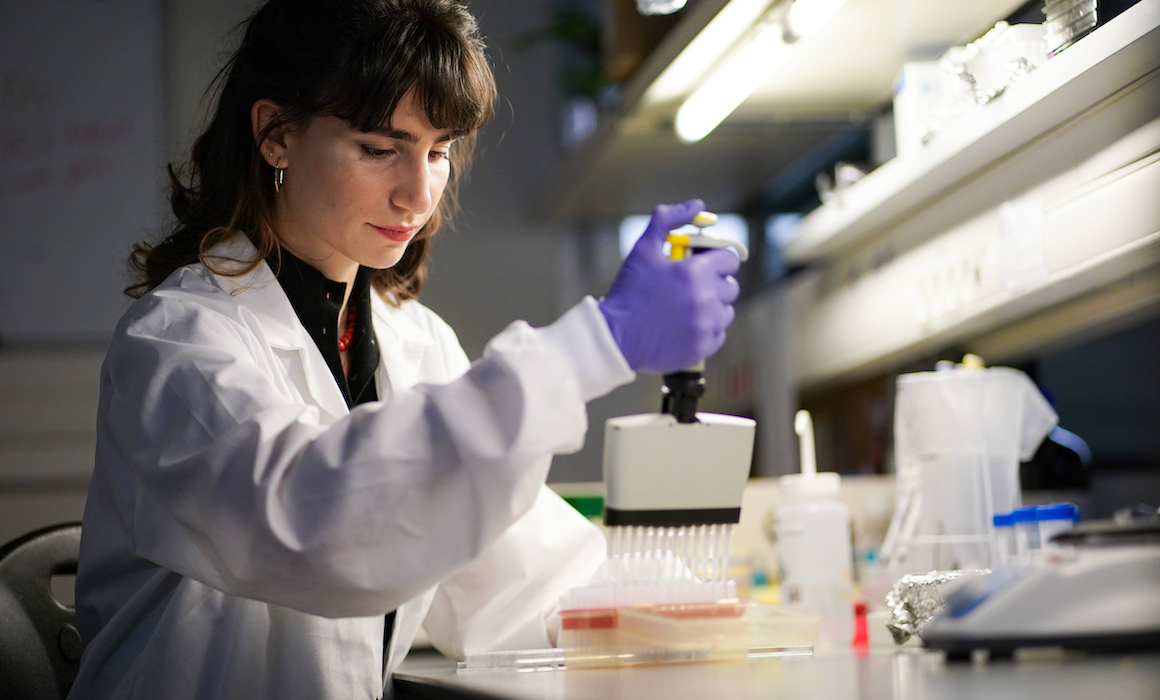
Tamar Koren, an MD/PhD candidate at the Asya Rolls Lab within the Technion’s Rappaport Faculty of Medicine, researches the extent to which a patient’s psychological or mental state may cause or exacerbate an actual disease. Koren’s work forms part of the Technion Human Health Initiative. (Photo by Nitzan Zohar/Technion) If thinking you’re sick can make you feel sick, is there a way to train your brain — and your body — to reverse that process and restore you to health? That’s the central question that Tamar Koren, an MD-PhD candidate at the Technion – Israel Institute of Technology in Haifa…

Mankind has long yearned to turn back the hands of time. Now after 20 years of research, scientists at the Technion and Haifa’s Rambam Health Care Campus, along with colleagues in England and Germany, have found a way to make aged human skin young again. In a study where elderly human skin was grafted onto young mice, the scientists proved that the aging process could be reversed in the skin and other organs by inducing a change in the molecular structure. If aging is “ultimately a fatal disease whose progress can be slowed and reversed,” wrote the authors in Science…

Breastfeeding is often regarded as the purest expression of a mother’s love — as well as the most nutritious way to feed your infant. Now, Technion alumna Maya Ashkenazi Otmazgin has launched Maolac, a foodtech startup that could bring the benefits of mothers’ milk to grownups. Otmazgin first devised a sophisticated search algorithm that analyzes nutrients found in both human and cow colostrum, the first breastmilk released after giving birth — and discovered more than 400 almost identical proteins. Another Maolac algorithm matches key proteins in human breast milk with alternative sources found in mushrooms, algae, and plants. Combining the…
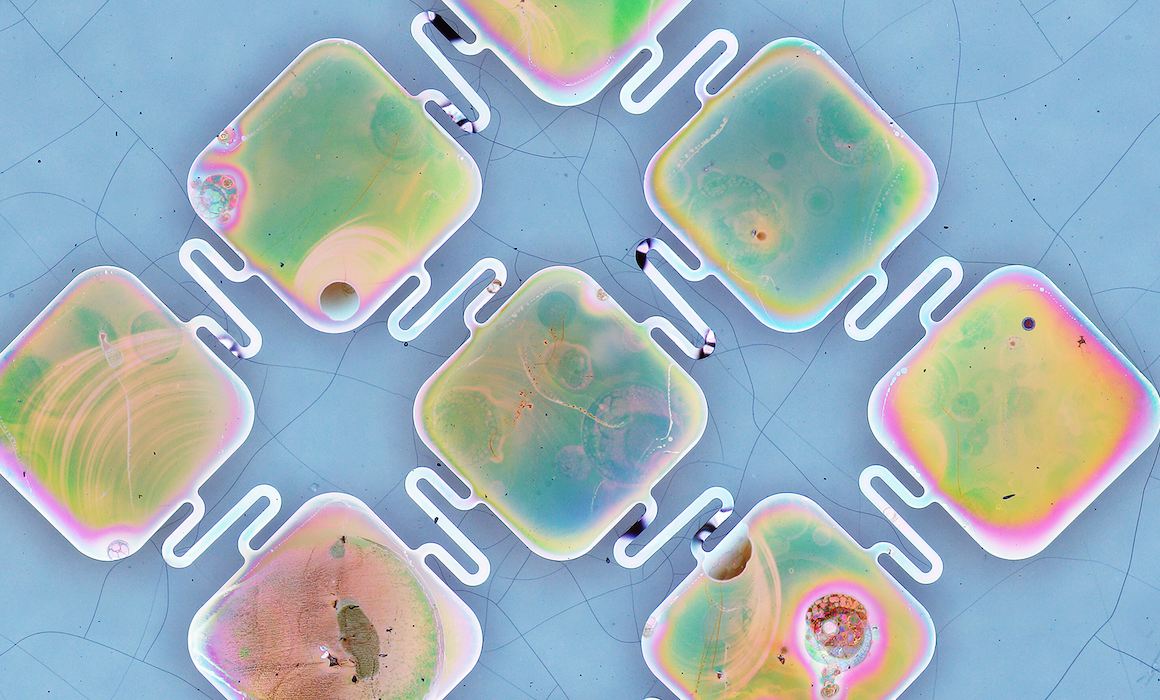
New material developed in a joint study between the Technion and the University of Chicago will pave the way for the restoration of damaged nerve tissue and heart muscle. Assistant Professor Hemi Rotenberg of the Faculty of Biomedical Engineering at the Technion and Professor Bozhi Tian of the University of Chicago have developed a way to project near-infrared light into a membrane of the new material, which will photo-activate the damaged nerve or heart tissue. Nerve tissues are the biological platform that transmits information between different areas of the body. Most of them are found in the two control centers…

Researchers have developed a unique technology using light to remotely control the cell’s internal stores of calcium. This elusive breakthrough could regulate the body’s immune system, potentially heading off disease, and control the sensation of pain. Calcium is not only important for our bone strength, but it plays a key role in processes that control gene expression in our immune cells, muscle contraction, electrical transmission in the nervous system, and many other body functions. Abnormal changes of calcium levels in our cells can wreak havoc on the immune system and lead to various illnesses. As a result, a complex control…
Ziv Yekutieli ’02, M.S.’07 had been working in the high-tech industry for 20 years when he presented to a group of neurologists what he thought was an exciting idea: a chip that could be implanted in patients’ brains to monitor health and disease. But the doctors were not interested. “One of the neurologists told me what they actually need is a better means to use the existing drugs and medical devices,” Yekutieli told Israeli technology news site, CTech. Probing a bit more, Yekutieli also learned that the biggest challenge the doctors faced was getting a comprehensive picture of their patient’s…

Most parents are familiar with the pediatric chart that tracks their child’s height to ensure it is progressing along the expected curve. A child’s place on the chart, coupled with predictions of their future adult height, can determine whether hormonal or other interventions are required. But these future height predictions, based on X-rays of the child’s hand, are not always accurate — and in some cases may adversely impact a child’s treatment. Now, an innovative machine learning technique developed by a team of international researchers can predict height accurately within 1.5 inches. “Predictive algorithms generated by machine learning, which can…
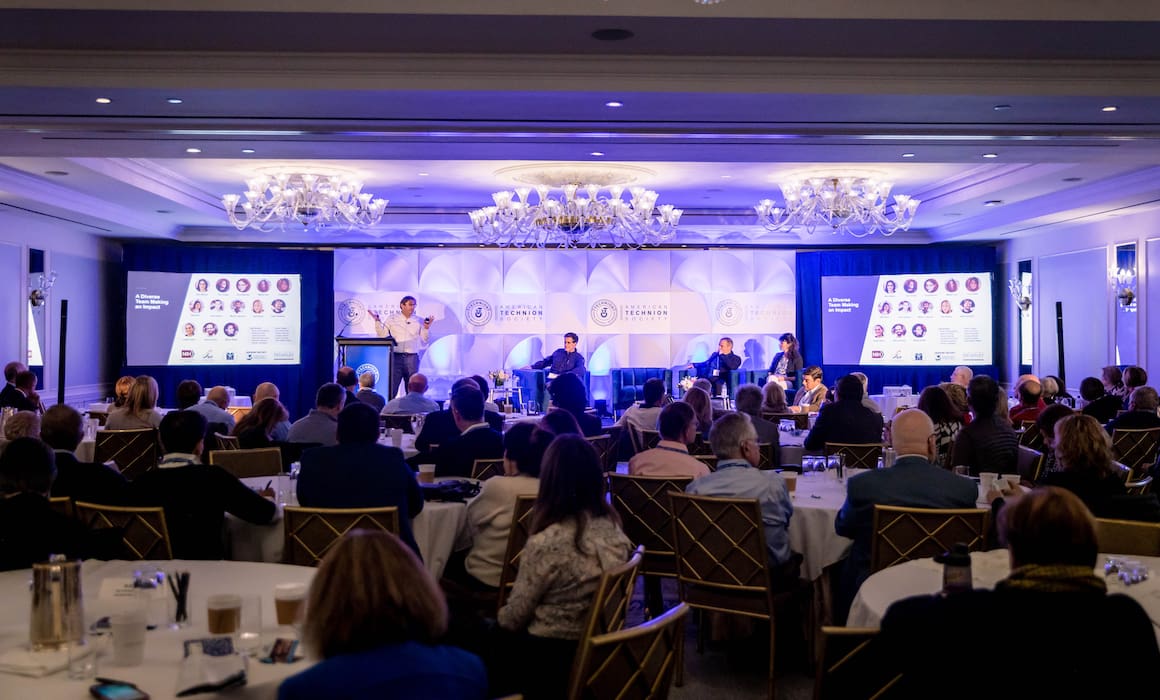
Human health is one of the main challenges facing humanity. Americans spend more on healthcare, yet life expectancy is shorter here than in Norway and Switzerland. And national health spending is projected to grow at an average annual rate of 5.4% for 2019-28, reaching $6.2 trillion. The Technion is focusing on the next level of […]
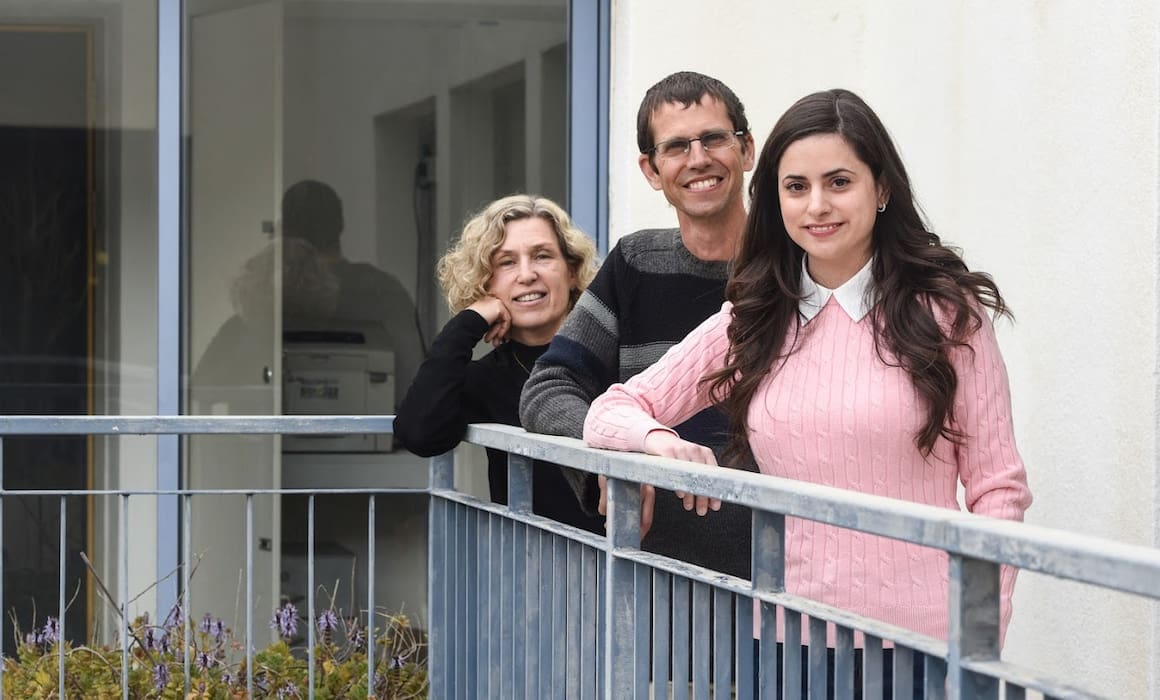
Pictured Above / L to R: Professor Naama Brenner, Professor Omri Barak and Aseel Shomar. In a revolutionary new discovery, Technion researchers Aseel Shomar, Professor Omri Barak, and Professor Naama Brenner propose that cancer cells are able to learn and adapt to changing environments in order to survive. Equipped with this knowledge, researchers are now investigating better ways of treating — and perhaps curing — cancer. It is commonly thought that both drug resistance and the ability to metastasize appear in cancer cells as random mutations. Since such a mutation is advantageous to cancer cells, enabling them to survive in…
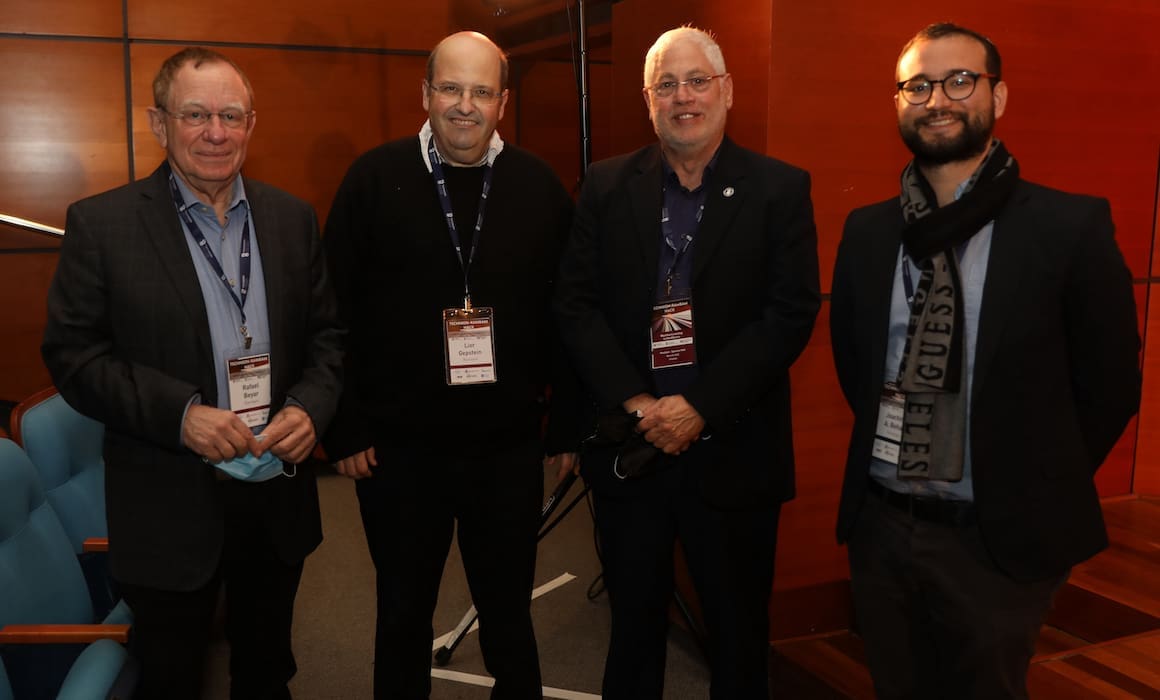
Pictured Above / (L-R) Prof. Rafi Beyar, Prof. Lior Gepstein, Technion President Prof. Uri Sivan, and Dr. Joachim Behar The Technion and Rambam Hospital are setting up a new joint Technion-Rambam Center for Artificial Intelligence in Healthcare (CAIH) that will signal a revolution in medical decision-making. The CAIH, the first joint academic-hospital AI center in Israel and one of the first in the world, will develop advanced artificial intelligence systems to analyze a patient’s condition. The center will focus on developing tools that will help physicians select, in real time, the most appropriate and accurate medical treatment for a patient….
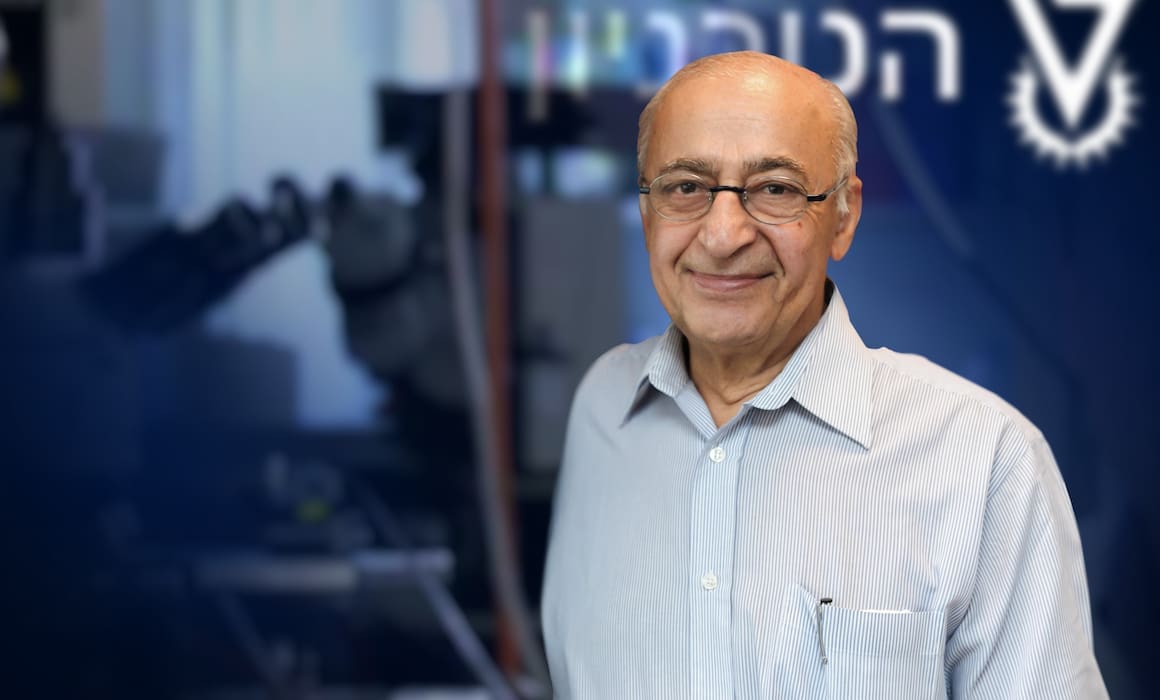
Pictured Above / Moussa Youdim Professor Emeritus Moussa Youdim from the Rappaport Faculty of Medicine at the Technion – Israel Institute of Technology is the recipient of the 2022 Israel Prize for Life Sciences in recognition of his pioneering, groundbreaking scientific achievements in the field of neuropharmacology. The committee noted that Prof. Youdim, “… has placed generations of undergraduates and graduates, many of whom hold key positions, in Israeli academia and in the biotechnology industry. His publications have received wide international acclaim and have won him many awards.” Technion President Professor Uri Sivan said, “It is my honor to congratulate…
Three research groups have won a unique grant from the Technion’s Human Health Initiative (THHI). The brainchild of Technion President Professor Uri Sivan, the TTHI promotes interdisciplinary research related to the worlds of health and medicine. “Human health is one of the main challenges facing humanity in the 21st century,” said President Sivan. “Like other huge challenges, a significant revolution in human health requires multidisciplinary efforts. The THHI brings together researchers from different faculties on the premise that removing boundaries between faculties and disciplines is essential to preserve the Technion’s world-class status and to meet the challenges of the 21st…