Something Fresh in the State of Denmark
October 06, 2026


















The Technion’s story has been intertwined with Israel’s for more than a century, from laying the foundations for a new nation to shaping its future.

Step inside Israeli innovation at the David and Janet Polak Visitors Center. Experience our 360° immersive movie and tech exhibition. Open to individuals and groups.
Learn More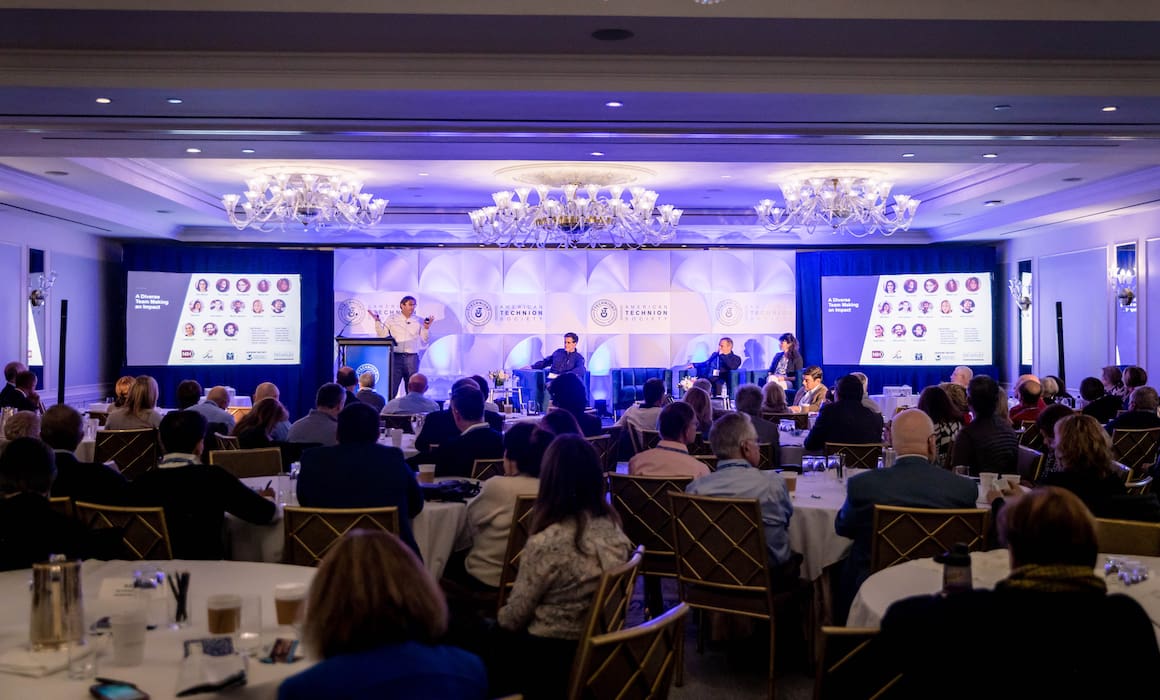
Human health is one of the main challenges facing humanity. Americans spend more on healthcare, yet life expectancy is shorter here than in Norway and Switzerland. And national health spending is projected to grow at an average annual rate of 5.4% for 2019-28, reaching $6.2 trillion.
The Technion is focusing on the next level of innovation, conducting health research in a comprehensive, integrative, and institution-wide manner. Its planned Technion Human Health Initiative (opens in a new tab) (THHI) will combine the capabilities of research and teaching hospitals with multiple Technion faculties, while partnering with powerful industrial players. This multidisciplinary approach is intended to build a bridge between medicine and life sciences, exact sciences, engineering, data science, and design.
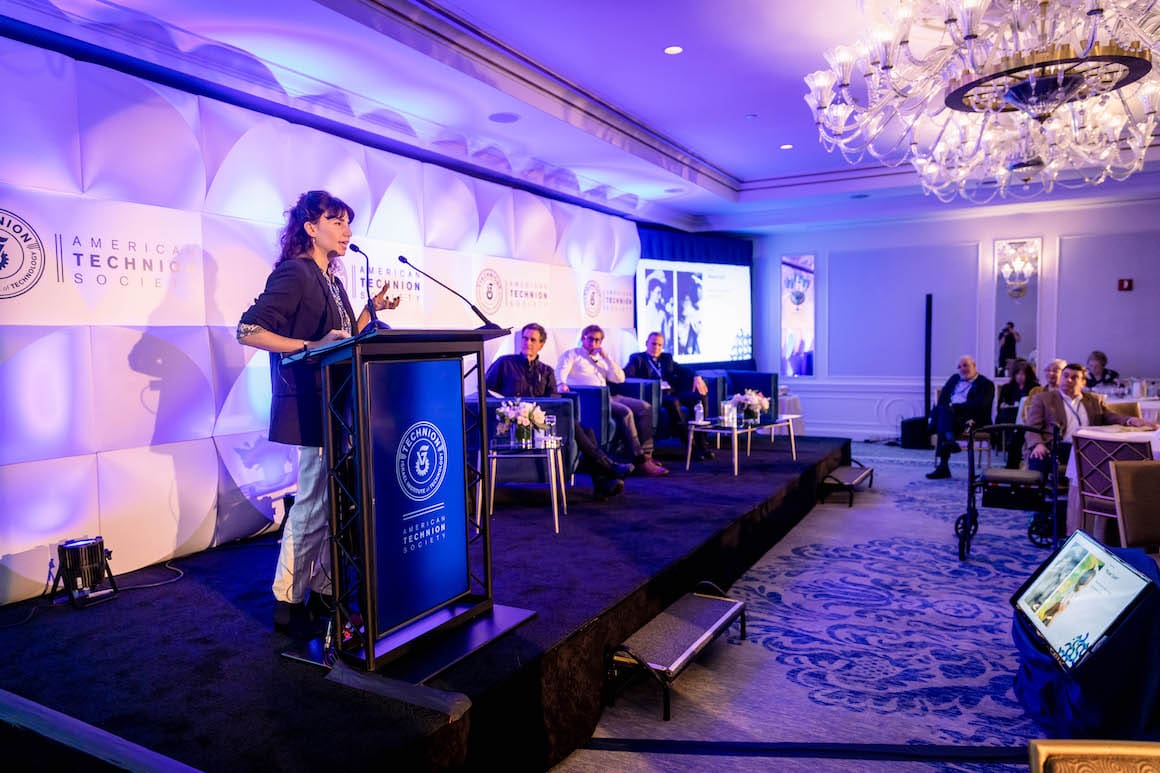
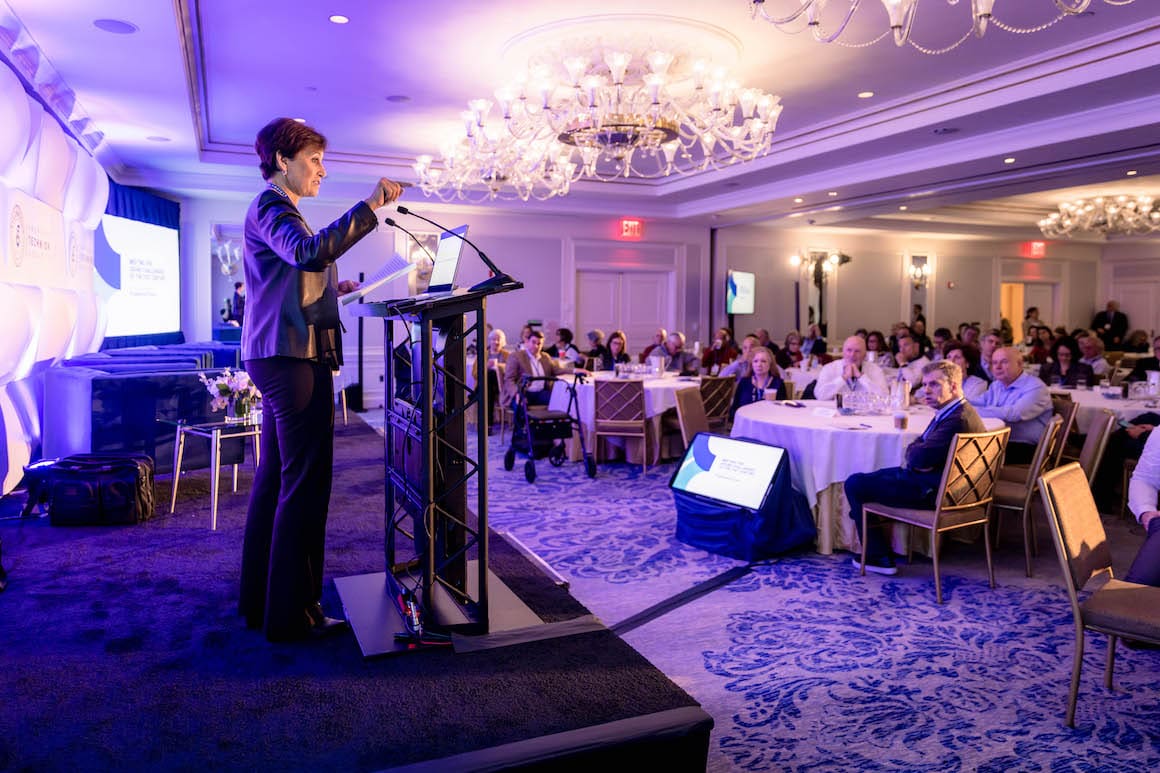
The Presidential Forum convened a panel of multidisciplinary health scientists from the Technion to discuss their most promising research, which is sure to change the lives of people around the world for the better. The session was moderated by Dean Kamen, an engineer and inventor known for the Segway and iBOT and founder of FIRST, a non-profit closely tied with the Technion that inspires youth to become leaders in science and technology.
“Imagine walking into your doctor’s office and asking, ‘hey doc, how’s my immune system doing?,’” said Professor Shai Shen-Orr, head of the Systems Immunology & Precision Medicine Laboratory in the Ruth and Bruce Rappaport Faculty of Medicine. “You can do that with your heart, but not your immune system.” Why? Because the immune system is extremely complicated. “The immune system learns and evolves as you live. It’s our sixth sense. It adapts and changes all the time,” he said.
Prof. Shen-Orr and his team have captured a pattern of immune cellular changes occurring over time that are common to all adults. This has allowed them to map a path of how the immune system ages, and to develop a system to quantify an individual’s immune system age. “Unlike your actual chronological age, the ‘immune age’ is intimately tied to the state of one’s immune system, the body’s chief sentinel. We can therefore capture medically relevant information using immune age that physicians would otherwise miss.”
Prof. Shen-Orr is also the co-founder and chief scientist of the biotech company CytoReason (opens in a new tab), which has collaborations with many of the world’s largest pharmaceutical companies, including Pfizer.
M.D./Ph.D. candidate Tamar Koren, who works with Associate Professor Asya Rolls researching mind/body interactions, related a scenario of someone who thought he might have caught COVID-19. He experiences flu-like achiness and even a slight rise in temperature. “Is it just our mind persuading us or is something really happening?” Koren asked.
While people have long experienced psychosomatic illness, Koren and her team have observed exactly how the brain can make the body sick, and how to reverse it. They first induced colitis in laboratory mice and waited for them to recover. The team then artificially stimulated the neurons in the brain that had become active during the bout of colitis. Inflammation re-emerged in the exact same location — even though there was no infection.