Something Fresh in the State of Denmark
October 06, 2026


















The Technion’s story has been intertwined with Israel’s for more than a century, from laying the foundations for a new nation to shaping its future.

Step inside Israeli innovation at the David and Janet Polak Visitors Center. Experience our 360° immersive movie and tech exhibition. Open to individuals and groups.
Learn More

A new algorithm developed by the Technion – Israel Institute of Technology helps doctors select more effective, personalized antibiotic treatments for patients. After doctors at Maccabi Healthcare Services adopted the algorithm for patients with urinary tract infections (UTIs), they saw a 35% drop in the need to switch a patient’s antibiotic regimen. Maccabi first applied the algorithm to patients with urinary tract infections (UTIs) – the most common bacterial infection among women. Around 30% of women suffer from UTIs at least once during their lifetimes, and up to 10% experience recurrent infections. Until now, in most cases general treatment has…


A friend calls with the news she was just diagnosed with COVID-19. You had dinner with her last night, and suddenly you start coughing, feel flu-like symptoms, and your fever spikes. What’s going on? Are you coming down with the virus or are your symptoms psychosomatic? You test negative. Yet Technion Associate Professor Asya Rolls […]

Technion – Israel Institute of Technology Assistant Professor Assaf Zinger and Dr. Caroline Cvetkovic from the Center for Neuroregeneration at the Houston Methodist Research Institute have created a novel means of delivering medicine to neurons in a targeted manner. The biomimetic nano-vesicles, or nature-mimicking, nanometer-scale “vehicles,” are capable of specifically targeting neurons such as nerve cells. These nano-vehicles pave the way for the treatment of multiple neurodegenerative diseases and traumatic brain injuries.
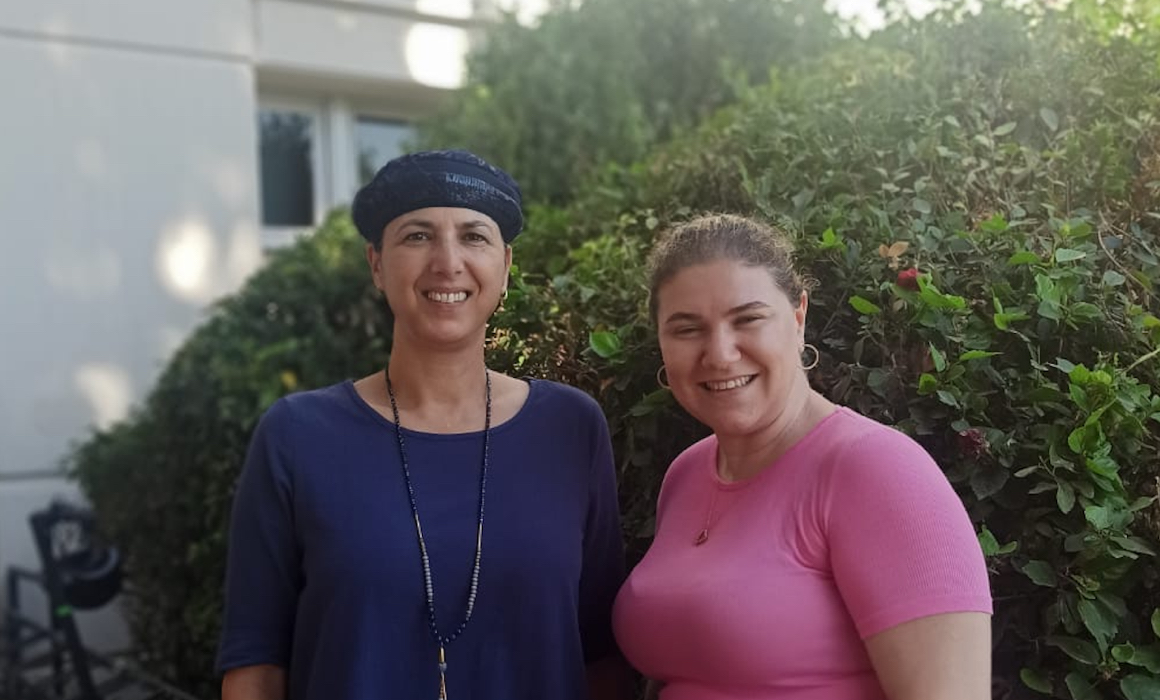
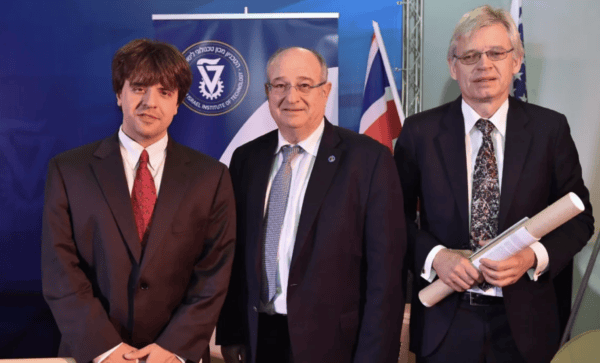
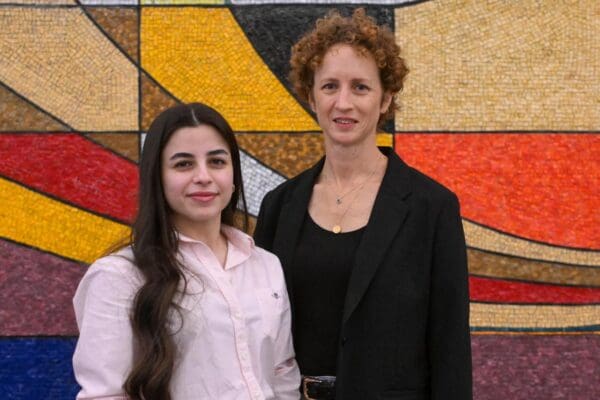
Pictured above: Professor Shulamit Levenberg (Left) and Ph.D. student Rita Beckerman The Technion has developed a novel approach to treat type 2 diabetes. Led by Professor Shulamit Levenberg and Ph.D. student Rita Beckerman, the treatment uses an autograft of muscle cells engineered to take in sugar at increased rates. Mice treated in this manner displayed normal blood sugar levels for months after a single procedure. Prof. Levenberg is the director of the Rina & Avner Schneur Center for Diabetes Research and the Technion Center for 3D Bioprinting, and holds the Stanley and Sylvia Shirvan Chair in Cancer and Life Sciences…


There is no guarantee for preventing stroke, but eating healthy, exercising, and regular medical check-ups go a long way. Now it seems we can reduce stroke risks even more with computer science. Two Technion master’s degree students have written a machine learning algorithm that can accurately predict whether a person will develop the irregular heart rhythm atrial fibrillation (AFib) — a condition that causes one in seven strokes. Working under the supervision of Assistant Professor Joachim A. Behar, head of the Artificial Intelligence Laboratory in Medicine, Shany Biton and Sheina Gendelman accessed more than one million ECG recordings from more…
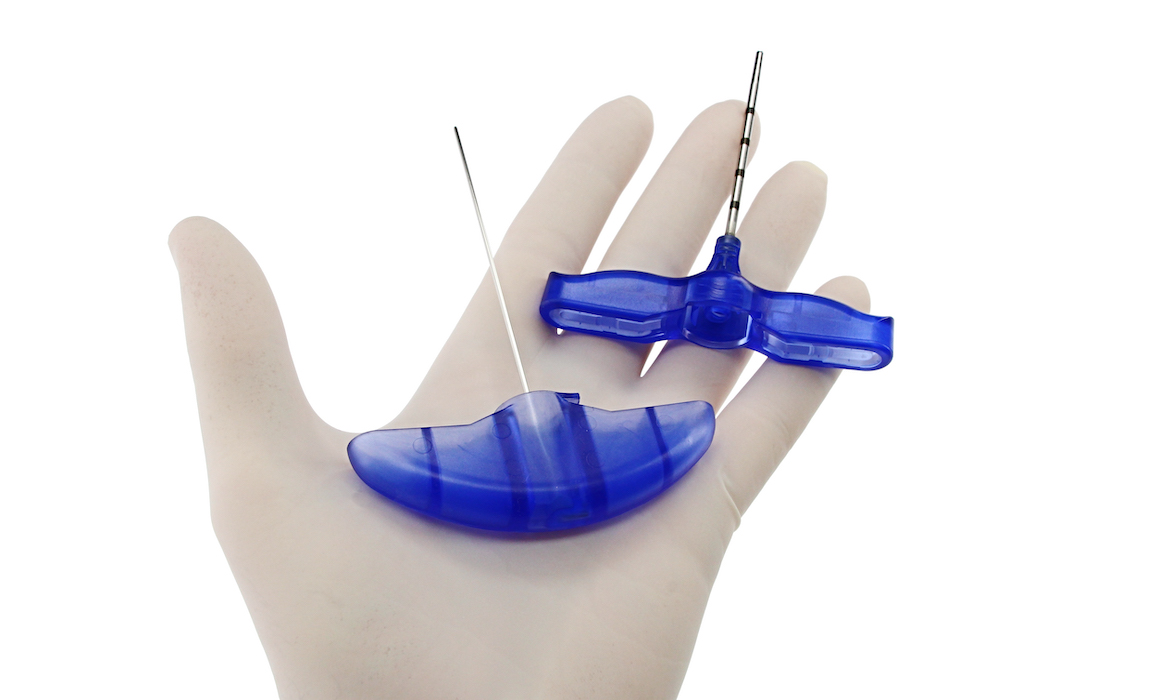
Guiding a medical needle through the body to do biopsies and other treatment is not an easy task. Straight needles work when the path is a straight shot, but often the target is hidden behind bones or vulnerable tissue. In recent years scientists have developed medical needles with beveled tips and algorithms to direct the needles, but the procedure is still risky. Now a team from the Technion and the University of North Carolina have developed a new algorithm that hopes to make the task safer and more precise.

Due to the scarcity of organ donors, many of the nearly 92,000 Americans awaiting kidney donations will not survive the transplant wait list. Now, a collaborative partnership to produce 3D printed kidneys is aimed at reducing wait times in the U.S. and around the world. Israeli-based CollPlant Biotechnologies, led by Technion alum Yechiel Tal ’79, M.S.’82, is working with United Therapeutics Corporation to manufacture artificial kidneys by combining CollPlant’s unique tobacco-based platform with its BioInk technology. In preparation for entering production, the companies have, ironically, turned a former tobacco plant into a modern 3D bioprinting factory. “We are excited to…
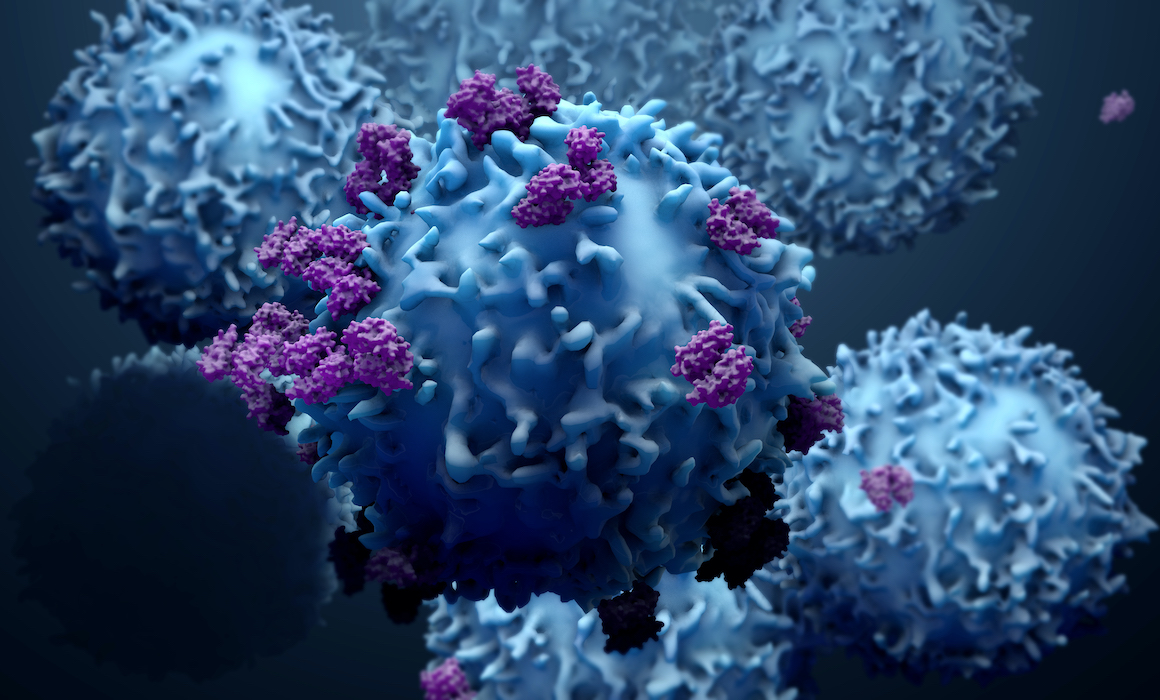
Scientists from the Technion have found a way to rejuvenate the aging process of the body’s immune system. Professor Doron Melamed, principal investigator in the Richard and Kenneth Skodnek Developmental Immunology and Aging Research Laboratory, and doctoral student Reem Dowery sought to understand why the elderly population is more susceptible to severe cases of COVID-19 and why the vaccines seem to be less effective and wane faster among this population. The results of their work were published recently in the peer-reviewed, online medical journal Blood. The secret begins with B cells, also known as B lymphocytes, which protect us from…
The Israeli company Bonus BioGroup, co-founded by Technion alumnus Shai Meretzki, has been given the green light to expand use of its innovative COVID treatment after severely ill patients showed dramatic results earlier this year. Dr. Meretzki earned dual bachelor’s degrees from the Technion in 1996 in both chemical engineering and biology, and his master’s and Ph.D. degrees — also from the Technion — in biotechnology in 1999 and 2002, respectively. Just one day after taking their last dose of Bonus Biogroup’s MesenCure, 10 patients were well enough to be released from Israel’s Rambam Hospital. Chest x-rays showed a drop…