Why the Perfect Pitch is Your Biggest Mistake
September 23, 2026






















The Technion’s story has been intertwined with Israel’s for more than a century, from laying the foundations for a new nation to shaping its future.
Step inside Israeli innovation at the David and Janet Polak Visitors Center. Experience our 360° immersive movie and tech exhibition. Open to individuals and groups.
Learn More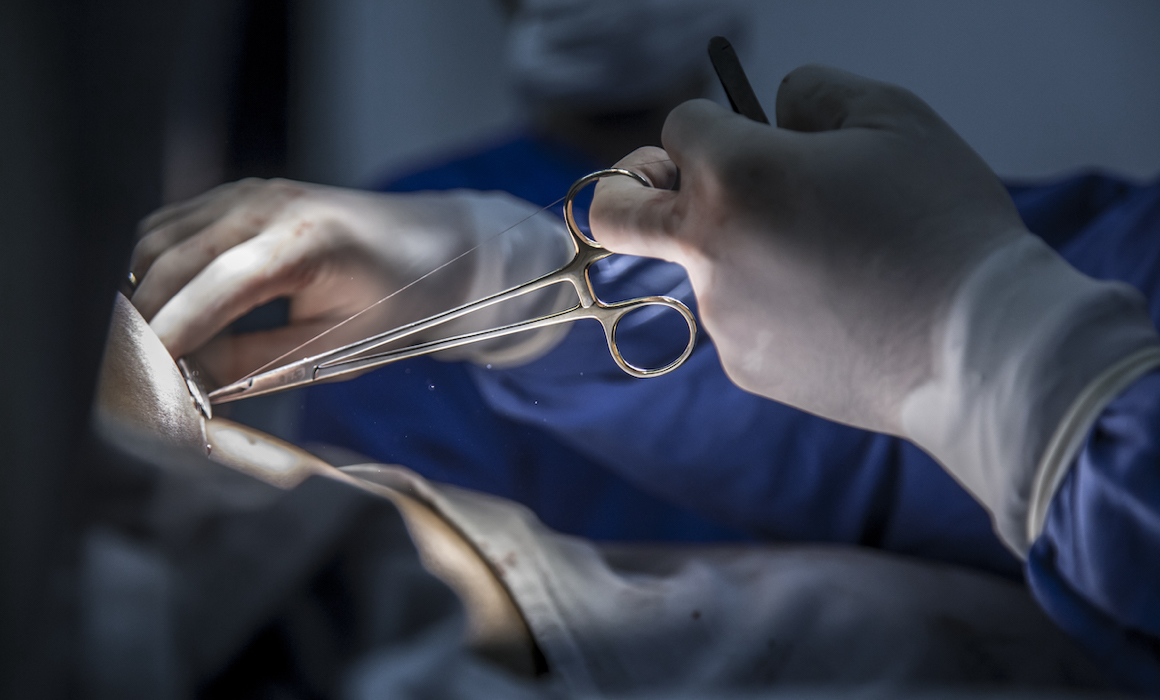
“Sutures? That’s practically medieval!”
It is a staple of science fiction to mock sutures as outdated. After all, the technique has been in use for at least 5,000 years.
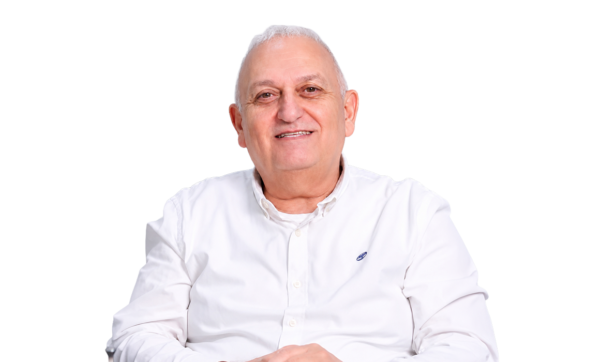
Professor Hossam Haick from the Wolfson Department of Chemical Engineering at the Technion has finally turned science fiction into reality. His lab created a smart, sutureless dressing that binds the wound together, wards off infection, and reports on the wound’s condition directly to the doctors’ computers.
“I was watching a movie on futuristic robotics with my kids late one night,” said Prof. Haick, “and I thought, what if we could really make self-repairing sensors?”
He was in the lab the very next day, researching and making plans.
The Technion: Wound Care Innovators
Even modern day suturing is an invasive procedure that damages surrounding healthy tissue. Medical personnel must carefully watch sutured wounds for signs of infection — a painful and time-consuming process that even still, can fail to catch dangerous infections until it is too late. Today in developed countries, with good sanitation available, about 20% of patients develop infections post-surgery, necessitating additional treatment and extending the time to recovery. The figures and consequences are much worse in developing countries.
It’s why the Technion has long been researching ways to more effectively heal wounds. Prof. Haick and his team first developed a self-healing sensor in 2015 (opens in a new tab). By 2020 (opens in a new tab), they had developed sensors that could heal in under a minute, but the sensor was not yet able to be used in contact with skin and blood. Technion postdoctoral fellow Dr. Ning Tang, working in Prof. Haick’s lab, later developed a polymer that was both biocompatible and self-healing.
Prof. Haick’s dressing is the latest evolution.
How Does Prof. Haick’s New Dressing Work?
The new polymer is structured like a molecular zipper, made from sulfur and nitrogen. The surgeon’s scalpel opens it but when pressed together, it closes and holds fast. Integrated carbon nanotubes provide electric conductivity and the integration of the sensor array.
Think of Prof. Haick’s new dressing like a smart band-aid. Prior to beginning a procedure, the dressing will be applied to the site of the planned incision. The incision will then be made through it. Following the surgery, the two ends of the wound will be brought together, and within three seconds the dressing will bind itself together, holding the wound closed, similar to how sutures work.
The dressing will then continuously monitor the wound, tracking the healing process, checking for signs of infection like changes in temperature, pH, and glucose levels. This data will be reported directly to the medical personnel’s smartphones or other devices. The dressing will also itself release antibiotics onto the wound area, preventing infection.
In experiments, wounds closed with the smart dressing healed as fast as those closed with sutures and showed reduced rates of infection — promising results for patients and medical providers across the globe.