Something Fresh in the State of Denmark
October 06, 2026














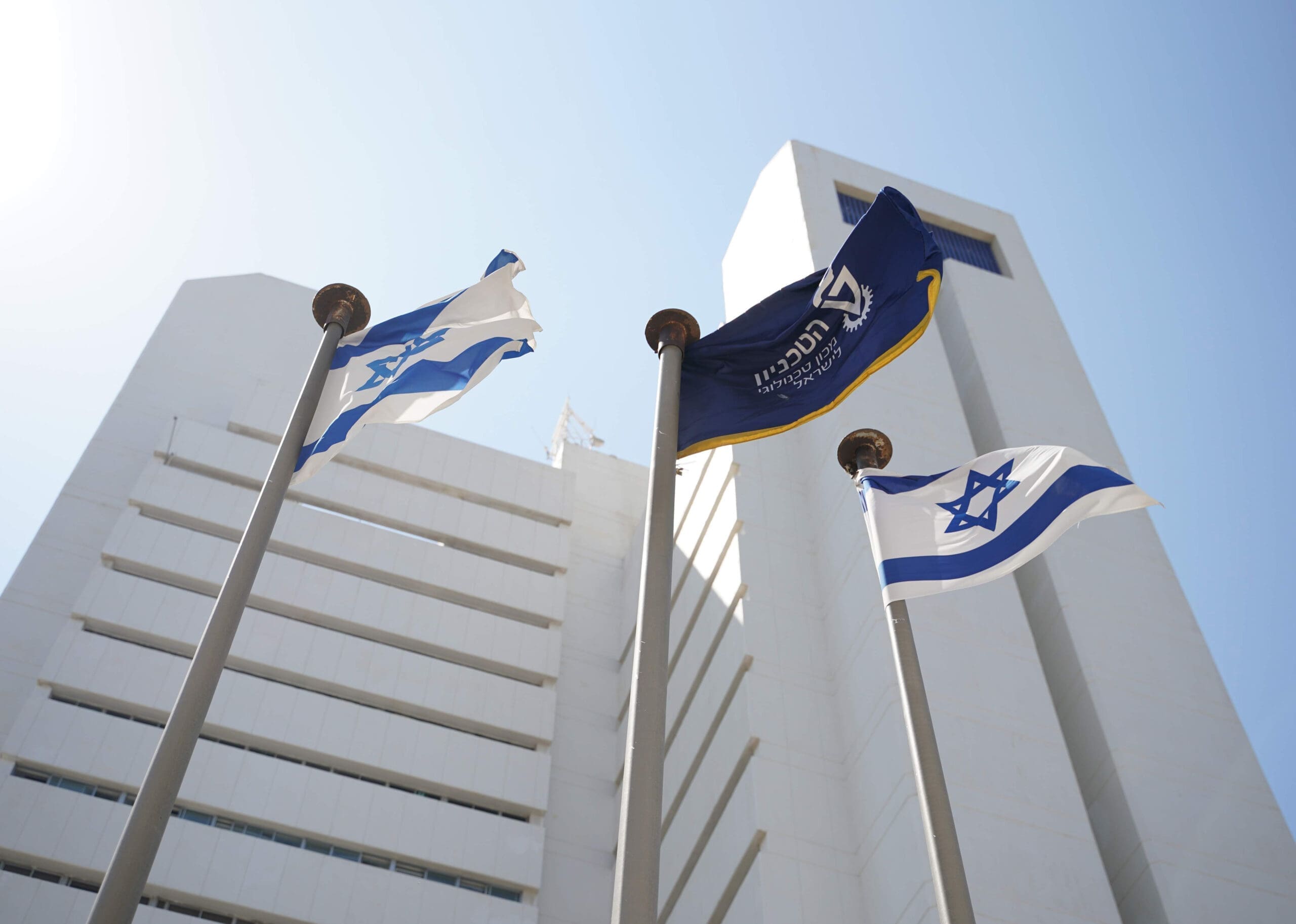




The Technion’s story has been intertwined with Israel’s for more than a century, from laying the foundations for a new nation to shaping its future.

Step inside Israeli innovation at the David and Janet Polak Visitors Center. Experience our 360° immersive movie and tech exhibition. Open to individuals and groups.
Learn More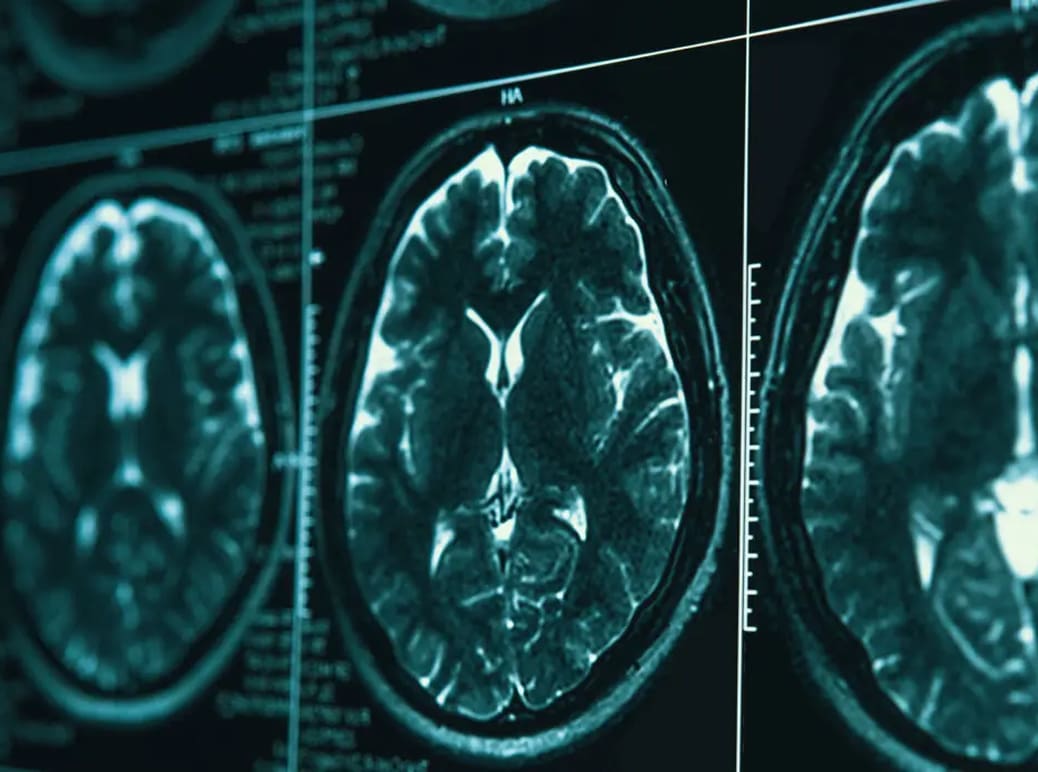

Technion students and researchers are providing new hope for amputee children. Students from the Biorobotics and Biomechanics Lab in the Faculty of Mechanical Engineering, led by Prof. Alon Wolf — together with the nonprofit organization Haifa3D — are making 3D-printed prosthetic hands for children. While prosthetics are often prohibitively expensive, these limbs are given for […]
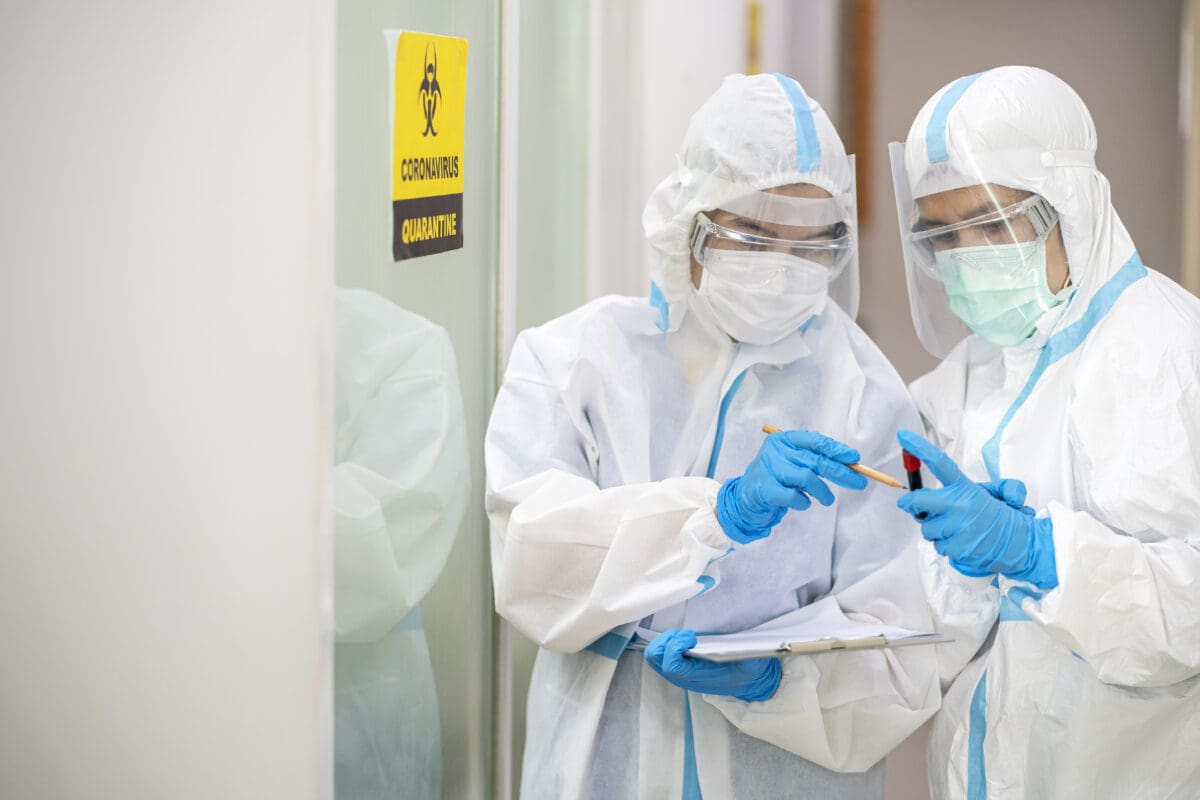
Technion Webinar If the coronavirus pandemic has underscored one message, it’s that the world is one big global village. We can no longer work in our own silos when stock market fluctuations, climate change, and pandemics affect us all. In this special webinar, Technion alumnus Dr. Eyal Zimlichman addresses this interconnectedness and Israel’s efforts in […]
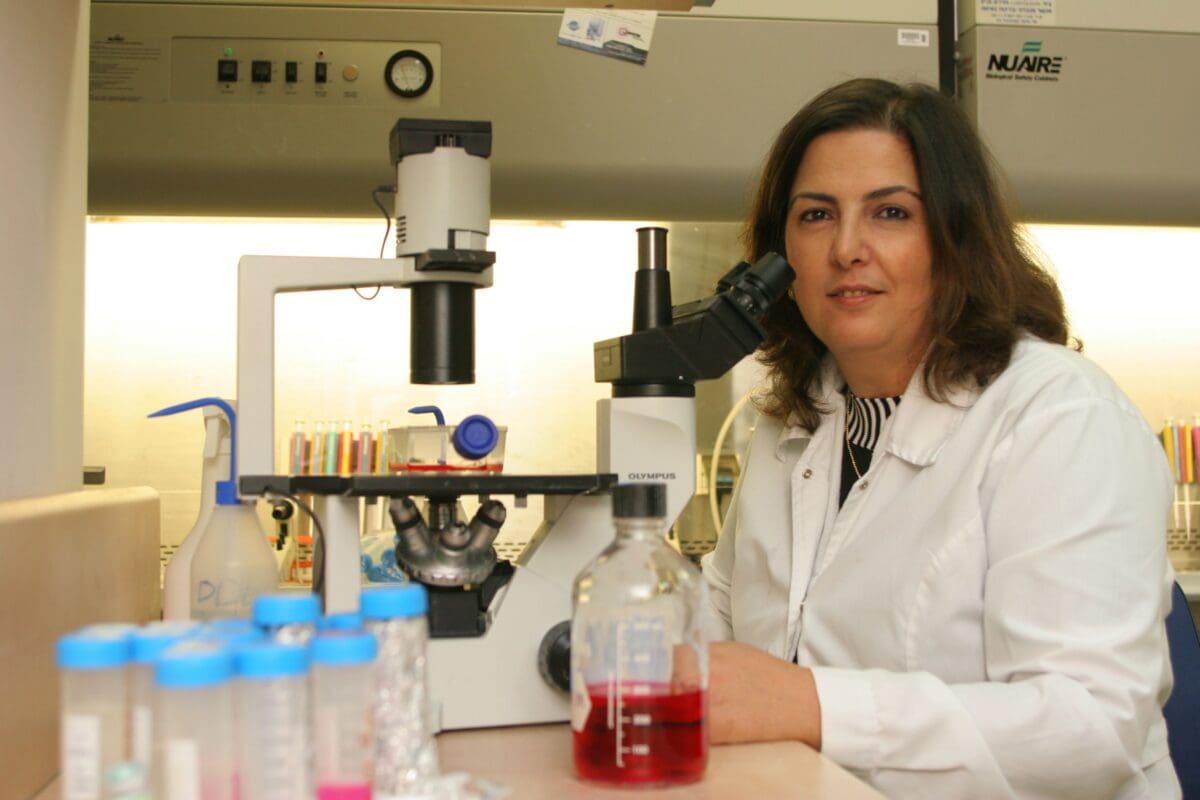
Two years ago, Technion Professor Marcelle Machluf, dean of the Faculty of Biotechnology and Food Engineering, participated in the torch-lighting ceremony in honor of the State of Israel’s 70th Independence Day. Following is a translation of her powerful speech: “I, Marcelle Machluf, the daughter of Aliya Abitbul and Yossef Ben-Sadon of blessed memories, am lighting […]
History is no stranger to global pandemics. Greek soldiers were hit with a deadly influenza in 430 B.C.E., the earliest recorded pandemic. Europe and Asia were decimated by the Black Death in the 1300s; cholera ran rampant in the 19th century; and HIV/AIDS afflicted modern times. Each has taught us something about how to manage […]

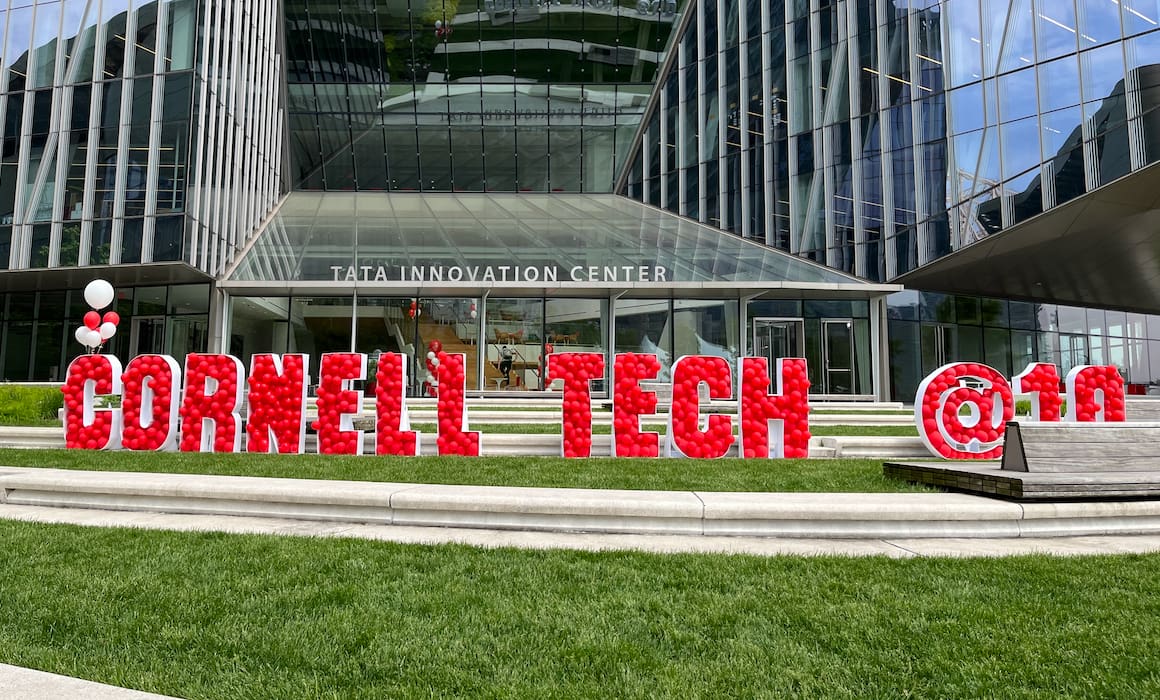
Webinar with Ron Brachman, Server Ertem, Rebecca Brachman, and Tomer Morad What happens when industry intersects academia? Join Ron Brachman, director of the Joan & Irwin Jacobs Technion-Cornell Institute housed at Cornell Tech in New York City, for this special webinar. Learn about the unique collaboration that has led to 28 startups incubated at the Jacobs Institute’s Runway Startup Postdoc Program, and the many Runway Fellows who tackled the coronavirus pandemic. Runway Fellows Server A. Ertem and Rebecca Anne Brachman discuss developing a test to determine if a patient has developed sufficient immunity against the coronavirus to safely return to…
Webinar with Professor Yaron Fuchs Could insights about cell death lead to better ways to contain viral infections, and serve as the basis for new drug development? According to Technion alumnus and Assistant Professor Yaron Fuchs, they just might. While scientists have long studied stem cell rejuvenation, Prof. Fuchs had the courage and insight to follow a new direction. Looking at the flip side of stem cell renewal — death, he broke new, unexplored ground that is leading to novel insights and strategies in tissue regeneration, including recovery processes in the intestines, hair growth, treatments for cancer and other diseases,…
Technion Professor Noam Adir’s creativity knows no bounds. He has invented spinach-powered electricity cells, as well as technology to harvest energy from photosynthetic bacteria found in ponds. In this webinar, Prof. Adir talks about his equally exciting biomedical research, studying proteins that can serve as targets for novel drug development. He and his research team […]
Webinar with Professor Asya Rolls Why is it that at least one-third of patients in medical trials get better with placebos? Many scientists are connecting the dots. Neuroscience has shown that every thought and emotion triggers specific brain activity that can be measured and manipulated. In this special webinar, Technion Professor Asya Rolls talks about her research in understanding how one’s positive thoughts and expectations may impact the body’s ability to fight off germs. In one study, she showed that the release of the so-called “feel-good neurotransmitter” dopamine disabled tumor-promoting cells in the immune system of mice, allowing them to…

A Webinar with Professor Avi Schroeder Whether it is the coronavirus behind the global COVID-19 pandemic, or one that causes a devastating disease in shrimp, all viruses require certain proteins in order to pass from one cell to another. Stopping the production of those proteins will effectively stop the virus. In this special webinar, Technion Professor Avi Schroeder talks about how synthesizing a molecule called siRNA, and using it to replace naturally occurring RNA molecules, has proven effective in stopping the highly destructive white spot virus from passing from one cell to another in shrimp. According to Prof. Schroeder, it…