Something Fresh in the State of Denmark
October 06, 2026


































The Technion’s story has been intertwined with Israel’s for more than a century, from laying the foundations for a new nation to shaping its future.

Step inside Israeli innovation at the David and Janet Polak Visitors Center. Experience our 360° immersive movie and tech exhibition. Open to individuals and groups.
Learn More
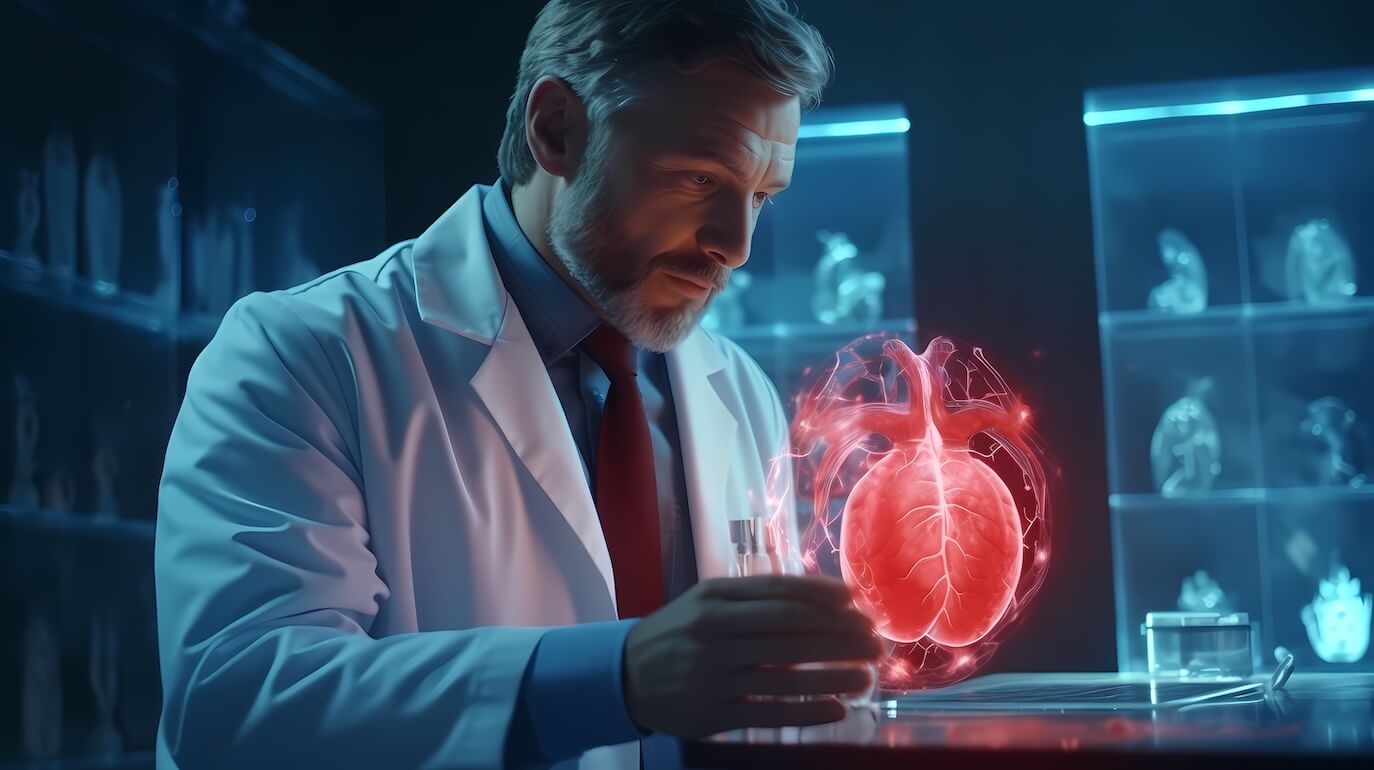
Israeli researchers have unveiled a new miniature model of the human heart that they say could be a “game changer” in transforming drug testing and cardiovascular research. The model is a self-paced, multi-chambered replica of the human heart that is no larger than a grain of rice. According to the researchers, it will revolutionize the study of the heart and its functions. The team comprised researchers from The Hebrew University of Jerusalem; the Technion – Israel Institute of Technology in Haifa; and Rehovot-based biotech company Tissue Dynamics Ltd. They were led by Prof. Yaakov Nahmias, an award-winning biomedical engineer at The Hebrew University.

An Israeli company that develops medical treatments using helpful bacteria to fight disease is expanding the clinical trial for its drug to battle cancer. The biopharma startup recently opened a second site for its ongoing clinical trial at Beilinson Hospital in Petah Tikva, near Tel Aviv. The first site is located at Rambam Health Care Campus in Haifa, northern Israel. Biomica identifies and selects microbes to treat specific diseases that will enhance how the body’s immune system responds. Biomica is a biopharmaceutical startup working to create microbiome-based therapeutics to treat immune-mediated and infectious diseases. The company’s Co-founder and CSO Yehuda Ringel…

As a boy of just 12, Technion Neubauer Assistant Professor Shady Farah gave his grandmother daily insulin injections. “It was tough,” he recalled. “You love her and care about her, and it causes pain.” She would often tell him, “‘Shady, maybe one day you can help find a cure for this.’” Prof. Farah took her words to heart. Securing a $700,000 grant from the Juvenile Diabetes Research Foundation (JDRF), he and Assistant Professor Joshua Doloff of Johns Hopkins University are advancing an efficient, pain-free solution for people suffering from type 1, or “juvenile” diabetes, a chronic condition in which the…
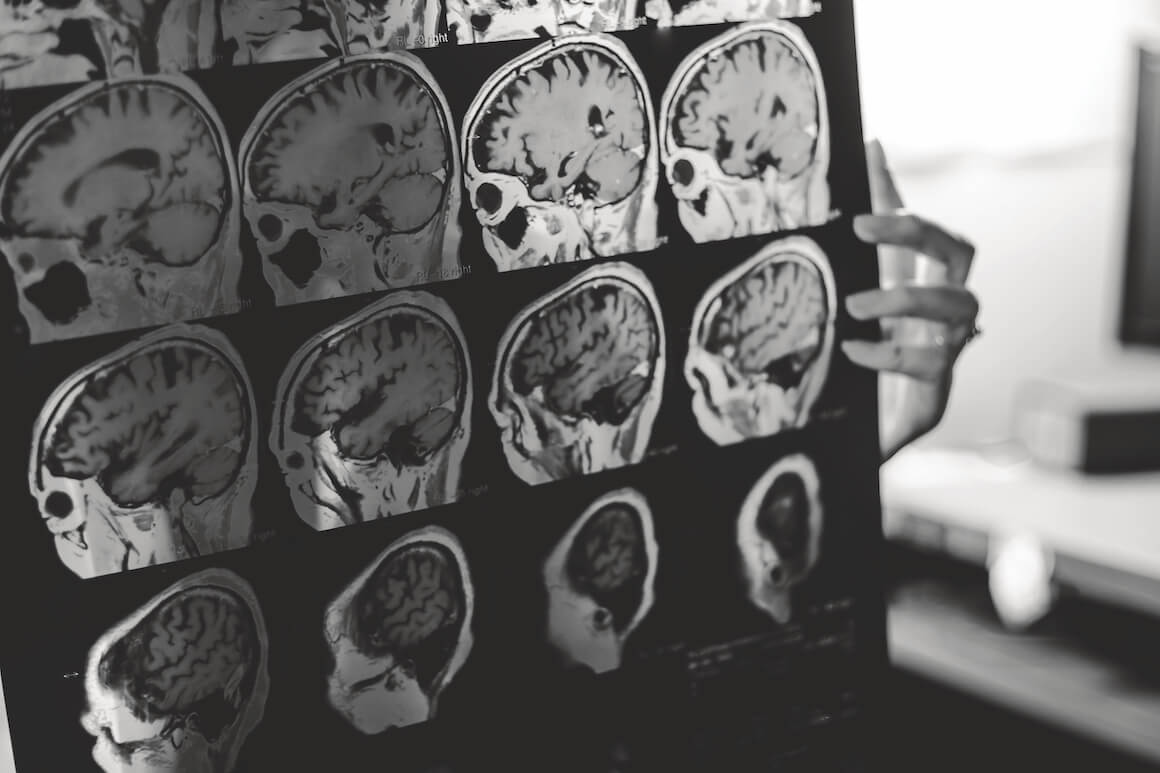
Imagine this: One day you wake up to find the steering wheel that had been on one car in your garage is now on your other car, and the parking brakes are also interchanged. According to research conducted by Professor Noam Ziv, something very similar is happening in our brains, because the parts that make up our synapses are constantly moving. This brain research, which could have implications for memory loss and aging, is just one of the many exciting projects underway in the new Technion Human Health Initiative (THHI), headed by Prof. Ziv. As the global population skews older,…

When clinical pathologists look at images of cells from a patient biopsy, they perceive things the rest of us cannot. Where we see bright pink blobs and dots of purplish blue, they can make out the hallmarks of cancerous disease. But show the same images to a computer souped up with artificial intelligence in Professor Ron Kimmel’s Geometric Image Processing Lab at the Technion, and it can discern data that is invisible even to the most highly trained human eye. The Technion is the top-ranked institution for machine learning in Europe and the Middle East. Prof. Kimmel’s group is investigating…

The rate of childhood peanut allergies from birth to 18 years old is three to four times higher compared to 20 years ago. Those with a severe allergy can be sent into anaphylaxis just by smelling the legume. This can be especially problematic for those with allergies in Israel, as the country does not have standardized regulations that require uniform labeling of allergens on food packaging. But Technion alumna Dr. Mona Kidon may have a solution to this issue. She has created an immunotherapy that permits young peanut allergy sufferers to build up immunity to peanuts until they can ultimately…

Evan Jordan can tell when you are stressed, even though he’s never met or interacted with you. An assistant professor of health and wellness design at Indiana University’s School of Public Health-Bloomington, Jordan and his team use GPS tracking to find connections between a person’s environment and their mental health. The data could be stunningly revealing. Why? Because where we are in the world and how much we move is a big indicator of our mental health. Studies suggest that if we take a lot of walks to the park, we’re statistically less likely to have anxiety and depression. If…
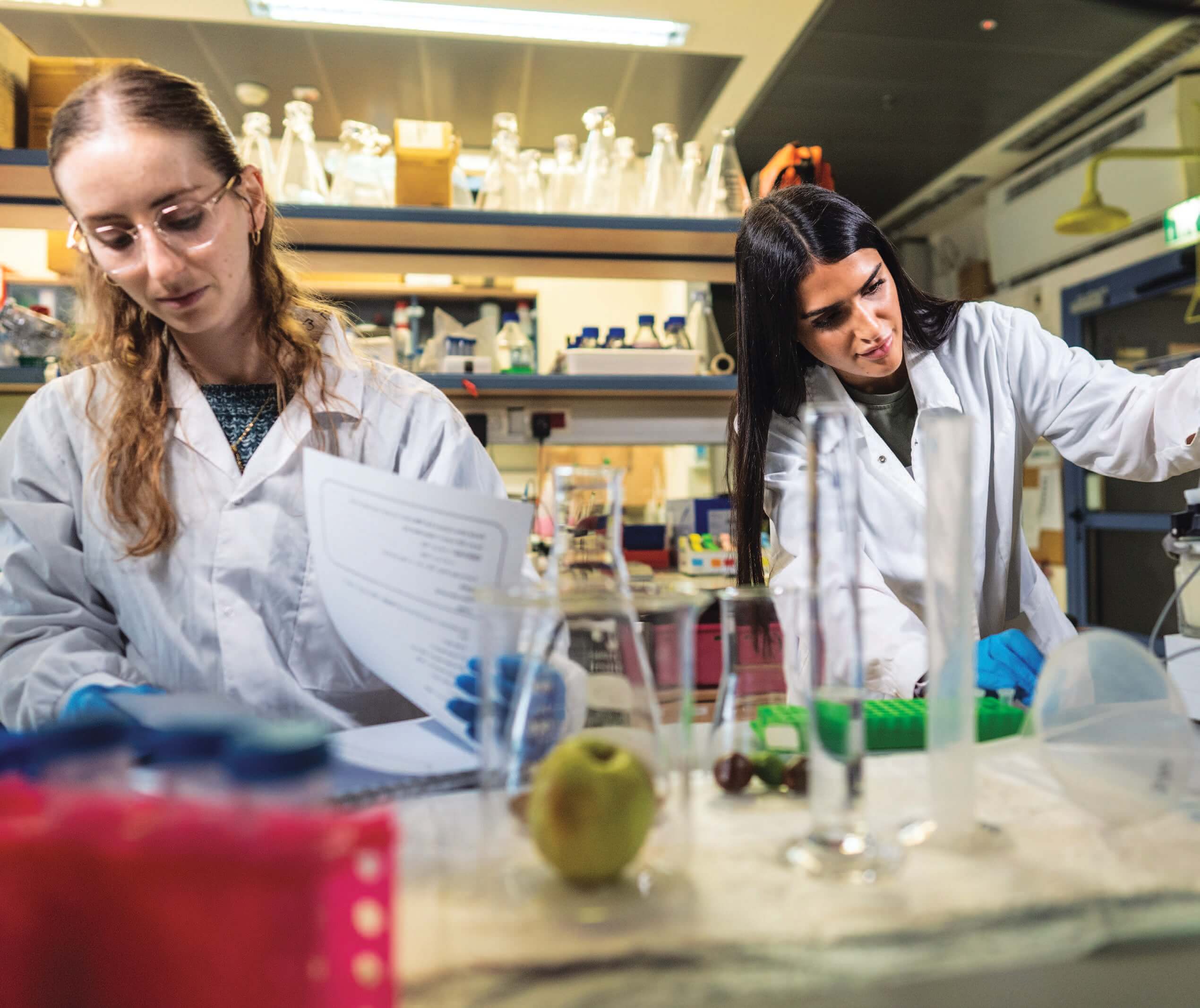
Increasing the global food supply while protecting the environment is one of the world’s most pressing challenges. Technion is heavily invested in meeting this challenge, perpetuating Israel’s dominant position in the FoodTech revolution. “Eradicating world hunger and improving food security are among the main challenges facing humanity in the 21st century, as defined by the UN’s Sustainable Development Goals,” notes Technion President Prof. Uri Sivan. “The Technion has the only faculty in Israel for research in food engineering, a faculty that leads the Israeli FoodTech industry.” The Faculty of Biotechnology and Food Engineering at the Technion is also one of…
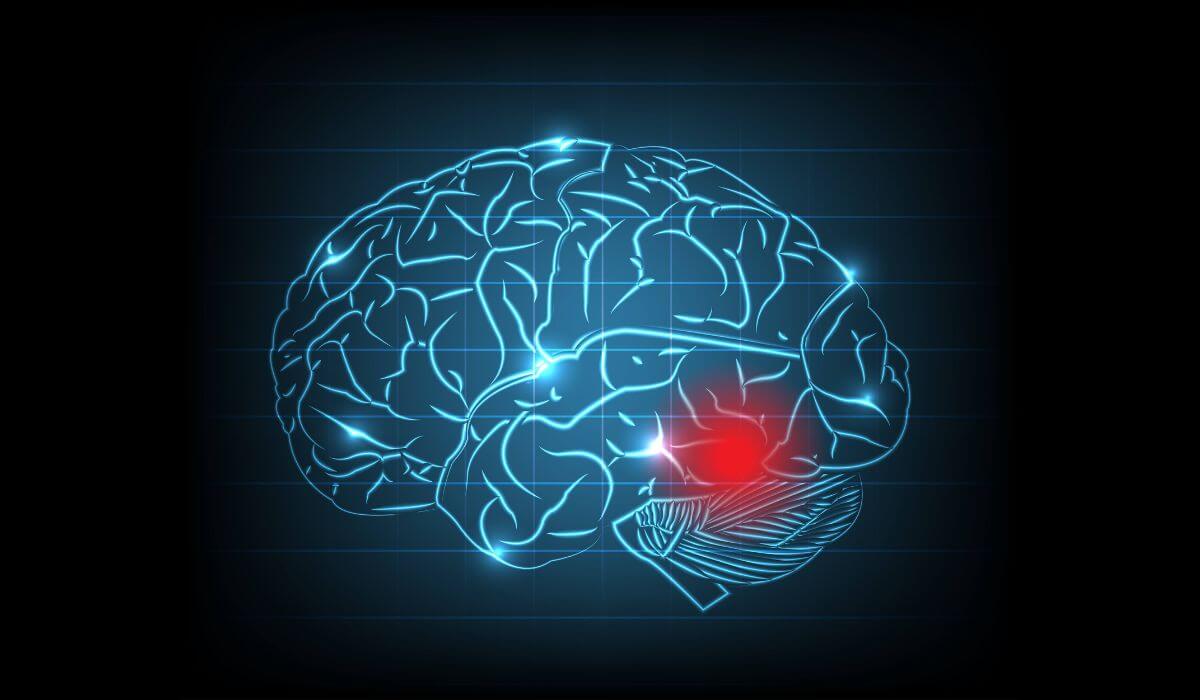
An Israeli startup has developed a wearable device that can predict the likelihood of an imminent stroke through changes in the carotid artery’s blood flow, potentially helping early intervention and preventing disablity. Strokes are most commonly caused by a clot blocking the essential supply of blood to the brain, and according to the World Health Organization are the second leading cause of death and the leading cause of disability across the globe. Over 100 million people have experienced a stroke worldwide, with one in four adults experiencing one in their lifetime. And for 50 percent of them, that means some form of…

When serial medical device inventor Dvir Keren became interested in developing a minimally invasive way to fill in bald areas caused by androgenetic alopecia — common in both men and women — he did not realize he’d be establishing a femtech company. But that’s what Hairstetics became, for the simple reason that 85 percent of women with androgenetic alopecia are not benefiting from natural hair transplantation procedures for what is called “male-pattern baldness” in men. “At the beginning, he was thinking about males,” says Hairstetics CEO Oren Ne’eman. “But when recruitment for clinical studies started, a lot of women came.” Keren learned that androgenetic alopecia in…

There are thousands of kinds of bacteria – microscopic, single-celled organisms that are among the earliest known life forms on earth and live in every possible environment all over the world. They might be airborne or found in water, plants, soil, animals and even humans, where some cause dangerous diseases such as salmonella, pneumonia, meningitis, tuberculosis, anthrax, tetanus and botulism. However, many bacteria, including the ones that comprise the human gut microbiome, do good rather than harm. Bacteria can even be turned into tiny factories that manufacture needed products. Now, researchers at the Faculty of Biotechnology and Food Engineering at…

The weight-loss market is, pun perhaps intended, huge. Recent years have seen the advancement of dieting drugs, but many of these include painful injections and a whole slew of side effects. An Israeli startup, meanwhile, enables people interested in losing a moderate amount of weight to take a pill that leaves them feeling full without drugs. “The idea was to develop a product that can be swallowed through the mouth and which opens up in the stomach to apply pressure on the stomach wall and so produce a feeling of satiety,” Epitomee CEO Dr. Dan Hashimshony tells ISRAEL21c. “That’s something that’s easy…