Something Fresh in the State of Denmark
October 06, 2026























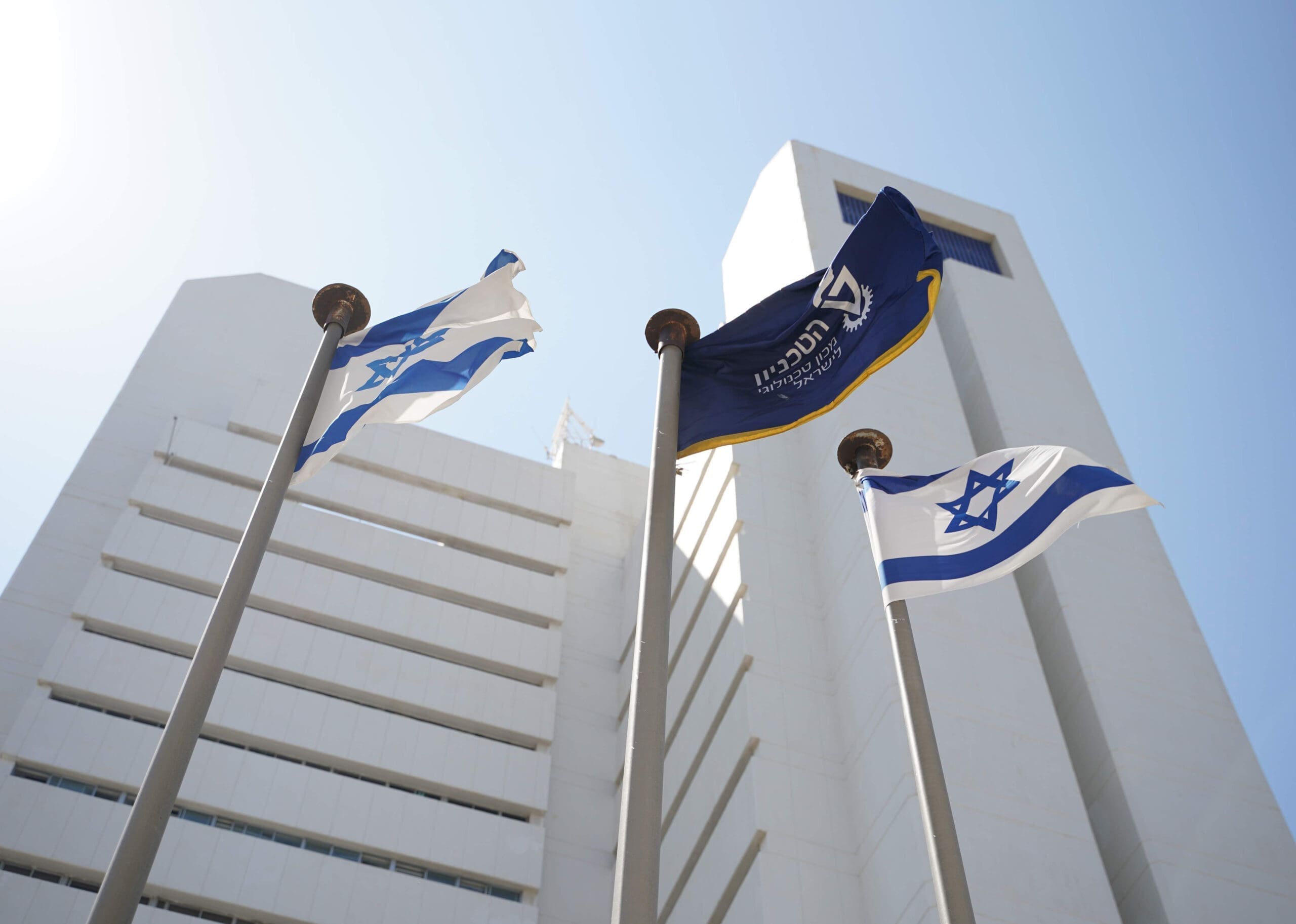








The Technion’s story has been intertwined with Israel’s for more than a century, from laying the foundations for a new nation to shaping its future.

Step inside Israeli innovation at the David and Janet Polak Visitors Center. Experience our 360° immersive movie and tech exhibition. Open to individuals and groups.
Learn More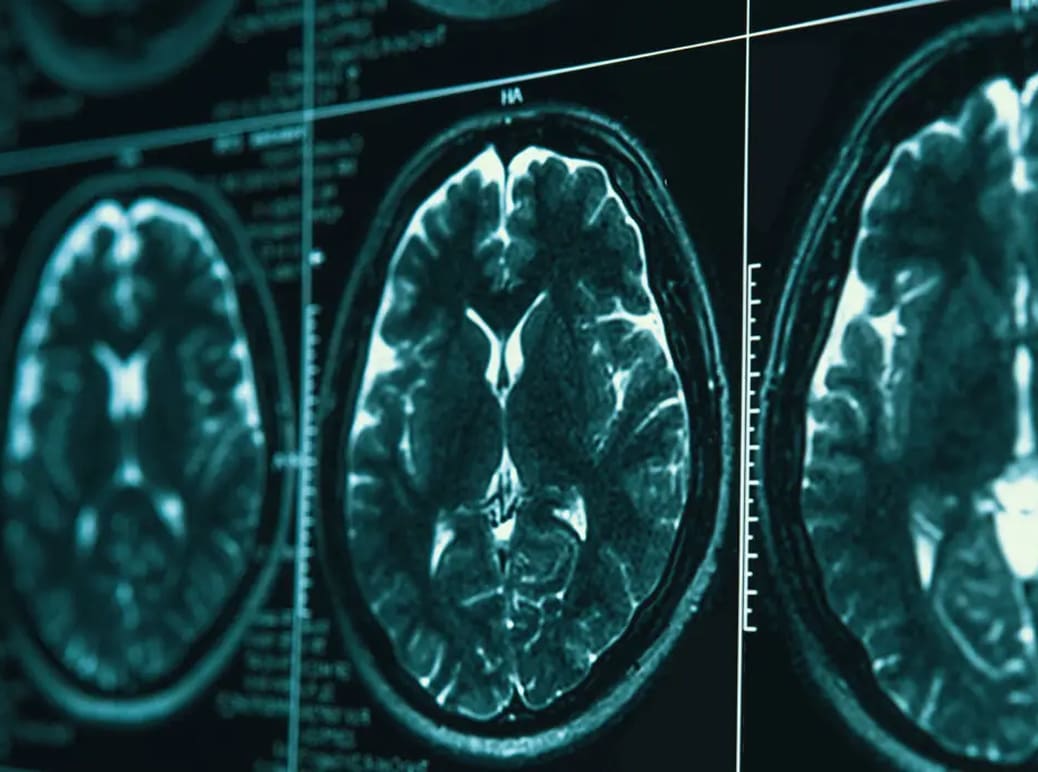

An international consortium focused on early diagnosis of schizophrenia, headed by Prof. Hossam Haick of the Technion-Israel Institute of Technology, has received a €8 million ($8.4 million) European Union grant, the Technion announces. The project, labeled VOLABIOS, “aims to develop advanced, cost-effective diagnostic tools that improve patient quality of life, reduce diagnostic errors by 30%, and optimize treatment and monitoring processes,” the press release says. The initiative involves cooperation between 20 research partners from 11 countries around Europe, including Aachen University in Germany, the University of Cambridge in the UK, the Greek Ministry of Health and the French company FIRALIS,…

Researchers at the Technion Faculty of Biology have identified potential new innovative genetic therapies for cancer and brain diseases. The findings were supported by the Israel Science Foundation (ISF), the US-Israel Binational Science Foundation (BSF), NSF-BSF Molecular and Cellular Biosciences, and the National Institutes of Health (NIH) and were published in the peer-reviewed journal Nucleic Acids Research. The study was conducted in collaboration with the research group of Professor Heather Hundley from Indiana University and was led by Ph.D student Berta Eliad, master’s student Noa Schneider, and their advisor, Associate Professor Ayelet Lamn.

This 3D-printed postmastectomy bra could be the next best breast prosthesis. Here’s how the technology works. Tal was diagnosed with stage 3 breast cancer in the fall of 2019. She underwent chemotherapy, a mastectomy, and whole breast radiation. Tal wasn’t a candidate for reconstructive surgery, because radiation thinned her skin and reduced its elasticity. Determined to move on and regain confidence, she tried her first breast prosthesis at a hospital. “It was knitted and looked like a pillow,” she says. “It made me laugh because it looked nothing like a real breast.” U·Bra was co-developed by Technion Professor Yoav Sterman.

Doctor Nir Barzilai is a professor of medicine and genetics at the Albert Einstein College of Medicine, the director of the biggest center in the world for the biology of aging, and the president of the academy of health and lifespan research. Over the course of this conversation, Doctor Barzilai talks about the centenarian studies […]

LifeCord has a strong intellectual property (IP) portfolio, including 52 patent families pending worldwide and 21 issued or allowed patents. This IP position ensures market exclusivity and gives LifeCord a significant competitive edge. You can learn more about the company below. LifeCord is pioneering innovative solutions for mitral chordal repair, addressing mitral regurgitation, which affects approximately 2% of the global population. Our flagship product is a breakthrough leaflet-preserving device that avoids puncturing the leaflet and enables future interventions, aiming to disrupt the market with a safer, superior, and primary solution for degenerative mitral regurgitation (DMR) patients. The device offers a…

Researchers at the Technion, led by Professor Nabieh Ayoub and his team, are paving the way for future cancer treatments with a new study that could change how we tackle lung cancer. The team explored a specific form of lung cancer called lung adenocarcinoma (LUAD), which is often diagnosed in its advanced stages, leaving patients with limited […]

A recent study led by researchers at Northwestern University Feinberg School of Medicine says it is now possible to predict within three days of whiplash injury, which patients will develop chronic pain, based on cross “talk” between regions of the brain and a person’s anxiety level after the injury. The findings, published in in Nature Mental Health, were from a large-scale longitudinal look at whiplash patients to identify predictors of the transition from acute to chronic pain. The research—a collaboration between the Technion – Israel Institute of Technology, Northwestern University, and the McGill University—found that the more the hippocampus, the…

Researchers at the Technion – Israel Institute of Technology have created new materials that could improve magnetic resonance imaging (MRI) technology. In turn, this could lead to advancements in disease detection and potentially reduce the need for some radiation-based diagnostic procedures. The research team used a novel methodology called MMV (matrix magnetization vehicles), which uses engineered materials to enhance the detection of metabolites, small molecules that can indicate various health conditions. The MMV method increases the magnetic resonance signal strength by about four orders of magnitude, and extends the duration of the enhanced signal to approximately 10 minutes, compared to…
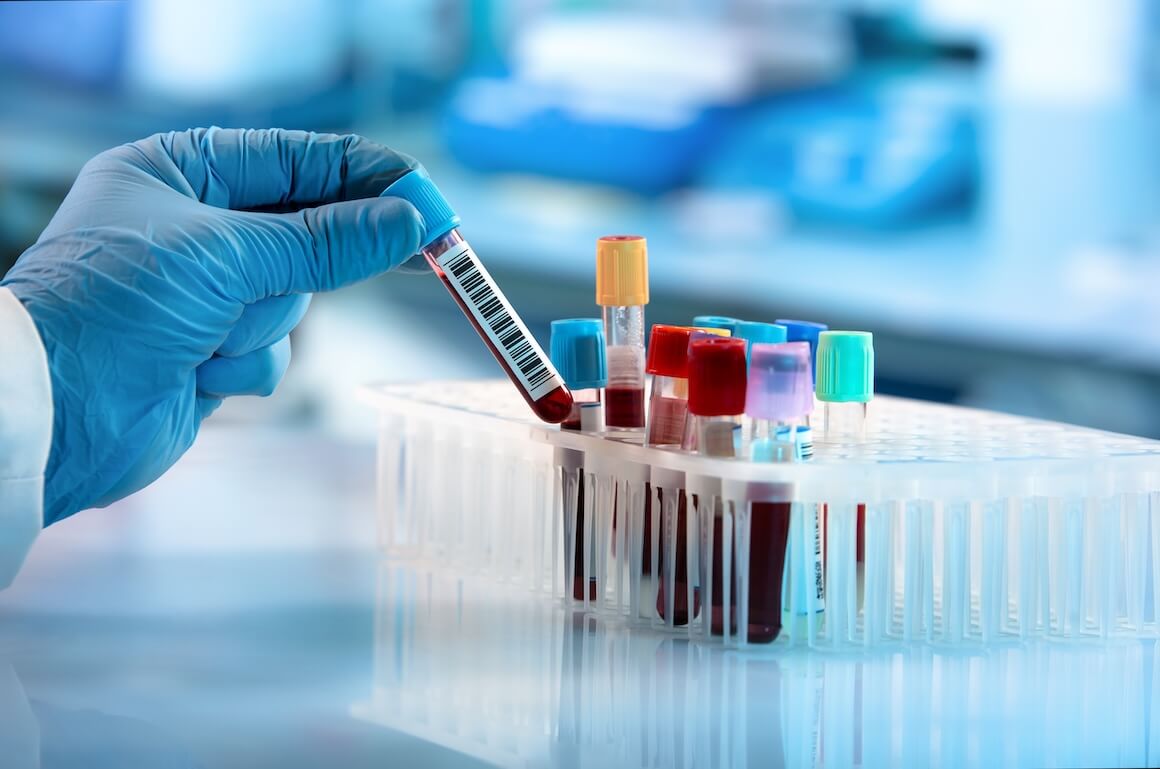
Israeli medical diagnostic company MeMed has announced the successful completion of the first randomized controlled trial in the US of its test to differentiate between bacterial and viral infections. The test could reduce the amount of use of antibiotics, which do not work on viral infections but whose prescription for them plays a part in the growing problem of antibiotic resistance in bacteria. The company says the trial of the MeMed BV test successfully demonstrates its clinical utility in promoting appropriate antibiotic use, highlighting its potential to improve patient outcomes and healthcare decision making. It also called the trial a…
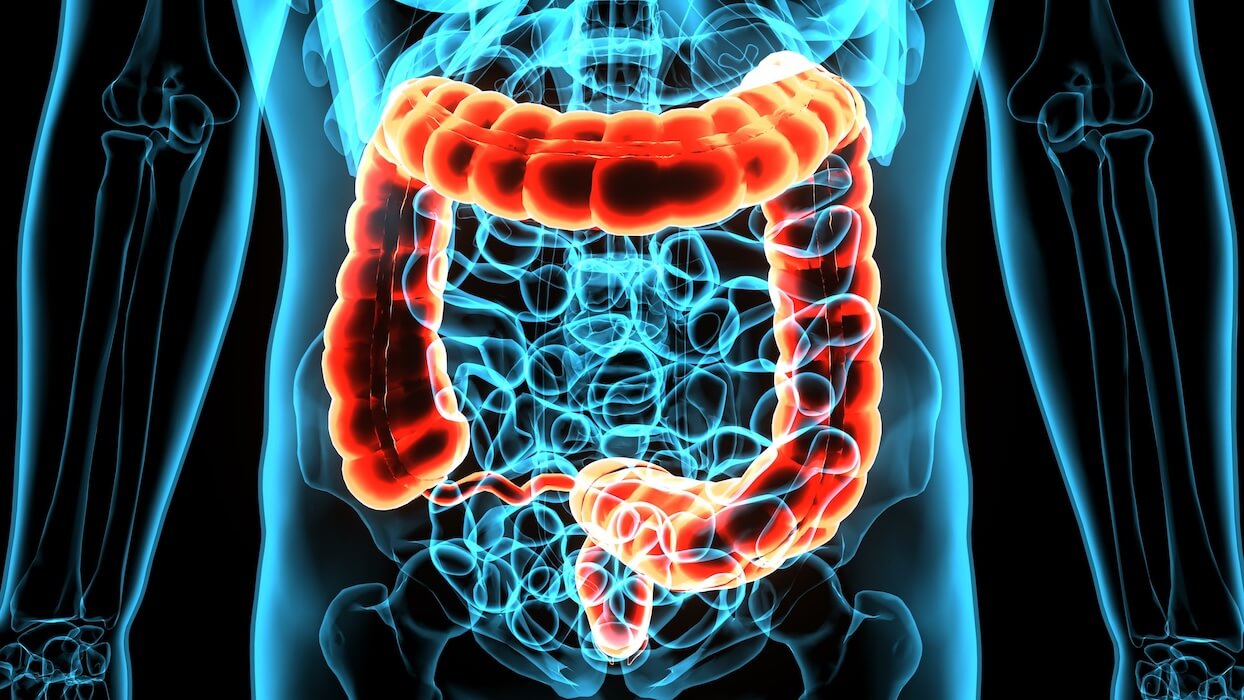
Taking race into account when developing tools to predict a patient’s risk of colorectal cancer leads to more accurate predictions when compared with race-blind algorithms, researchers find. While many medical researchers have argued that race should be removed as a factor from clinical algorithms that predict disease risks, a new study finds that, at least for colorectal cancer, including race can help correct a data issue – inaccurate recording of family history for Black patients. Having relatives with colorectal cancer is a known risk factor for the disease, but Black patients are less likely to have an accurate recorded history…

The Biomed company Epitomee’s share value spiked this month (188%) after its new weight loss pill was approved by the FDA. The pill, which inherited its company’s name will join the fierce competition between weight loss pills in the market. In complete contrast to Novo Nordisk’s Wegovy and Eli Lilly’s Mounjaro, Epitomee’s capsule does not contain any active substance. It is a sophisticated pill that, after being swallowed and arriving at its intended destination, expands and changes its shape into a rigid triangle, in response to the acidic environment. In doing so, it mimics the presence of solid food, which…
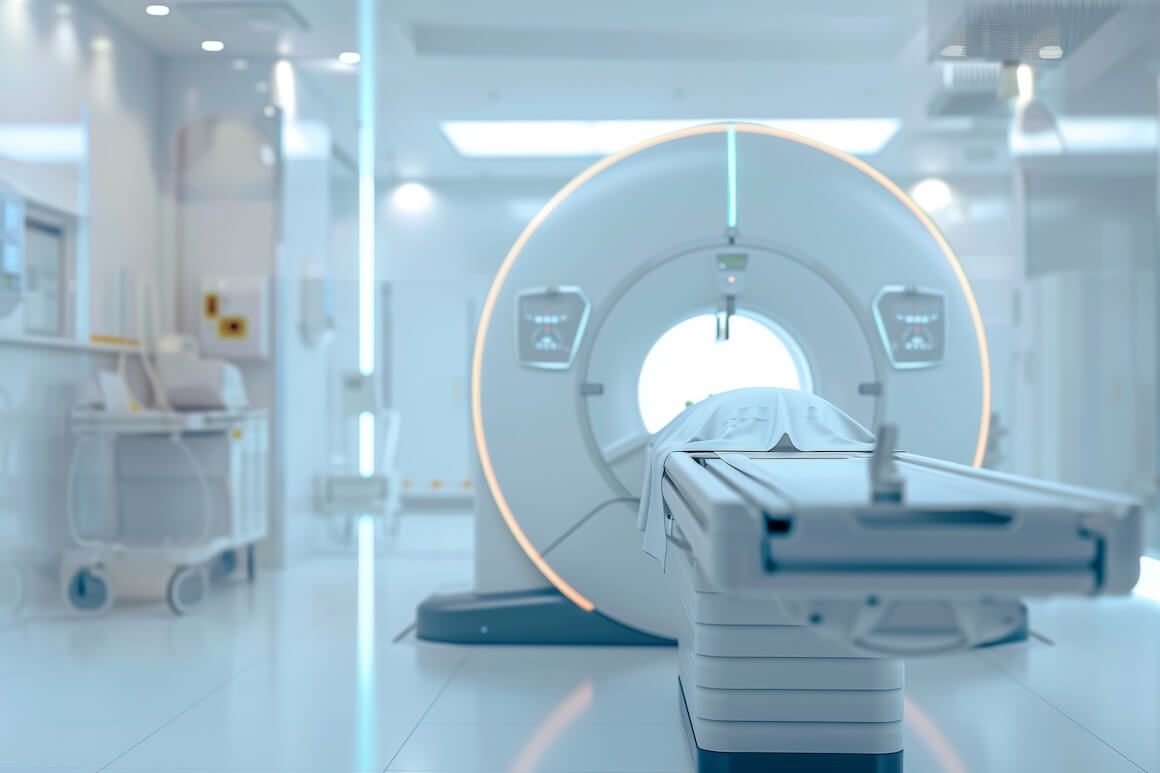
New materials developed by researchers at the Technion – Israel Institute of Technology are expected to significantly improve the performance of MRI scans, helping with early diagnosis for a range of diseases and reducing the need for some radiation-intensive tests. An MRI – or magnetic resonance imaging – is a noninvasive procedure used by clinicians to get an image of what is happening inside a person’s body, including their organs, bones and blood vessels. But one of the limitations of conventional MRI devices is that they struggle to detect metabolites – small molecules involved in the body’s chemical processes –…