Something Fresh in the State of Denmark
October 06, 2026






















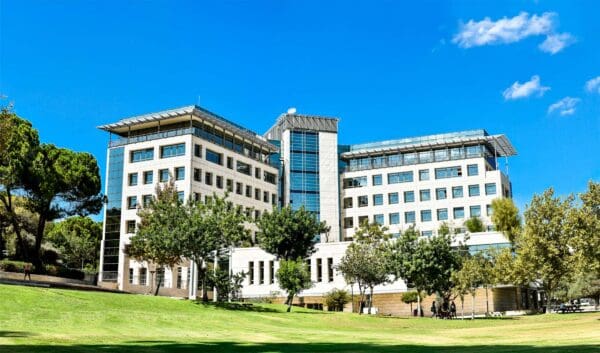




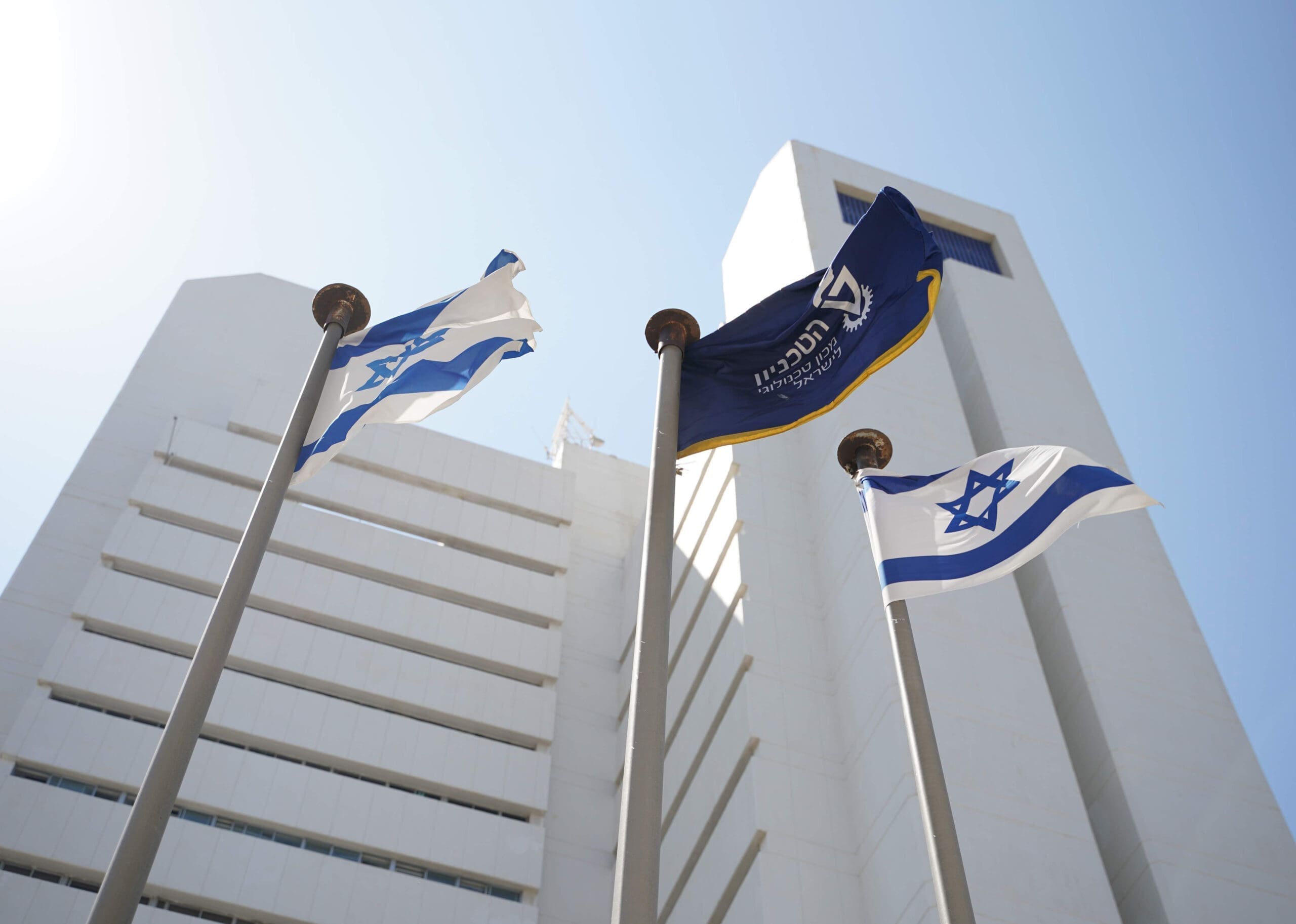






The Technion’s story has been intertwined with Israel’s for more than a century, from laying the foundations for a new nation to shaping its future.

Step inside Israeli innovation at the David and Janet Polak Visitors Center. Experience our 360° immersive movie and tech exhibition. Open to individuals and groups.
Learn More

Entrepreneur Ifat Shterenberg Toledano was 30 weeks into her fourth pregnancy when she started feeling sudden excruciating pain in her pelvis and lower back. “Basically, I became disabled,” she tells ISRAEL21c. Her horrifying medical ordeal resulted in Shterenberg Toledano establishing Treat Me, a unique platform combining Western medicine, complementary therapies and cutting-edge research. Designed for practitioners, the platform leverages research-driven data and AI to personalize each treatment, improve patient outcomes and streamline care. It incorporates all integrative care methods, from more traditional treatments such as physiotherapy, to holistic ones such as Chinese medicine, naturopathy, reflexology and more.

A new interdisciplinary study by researchers from the Ruth and Bruce Rappaport Faculty of Medicine and the Andrew and Erna Viterbi Faculty of Electrical and Computer Engineering at the Technion reveals a surprising insight: local release of dopamine—a molecule best known for its role in the brain’s reward system—is a key factor in acquiring new motor skills From writing and typing to playing a musical instrument or mastering a sport, learning movement-based tasks is one of the brain’s most complex challenges. This collaborative new study reveals how the brain reorganizes its neural networks during such skill learning and uncovers the…
AISAP, an Israeli medical startup pioneering AI-driven diagnostics, has been recognized as one of the world’s most innovative and promising companies for 2025 by Fast Company. The company secured fourth place globally in the healthcare category, a remarkable achievement that underscores the international recognition of its groundbreaking technology and its impact on the future of medicine. AISAP was founded by Adiel Am-Shalom, a former officer in Israel’s elite 8200 intelligence unit, alongside leading medical professionals: Professor Ehud Raanani, Professor Robert Klempner, and Professor Ehud Schwammenthal. The company has raised approximately $13 million in funding from investors including Harel Insurance, Shoni…

Technion scientist Assaf Zinger began wondering about breast milk when his wife, Noa, was breastfeeding their newborn daughter, Tamara, five years ago. His wife had just received the COVID vaccine, and Tamara was starting to develop symptoms of the vaccine. “I thought, ‘Hey, wait a minute, nanoparticles should degrade in the stomach,” Zinger told The Times of Israel in a teleconference call. “They should not be absorbed in the small intestine.” After two years of research, Zinger said he believes that his team of 16 scientists is the first in the world to show that breast milk proteins can be…
Nora Nseir, the founder and co-CEO of Nurami Medical, knows that the Haifa-based biomed company’s groundbreaking product may not seem particularly impressive at first glance. It looks like a plain white bandage, just 5 cm in width and length, but if everything goes according to plan, it could fundamentally change the way doctors treat brain and spinal cord injuries. The product’s ability to regenerate meningeal tissue after complex neurological surgeries sets it apart. So far, $16 million has been invested in Nurami, and the company is now completing another funding round—this time for $30 million. There is still a long…
Israeli entrepreneur and investor Shmulik Bezalel has traveled the world and donated funds for research to find a treatment for his son Itay who has low-functioning autism spectrum disorder. Itay is one of 254 million children and adults worldwide struggling with neuropsychiatric disorders without a suitable treatment. Recognizing the limited therapeutic options for neuropsychiatric disorders, Bezalel teamed up with serial entrepreneur Boaz Goldman and neuroscientist Dr. Nisim Perets, and in 2021 founded an Israeli biotech startup with the vision to generate a simulation of the brain and test the efficacy of drugs. That startup, Itay & Beyond — named after…

“Fat is flavor” is a well-known culinary principle. But nutritional research suggests consuming too much animal fat may be a factor in the development of many health conditions from dementia to male infertility to Crohn’s disease. A cutting-edge plant protein-based fat solution, Fatrix, will soon go into commercial production to help food manufacturers reduce total fat and especially saturated fat content. The product’s developer, Israeli food-tech startup Gavan Technologies, has raised $8 million in a Series A round led by MoreVC of Israel with participation from Lever VC; EIT Food, a European Union-supported platform for sustainable food innovations; and DarkBoot…
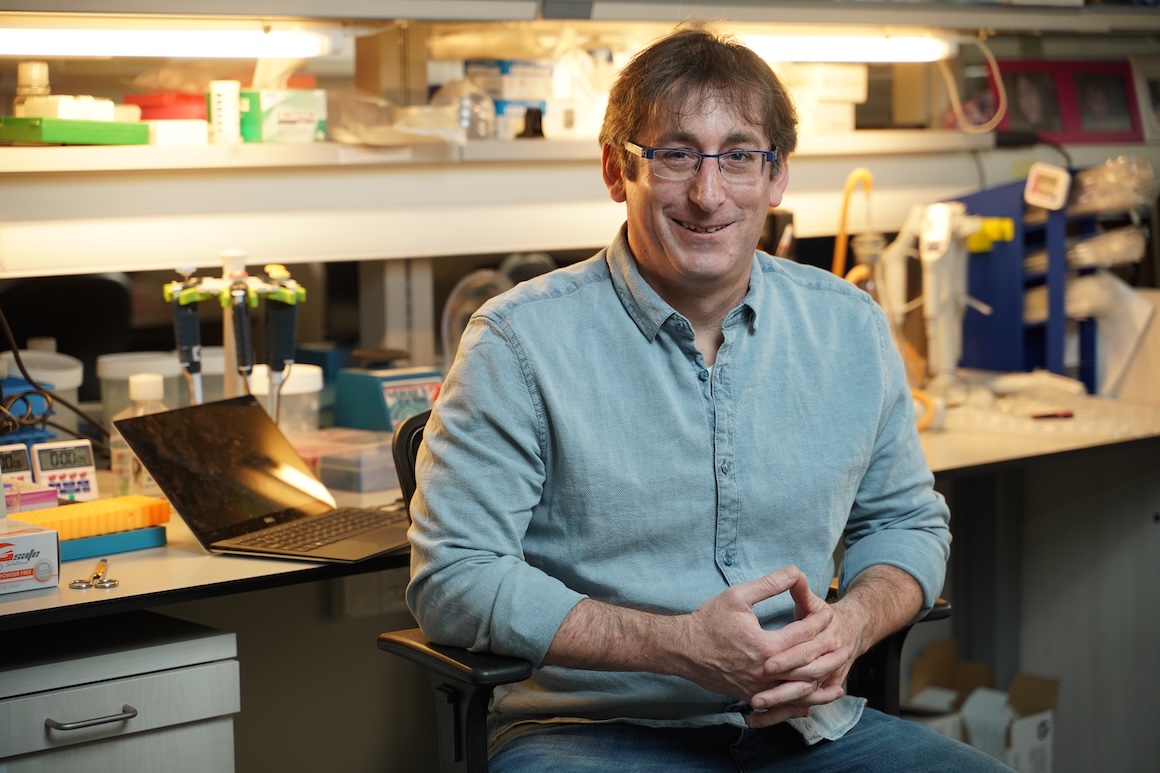
In a groundbreaking seminar presented at a National Board Meeting of the American Technion Society, Prof. Shai Shen-Orr of the Ruth and Bruce Rappaport Faculty of Medicine showcased his lab’s trailblazing efforts in harnessing computational tools and innovative methodologies to redefine our understanding of the immune system. A leading immunologist and director of the Zimin […]

Iftach Chaplin, who is pursuing a Master of Science in Medicine in the Ruth and Bruce Rappaport Faculty of Medicine, understands the cultures in both the United States and Israel. He was born on a kibbutz in Israel, where he spent the first 12 years of his life. At the age of 12, his father’s […]
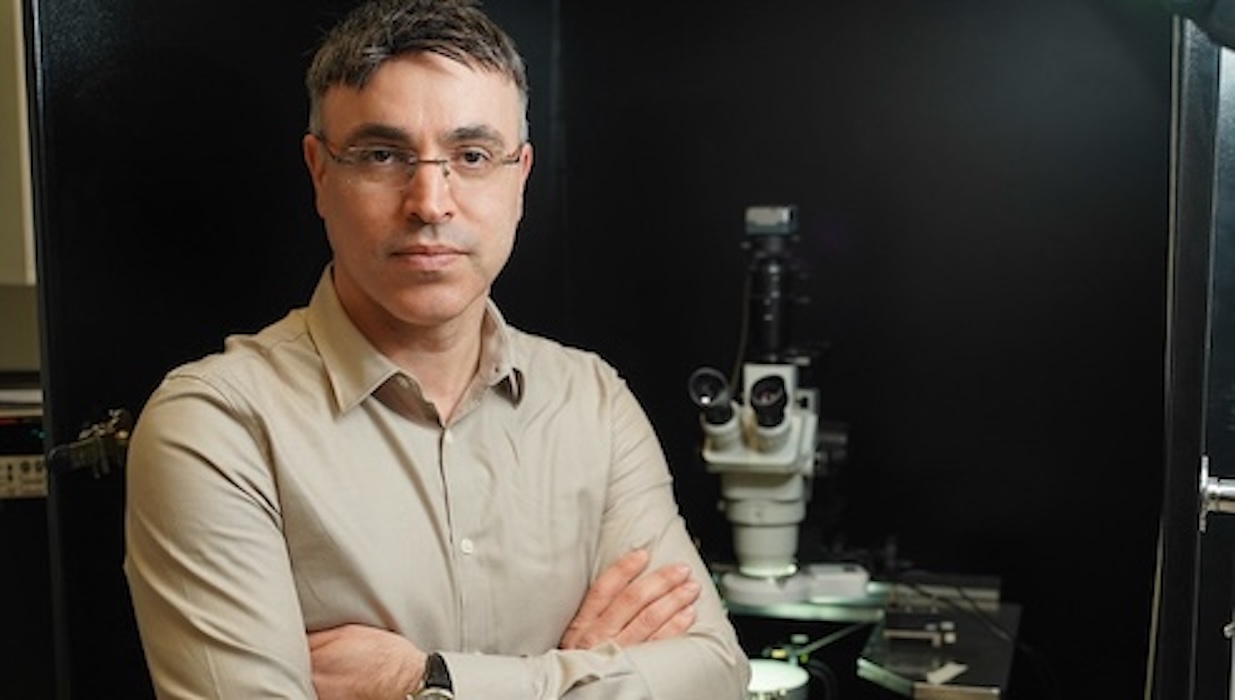
The next century will see a global health revolution driven by ubiquitous access to advanced noninvasive diagnostic tools that enable real-time monitoring and early detection of diseases for billions of people across the globe. Nanorobots could revolutionize medicine and surgery by traversing the human body to conduct repairs and administer targeted treatments. Detecting Disease Before […]
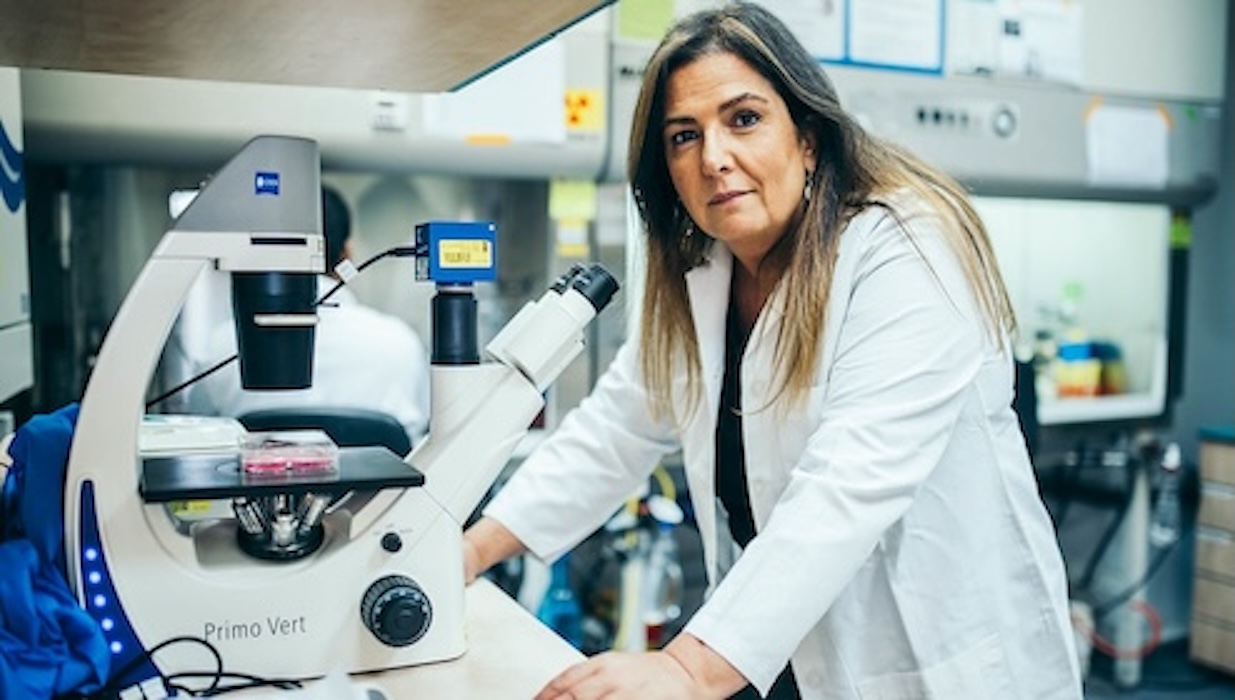
In the next 100 years — and even in the next three to four years — there will be a huge advance in what we call alternative proteins. Rethinking What We Eat Instead of what we see in science fiction, where we’re flying into space and eating a bunch of pills, I think we will […]
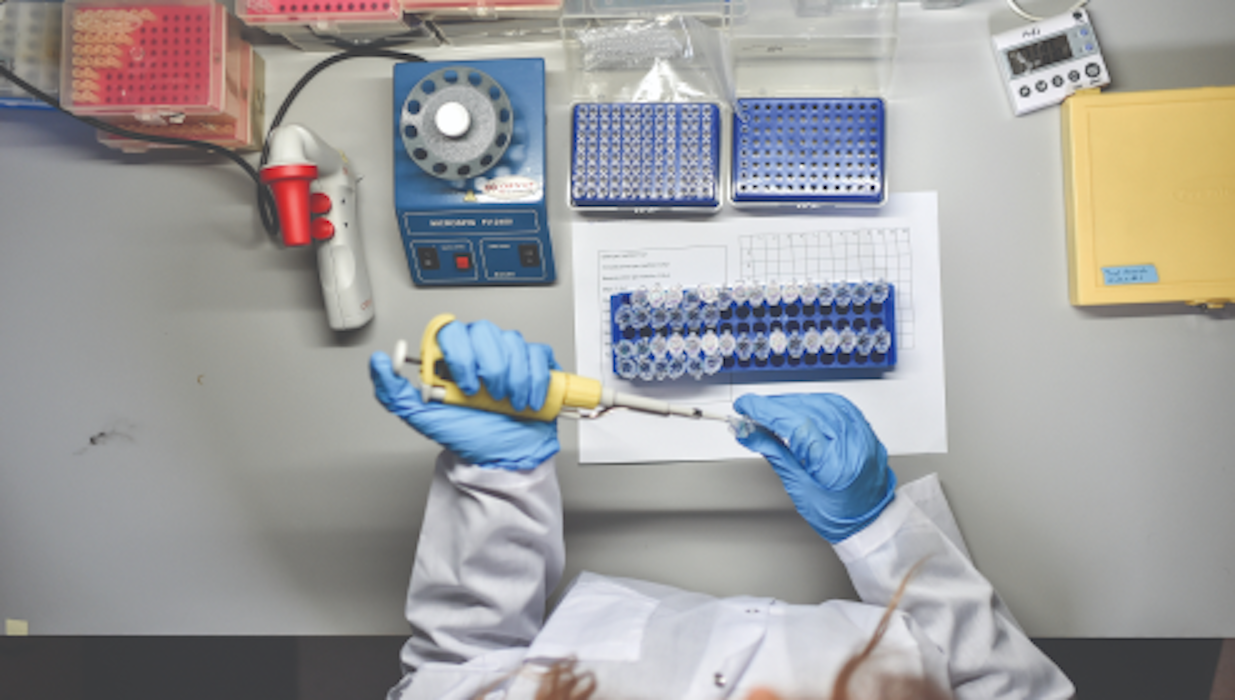
The next 100 years in my field of bio-inspired engineering will be focused on early detection of cancer and neurodegenerative diseases. Right now, we might have the ability to treat cancer and we might have the ability to reduce the side effects — but can we detect it early, before it causes any harmful symptoms […]