Video

Why the Perfect Pitch is Your Biggest Mistake

September 23, 2026
Go
Video

When the Newsroom Meets the Algorithm

September 18, 2026
Go
disease detection
Article

A Breathalyzer Test for Cancer?

September 17, 2026
Go
Podcast

Everything In-House

August 11, 2026
Go
disease detection
Article

A Breathalyzer Test for Cancer?

September 17, 2026
Go
artificial intelligence health care
Article

Europe Is Betting on Technion Innovation

September 04, 2026
Go
Chatbot | American Technion Society | Donate to Israel
In The News

Can AI Chatbots Support Mental Health?

August 07, 2026
Go
Cancer Research | American Technion Society | Donate to Israel
In The News

Advancing Cancer Research Through Discovery

August 04, 2026
Go
AI in education
Article

Rethinking Education in the Age of AI 

September 25, 2026
Go
artificial intelligence health care
Article

Europe Is Betting on Technion Innovation

September 04, 2026
Go
Tree Canopy | American Technion Society | Donate to Israel
In The News

Cornell Tech’s Tree Canopy Project Builds a Cooler New York City

August 11, 2026
Go
Wildfire detection | American Technion Society | Donate to Israel
In The News

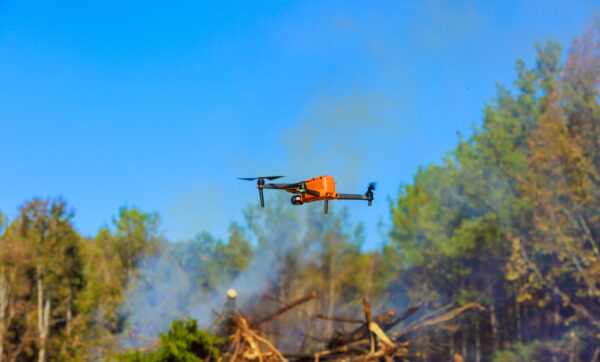
Wildfire Detection Takes Flight With AI-Powered Drones

August 04, 2026
Go
strength in every step | American Technion Society | Donate to Israel
Article

Strength in Every Step: Recovery, Resilience, and a Walk to Remember

August 21, 2026
Go
Student Resilience | American Technion Society | Donate to Israel
Article

Never Too Late for a New Challenge

August 17, 2026
Go
coexistence | American Technion Society | Donate to Israel
In The News

The Technion’s Model of Coexistence

August 07, 2026
Go
Sirens | American Technion Society | Donate to Israel
Article

When the Sirens Sound

August 07, 2026
Go
Reuven Aronashvili
Video

From a Poor Town to Leading Paradigms in Cyber

September 25, 2026
Go
earthquake rescue | American Technion Society | Donate to Israel
In The News

Israeli Drones Aid Earthquake Rescue Efforts in Venezuela

July 08, 2026
Go
No GPS or Communication Drones flying in the background as a soldier's shadowy silhouette fills the foreground
Video

When GPS Fails, This Drone Keeps Going

June 10, 2026
Go
Article

Technion Innovations: Safeguarding Israel and the World

May 28, 2026
Go
Article

Seeds of a New Community

September 08, 2026
Go
Tree Canopy | American Technion Society | Donate to Israel
In The News

Cornell Tech’s Tree Canopy Project Builds a Cooler New York City

August 11, 2026
Go
Wildfire detection | American Technion Society | Donate to Israel
In The News

Wildfire Detection Takes Flight With AI-Powered Drones

August 04, 2026
Go
Energy Tower | American Technion Society | Donate to Israel
In The News

The Energy Tower: A Vision Ahead of Its Time Finds New Life

July 08, 2026
Go
AI in education
Article

Rethinking Education in the Age of AI 

September 25, 2026
Go
Podcast

Predictions from The Himalayas

September 17, 2026
Go
Student Resilience | American Technion Society | Donate to Israel
Article

Never Too Late for a New Challenge

August 17, 2026
Go
Video

Technion: The Vision to Do Good

August 17, 2026
Go
Video

Technion: The Vision to Do Good

August 17, 2026
Go
From left: Dr. Martin Rosman; Grace Druan Rosman; Technion President Prof. Uri Sivan; and Dr. Rafi Aviram, executive vice president and director general of the Technion, at the cornerstone ceremony for the Martin and Grace Druan Rosman High-Performance Computer Data Center building. | American Technion Society | Donate to Israel
Article

A Vision Built Around Students

June 29, 2026
Go
1912 - Today | Technion flag with Israeli flag | Donate to Israel | Technion University
Video

1912 to Today: The Institution That Helped Build Israel

June 10, 2026
Go
Article

Doing Well by Doing Good

May 23, 2026
Go

Watch, Read & Listen

Explore stories, news, insights, and data across articles, videos, and podcasts.

view all content types
AI in education
Article

Rethinking Education in the Age of AI 

September 25, 2026
Go
disease detection
Article

A Breathalyzer Test for Cancer?

September 17, 2026
Go
Article

Seeds of a New Community

September 08, 2026
Go
artificial intelligence health care
Article

Europe Is Betting on Technion Innovation

September 04, 2026
Go
Reuven Aronashvili
Video

From a Poor Town to Leading Paradigms in Cyber

September 25, 2026
Go
Video

Why the Perfect Pitch is Your Biggest Mistake

September 23, 2026
Go
Video

When the Newsroom Meets the Algorithm

September 18, 2026
Go
Video

Technion: The Vision to Do Good

August 17, 2026
Go
Podcast

Predictions from The Himalayas

September 17, 2026
Go
Podcast

Everything In-House

August 11, 2026
Go
the heart | American Technion Society | Donate to Israel
Podcast

The Heart Will Go On

July 15, 2026
Go
Or Yochanan | American Technion Society | Donate to israel
Podcast

Reinventing the American Dream in Austin

June 10, 2026
Go
In The News

Can Decart Put Israel on the AI Map?

September 18, 2026
Go
Tree Canopy | American Technion Society | Donate to Israel
In The News

Cornell Tech’s Tree Canopy Project Builds a Cooler New York City

August 11, 2026
Go
coexistence | American Technion Society | Donate to Israel
In The News

The Technion’s Model of Coexistence

August 07, 2026
Go
Chatbot | American Technion Society | Donate to Israel
In The News

Can AI Chatbots Support Mental Health?

August 07, 2026
Go
25 %

of the student body are Arab Israeli

3

locations

# 11

in Europe and #21 in the world for aerospace engineering*

The Technion’s story has been intertwined with Israel’s for more than a century, from laying the foundations for a new nation to shaping its future.

About ATS

ATS is a community of supporters, innovators, and champions of possibility united by one mission: transforming Israel and the world through science and discovery.

Learn More

About the Technion

For more than 100 years, the Technion has been Israel's technological engine and leading driver of innovation, technology, and entrepreneurship, transforming ideas into impact.

Learn More

Are You a Morning Lark or a Night Owl?

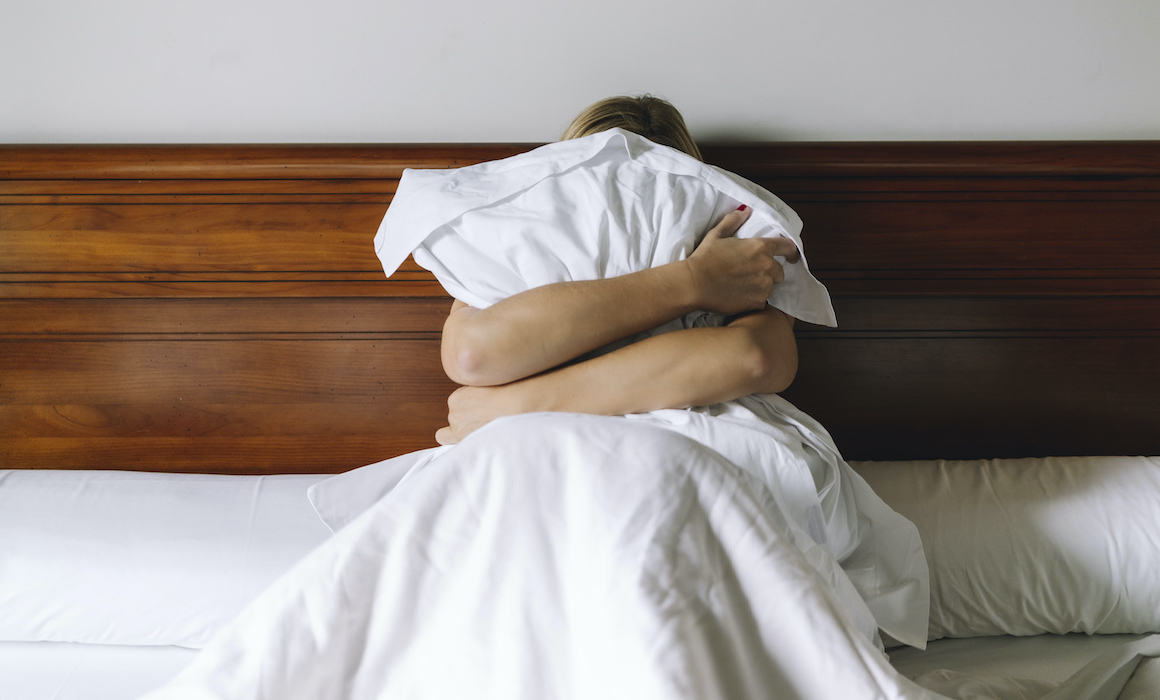
not a morning person trying to wake up in bed with white pillow and white duvet over face and wooden headboard | Donate to Support Israel | Technion University
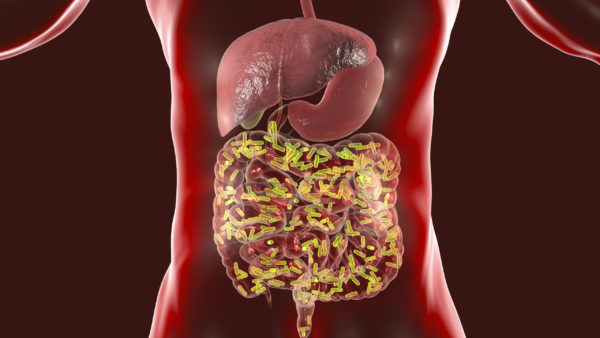
Are you a morning lark or a night owl? Whether you’re a “morning person” or a “night person” may have something to do with your gut bacteria. A collaborative research project between the University of Haifa and the Technion has found that “morning people” and “night people” differ from each other in their gut microbiome – the bacterial populations that inhabit our digestive tract. The study was conducted in collaboration between researchers and a number of research groups at the two universities: Assistant Professor Naama Geva-Zatorsky, head of the Microbiome Research Lab of the Rappaport Faculty of Medicine at the Technion, and her Ph.D. student Shaqed Carasso; Associate Professor Eran Tauber, head of the Biological Clock Lab in the Department of Evolutionary and Environmental Biology at the University of Haifa, and his lab manager Dr Bettina Fishman; and Professor Tamar Shochat and research student Liel Stelmach Lask, of the Cheryl Spencer Department of Nursing at the University of Haifa. The challenge was to examine differences in gut microbiome composition between early risers and night people. “This is the first time that a connection has been found between people’s gut microbiome, eating behavior and sleep patterns,” said Prof. Tauber. “These discoveries are likely to pave the way to change these patterns by altering one’s diet.” Every person falls into one of three chronotypes: “larks,” who are morning people who get up early and are at their best in the morning; “owls,” who are night people who go to bed late and have a hard time functioning in the morning; and the intermediate group, which is made up of most of the population. Studies conducted in recent years found significant differences between the different chronotypes – physiological, cognitive, and in the structure of their personality.

Initial evidence from Prof. Tauber’s lab suggests that changes in gut microbiome composition may affect chronotype identity, prompting the collaboration between the Technion and the University of Haifa. The researchers recruited volunteers from across Israel, who sent in stool samples and reported on their sleep patterns and eating behaviors. The researchers characterized the composition of the gut flora of 91 volunteers belonging to the three chronotypes (morning people, night people, and intermediate types) through DNA sequencing of the samples.

Among “larks,” the researchers found a higher percentage of the bacterial genus Alistipes, whereas among “owls,” the bacteria belonging to the Lachnospira genus were higher. Lachnospira bacteria produce butyrate, a short-chain fatty acid that is a source of signals related to sleep and wakefulness.

When the researchers reviewed the daily diets of the subjects through questionnaires, they found additional significant differences between morning larks and night owls: morning people eat far more fruits and vegetables, drink mainly water, and do not eat complex carbohydrate. Night people, though, were found to eat a high-fat diet with a lot of meat and fewer fruits, and drink beverages containing large amounts of sugar.

“Studies at our lab and other labs active in this sphere, show that our gut microbiome composition and our health are closely connected,” said Prof. Geva-Zatorsky. “Moreover, our eating behaviors, diet, and habits can affect our gut microbiome composition. The present research focuses on healthy people and paves the way to characterizing not only how bacteria vary between different chronotypes, but also to an understanding of how gut bacteria are affected by our habits and how they might affect us. It is important to note that causality was not yet proven, and this shall be the focus of our next study.”

Indeed, according to the researchers, it is still too early to determine whether the difference in microbiome composition influences the attribution to the different chronotypes or is influenced by it, or if the causality at play here is more complex. That said, the fact that for the first time a connection of this kind has been found opens up opportunities for an examination of the subject.

“The customary daily routine in Western society today often makes things tough for night owls,” said Prof. Tauber. “They go to bed late and have to get up relatively early to go about their daily duties, so they often suffer from a lack of sleep. We also know that many night people suffer from problems like depression, diabetes and obesity. We hope that if we can change the bacterial populations that inhabit our digestive tract, for example, by making changes in our diet and eating habits, we might be able to influence the sleep patterns of owls and improve their quality of life.”
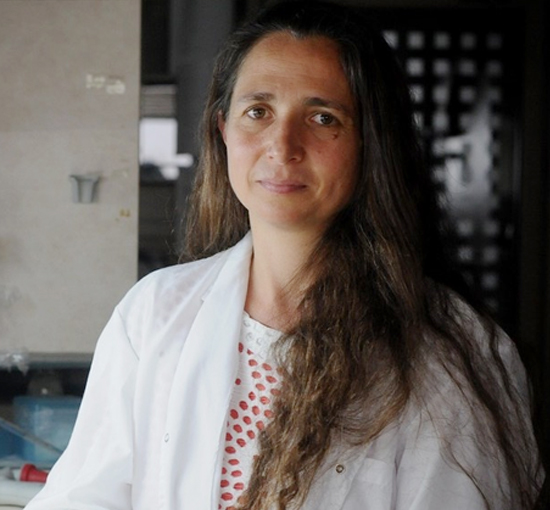
More About Naama Geva-Zatorsky

Assistant Professor Naama Geva-Zatorsky heads a lab in the Technion Integrated Cancer Center at the Ruth and Bruce Rappaport Faculty of Medicine. She is also affiliated with the Russell Berrie Nanotechnology Institute at the Technion.

Related Stories

disease detection
Article

A Breathalyzer Test for Cancer?

September 17, 2026

What if diagnosing cancer, Parkinson’s disease, or other serious illnesses could be as simple as breathing into a handheld device? That possibility is moving closer to reality thanks to the work of the Technion’s Prof. Hossam Haick, whose groundbreaking research is changing how diseases are detected around the world. In recognition of his extraordinary achievements, […]

Go
artificial intelligence health care
Article

Europe Is Betting on Technion Innovation

September 04, 2026

Every year, the European Research Council (ERC) identifies some of the world’s most promising early-career researchers and gives them the freedom to pursue bold ideas. This year, two of those ideas came from the Technion – Israel Institute of Technology. From cancer research to artificial intelligence (AI), breakthroughs that shape the future often begin with […]

Go
Chatbot | American Technion Society | Donate to Israel
In The News

Can AI Chatbots Support Mental Health?

August 07, 2026

As more people turn to AI chatbots for companionship, life advice, or even as a stand-in for therapy, experts say the technology offers both new opportunities and risks when it comes to mental health. Prof. Tanzeem Choudhury is the chief of health innovation in the Joan & Irwin Jacobs Technion-Cornell Institute and has been studying AI and mental health for 15 years. She said AI tools are available any time, often at low cost, making it easier for people to access some form of mental health support.

Go

Love Israel and Science? 

Stay on top of the latest breaking scientific discoveries from Israel and the Technion. Subscribe to the ATS newsletter.

Secret Link