How Cultivated Meat Went From the Lab to the Plate
October 05, 2026

















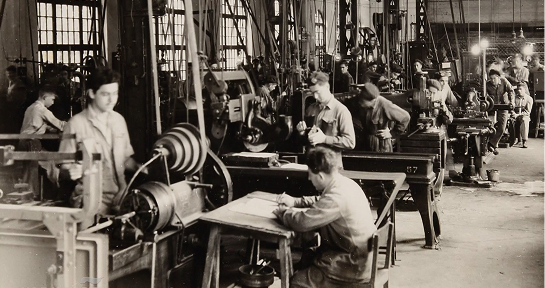
The Technion’s story has been intertwined with Israel’s for more than a century, from laying the foundations for a new nation to shaping its future.

Step inside Israeli innovation at the David and Janet Polak Visitors Center. Experience our 360° immersive movie and tech exhibition. Open to individuals and groups.
Learn More
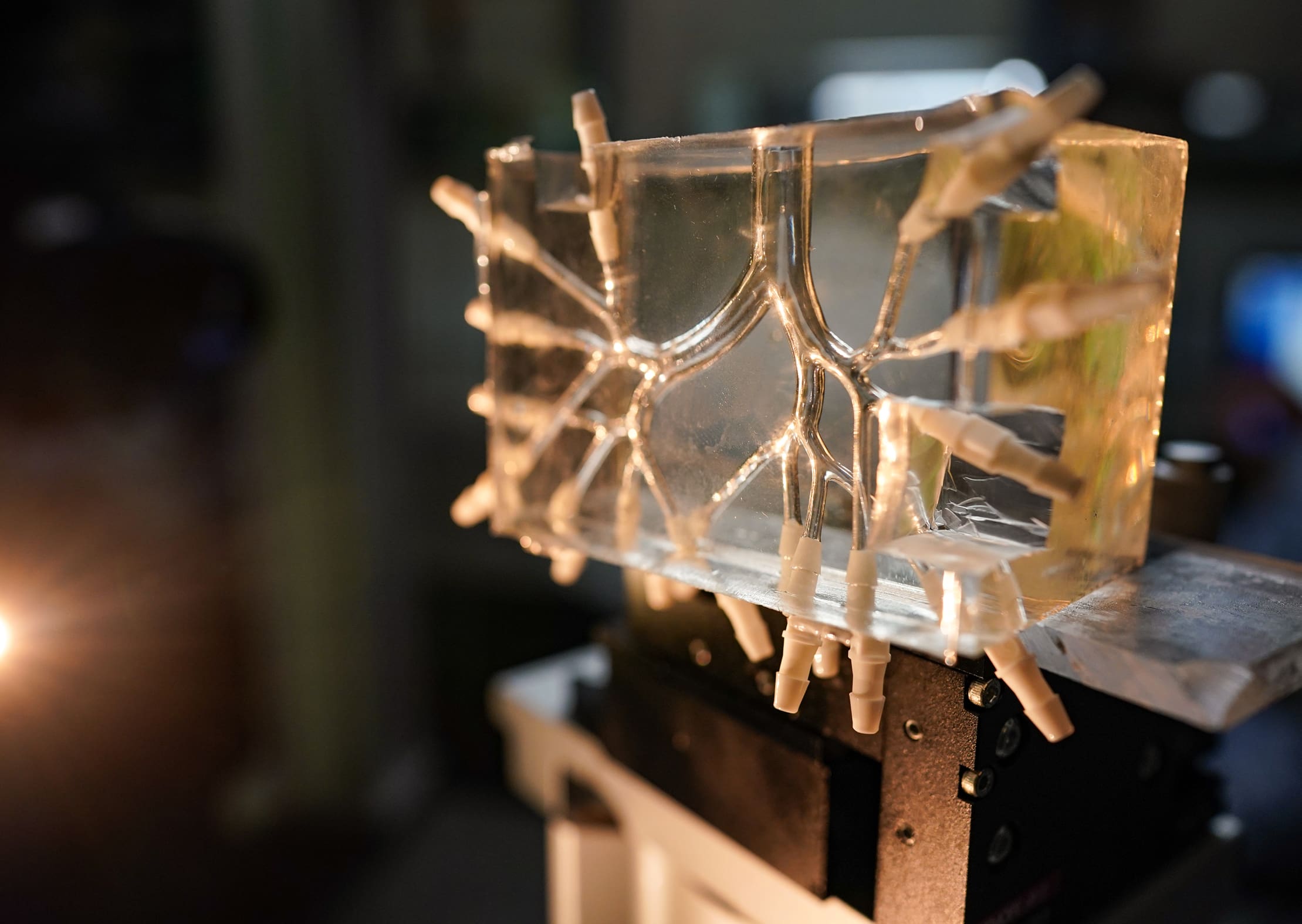
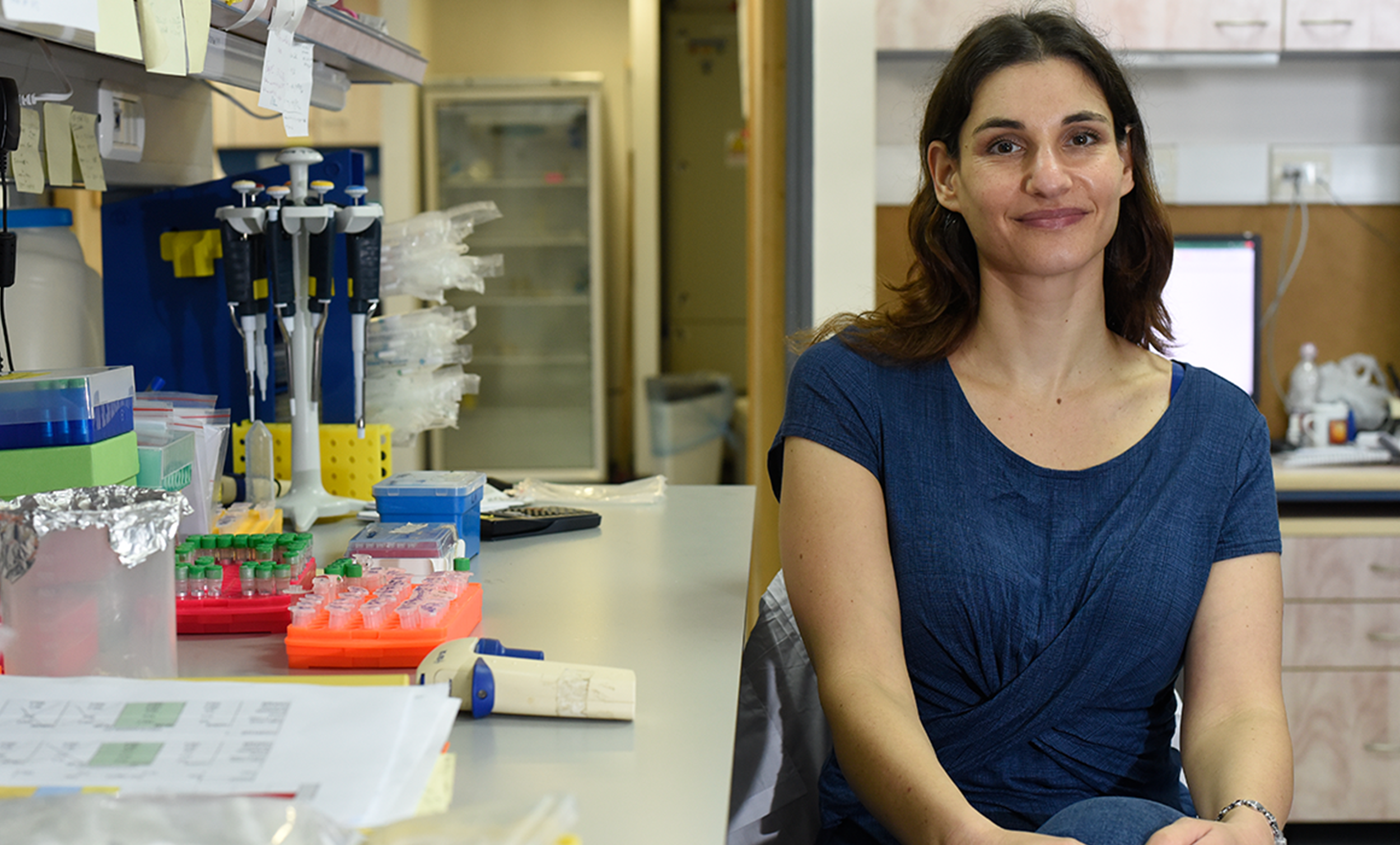
Antibiotics remain a powerful weapon against bacteria, but their overuse has led to the spread of dangerous antibiotic-resistant strains. Nearly 3 million antibiotic-resistant infections occur each year in the U.S., resulting in 35,000 deaths. Technion researchers are developing new methods to fight bacteria without encouraging antibiotic resistance. A team led by Associate Professor Meytal Landau has discovered a novel way to combat bacteria like Salmonella by inhibiting the formation of biofilms, bacterial colonies that can cling to surfaces like drain pipes and hospital equipment. Her team has identified compounds that disrupt the web of secreted proteins that knit these biofilms…
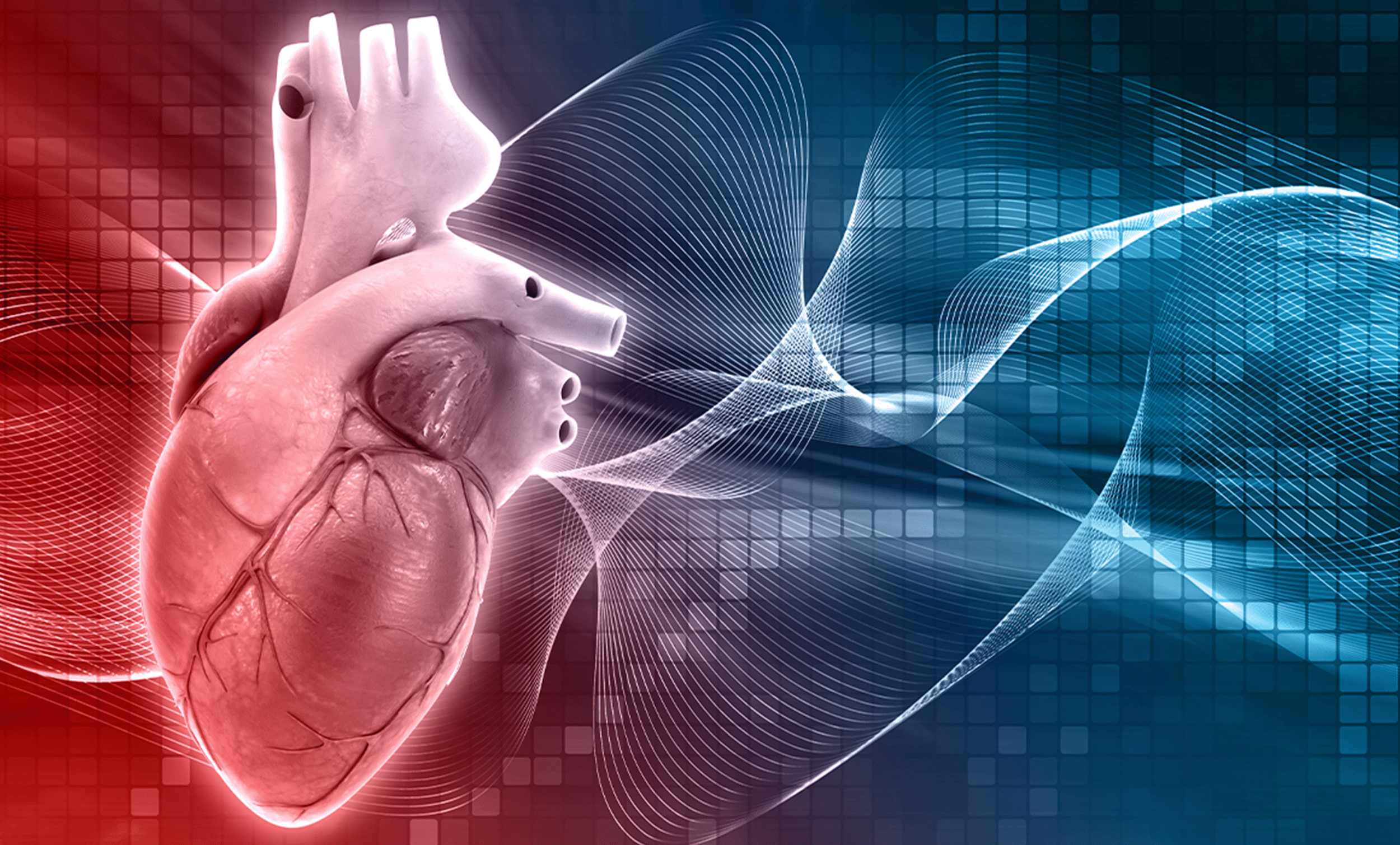
Scientists have known that chemotherapy can damage the heart muscle. But what about the reverse — can heart disease impact cancer? A research team led by Professors Ami Aronheim and Yuval Shaked of the Rappaport Faculty of Medicine at the Technion, with colleagues from Carmel Hospital, have found that early changes in the size, shape, or function of the heart caused by heart disease or injury, collectively known as cardiac remodeling, promotes cancer progression. The study, published in Circulation, demonstrates that catching and treating heart disease early on in cancer patients might help cardio-oncologists slow tumor progression and improve cancer…

Technion Webinar Should we consume more protein and antioxidants? Are processed foods always bad? Hear Professors Uri Lesmes and Avi Shpigelman from the Technion Faculty of Biotechnology and Food Engineering discuss nutritional misconceptions and the use of technology to improve diets, boost health, and lower negative environmental impact. Technion scientists are experimenting with emerging food […]
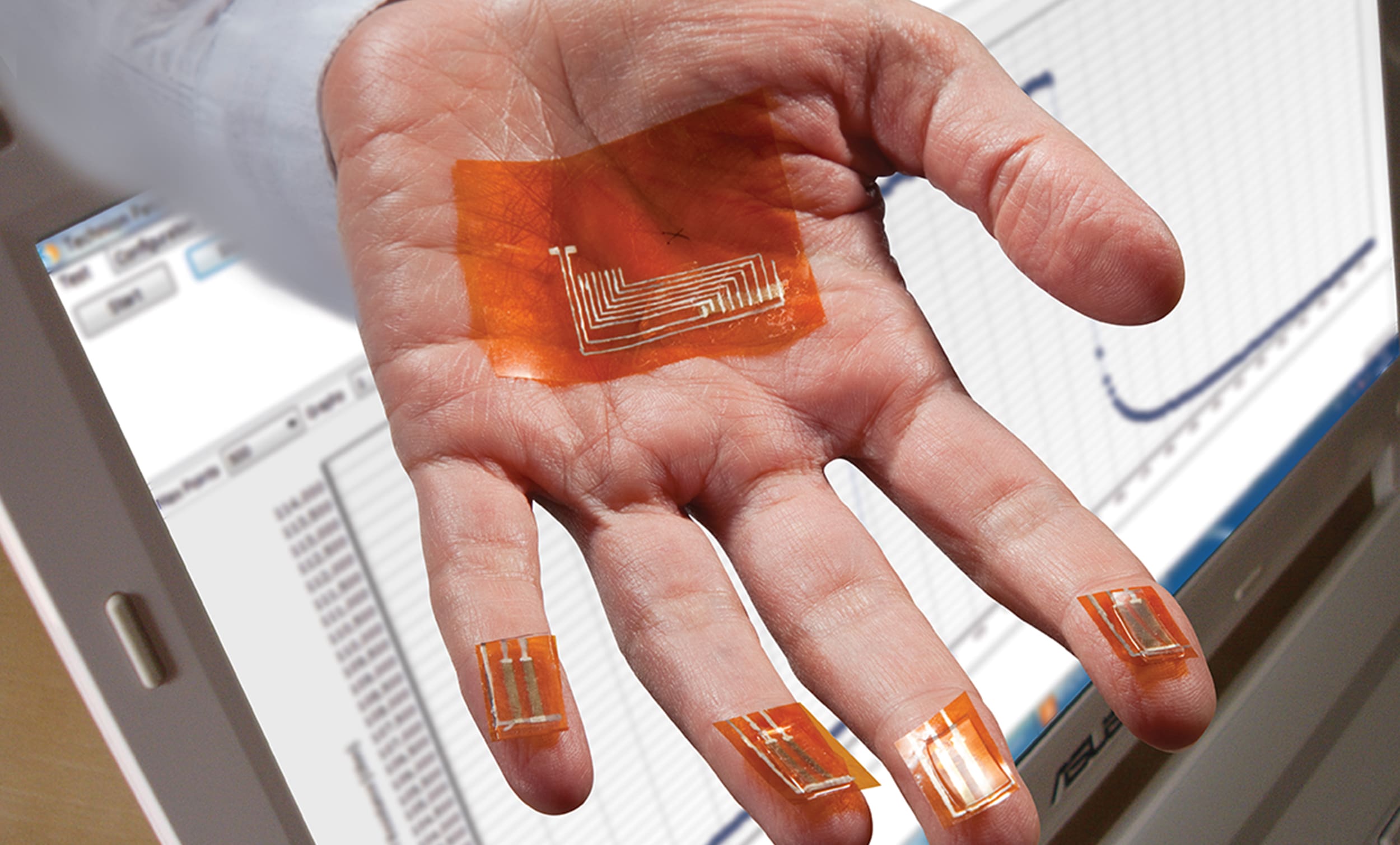
Inspired by the remarkable attributes of human skin, a Technion doctoral student is inventing an artificial skin that can heal itself in the event of injury and is sensitive to the environment. The skin could one day be applied to prosthetics such as hands, giving wearers a natural feeling. During millions of years of evolution, […]

Researchers are developing an innovative delivery system for medical cannabis that lengthens its therapeutic effects to months and targets specific conditions. The new method releases the cannabis slowly, marking a big advance over the current practice. Medical cannabis now is usually inhaled or taken orally. But that yields short-lived benefits because the entire amount enters the body at once. In the method devised by Technion researchers led by Professor Dedi Meiri, with scientists at Shenkar College of Engineering, Design, and Art, tiny polymer microbeads, called microdepots, are first loaded with phytocannabinoids, the naturally-occurring chemicals in cannabis. The microdepots are then…
We’ve come to rely on antibiotics to treat everything from ear infections to pneumonia, but overuse and incorrectly prescribed antibiotics have led to a dangerous rise in drug-resistant bacteria. These “superbugs” are expected to kill 10 million people yearly by 2050, unless a solution is found. Nanosynex, started by two Technion alumnae, may have the answer. The company is bringing to market a diagnostic test kit that distinguishes between bacterial and viral infections and determines which bacteria in a patient’s body are resistant to which antibiotics — all in four hours. “Every minute counts when you’re dealing with resistant bacteria,”…
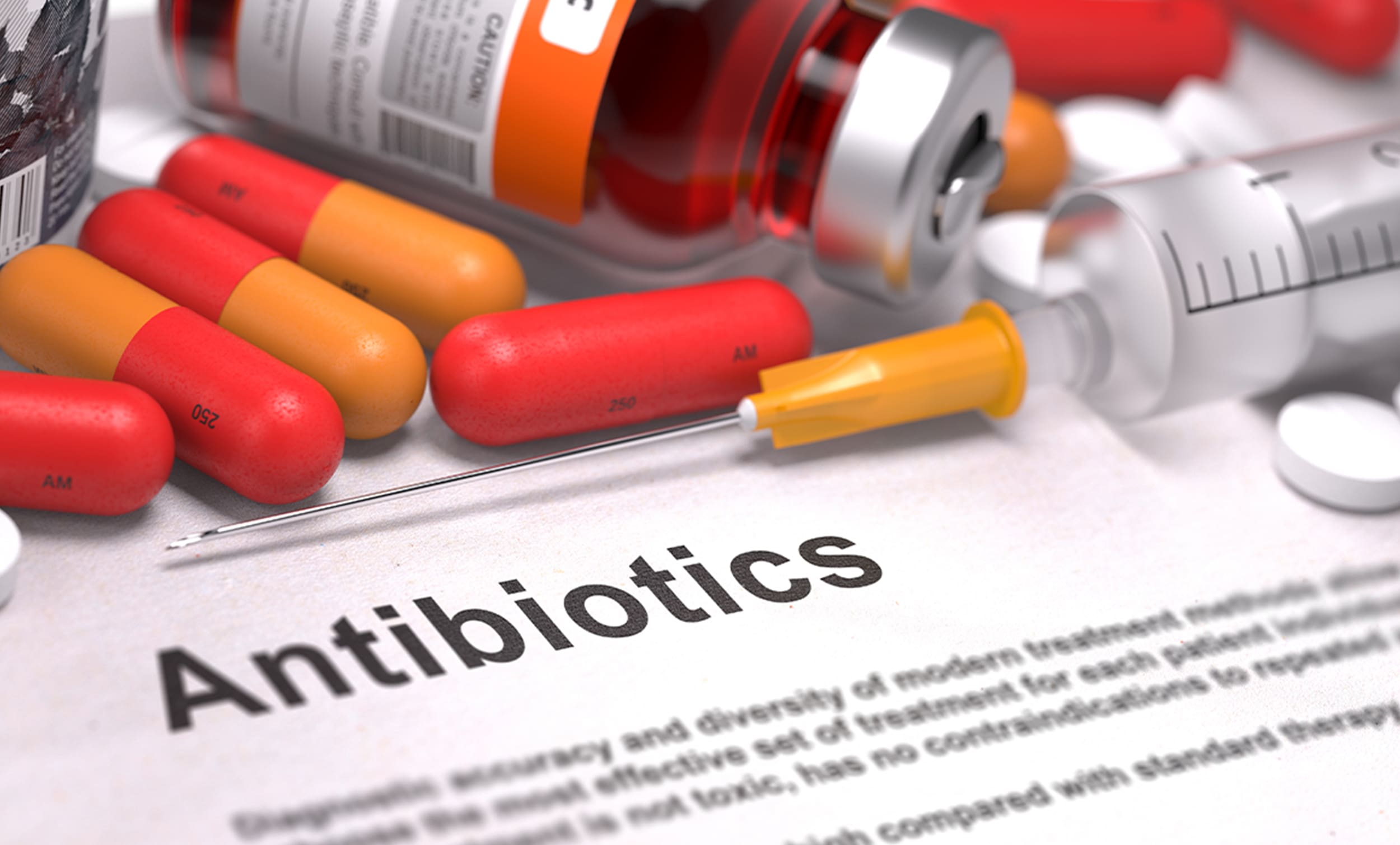
Antibiotics remain a powerful weapon against bacteria, but their overuse has led to the spread of dangerous antibiotic-resistant strains. Nearly 3 million antibiotic-resistant infections occur each year in the U.S., resulting in 35,000 deaths. Technion researchers are developing new methods to fight bacteria without encouraging antibiotic resistance. Associate Professor Meytal Landau and her team have discovered a novel way to combat bacteria like Salmonella by repurposing a class of drugs known as anti-amyloids, currently under development for slowing Alzheimer’s disease. Their approach inhibits the formation of bacterial biofilms, which are similar to the amyloid protein aggregates associated with Alzheimer’s. Because…

A Technion Webinar With Prof. Peretz Lavie and Dr. Qanta Ahmed Having trouble sleeping? You’re not alone. As many as three-quarters of Americans experienced insomnia or nightmares because of the coronavirus pandemic, according to surveys at the time. In this webinar, former Technion President Professor Peretz Lavie talks about the correlation between stress and dreams, […]
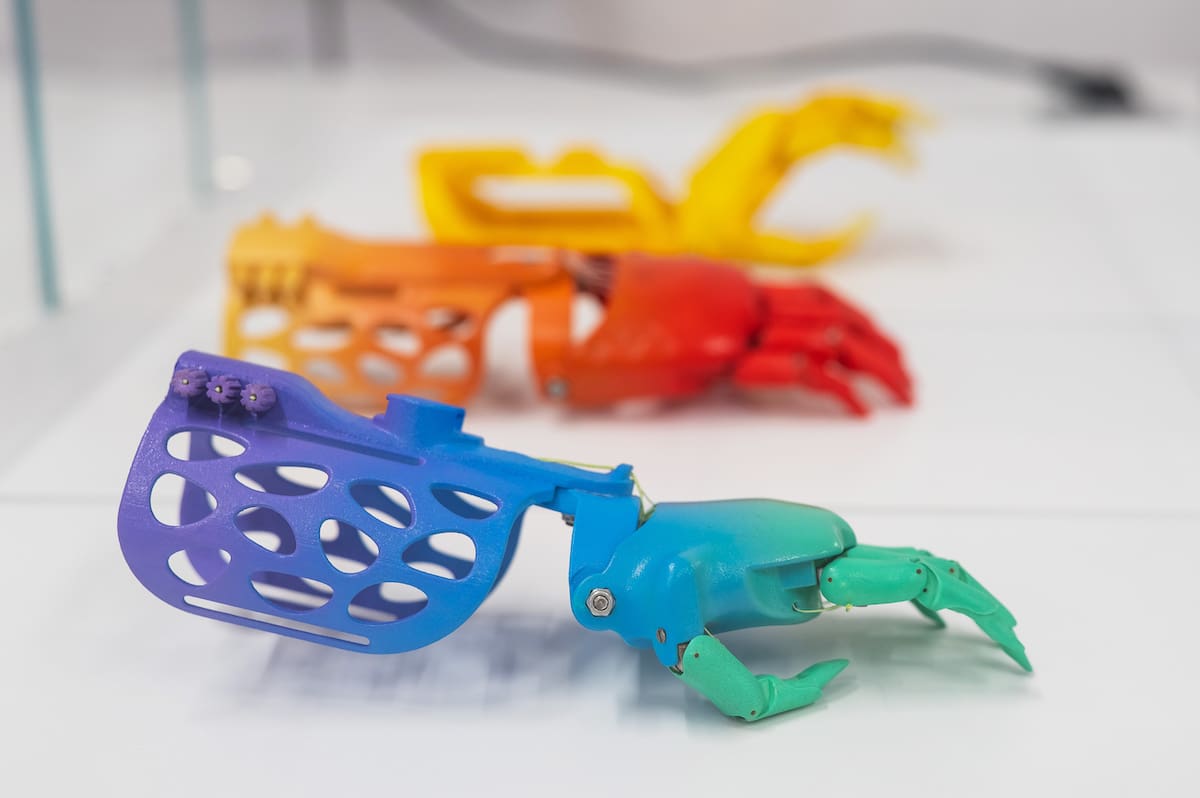
Using innovative 3D printing technology, scientists from the Technion-Israel Institute of Technology had been able to help amputee children by creating prosthetic hands for them, an info-video revealed on Sunday. The children are involved in the design of the artificial hand and often view it in comic-book heroes’ terms such as Iron Man’s hand or Superman’s hand. The finished prosthetic is able to hold lightweight objects and provide the children a better sense of balance. The most immediate benefit is psychological, as the children no longer feel that their amputation makes them unusual and instead have a “cool bionic hand”…

Soon we may not need to retire our protective face mask after a trip to the supermarket. Technion Professor Yair Ein-Eli is developing masks that can be heated to destroy the coronavirus while maintaining their integrity. Reusable, self-cleaning masks are essential for boosting hygiene, mitigating global mask shortages, and protecting the environment. The new masks […]