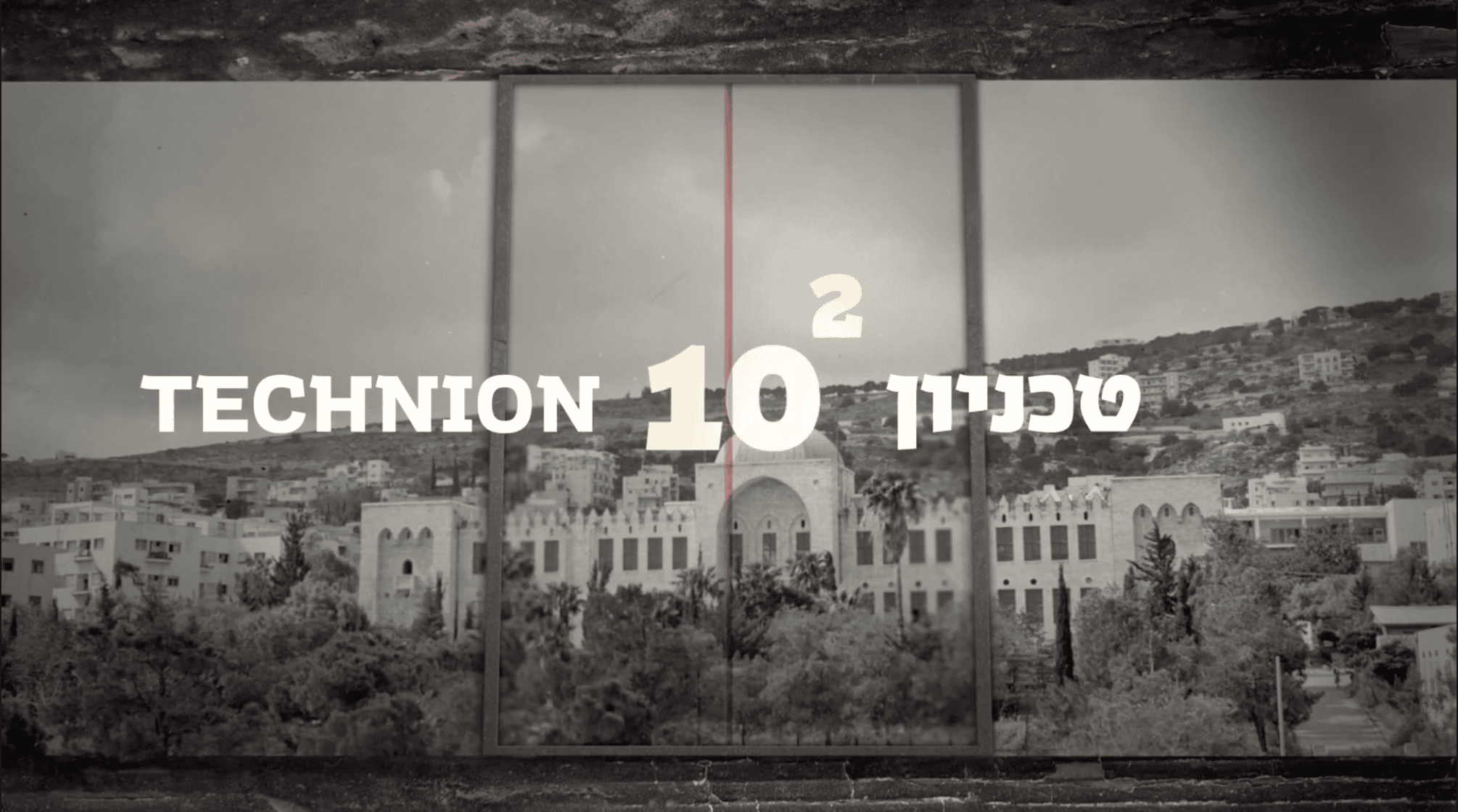
The Technion’s story has been intertwined with Israel’s for more than a century, from laying the foundations for a new nation to shaping its future.

From medicine to security, explore how the Technion is advancing Israel and improving lives around the world.
View All Impact Areas
Explore stories, news, insights, and data across articles, videos, and podcasts.
view all content types
of the student body are Arab Israeli
companies founded by graduates and faculty in the last 10 years
among universities worldwide for producing undergrad entrepreneurs
The Technion’s story has been intertwined with Israel’s for more than a century, from laying the foundations for a new nation to shaping its future.
Explore ATS, the Technion, and the people behind the breakthroughs redefining what's possible for Israel and the world.
Learn More About ATSATS is a community of supporters, innovators, and champions of possibility united by one mission: transforming Israel and the world through science and discovery.
Learn MoreFor more than 100 years, the Technion has been Israel's technological engine and leading driver of innovation, technology, and entrepreneurship, transforming ideas into impact.
Learn More
Step inside Israeli innovation at the David and Janet Polak Visitors Center. Experience our 360° immersive movie and tech exhibition. Open to individuals and groups.
Learn MoreFrom medicine to security, explore how the Technion is advancing Israel and improving lives around the world.
View All Impact AreasExplore stories, news, insights, and data across articles, videos, and podcasts.
view all content typesExplore ATS, the Technion, and the people behind the breakthroughs redefining what's possible for Israel and the world.
Learn More About ATS
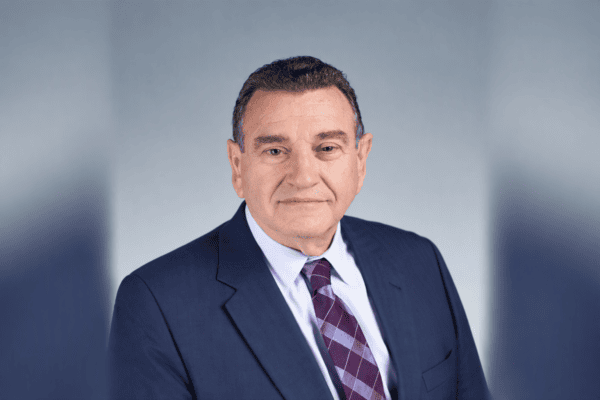
Prof. Adir served for nearly two decades in the Schulich Faculty of Chemistry, most recently as dean. He holds the Bertha Hertz-Axel Chair in Chemistry. His research focuses on the relationship between the three-dimensional structure of proteins (such as enzymes) and their function. Prof. Adir employs X-ray crystallography to analyze the relative positions of the atoms within a molecule, resulting in a 3D model.
Some applications of his work involve the process of photosynthesis – the efficient way in which plants convert solar energy into useful chemical energy. Other projects involve the study of proteins that can serve as targets for the development of novel anti-bacterial drugs; the molecular basis for protein stability at elevated temperatures; the physiological response to stress on the molecular level and how proteins build bio-inorganic materials, such as seashells.
Prof. Adir spent three and a half years in the Israel Defense Forces (IDF) and was discharged as a first lieutenant. He is still an active reserve officer (major) in an infantry brigade. Following a pre-academic course at the Technion in 1981, he studied at the Hebrew University of Jerusalem, obtaining a B.Sc. in Chemistry (1984) and a Ph.D. in Biochemistry (1990). Prof. Adir spent five years as a post-doctoral researcher in the Dept. of Physics of the University of California at San Diego, before returning to Israel to join the Technion.

A Technion Earth Day Webinar With the health of our planet failing, we need big ideas and innovative solutions to reverse the current environmental crisis. In this enlightening webinar, a distinguished panel of Technion scientists share their insights and research on topics that include sustainable development, renewable energy solutions, sustainable material innovations, and eco-friendly alternatives for chemical processes. Be inspired when you learn how Technion science can help forge a healthier planet and a better future for all. Executive vice president for research at the Technion Prof. Noam Adir moderates this can’t-miss webinar.
Pictured Above / Technion researchers have developed a new method that harvests an electrical current directly from seaweed in an environmentally friendly and efficient fashion. Technion Ph.D. candidate Yaniv Shlosberg was walking on the beach one day when he noticed a rock covered by seaweed that looked like electrical cords. He had been researching a type of bacteria that obtained energy through photosynthesis and thought that maybe this sun-loving seaweed could also produce electrical currents. Using that common seaweed, called Ulva, as a source of energy, Shlosberg and a team of researchers from the Technion and the Israel Oceanographic and…
Technion Professor Noam Adir’s creativity knows no bounds. He has invented spinach-powered electricity cells, as well as technology to harvest energy from photosynthetic bacteria found in ponds. In this webinar, Prof. Adir talks about his equally exciting biomedical research, studying proteins that can serve as targets for novel drug development. He and his research team […]
Stay on top of the latest breaking scientific discoveries from Israel and the Technion. Subscribe to the ATS newsletter.