Jacobs Technion-Cornell Institute: Inside the Academic Partnership
Published by www.cornellsun.com on March 18, 2026.
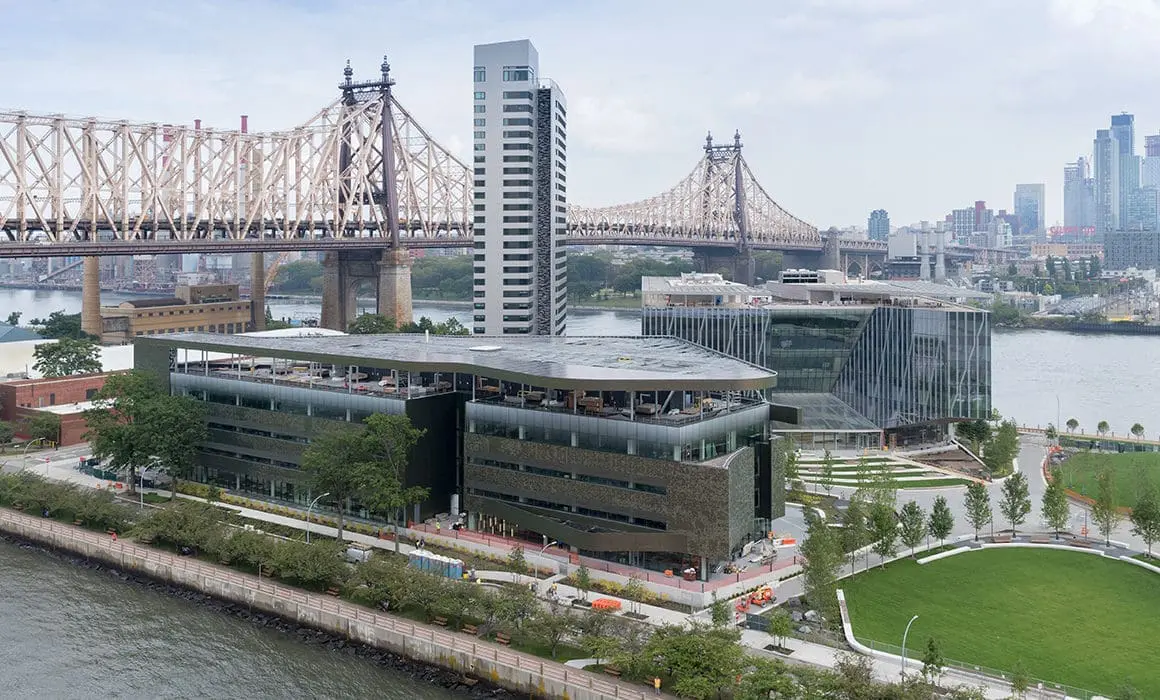
In 2011, Cornell entered into an academic partnership with the Technion — Israel Institute of Technology to compete for an ambitious goal: build an innovative New York City campus to educate a new generation of tech leaders, conduct breakthrough research and development, inspire startups and propel the city to becoming a global hub for the tech industry. Beating national competitors in the bidding process, Cornell and the Technion won the opportunity to create Cornell Tech on Roosevelt Island. Without the Technion, there would be no Cornell Tech.
Nearly 15 years later, Cornell Tech has educated more than 2,700 students and undertaken groundbreaking research on AI and other new technologies.
Critical to this mission is the Joan and Irwin Jacobs Technion-Cornell Institute, created through the unique academic partnership between Cornell and the Technion without a financial obligation from either university to the other. The Jacobs Institute brings together engineers, computer scientists, designers, clinicians and entrepreneurs to develop new technologies, launch startups and generate real-world impact through three research hubs focused on health, media and urban challenges. As is the case at most American universities, all of this research is supported through private philanthropy and competitive grants from U.S. government agencies. At the Health Tech Hub, faculty and students are building machine-learning systems that predict disease progression and assist clinicians with diagnosis and treatment, particularly in areas like cardiology, radiology and emergency care. In the Connective Media Hub, researchers study how digital platforms shape the way information spreads, communities form and public conversations evolve. Within the Urban Tech Hub, researchers explore how advanced data science can improve infrastructure — from housing and transportation to energy systems and climate resilience. Through programs like the Urban Innovation Fellows initiative, researchers work directly with agencies across New York City on challenges ranging from sanitation and procurement to transportation and housing policy.
Keep reading at cornellsun.com.