Something Fresh in the State of Denmark
October 06, 2026














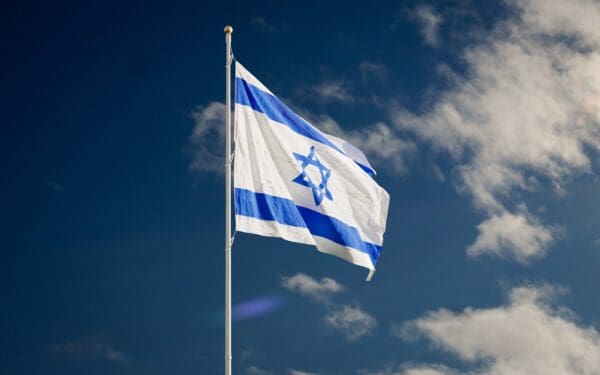

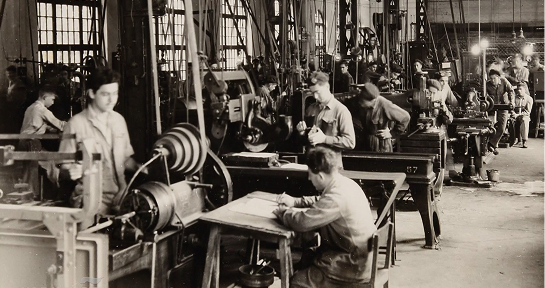
The Technion’s story has been intertwined with Israel’s for more than a century, from laying the foundations for a new nation to shaping its future.

Step inside Israeli innovation at the David and Janet Polak Visitors Center. Experience our 360° immersive movie and tech exhibition. Open to individuals and groups.
Learn MoreAfter serving as an IDF reservist and battling cancer, a Technion student is channeling his experience into a mission to advance cancer treatment.
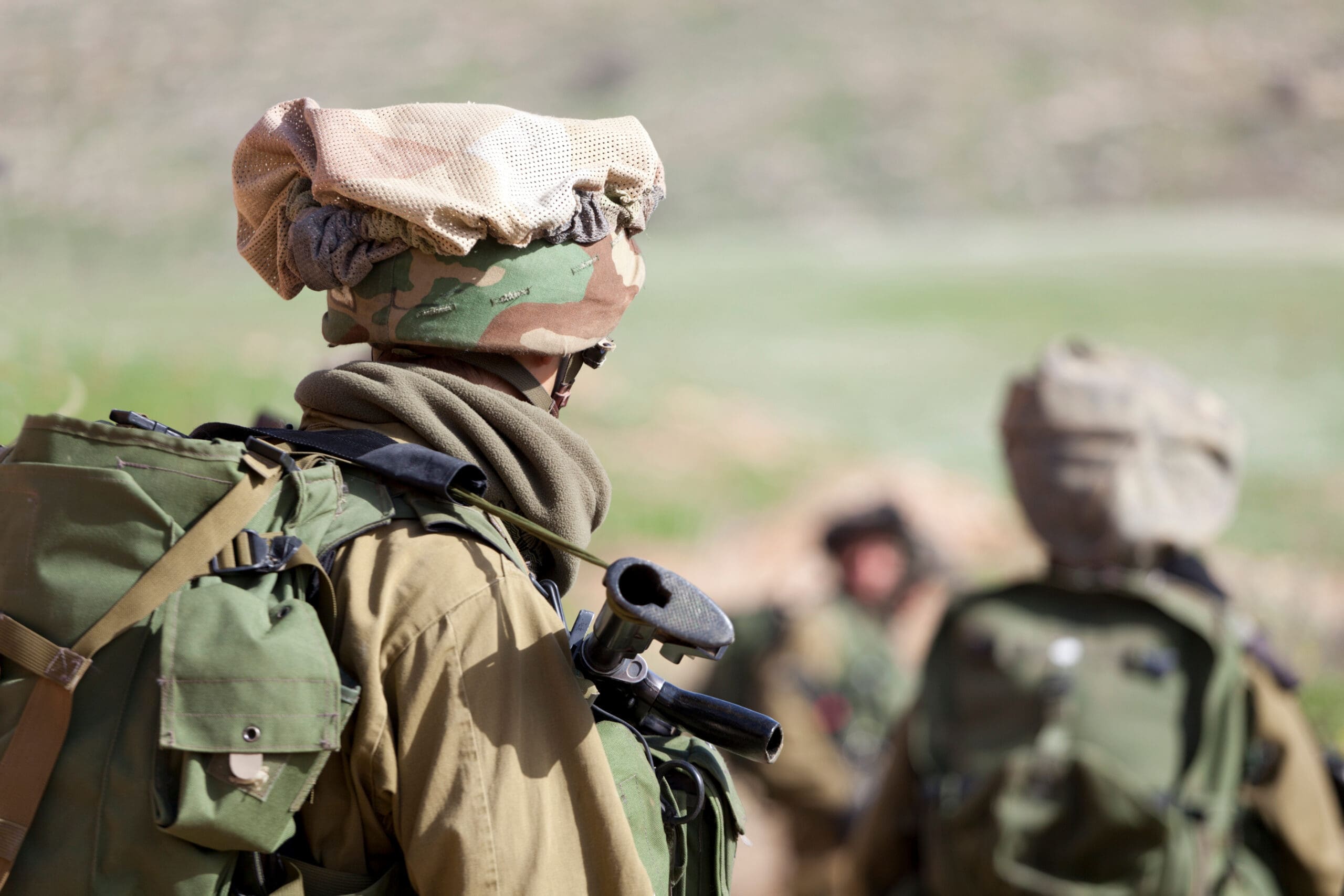
First as a reservist in Operation Iron Swords, then as a patient battling cancer, O.N. has fought a war on two fronts. Throughout both, he has remained resolute despite the adversity.
At 25 years old, O. is determined to bring meaning to his experiences through his studies at the Technion. From his hospital bed, he has embarked on pursuing a degree in the Andrew and Erna Viterbi Faculty of Electrical and Computer Engineering with the goal of advancing cancer treatment.
When O. awoke the morning of October 7, he was unprepared for the reality that confronted him. Having previously served in the Israel Defense Forces, he immediately called his former commander. The response was clear: “Pack your bags and be ready for my call.”
When the call came, O. reported for duty. Like his fellow soldiers, he endured sleepless nights and went without proper meals as he fought in Israel’s southern defense battles.
O. felt physically unwell, tired and feverish. He attributed this to the stress of military life and pushed through. But just days before his unit was scheduled to enter Gaza, his condition worsened. His skin turned yellow, and walking became difficult. His commander ordered him to return home and focus on his health.
Back home, O. underwent a series of tests that revealed a shocking diagnosis: acute lymphoblastic leukemia (ALL), a type of blood cancer that attacks the bone marrow.
He received the news with disbelief, the same stunned feeling he had experienced on October 7. “I thought I was a healthy 25-year-old man,” he said.
This disease attacked me without warning. You don’t think something like this can happen — until it does.”
Student and Reservist O.N.
Doctors assured him his prognosis was positive, provided he began aggressive treatment immediately. Without hesitation, he prepared for another battle — this time, a personal one.
As soon as O. completed the first stage of chemotherapy, he began a new biological treatment delivered through a portable pump. This allowed him to leave the hospital while still receiving medication. Instead of staying home, he put on his uniform, covered the pump in a pouch, and returned to his IDF unit.
O.’s treatment journey included chemotherapy, biological therapy, and a bone marrow transplant, made possible by his sister. Rather than simply enduring the process, he sought to understand it.
“I decided to treat my hospital stay as clinical experience. How could I use my curiosity and technical skills to improve the lives of future cancer patients?”
The answer became clear when he experienced firsthand the invasiveness of cancer treatment. Determined to drive change, O. set his sights on the Technion. He called the admissions office, concerned about whether his compromised immune system would prevent him from attending classes in person. The response was practical — there was a way to make it work. But more importantly, it was human.
They didn’t just tell me that remote learning provided a solution — they made me feel seen. They spoke to me with dignity, as if to say, ‘We recognize you. We are with you.”
Student and Reservist O.N.
O. is adapting to the challenges of academic life while bravely managing complications from cancer treatment. Yet his focus remains clear: to complete a Ph.D. in electrical engineering and contribute to the war against cancer.
“Some events have no justification, and there’s no point in asking why they happen to us,” O. reflected. “But we have the power to shape what comes next, focusing not on the trauma itself, but on the future we create.”