Something Fresh in the State of Denmark
October 06, 2026













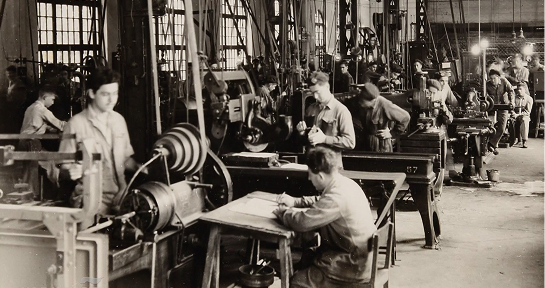
The Technion’s story has been intertwined with Israel’s for more than a century, from laying the foundations for a new nation to shaping its future.

Step inside Israeli innovation at the David and Janet Polak Visitors Center. Experience our 360° immersive movie and tech exhibition. Open to individuals and groups.
Learn MoreMoshe Dunie’s Lifelong Bond With the Technion

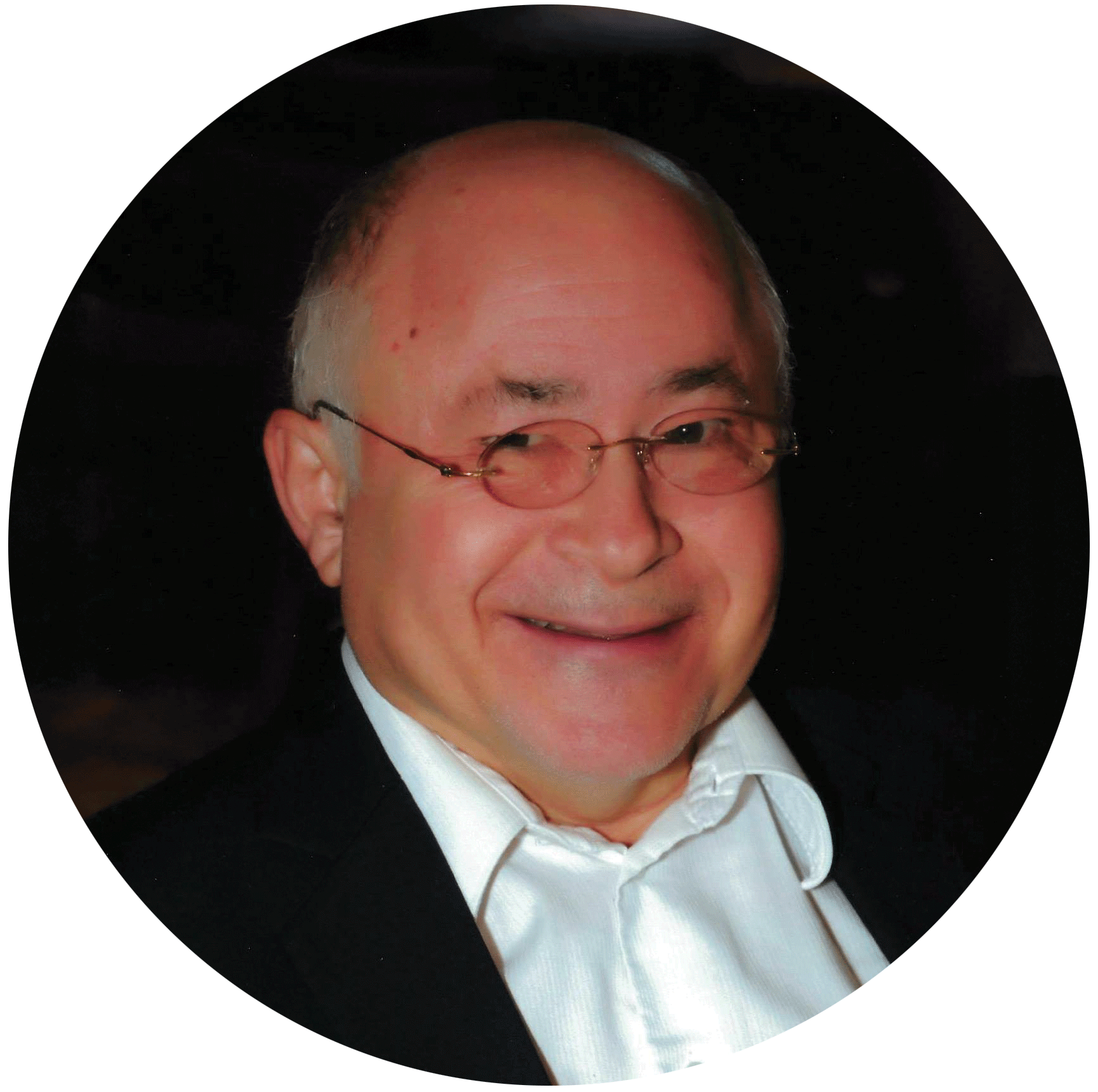
Moshe Dunie’s journey with the Technion is one of deep-rooted family legacy and an enduring commitment to education and innovation. His connection begins with his grandfather, a pioneering civil engineer who helped lay the foundation — both literally and figuratively — for the Technion’s impact on Israel and the world.
We knew in our family that my grandfather built the first campus of the Technion,
Dunie said. But it wasn’t until much later in life when he discovered just how significant his grandfather’s role had been.
As a member of the Technion’s Board of Governors, Dunie was attending a meeting when a journalist showed him a photo in “Technion: The Story of Israel’s Institute of Technology” of his grandfather laying the first cornerstone of the campus. Later, he met with the author, Carl Alpert, who confirmed his grandfather was a founder.
Tuvia Dunie, Moshe’s grandfather, was a Lithuanian-born civil engineer who immigrated to Israel in 1907 after studying in Berlin. A Zionist visionary, he saw an entire country that needed to be built. His construction firm was responsible for key landmarks, including the original King David Hotel and Israel’s first airport.
“But the biggest thing that’s close to my heart is that he built and helped found the first Technion campus,” said Dunie. “He had the vision, in 1912, that Israel needed a technological institution that would provide the future Jewish State with competent engineers in a wide range of technologies, not just agriculture. It is this vision that enabled Israel to become the Startup Nation.”
That vision was passed down through generations.
Dunie grew up in a household where education and engineering were deeply valued.
My father always said, ‘You have to go to the Technion because Grandpa was an engineer and he built the first campus.’ So there wasn’t a question in my mind where I would go after high school.
At the Technion, Dunie studied electrical engineering because it incorporated the emerging field of computer science. “I was very excited. I felt it would empower people to do things they couldn’t do before. Also, I was told it was the most difficult program to get into, which only made me more interested.”
The Technion instilled in him not just technical knowledge, but a way of thinking. “One professor told us, ‘A lot of what you study here will be obsolete in a few years. The most important thing we teach you is how to study by yourself.’ That was true then, and it’s still true today.
It was a very rigorous, very demanding environment, but it prepared me for anything I would do in life.
And what he did in life was become vice president of the Windows Division at Microsoft, leading Windows NT releases followed by Windows 98 and Windows 2000 final Beta. After graduating from the Technion in 1971 and completing his service in the air force, he led the development of aerospace software in Israel. Moving to Silicon Valley in 1981, he pioneered the use of microprocessors in supervisory control software before joining Microsoft. “Microsoft was the leader in microprocessor software, and I believed this was going to change the world.” He retired in 1999, then founded Dunie Investments & Consulting and served as president of AJC Seattle.
But he always came home to the Technion. “The Technion is part of my soul,” he said.
As an alumnus, chair of the Pacific Northwest chapter of the American Technion Society, ATS National Board member, and benefactor, Dunie funded research projects and was instrumental in Microsoft opening its first development center outside of Washington State in Haifa. “At one point, 90% of the engineers at Microsoft Haifa were Technion graduates.”
His commitment extends beyond technology. He established the Moshe Dunie Cancer Research Fund, a deeply personal investment. “My mother passed away after battling ovarian cancer, and my aunt also died of cancer.”
Now, he’s fulfilling another personal goal: celebrating the University’s centennial by reaching guardian status ($1M+ donors). The Moshe Dunie Computer Engineering Laboratories will be housed in the Faculty of Electrical Engineering. “The computer lab is my passion — it’s where it all started. It’s incredibly gratifying to know there will be a lab in the faculty where I studied so many years ago.
“This celebration is as personal as it gets. My grandfather was in that historic cornerstone photo when the Technion was founded, and now, a hundred years later, I’m here as part of its future. It’s truly a full-circle moment.”