Something Fresh in the State of Denmark
October 06, 2026


























The Technion’s story has been intertwined with Israel’s for more than a century, from laying the foundations for a new nation to shaping its future.

Step inside Israeli innovation at the David and Janet Polak Visitors Center. Experience our 360° immersive movie and tech exhibition. Open to individuals and groups.
Learn More

Moshe, a computer programmer who suffers from a life-long stutter, tried every kind of treatment to ease the jaw spasms, severe facial twitches and feelings of suffocation he experienced whenever he spoke. But every time he’d step out of a clinic or treatment center, he had no way of preserving the methods he had just been taught to manage his condition. That’s when he decided to use his technological skills to develop an algorithm capable of analyzing and monitoring his speech to ensure he was practicing these various stuttering techniques correctly. Six years later, he joined forces with speech language…

A team of mechanical engineers at Cornell University, working with a colleague from Technion – Israel Institute of Technology, has designed and built a tiny robot that is powered by a combustion engine. In their paper published in the journal Science, the group describes how they built their tiny engine and possible uses for it. Ryan Truby, with Northwestern University, has published a Perspective piece in the same journal issue outlining the work done by the team on this new effort. Over the past several decades, roboticists have designed and built ever-smaller robots with the goal of finding a design that can…

Researchers have developed a pioneering AI “matchmaker” that pairs together existing cancer drugs for use in nanomedicine. Prescribing a combination of two or more medications is already an established practice – known as combination therapy — that can prove highly effective. But a team at Technion – Israel Institute of Technology, in Haifa, has gone beyond simply identifying separate medications that will work well together.

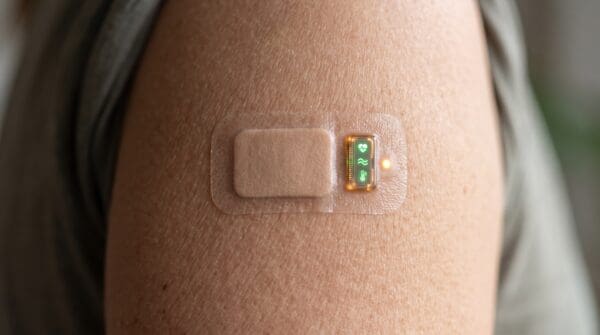
Several years ago, amateur athlete Hemi Re’em was shocked to discover that his coronary arteries were 90 percent blocked despite his seemingly good health. This set him on a path to cofounding Yopi Technologies. Yopi (Your Online Personal Instructor) is a first-of-its-kind, AI-based wearable device that monitors oxygen consumption through electrolytes in the sweat. The goal is to detect heart deterioration and measure overall wellness.

The wildfires in Maui may finally be fully contained, but the environmental impact left in the wake of the the infernos will last for years to come, experts told ABC News. As the Maui community begins to heal from the wildfires that killed more than 100 people and incinerated a large portion of the island, residents will now start to grapple with the painstaking cleanup and rebuilding phase, an emotional process that could also contain health risks, the experts said. The cleanup process will need to be done “very carefully,” due to the hazards, Kristina Dahl, senior climate scientist at the Union of Concerned Scientists,…
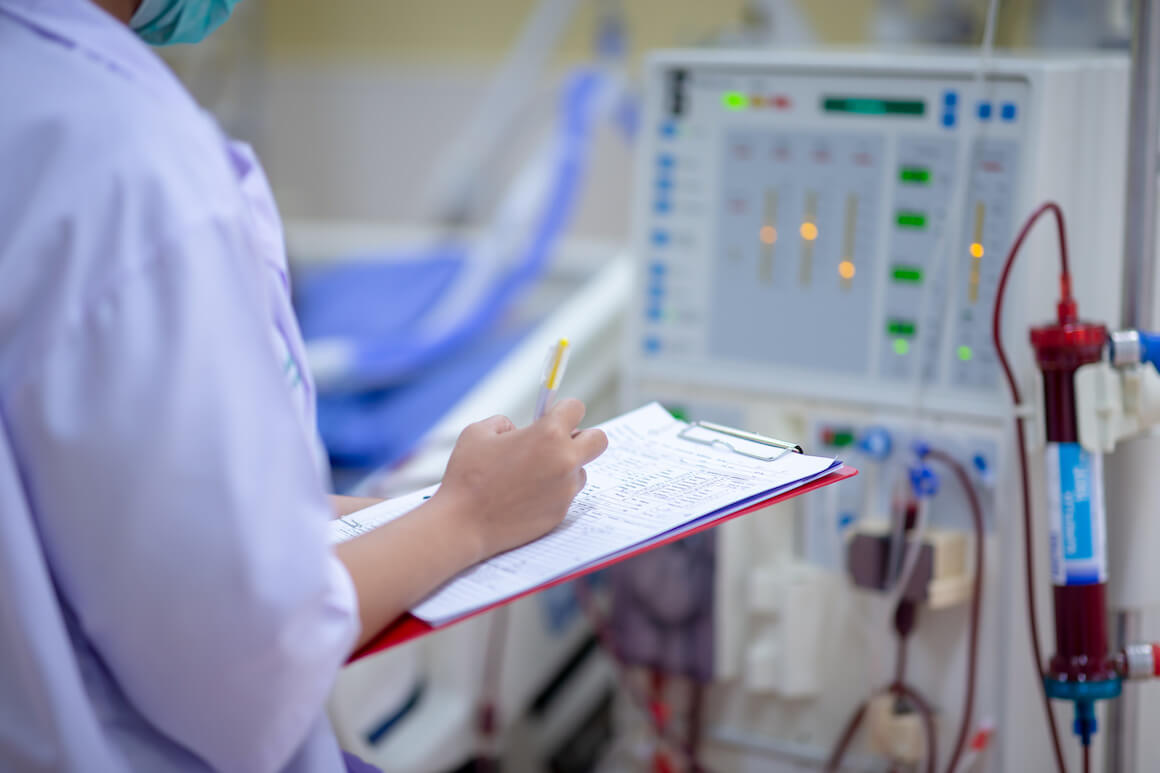
Chronic kidney disease (CKD) affects an estimated 10% of the world, which is just under 800 million people. According to the US-based National Kidney Foundation, 90% of people affected by the disease don’t know they have it at the early stages, allowing it to progress undetected. In some cases, CKD is caught only at “end stage,” when kidneys are failing and require either a transplant or dialysis — a grueling, weekly procedure to remove waste and excess fluid from the blood. The average survival rate of dialysis patients is five years. Curespec, based in Yehud-Monosson in Israel, claims its unique device, Nephrospec,…

A new approach that integrates a minimally invasive, painless microneedle platform may help monitor protein biomarkers in responses to a combination immunotherapy against melanoma. The platform is capable of absorbing the cell-surrounding, biomarker-containing fluid from deeper layers of the skin with an ultra-sensitive, single-molecule detection method (Simoa) that detects often rare, yet relevant biomarkers with higher sensitivity than conventional methods. The researchers provided proof-of-concept for their approach in a mouse melanoma model in which they treated cancerous lesions with a novel therapy. The therapy acts locally on tumor lesions in that it combines non-invasive focused ultrasound (FUS), which generates heat…
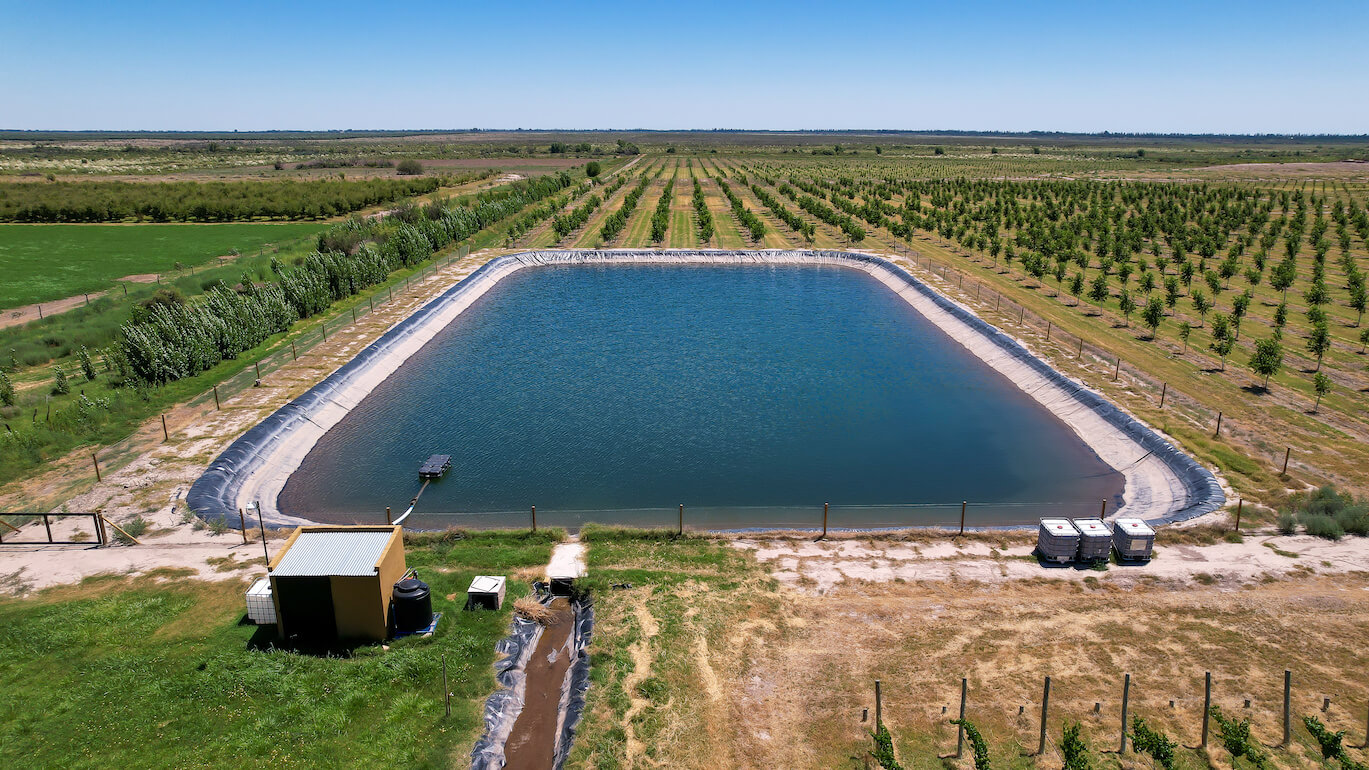
A unique “coworking space” for farmers in drought-stricken Rwanda will soon offer local growers a sustainable way to produce crops. Agriculture accounts for a third of landlocked Rwanda’s GDP but relies on rainfall and suffers low levels of productivity. The unique site, including its purpose-built water source and an energy network, was designed by Israeli precision irrigation pioneer Netafim and built in cooperation with the government, which provided $50 million in funding.

Private space companies like Virgin Galactic Holdings Inc. and Blue Origin could provide a significant booHow Pst to the speed and frequency of space research projects, according to Moran Bercovici, a mechanical engineering professor at the Technion – Israel Institute of Technology. Bercovici is involved in the Fluidic Telescope Experiment (FLUTE) with NASA, which aims to revolutionize space astronomy. He feels that private space companies have a great deal to offer scientific research. “They make space more accessible to research teams around the world,” he told MarketWatch. “In the future, the private companies have all the incentives to streamline this…

“When we say agriculture, we think green and plants and land, it sounds very sexy. But the reality is that agriculture is one of the major contaminants in the world, both in terms of groundwater contamination and greenhouse gas emissions,” says Rafi Levi. “And fertilizers are the No. 1 contaminant in agriculture.” Levi is the CEO and cofounder of DOTS (Data of the Soil), an Israeli startup bent on helping farmers cut down on the use of excess fertilizers by providing them with real-time monitoring of fertilizer in the soil. This can save them a lot of money and, of course, protect…

Many medical studies record a patient’s race using only the broad categories from the U.S. Census, which may conceal racial health disparities, a new study reports. Researchers evaluated the performance of clinical risk scores for people of different races in an emergency department (ED). A clinical risk score summarizes the severity of a patient’s symptoms into a single number – the higher the score, the greater the risk of severe health outcomes. The researchers looked at broad race categories, like “Asian,” and more specific subgroups, like “Chinese” and “Indian.” The risk scores performed much better for some subgroups than others,…

Israeli researchers have unveiled a new miniature model of the human heart that they say could be a “game changer” in transforming drug testing and cardiovascular research. The model is a self-paced, multi-chambered replica of the human heart that is no larger than a grain of rice. According to the researchers, it will revolutionize the study of the heart and its functions. The team comprised researchers from The Hebrew University of Jerusalem; the Technion – Israel Institute of Technology in Haifa; and Rehovot-based biotech company Tissue Dynamics Ltd. They were led by Prof. Yaakov Nahmias, an award-winning biomedical engineer at The Hebrew University.