Something Fresh in the State of Denmark
October 06, 2026






























The Technion’s story has been intertwined with Israel’s for more than a century, from laying the foundations for a new nation to shaping its future.

Step inside Israeli innovation at the David and Janet Polak Visitors Center. Experience our 360° immersive movie and tech exhibition. Open to individuals and groups.
Learn More

Most of us recognize the tell-tale signs of ADHD (Attention-Deficit Hyperactivity Disorder) — the fidgety child who blurts out an answer before the question is completed; the adult who starts new tasks before finishing the old. Still, there is no clear-cut diagnosis, and students have faked symptoms to receive medication that helps them focus and pull all-nighters. Now technology based on 12 years of research conducted at the Technion appears to accurately detect, measure, and quantify impaired attention by observing eye-blinking patterns to particular sounds. Israeli company MindTension, which narrowly escaped tragedy on October 7, developed a medical device that…

Going from development on Israel’s world famous Iron Dome missile defense system to maximizing energy usage might sound a little odd, but to Ron Halpern, chief commercial officer at mPrest, the software company behind the platform, the transition was a natural one. “Iron Dome essentially is a real-time distributed asset optimization system; the assets happened to be interceptors,” Halpern tells NoCamels. mPrest CEO and Founder Natan Barak and CTO Noam Arbel are Technion alumni. Iron Dome was developed in large part by Technion alumni working at Rafael Advanced Defense Systems.

A sensor that measures the “heartbeat” of a plant is being used by farmers around the world to optimize the growing process, most notably how much water it needs, at a time when weather patterns are shifting and becoming unpredictable due to climate change. Almost all plants, big and small, rely on the process of photosynthesis (using light, carbon dioxide and water to produce oxygen and energy), and the correct conditions are crucial for its survival. But for farmers, knowing how much water to give each plant can be an inexact science, with agriculturalists generally relying on experience and intuition…
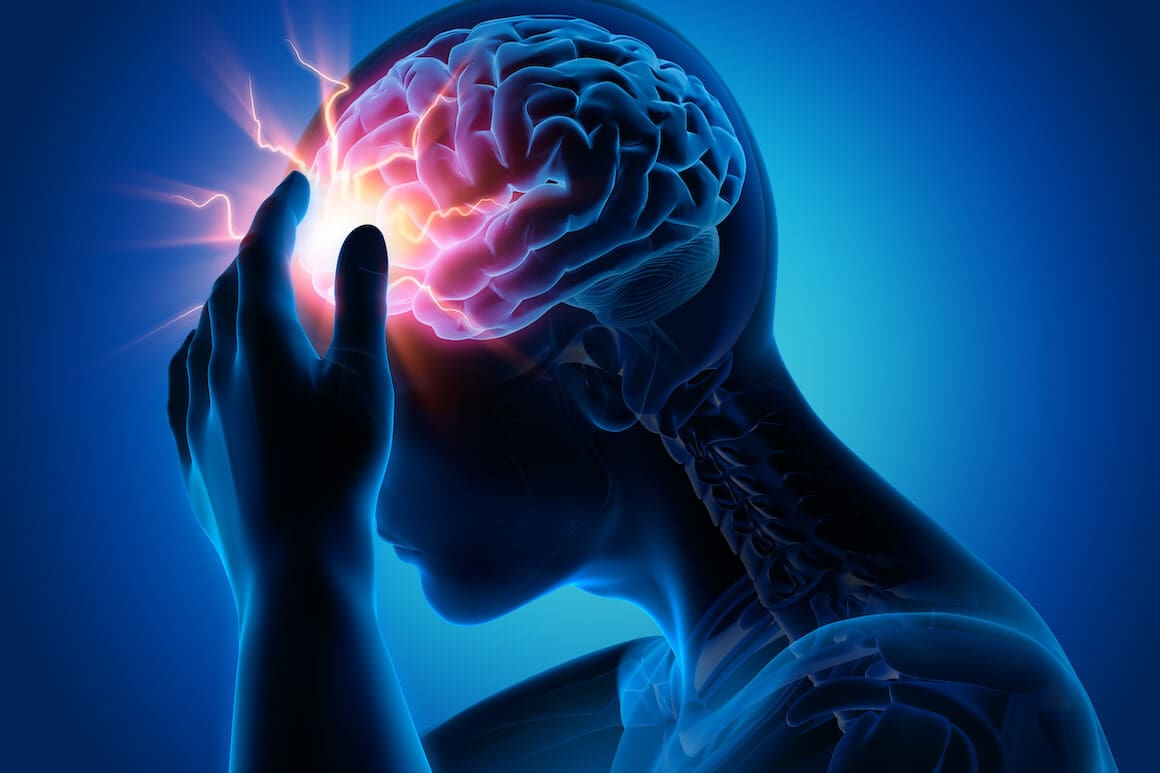
American non-profit health insurer Highmark has added an Israeli migraine treatment band to the items covered by its insurance policies. The Nerivio Remote Electrical Neuromodulation (REN) migraine band, developed by Netanya-based Theranica, is placed on the upper arm as soon as a migraine starts (or even used as a preventative measure), and vibrates at an intensity just below the patient’s pain threshold. It causes nerve fibers in the body to deliver a message to the brain, where it decides that the sensation is harmless and releases neurotransmitters to prevent the sufferer from feeling pain – including in their head. The…

Ra’anana-based Inspira Technologies today announced the signing of a non-binding Letter of Intent with Shamir Medical Center (Assaf Harofeh), a step the company hopes will lead to providing better respiratory care both here in Israel and in the global community. “With the anticipated FDA approval on the horizon, I am confident that this prospective collaboration with Shamir Medical Center will enhance the efficacy of life-support care and establish a pathway for its adoption in both local and international markets,” president of Inspira Technologies Joe Hayo said in a press release. The Letter of Intent (LOI) with Shamir will test the performance of the INSPIRA…
Soon, cancer patients will have an additional treatment option, moving away from relying solely on chemotherapy, which often has deleterious side effects. The current one-size-fits-all approach to treating many diseases will soon be replaced by personalized (or precision) medicine. Essentially, the patient’s DNA will be sequenced, to analyze subclass diseases and identify the cause of the mutation. With a better understanding of disease mechanisms, patients can be diagnosed with great precision and the treatment can be tailored specifically to the target. For breast cancer alone, there will be more than 20 drugs designed to cure each specific type. Thai PBS…

To bring a new drug to market costs on average $1.3 billion, according to a recent report in the Journal of the American Medical Association, and takes up to 20 years. These astronomical sums do factor in the billions of dollars and years of research invested in what potentially promising therapies that ultimately lead nowhere, according to David Harel, the co-founder and CEO of CytoReason, an Israeli startup using AI and reams of data on the human body to create computational models of diseases affecting mankind. “Developing new drugs is very, very expensive. And the reason it’s expensive is not only…
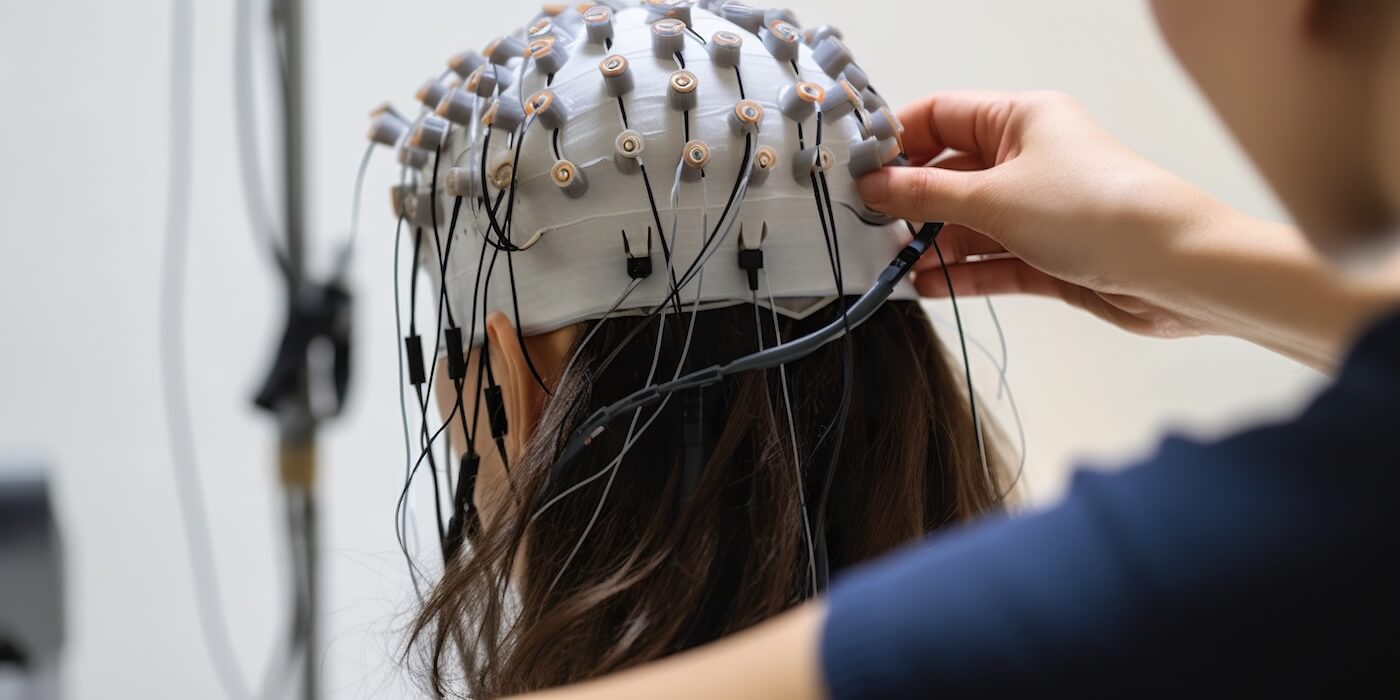
A study by GrayMatters Health, which develops digital training therapies to help the brain regulate mental health care, has shown that its FDA-approved Prism device is effective in the treatment of post-traumatic stress disorder (PTSD). The device, now available in selected clinics in the US, shows a patient’s brain activity in the amygdala, the small region of the brain associated with emotions and memory, while interacting with different scenarios. This can help patients with PTSD control their symptoms by better understanding what triggers that heightened activity in that part of the brain.

A frustrating experience as a caregiver for her then-boyfriend with cancer made Maayan Cohen realize that non-medical personnel in a medical setting needed help understanding the information in front of them. Despite dutifully tracking his treatment herself, Cohen realized that noting down his vitals in a binder full of papers was not helping her understand his condition or manage his medical records. Many others in a similar situation, she realized, were also tracking the vital signs of sick loved ones. But without a doctor at hand, it was hard to know what could help or hinder the condition.

When Ovadia Harari (z”l) ’64, M.Sc. ’67 immigrated from Egypt with his family as a youth, who could have imagined the trajectory his life would take, and the impact he would have on the State of Israel? From those humble beginnings, Mr. Harari went on to become one of the best aeronautical engineers Israel has ever produced, a longstanding luminary of its defense industry, and a dazzling example of leadership. His distinguished work allowed Israel to flourish on the ground and in the skies, and made possible a trail of firsts that advanced Israel’s aerospace capabilities to the loftiest levels….
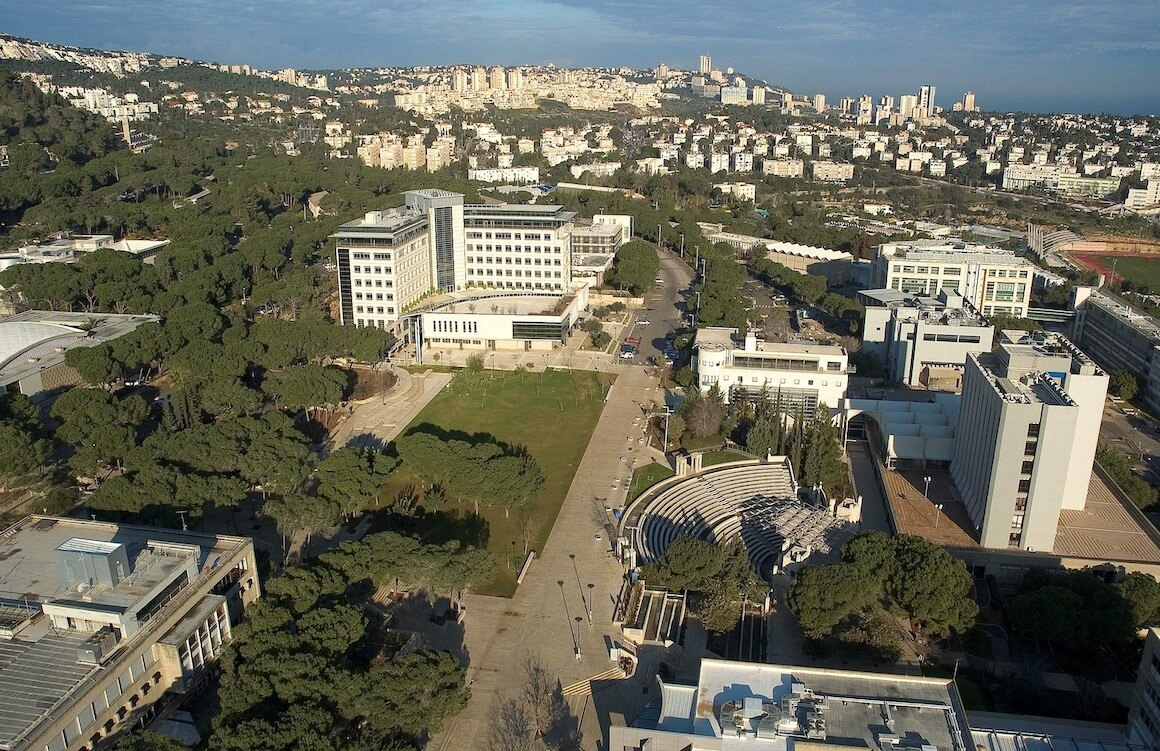
In December, the Technion – Israel Institute of Technology will celebrate 100 years. Looking at the list of achievements over the years makes you realize how significant its contribution to the state’s development has been – and still is. “For many years we were essentially the only engineering school in the country, and to this day we are the only technological university,” the Technion president, Prof. Uri Sivan, tells Israel Hayom in a special interview. “To a large extent, we shouldered the burden of founding the state on our shoulders, and over the years we have all reaped the rewards for this….

By the time Sara Smolley was born, her grandmother was unable to talk to her. She had been diagnosed with early onset Parkinson’s disease at the age of just 40, which stripped her of much of her motor capabilities. “More than anything, it was her speech that was impacted,” says Smolley, the co-founder and VP Partnerships of Voiceitt, an Israeli speech recognition platform for people who have non-standard speech. “Of course, that affected her ability to build a relationship with my brothers and me, as we couldn’t understand what she was saying,” she tells NoCamels. The AI-powered Voiceitt platform is designed…