Something Fresh in the State of Denmark
October 06, 2026



























The Technion’s story has been intertwined with Israel’s for more than a century, from laying the foundations for a new nation to shaping its future.

Step inside Israeli innovation at the David and Janet Polak Visitors Center. Experience our 360° immersive movie and tech exhibition. Open to individuals and groups.
Learn More

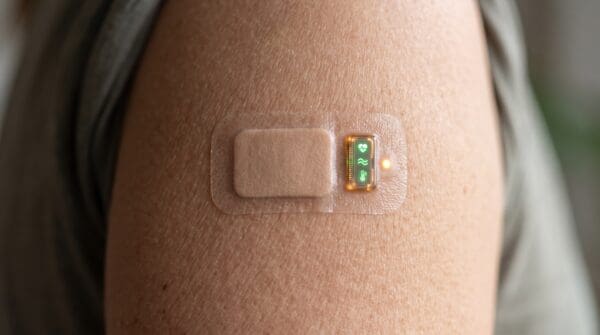
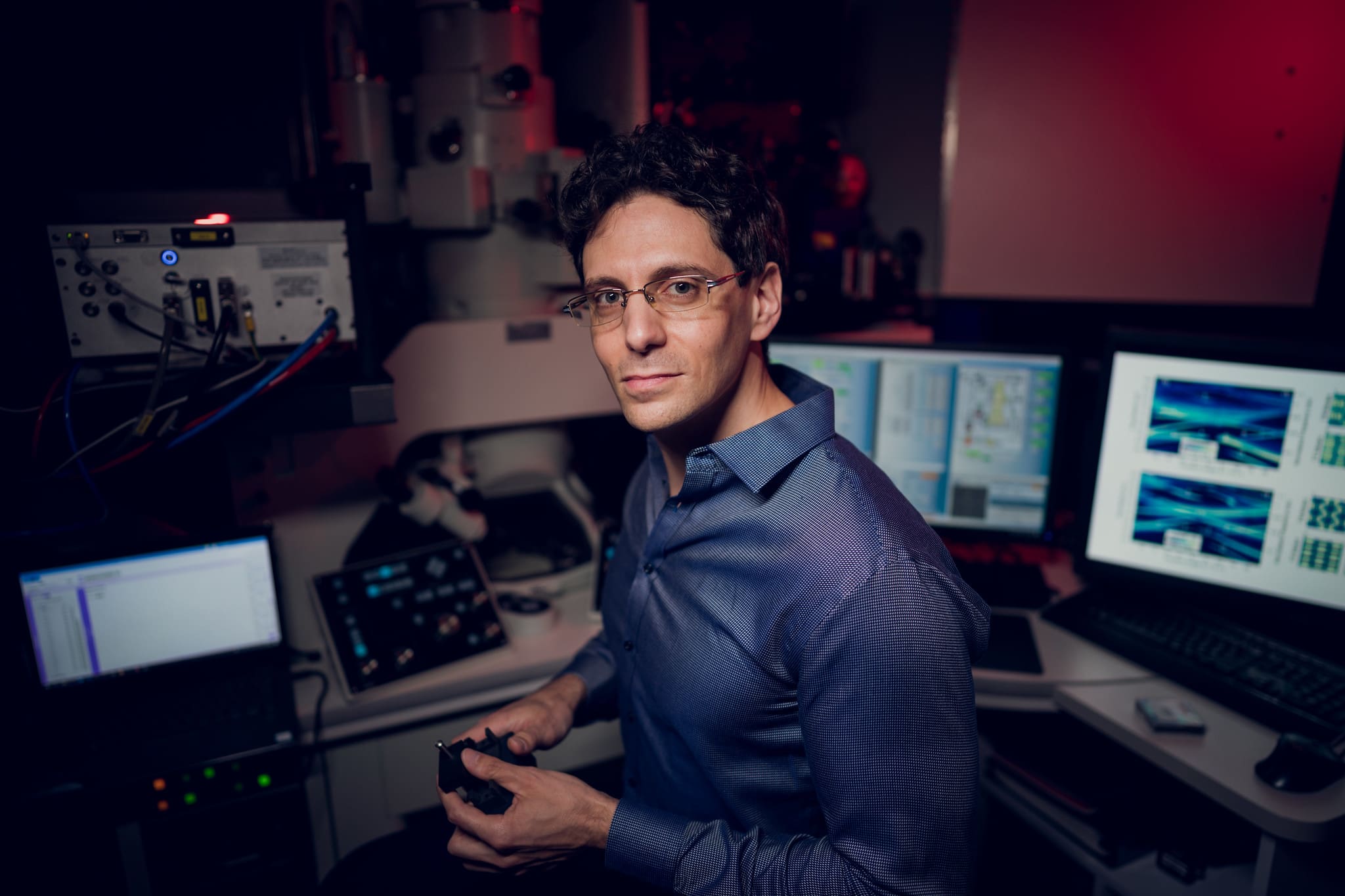
Every day, manufacturing companies face costly equipment failures. What if they could detect that leaky valve before it leaked? Alumni-founded Feelit Technologies Ltd. predicts and solves machinery problems before they happen — preventing potentially dangerous equipment failures and reducing the cost of manual inspections and production downtime associated with finding and fixing faults. Feelit technology is based on sensor-packed stickers printed with nanoparticle ink. When affixed to pipes, pumps, or valves, the sensors monitor pressure, temperature, vibration, leakage, wall integrity, thickness, and other industrial parameters. The data is then analyzed in the cloud in real time and sent back to…
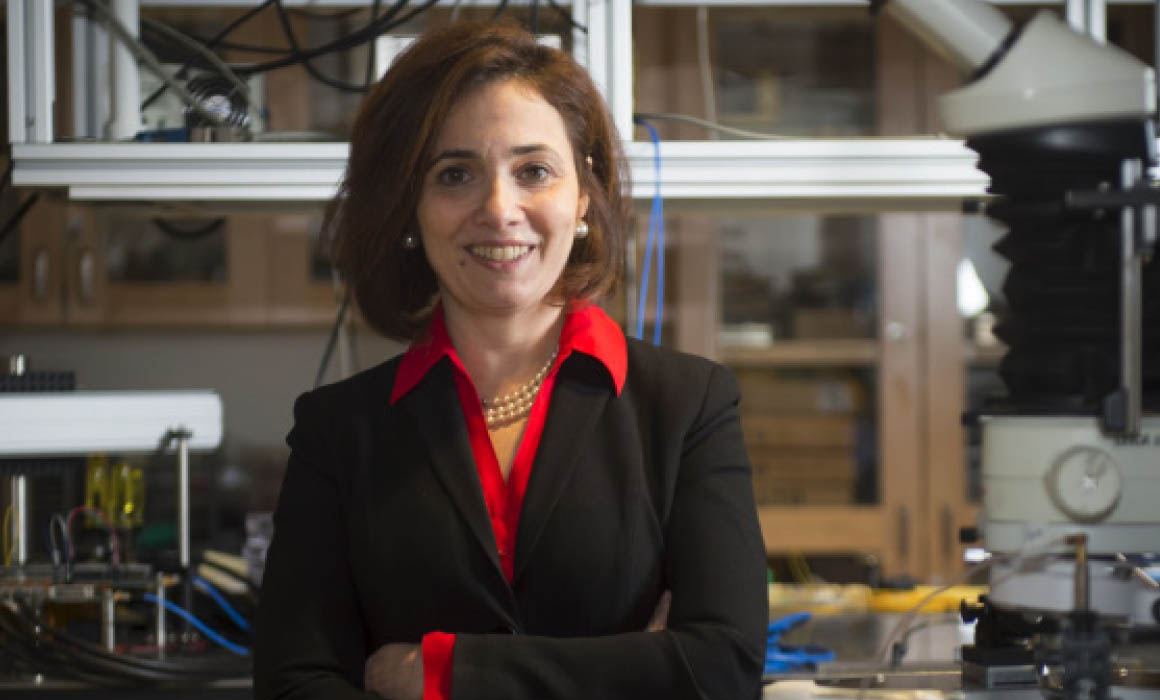
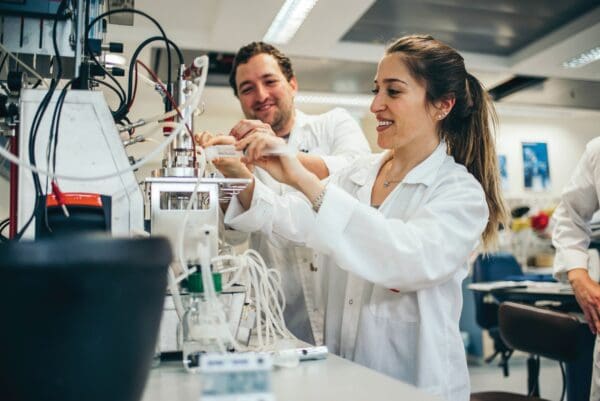
Photonics Pioneer Reflects on Her Journey to Success Professor Michal Lipson ’92, M.S. ’95, Ph.D. ’98, is the Eugene Higgins Professor of Electrical Engineering and Professor of Applied Physics at Columbia University, president-elect of the Optical Society, a 2010 MacArthur Fellow, and a pioneer in the field of nanophotonics. More than 1,000 papers published yearly involve devices and circuits based on her research. The Technion is family, as her father and father-in-law were both professors at the university. In 2021, you became the first woman to receive the John Tyndall Award for outstanding contributions to optical-fiber technology. What inspired you to…

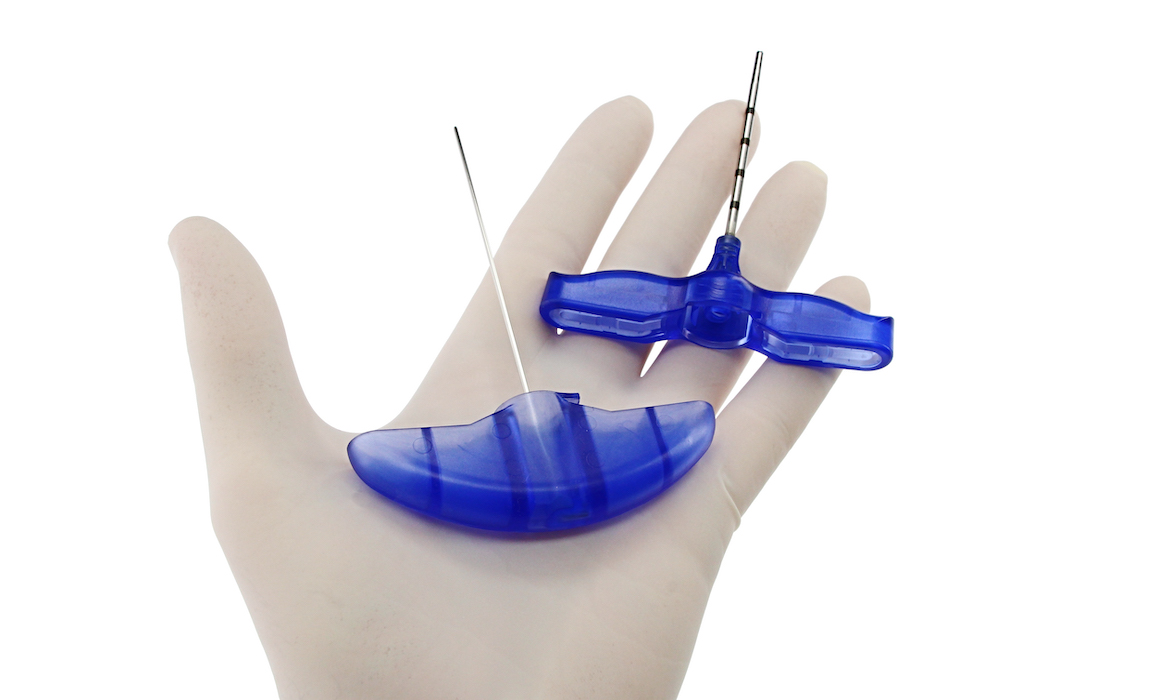
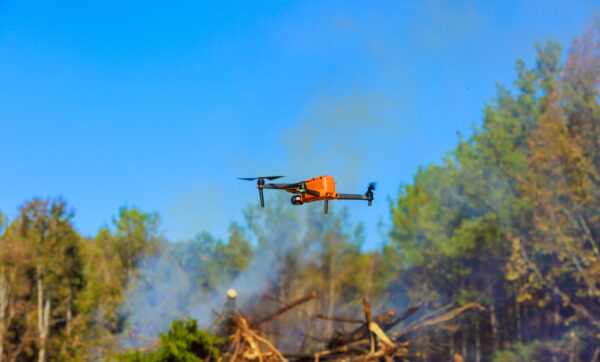
Guiding a medical needle through the body to do biopsies and other treatment is not an easy task. Straight needles work when the path is a straight shot, but often the target is hidden behind bones or vulnerable tissue. In recent years scientists have developed medical needles with beveled tips and algorithms to direct the needles, but the procedure is still risky. Now a team from the Technion and the University of North Carolina have developed a new algorithm that hopes to make the task safer and more precise.

Digital platforms and technology — from Facebook and mobile phones to Zoom and virtual reality to online recommendations and shopping —now serve as the core fabric of our lives and our society, with consequences that are not always positive. In this Jacobs Technion-Cornell Institute webinar, hear how the Connective Media Hub is building new human-centered […]

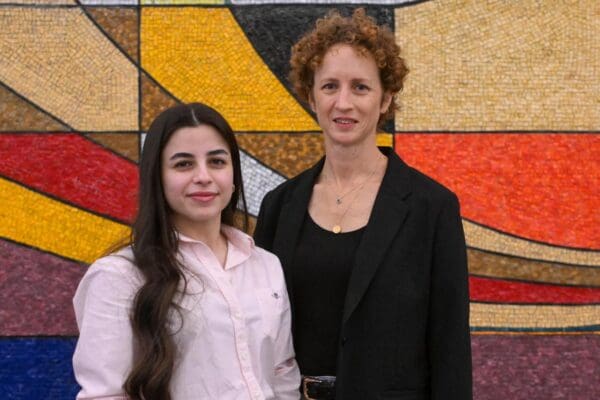
Technion researchers Assistant Professor Mark Silberstein of the Viterbi Faculty of Electrical Engineering, graduate student Marina Minkin from the Computer Science Department, and their colleagues abroad have broken through the Intel Software Guard Extension (SGX). SGX is Intel’s new, innovative security wall that protects the privacy and integrity of information and applications. SGX is a […]